DogBreedCompass
← Back to breed profile

Understanding Cane Corso Small Nostrils (Stenotic Nares)

Cane Corso small nostrils, or stenotic nares, can cause serious breathing issues. This condition affects your dog's ability to breathe comfortably. (Cane Corso small nostrils (stenotic nares))

Understanding Cane Corso Small Nostrils (Stenotic Nares) infographic

This issue primarily affects first-time Cane Corso owners or those unfamiliar with the breed's specific health needs. Busy families or individuals may find it difficult to manage the necessary preventive care and training to alleviate these symptoms.

Important reminder

This guide is not medical advice. If your dog shows pain, sudden behavior change, or worsening symptoms, consult a licensed veterinarian.

Some links may be affiliate links. We may earn a commission at no extra cost to you. We only suggest products we believe are helpful for dog owners.

What this problem looks like

Cane Corso small nostrils, also known as stenotic nares, can create significant breathing difficulties. Daily life for a dog with this issue may include heavy panting, snoring, or even struggling to catch their breath during exercise. This problem is particularly concerning because it can lead to more severe health issues if not addressed.

Common triggers

  • Hot weather, which can exacerbate breathing issues
  • Physical exertion or exercise, making breathing more labored
  • Stressful environments that trigger anxiety

Stenotic nares are relatively common in Cane Corsos, especially among those with shorter nasal structures. It’s important to monitor your dog's breathing patterns and consult a vet if you notice any signs of distress.

Why this happens

Breed factors

Cane Corsos are a brachycephalic breed, meaning they have shorter skulls and smaller nostrils compared to other dogs. This can lead to stenotic nares, which is a condition where the nostrils are too narrow, causing difficulty in breathing. Their massive size and weight can also exacerbate these breathing issues.

Environment factors

Environmental factors, such as heat and humidity, can worsen breathing problems in Cane Corsos with small nostrils. Stressful situations, like loud noises or large crowds, can also trigger anxiety, which may make breathing even more challenging for them.

What you can try

At-home strategies

  • Keep your Cane Corso cool and avoid exercise during hot weather. Ensure they have plenty of water and a comfortable resting place.
  • Practice controlled breathing exercises with your dog. Start by encouraging calmness and rewarding them for relaxed breathing.
  • Limit exposure to stressful environments. If your dog feels anxious, create a safe space at home where they can retreat.

When to consider a trainer

If your Cane Corso exhibits severe anxiety or breathing difficulties, consider working with a professional trainer. They can provide strategies to help manage anxiety and improve your dog's comfort level in various situations. Joining a training class may also help with socialization.

When to talk to your vet

If your Cane Corso shows persistent or severe symptoms of breathing difficulties, it’s time to consult a vet. They can evaluate if surgery is necessary to correct the stenotic nares or recommend medications to assist with breathing issues.

Realistic expectations

Most owners will start to see improvement in their Cane Corso's breathing within 4 to 6 weeks of consistent training and management. Full resolution might take several months, depending on the severity of the condition.

Success means your Cane Corso can breathe more comfortably during exercise and daily activities. You'll notice less labored breathing and increased overall energy levels.

Mistakes that make this worse

Here are common mistakes that can worsen your Cane Corso's small nostrils (stenotic nares) issue. Avoiding these will help your dog breathe easier and feel more comfortable.

  • Ignoring the signs of breathing difficulty: If your Cane Corso shows signs like excessive panting or labored breathing, it’s crucial to take action. Instead, consult your vet for potential interventions.
  • Using harsh training methods: Punishing your dog for breathing issues can lead to anxiety and worsen the problem. Opt for gentle training techniques and positive reinforcement.
  • Overexercising: Cane Corsos are energetic, but pushing them too hard can strain their breathing. Instead, tailor exercise to their capacity, focusing on shorter, controlled sessions.
  • Neglecting weight management: Excess weight can exacerbate breathing issues. Ensure you maintain a healthy diet and weight for your Cane Corso to reduce strain on their respiratory system.
  • Delaying veterinary care: Some owners may hesitate to seek help, thinking it will improve on its own. Early intervention is key; sometimes, surgery is the best option to improve breathing.
  • Failing to provide a comfortable environment: High temperatures and humidity can make breathing harder for your dog. Ensure they have a cool, well-ventilated space to relax in.
  • Avoiding proper socialization: Fear and anxiety can worsen breathing issues. Gradually expose your Cane Corso to new experiences to reduce stress and promote a calm demeanor.

When Cane Corso Small Nostrils (Stenotic Nares) is an Emergency

Cane Corso small nostrils, or stenotic nares, can lead to serious breathing issues. It's important to recognize when this condition is an emergency and when it can be managed with care. If your Cane Corso shows signs of severe distress, it's crucial to act swiftly and contact your vet.

Understanding Cane Corso Small Nostrils (Stenotic Nares) - When Cane Corso Small Nostrils (Stenotic Nares) is an Emergency

Finding Relief for Bella's Breathing Struggles

Emily, a first-time Cane Corso owner, noticed her dog Bella had trouble breathing, particularly after playtime. Concerned, she learned about Cane Corso small nostrils (stenotic nares) and how it could affect Bella's quality of life. With her vet's guidance, Emily started a training program focusing on controlled exercise and breathing techniques. After a few months, Bella showed significant improvement, enjoying longer walks without panting heavily.

Key takeaway: With proper training and management, it's possible to help a Cane Corso with small nostrils breathe more easily and lead a healthier life.

Frequently asked questions

Why does my Cane Corso have small nostrils (stenotic nares)?

Cane Corsos can have small nostrils due to their brachycephalic (short-nosed) structure. This condition often leads to breathing difficulties, especially during exercise or in hot weather. It's essential to monitor their breathing and consult a vet if you notice any issues.

How can I help my Cane Corso with small nostrils (stenotic nares)?

To help your Cane Corso, ensure they maintain a healthy weight, as excess weight can worsen breathing issues. Regular vet check-ups are crucial to monitor their condition, and you may need to consider training exercises that don't strain their breathing.

What are the signs that my Cane Corso's small nostrils are causing problems?

Watch for signs like excessive panting, coughing, or difficulty breathing, especially during physical activity. If your Cane Corso is lethargic or struggling to catch their breath, it's time to consult your veterinarian for advice.

Can training help with my Cane Corso's small nostrils (stenotic nares)?

Training can help manage behavior linked to breathing difficulties, but it won't fix the physical issue. Focus on positive reinforcement training to keep your Cane Corso calm and avoid overexertion during play or exercise.

What treatments are available for Cane Corso small nostrils (stenotic nares)?

In severe cases, surgery may be recommended to widen the nostrils and improve airflow. Your vet can provide guidance on whether surgery is necessary based on your dog's specific condition and lifestyle.

What are the signs that my Cane Corso's small nostrils (stenotic nares) are causing problems?

If your Cane Corso is snoring excessively, has difficulty breathing during exercise, or experiences frequent coughing, these may be signs of issues related to small nostrils. You might also notice labored breathing or a reduced tolerance for heat.

Can small nostrils (stenotic nares) affect my Cane Corso's exercise routine?

Yes, small nostrils can limit your Cane Corso's ability to breathe effectively during strenuous activities. This may lead to fatigue and overheating, so it's essential to monitor their breathing and adjust exercise levels accordingly.

What should I do if my Cane Corso seems to struggle more as they age?

As your Cane Corso ages, breathing difficulties may become more pronounced. It's crucial to consult your vet for a thorough check-up if you notice changes in their breathing or energy levels, as they may recommend treatments or lifestyle adjustments.

Are there any home remedies to help with my Cane Corso's small nostrils (stenotic nares)?

While there are no proven home remedies, keeping your Cane Corso in a cool, well-ventilated area can help manage breathing difficulties. Always consult your veterinarian before trying any remedies to ensure they are safe.

When should I consider surgery for my Cane Corso's stenotic nares?

Surgery may be necessary if your Cane Corso experiences severe breathing issues that affect their quality of life. Discuss your dog's symptoms with your vet to determine if surgical options are appropriate.

Quick answers

View more answers
Behavior

What are some quick tips for Cane Corso small nostrils (stenotic nares)?

Keep your Cane Corso cool and avoid strenuous activities during hot weather. Regular vet visits can help monitor their breathing. Training should focus on calm behaviors to prevent overexertion.

Health

What should I do if my Cane Corso struggles to breathe?

If your Cane Corso shows signs of distress while breathing, such as excessive panting or coughing, contact your vet immediately for advice.

Living

How can I improve my Cane Corso's quality of life with small nostrils?

Ensure they have a low-stress environment, maintain a healthy weight, and schedule regular vet check-ups to monitor their breathing and overall health.

Related DogBreedCompass guides

  • Cane Corso small nostrils (stenotic nares) trainingUnderstanding this condition can help you manage your Cane Corso's health better.
  • Cane Corso separation anxiety guideLearn how to alleviate anxiety in your Cane Corso, which may be related to breathing issues.
  • Cane Corso behavior problemsExplore common behavior problems in Cane Corsos that may arise due to health issues.
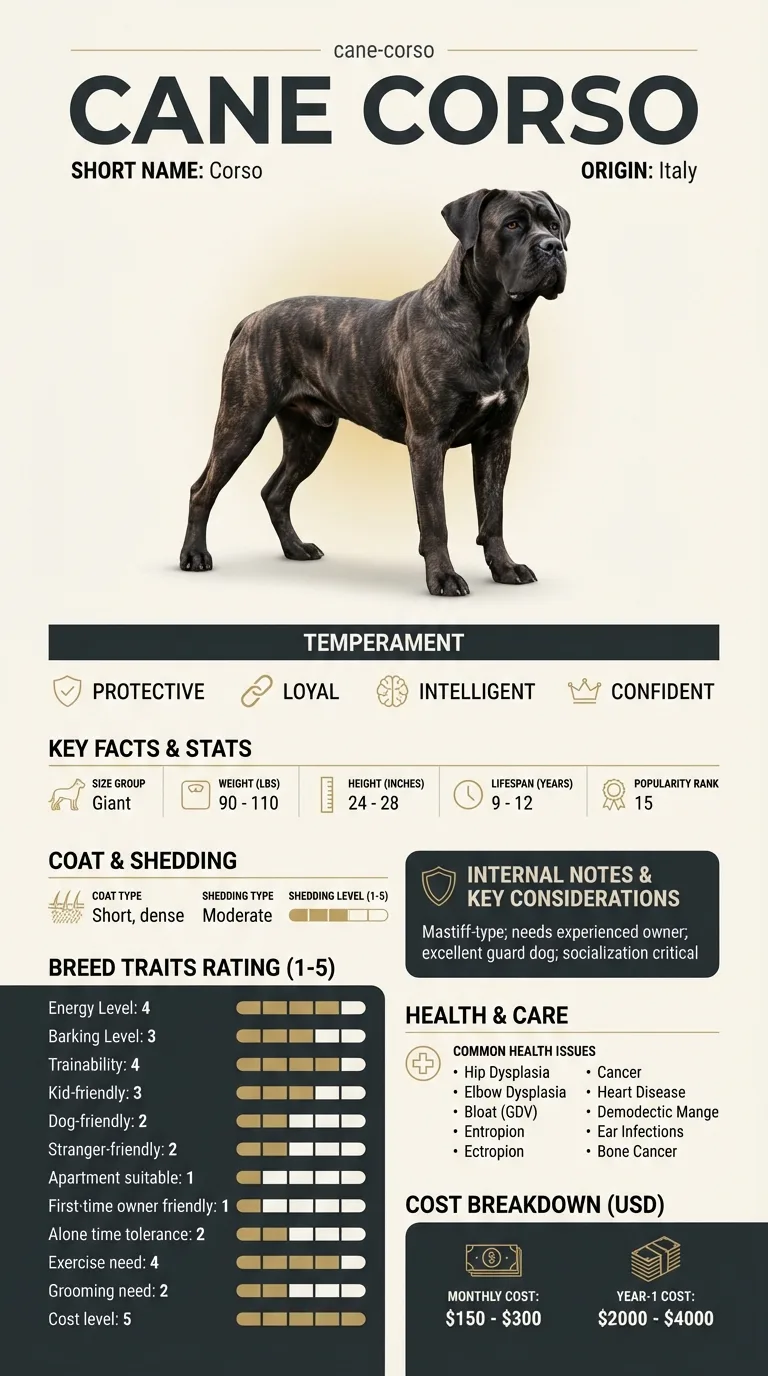
  • Cane Corso ownership cost breakdownFind out the expected costs associated with owning a Cane Corso, including potential health-related expenses.
  • Cane Corso breed guideUnderstand the traits and characteristics of Cane Corsos to see how they relate to health issues.

Related guides