Behavior
What are quick tips for managing Cane Corso patellar luxation?
Keep your Cane Corso at a healthy weight to reduce stress on the knees. Regular vet visits for check-ups and a tailored exercise plan are crucial.
Cane Corso patellar luxation is a common and painful condition affecting the knees of this giant breed. It can lead to mobility issues and long-term discomfort.
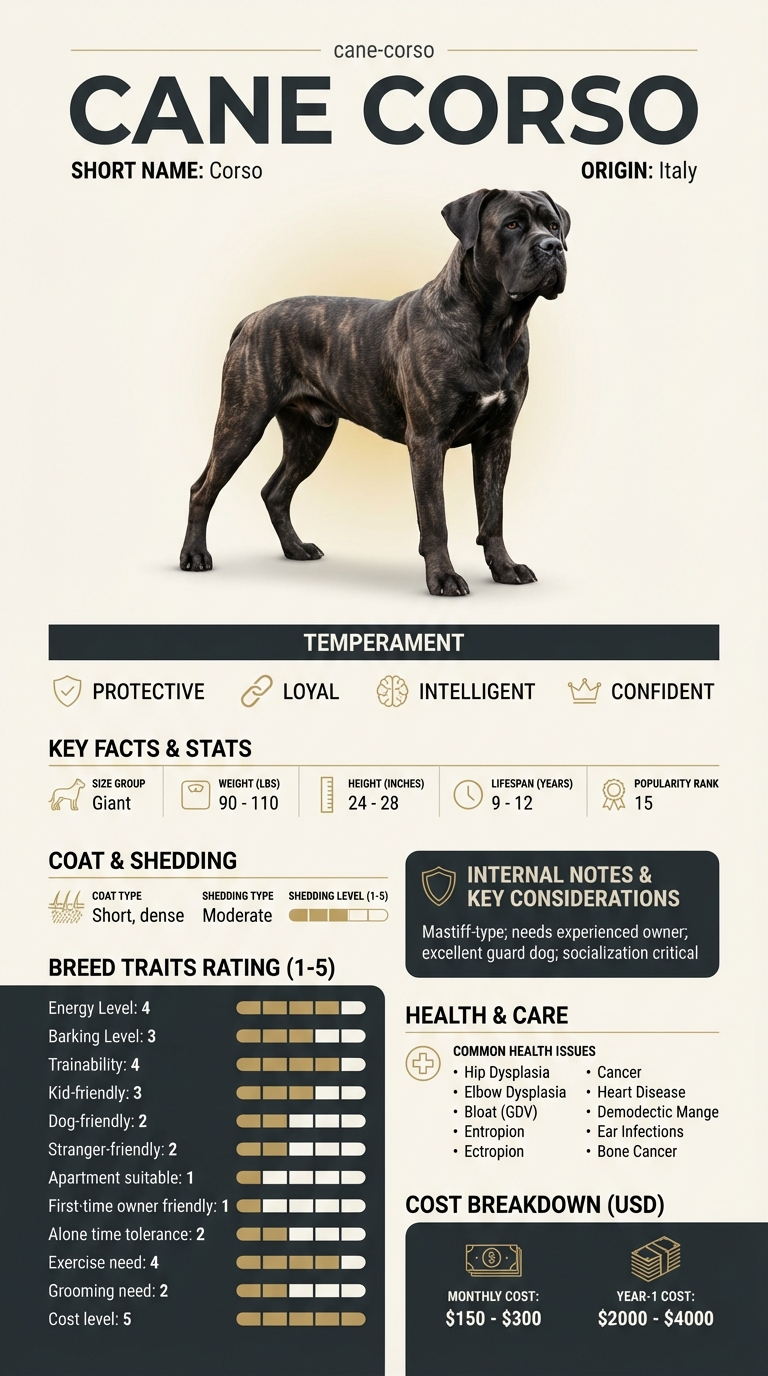
Owners of Cane Corsos, especially those with active lifestyles or those who may not have previous dog experience, often face this challenge. Recognizing the signs early can help you manage your dog's health effectively.
This guide is not medical advice. If your dog shows pain, sudden behavior change, or worsening symptoms, consult a licensed veterinarian.
Some links may be affiliate links. We may earn a commission at no extra cost to you. We only suggest products we believe are helpful for dog owners.
Cane Corso patellar luxation is a common knee issue where the kneecap dislocates, leading to limping or difficulty walking. This problem can arise during play or when the dog is active. Affected dogs may exhibit signs of pain or discomfort, especially after exercise.
Patellar luxation is not rare in Cane Corsos, especially in younger dogs or those with a family history of joint issues. It's important for owners to be vigilant and monitor their dog's activity levels to prevent this condition.
Cane Corsos are a large breed with a heavy weight that puts more stress on their joints, making them more prone to patellar luxation. Their genetic makeup can also lead to structural issues in their knees, which may cause the kneecap to slip out of its normal position.
Improper exercise and weight management can contribute to patellar luxation. If a Cane Corso is overweight or doesn’t have a balanced activity level, this can exacerbate joint problems. Additionally, slippery floors and abrupt movements can increase the risk of dislocation.
If your Cane Corso is struggling with training or showing signs of anxiety related to their condition, a professional trainer can provide guidance. Look for trainers experienced with large breeds and joint issues, as they can tailor techniques to your dog's needs.
Consult your vet if your Cane Corso frequently shows signs of pain or limping. If home strategies aren’t improving their condition, or if you notice any swelling, it’s crucial to seek professional advice. Early intervention can make a significant difference in managing patellar luxation.
You can expect to see improvements in your Cane Corso's patellar luxation within 4 to 6 months of consistent training and management.
Success means your Cane Corso can move comfortably without pain, with reduced occurrences of knee dislocation, and an overall increase in mobility.
Avoiding common pitfalls can help your Cane Corso with patellar luxation. Here are some mistakes to steer clear of and safer alternatives.
Recognizing when Cane Corso patellar luxation is an emergency can save your dog's mobility and comfort. If your dog is limping, shows signs of pain, or cannot bear weight on their leg, it's crucial to contact your veterinarian immediately. These could be signs of a severe dislocation that requires prompt medical attention.
Other red flags include swelling around the knee, sudden inability to straighten the leg, or if your Cane Corso is vocalizing when trying to move. These symptoms can indicate that the injury is more than a simple luxation and may involve fractures or severe ligament damage.
In less urgent cases, watch for mild limping or occasional difficulty in movement. If your dog is still able to walk, play, and doesn't show excessive pain, you can monitor the situation at home. Keep an eye on their activity level and reduce strenuous exercises until you can discuss it with your vet. Consider gentle leash walks and limited playtime as you assess their condition.
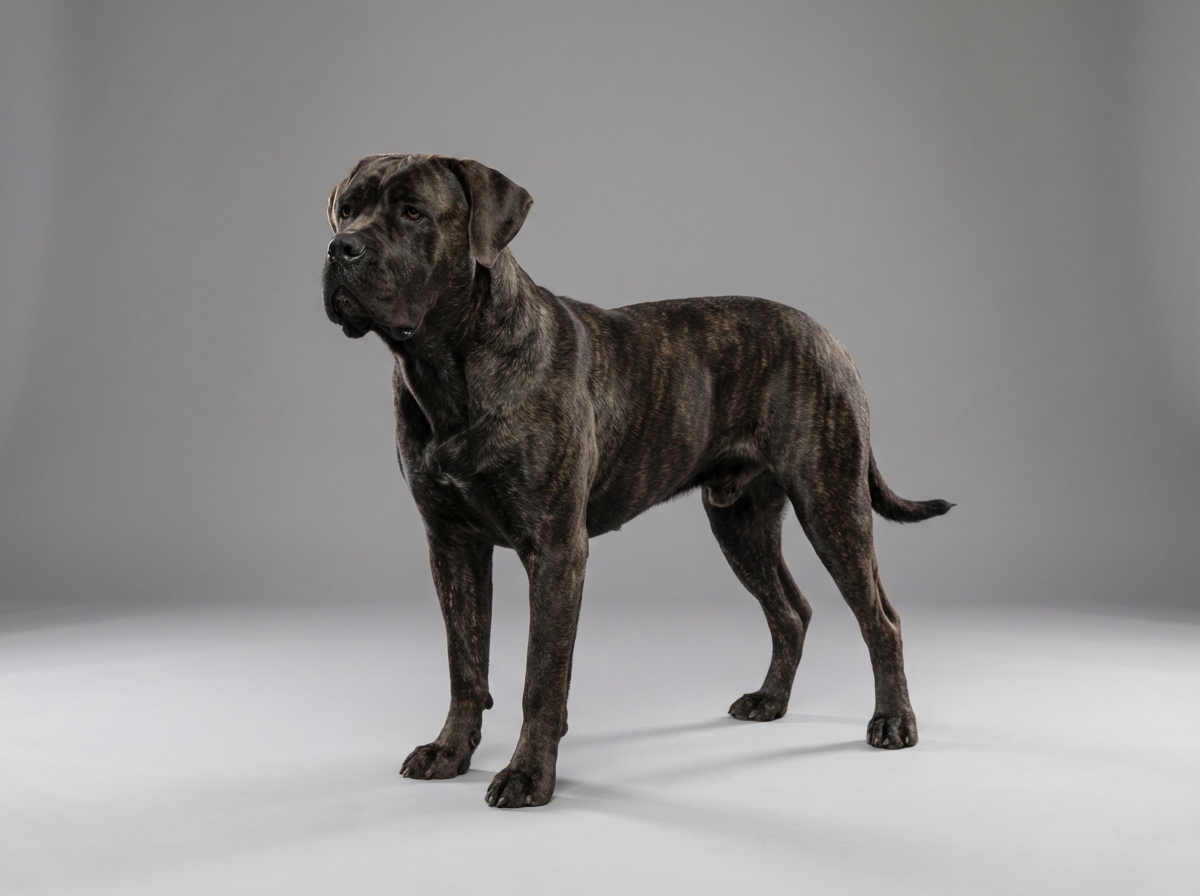
Lisa, a dedicated dog owner from Denver, noticed her Cane Corso, Max, limping after playtime. After a vet visit, she learned that Max had patellar luxation. At first, Lisa felt overwhelmed, unsure how to help him. With guidance from a trainer, she started a tailored exercise program focused on strengthening Max's legs. They also incorporated low-impact activities like swimming to ease the pressure on his joints. After several months of consistent training and care, Max was running around happily without any signs of discomfort.
Key takeaway: With the right training and management, you can significantly improve your Cane Corso's quality of life and mobility even with patellar luxation.
Cane Corso patellar luxation can occur due to genetic factors and structural issues in the knee joint. It may also be influenced by factors like obesity or improper exercise. Regular vet check-ups can help catch these issues early.
To help manage Cane Corso patellar luxation, focus on maintaining a healthy weight and ensuring proper exercise. Avoid high-impact activities that could worsen the condition. Consult your vet for specific training and rehabilitation exercises.
Signs of patellar luxation include limping, reluctance to jump or run, and unusual sitting positions. If your Cane Corso seems to be in pain or has a noticeable limp, it’s essential to consult a veterinarian for assessment.
Yes, Cane Corso patellar luxation is treatable. Mild cases may be managed with weight control and physical therapy, while more severe cases might require surgery. A vet can help determine the best course of action.
Low-impact exercises like swimming or walking on soft surfaces can benefit your Cane Corso with patellar luxation. Gradually increase exercise intensity under a vet's guidance to strengthen the muscles around the knee.
Look for limping, difficulty jumping, or holding the leg up after activity. A Cane Corso may also show signs of pain or discomfort when you touch their knee area. If you notice these symptoms, it's important to consult a vet for proper diagnosis.
Yes, patellar luxation can be hereditary, especially in large breeds like the Cane Corso. It's advisable to research the dog's lineage and talk to breeders about any history of knee issues. This can help you make informed decisions when choosing a puppy.
You can help manage your dog's condition by maintaining a healthy weight, providing low-impact exercise, and ensuring they do not engage in excessive jumping or running. Additionally, supportive joint supplements may assist in improving their mobility, but always consult your vet first.
If your Cane Corso experiences severe pain, frequent dislocations, or difficulty walking, surgery may be necessary. A veterinarian can assess the severity of the condition and recommend the best course of action based on your dog's specific needs.
While patellar luxation can occur at any age, older Cane Corsos may be more susceptible due to wear and tear on their joints. Regular vet check-ups can help monitor joint health and catch issues early, ensuring your dog maintains a good quality of life.
Keep your Cane Corso at a healthy weight to reduce stress on the knees. Regular vet visits for check-ups and a tailored exercise plan are crucial.
Yes, training can help. Focus on gentle, positive reinforcement techniques and avoid high-impact activities that strain the knees.
Treatment costs can vary widely, ranging from a few hundred dollars for non-surgical options to several thousand for surgery. Always consult your vet for an accurate estimate.


