Behavior
What are quick tips for preventing Cane Corso gastric dilatation-volvulus (gdv/bloat)?
Feed smaller, more frequent meals, avoid exercise right after eating, and consider using elevated bowls.
Cane Corso gastric dilatation-volvulus (GDV/bloat) is a serious condition that can be life-threatening for your dog.
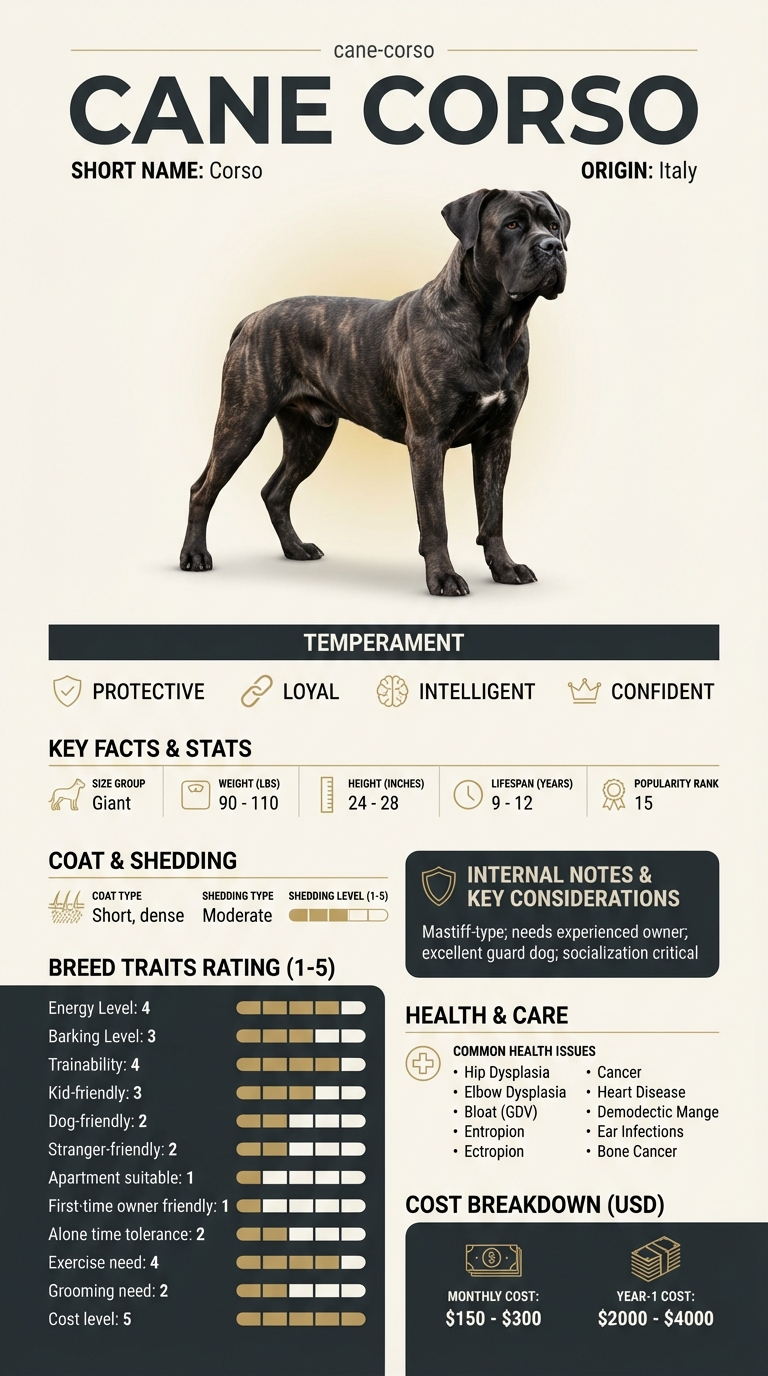
Typically, owners of Cane Corsos, especially first-time dog parents, may find themselves navigating this issue. These giant dogs are prone to GDV, making it vital for their owners to be informed about the risks and prevention strategies.
This guide is not medical advice. If your dog shows pain, sudden behavior change, or worsening symptoms, consult a licensed veterinarian.
Some links may be affiliate links. We may earn a commission at no extra cost to you. We only suggest products we believe are helpful for dog owners.
Cane Corso gastric dilatation-volvulus (GDV/bloat) is a serious and life-threatening condition that affects these giant dogs. It occurs when the stomach fills with gas and twists, leading to severe pain and shock. Daily signs include a distended abdomen, restlessness, excessive drooling, and attempts to vomit without success.
GDV/bloat is relatively common in large breeds like the Cane Corso, with studies suggesting that it can occur in up to 30% of these dogs at some point in their lives. Understanding the risks and signs can help owners respond promptly and possibly save their dog's life.
Cane Corsos are large dogs with deep chests, which makes them more prone to gastric dilatation-volvulus (GDV), commonly known as bloat. Their size and body structure can cause the stomach to fill with gas and twist, leading to this serious condition. Additionally, their temperament can lead to stress and anxiety, which may contribute to digestive issues.
Environmental factors like eating habits and feeding practices can also trigger GDV. For example, feeding your Cane Corso one large meal a day or allowing them to eat too quickly can increase the risk. Stressful situations or vigorous exercise after meals can exacerbate the problem, making it essential to manage their environment carefully.
If your Cane Corso shows signs of anxiety or stress around mealtime, it may be helpful to consult a dog trainer. A trainer can provide strategies to help manage your dog's anxiety and improve their eating habits.
If you notice signs of GDV, such as a swollen abdomen, excessive drooling, or restlessness, contact your veterinarian immediately. GDV is a life-threatening condition that requires urgent medical attention.
Managing Cane Corso gastric dilatation-volvulus (GDV/bloat) requires ongoing vigilance and prompt action. Owners should be prepared for immediate veterinary intervention if symptoms arise. With regular monitoring, you can significantly reduce the risk over the first year.
Success means recognizing early warning signs, such as bloating and restlessness, and getting your dog to the vet promptly. Additionally, following a proper feeding routine and understanding your dog's unique risks can lead to a safer, healthier life for your Cane Corso.
Avoid these common mistakes that can worsen Cane Corso gastric dilatation-volvulus (GDV/bloat) issues. Making small adjustments can significantly improve your dog's well-being.
Cane Corso gastric dilatation-volvulus (GDV/bloat) is a serious condition that can escalate quickly. It's crucial to know when to call your vet. If your dog shows signs of distress, rapid breathing, a swollen abdomen, or attempts to vomit without success, these are red flags. You should get to the vet immediately.
On the other hand, if your Cane Corso is mildly bloated but still active, eating, and drinking normally, you may monitor from home. Keep an eye on their behavior and look for additional symptoms like lethargy or excessive drooling. If these develop, seek veterinary help promptly.
Remember, early intervention can save your dog's life. Trust your instincts as a pet owner; if something feels off, don’t hesitate to reach out to your veterinarian.
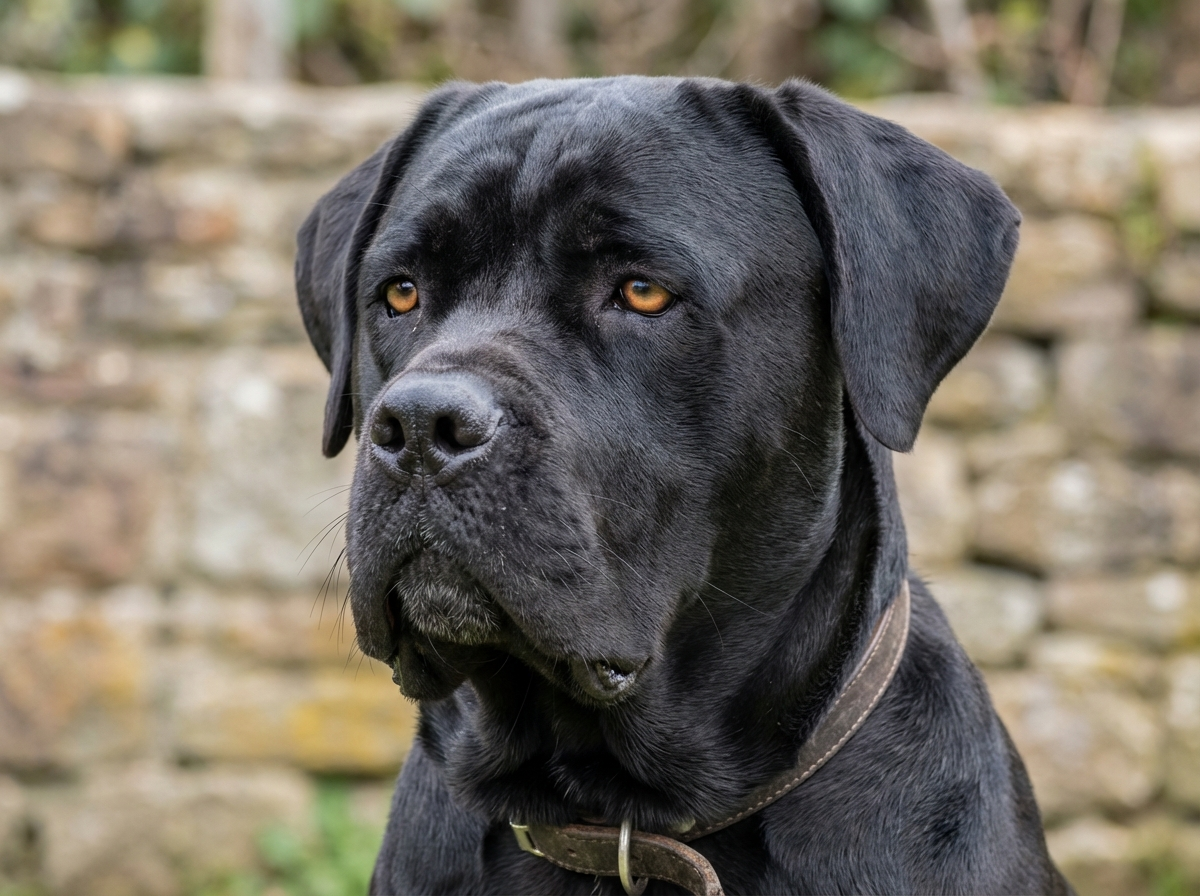
When Sarah adopted Bella, her Cane Corso, she was excited but also anxious about her new pet. One day, Bella seemed restless and her stomach looked unusually distended. Remembering a friend's warning about gastric dilatation-volvulus (GDV/bloat), Sarah rushed Bella to the vet. After a thorough examination, the vet confirmed it was a mild case and provided guidance on feeding practices to prevent future issues. Sarah learned to feed Bella smaller meals more frequently and avoid vigorous exercise right after eating. Over time, Bella thrived, and Sarah felt more confident as a pet owner.
Key takeaway: Early recognition of GDV symptoms and proactive management can save your Cane Corso’s life. Stay informed and adjust routines to keep your dog healthy.
Cane Corso gastric dilatation-volvulus (gdv/bloat) is often caused by rapid eating, drinking too much water in a short time, or stress. Large, deep-chested breeds like the Cane Corso are particularly susceptible. It's essential to monitor feeding habits and avoid vigorous exercise after meals.
To prevent Cane Corso gastric dilatation-volvulus (gdv/bloat), feed smaller meals throughout the day instead of one large meal. Use elevated feeding bowls to encourage slower eating and avoid giving water immediately after eating. Regular exercise and a calm environment can also help reduce stress.
Symptoms of Cane Corso gastric dilatation-volvulus (gdv/bloat) include a swollen abdomen, retching without vomiting, excessive drooling, and signs of distress. If you notice these symptoms, seek veterinary help immediately, as this condition can be life-threatening.
If you suspect your Cane Corso has gastric dilatation-volvulus (gdv/bloat), take them to the vet immediately. Time is critical, as this condition can quickly lead to shock or death. Do not wait to see if symptoms improve.
A diet high in protein and fiber can help prevent Cane Corso gastric dilatation-volvulus (gdv/bloat). Avoid feeding them dry kibble alone; consider mixing with wet food or adding water to slow their eating. Consult with your vet for diet recommendations tailored to your dog.
Yes, training can help by promoting calm behavior around mealtime. Teaching commands like 'wait' or 'slow down' can encourage your Cane Corso to eat more slowly. Consistent training practices can be beneficial.
Cane Corsos are deep-chested breeds, which makes them more susceptible to gastric dilatation-volvulus (gdv/bloat). Their anatomy contributes to a higher risk, especially when combined with lifestyle factors like rapid eating.
Early signs of Cane Corso gastric dilatation-volvulus (gdv/bloat) include restlessness, pacing, and an unusually swollen abdomen. Your dog may also try to vomit unsuccessfully. If you notice these symptoms, it's crucial to seek veterinary help immediately.
Yes, older Cane Corsos can be at risk for gastric dilatation-volvulus (gdv/bloat). As dogs age, their digestive systems can change, increasing the risk of this condition. Regular vet check-ups are essential for older dogs to monitor their health.
To help prevent gastric dilatation-volvulus (gdv/bloat) in your Cane Corso, feed smaller meals more frequently rather than one large meal. Avoid vigorous exercise right after eating, and consider using elevated feeding bowls. Consult your vet for personalized advice.
Cane Corsos may develop gastric dilatation-volvulus (gdv/bloat) due to a combination of genetic predisposition, rapid eating, and stress. Factors such as age and breed can also contribute to the risk. It's vital to be aware of potential triggers.
If your Cane Corso shows symptoms of gastric dilatation-volvulus (gdv/bloat), take them to the vet immediately. This condition can rapidly become life-threatening, and prompt treatment is critical for a better outcome. Don't wait to see if symptoms improve.
Feed smaller, more frequent meals, avoid exercise right after eating, and consider using elevated bowls.
Look for signs like a swollen stomach, excessive drooling, or distress after eating.
Get to a vet immediately, as this condition is life-threatening and requires urgent care.
Yes, use commands like 'wait' or 'easy' to encourage slower eating habits.
Yes, a diet that includes wet food and is high in fiber can help reduce the risk of gdv/bloat.


