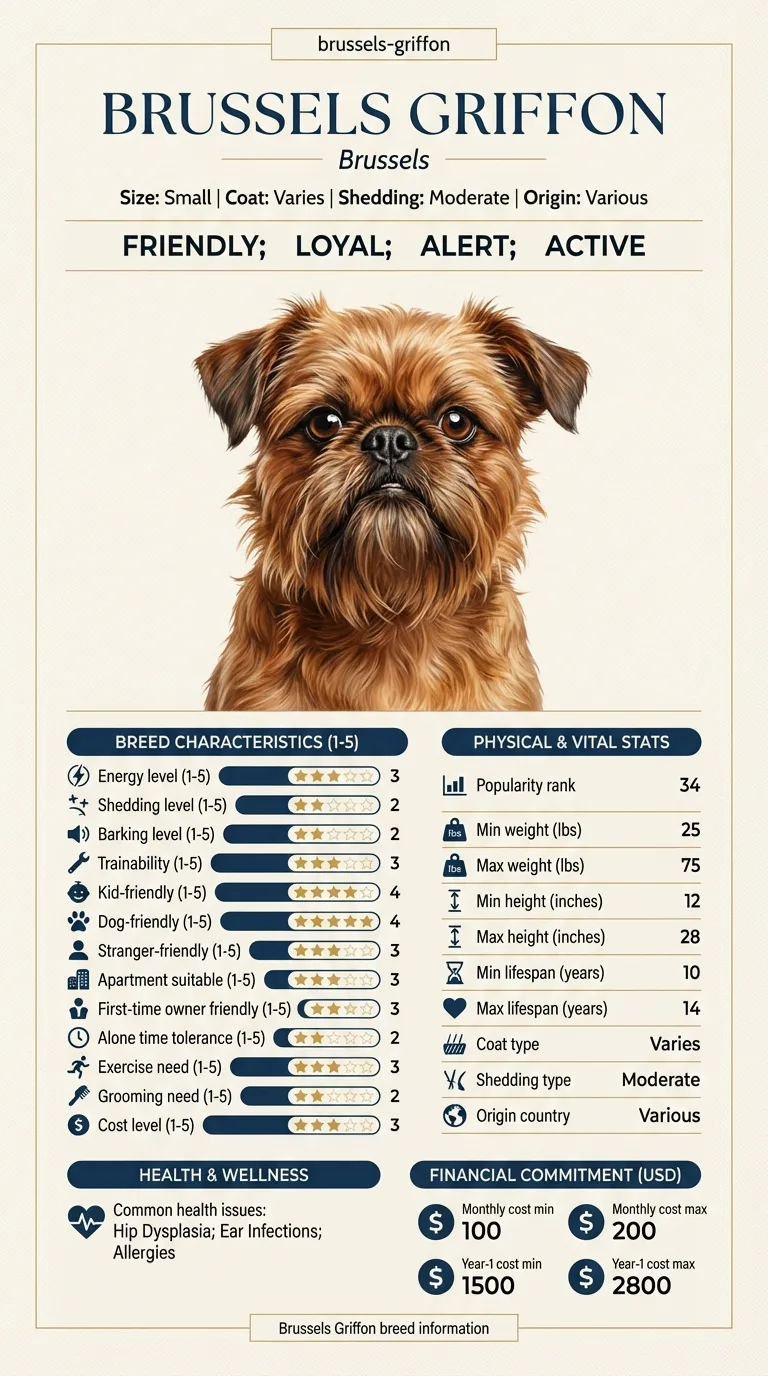
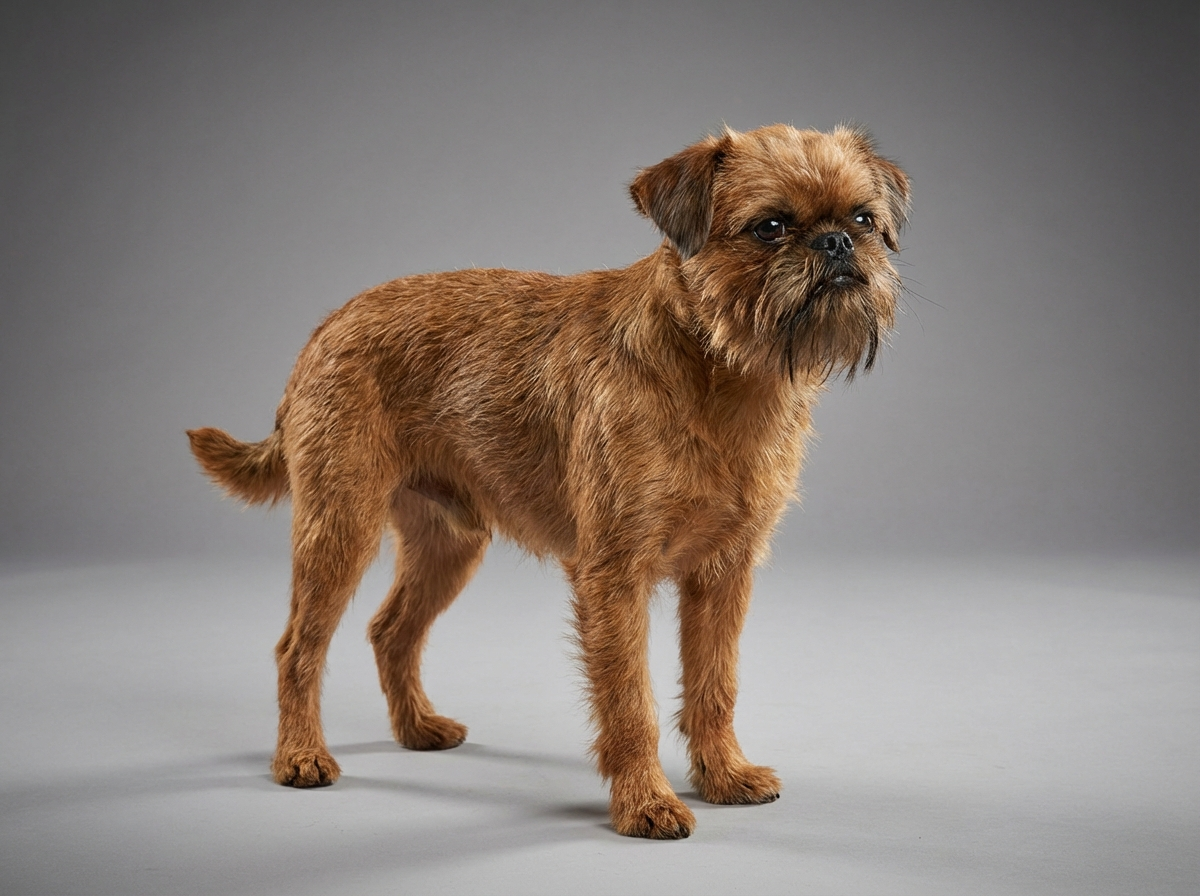
What are some quick tips for Brussels Griffon separation anxiety?
Start with short departures to help your Brussels Griffon get used to being alone. Provide distractions like toys, and try to maintain a calm routine when leaving or returning home.
Brussels Griffon separation anxiety is a common issue that can lead to distress when these pups are left alone.

Many Brussels Griffon owners, especially first-time dog parents or busy professionals, may notice signs of separation anxiety. This can manifest as excessive barking, destructive behavior, or even house training issues when they leave their furry friends alone.
This guide is not medical advice. If your dog shows pain, sudden behavior change, or worsening symptoms, consult a licensed veterinarian.
Some links may be affiliate links. We may earn a commission at no extra cost to you. We only suggest products we believe are helpful for dog owners.
Brussels Griffon separation anxiety is a common issue for this small breed, characterized by distress when left alone. You might notice your Brussels barking excessively, chewing on furniture, or having accidents indoors when you're not home. These behaviors stem from their strong attachment to their owners, making them feel abandoned or anxious when left alone.
Separation anxiety is relatively common in Brussels Griffons, especially since they thrive on companionship. Many owners report that their Griffons show signs of anxiety if left alone for more than a few hours. This breed's loyal and affectionate nature means they often struggle with being apart from their families.
Brussels Griffons are small, affectionate dogs that tend to bond closely with their owners. Their loyal and friendly nature makes them sensitive to changes in their environment, including when their human leaves. This strong attachment can lead to feelings of anxiety when left alone.
Separation anxiety can also stem from environmental factors. If a Brussels Griffon has experienced frequent changes in their home, such as moving or changes in family dynamics, they may feel insecure. Lack of early socialization or negative past experiences can further exacerbate this issue.
If your Brussels Griffon continues to struggle with separation anxiety despite your efforts, consider consulting a professional trainer. They can provide personalized strategies and help address any underlying behavior issues.
If your dog's anxiety leads to destructive behavior or extreme stress, it may be time to talk to your vet. They can assess whether medication or additional interventions may be needed to help your Brussels Griffon cope.
You can expect to see improvements in your Brussels Griffon's separation anxiety within 4 to 8 weeks of consistent training and support.
Success means your dog can comfortably be left alone for short periods without excessive barking, destructive behavior, or distress.
Many owners unintentionally reinforce Brussels Griffon separation anxiety. Here are common mistakes to avoid, along with safer alternatives.
Call your vet immediately if your Brussels Griffon shows severe distress, such as incessant barking, destructive behavior, or self-harm. Other signs include excessive drooling, vomiting, or lethargy. These symptoms can indicate a more serious underlying condition that requires prompt treatment.
On the other hand, if your dog is mildly anxious but isn’t exhibiting extreme behaviors, you can manage this at home. Monitor their behavior and create a plan. For instance, you might introduce gradual departures to help them adjust to being alone. This approach can be effective for less severe cases of separation anxiety.
It’s essential to keep track of your dog’s behavior. If they struggle with being alone but aren’t showing alarming signs, you can work on training strategies. Consider positive reinforcement methods to help your Brussels feel more secure when you leave. However, always prioritize your dog's health. If their anxiety worsens or doesn’t improve with training, consult your vet for further guidance.

Emily, a busy nurse in Seattle, adopted Charlie, a Brussels Griffon, during the pandemic. Initially, Charlie loved the constant company, but as Emily returned to her regular work schedule, Charlie's separation anxiety became apparent. He barked persistently and chewed furniture when left alone. After researching how to stop Brussels Griffon separation anxiety, Emily started a training plan that included short departures, positive reinforcement, and interactive toys to keep Charlie engaged. Gradually, Charlie learned to cope with Emily's absences.
Key takeaway: With patience and the right techniques, even the most anxious Brussels Griffon can learn to feel secure when left alone.

Brussels Griffons are known for their strong bond with their owners. They often experience separation anxiety when left alone due to their affectionate nature and desire for companionship. Factors like a sudden change in routine, previous trauma, or lack of socialization can also contribute.
Signs of separation anxiety in Brussels Griffons include excessive barking, destructive behavior, and attempts to escape. You might also notice your dog being overly clingy when you're home. If these behaviors worsen when you leave, it’s a strong indicator of separation anxiety.
Start by gradually training your Brussels Griffon to be comfortable being alone. Begin with short absences and slowly increase the time you're away. Providing engaging toys and a safe space can also help ease their anxiety.
Yes, training can significantly help. Consider using positive reinforcement techniques to reward calm behavior when you leave and return. Professional guidance or separation anxiety training programs may also be beneficial.
Yes, there are various products designed to help with separation anxiety. Calming collars, anxiety wraps, and interactive toys can provide comfort. Additionally, consider seeking advice from your vet about possible supplements.
If your attempts to manage your Brussels Griffon’s separation anxiety are unsuccessful, or if their behavior escalates to self-harm, it’s time to seek professional help. A veterinarian or a certified dog trainer can provide tailored strategies.
Common signs of separation anxiety in a Brussels Griffon include excessive barking, destructive behavior, and attempts to escape. You might also notice that your dog becomes overly clingy when you're home or shows signs of distress when you prepare to leave.
Older Brussels Griffons may require additional patience and care. Gradual desensitization to alone time, along with creating a cozy, safe space for them, can help. It’s also wise to consult your vet about any health issues that may contribute to their anxiety.
If your Brussels Griffon shows severe signs of anxiety, such as incessant whining or self-harm, it's important to consult a vet. They can rule out underlying health problems and may suggest behavior modification strategies or medication.
Yes, training can significantly help reduce separation anxiety in Brussels Griffons. Positive reinforcement techniques, such as rewarding calm behavior when you leave and return, can create a sense of security for your dog.
Consider using tools like pheromone diffusers, calming music, or anxiety-reducing toys. These can help create a more comforting environment for your Brussels Griffon when you’re away.
Start with short departures to help your Brussels Griffon get used to being alone. Provide distractions like toys, and try to maintain a calm routine when leaving or returning home.
Brussels Griffons typically tolerate about 3-4 hours alone. Longer durations can lead to distress, so it's best to arrange for breaks or companionship.
Costs can vary widely, but expect to spend around $100 to $200 monthly on training and products for managing separation anxiety.
In some cases, medication may be necessary to manage severe anxiety. Consult your vet to discuss options and find the best solution for your dog.