Behavior
What are quick tips for Brussels Griffon allergic reactions?
Regular vet check-ups and a hypoallergenic diet can help manage allergic reactions. Keeping your home clean and using air purifiers can also minimize allergens.
Brussels Griffon allergic reactions can be a serious concern for owners, affecting their health and happiness.
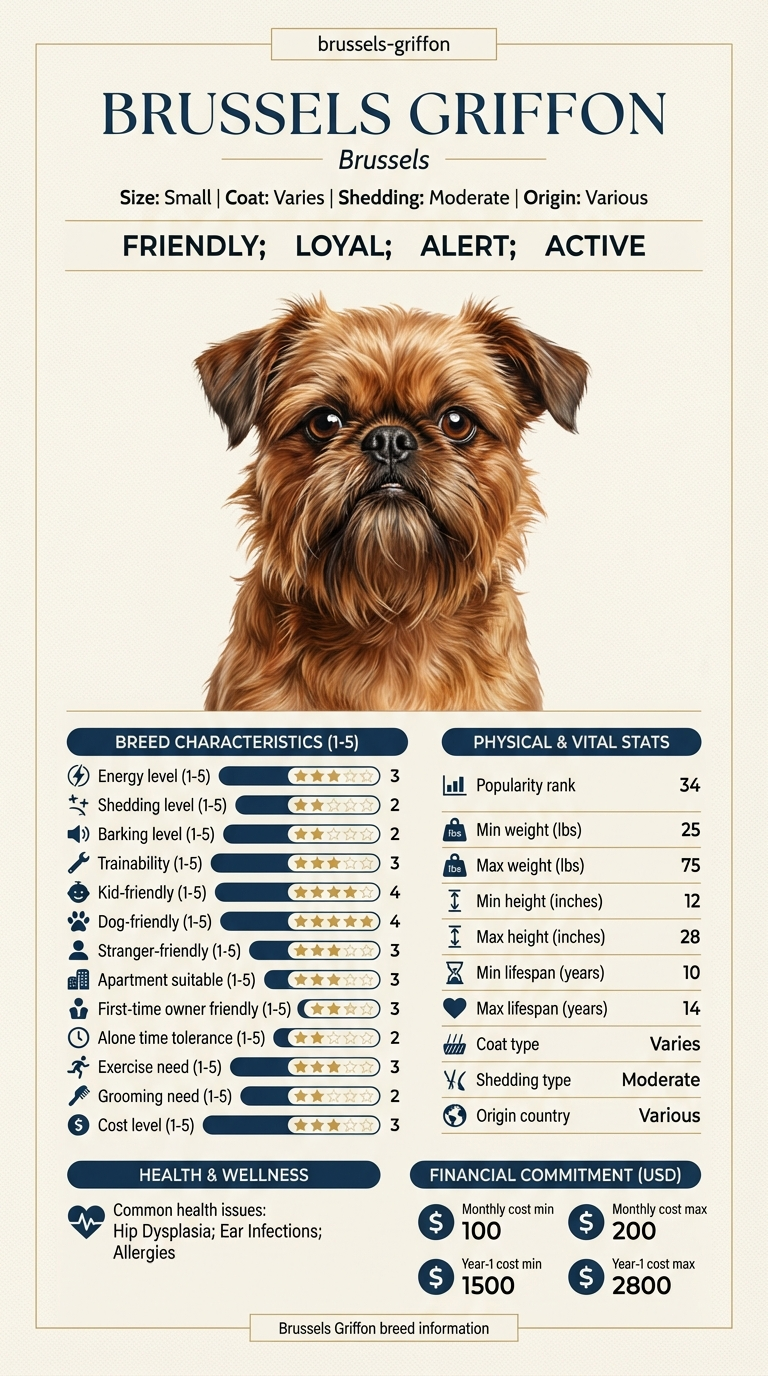
Typically, first-time dog owners or busy families may struggle with these allergic reactions. If you're juggling work, kids, or other responsibilities, figuring out how to manage your Brussels Griffon's allergies can feel overwhelming.
This guide is not medical advice. If your dog shows pain, sudden behavior change, or worsening symptoms, consult a licensed veterinarian.
Some links may be affiliate links. We may earn a commission at no extra cost to you. We only suggest products we believe are helpful for dog owners.
Brussels Griffon allergic reactions can be a daily struggle for both the dog and its owner. These reactions may manifest as itching, skin irritations, or gastrointestinal issues. Common triggers include certain foods, pollen, dust mites, and even household cleaning products.
Allergic reactions are relatively common in Brussels Griffons, with studies showing they have a 276% higher risk compared to other breeds. Many owners report dealing with allergies at some point, making it a significant concern for this breed.
Brussels Griffons can be prone to allergic reactions due to their genetic background. Their sensitive skin and respiratory systems make them more susceptible to allergies from food, pollen, or environmental irritants.
Allergic reactions often arise from their environment. Common triggers include dust mites, mold, certain plants, or even household cleaners. Changes in diet or new products in the home can also provoke these reactions.
If your Brussels Griffon’s allergic reactions are accompanied by behavioral issues, like increased anxiety or aggression, consider consulting a trainer. A professional can help address these behaviors while you manage their allergies.
If your Brussels Griffon shows persistent symptoms like itching, swelling, or gastrointestinal disturbances, it's time to consult a vet. They can provide a proper diagnosis and suggest treatment options, which may include allergy testing or medication.
Most owners see improvement within 4 to 8 weeks with consistent management and training.
Success means your Brussels Griffon experiences fewer allergic reactions and shows signs of comfort in their environment.
Avoiding common pitfalls can significantly improve your Brussels Griffon's allergic reactions. Here are some mistakes to steer clear of.
If your Brussels Griffon shows severe symptoms like difficulty breathing, swelling of the face or throat, or excessive vomiting, these are emergencies. These signs could indicate anaphylactic shock, which is life-threatening and requires immediate medical help. Other alarming symptoms include seizures or unresponsiveness, which also necessitate an urgent trip to the vet.
On the other hand, mild allergic reactions may include localized itching, sneezing, or a slight rash. If your dog is still eating, drinking, and behaving normally, it’s usually safe to monitor their condition. In these cases, keep a close eye on them, and you can often manage mild symptoms with antihistamines recommended by your vet.
To summarize, call your vet right away if your Brussels Griffon experiences severe symptoms. For mild reactions, track your dog's behavior and consult your vet if symptoms persist or worsen.

When Sarah brought home Max, her Brussels Griffon, she quickly noticed he was scratching uncontrollably. After a vet visit, she learned that Max had allergies to certain foods and environmental factors. Determined to help him, Sarah started a strict diet and eliminated potential allergens from her home. With consistent training and patience, Max began to show improvement. Over the next month, his scratching reduced significantly, and he seemed much happier.
Key takeaway: Identifying and managing allergens takes time, but with dedication, you can help your Brussels Griffon thrive.
Brussels Griffons can have allergic reactions due to various triggers like food, pollen, or flea bites. Their sensitive skin may react strongly to these allergens. Consult your vet to identify the specific cause and get a tailored treatment plan.
To manage Brussels Griffon allergic reactions, start by identifying and eliminating allergens from their environment. Regular cleaning, hypoallergenic diets, and medications prescribed by your vet can help reduce symptoms. Consistent grooming can also minimize exposure to allergens.
Common signs include itching, redness, swelling, and digestive issues. You may also notice excessive scratching or licking. If you see these symptoms, it's important to consult your vet for proper diagnosis and treatment.
Yes, Brussels Griffons are known to be prone to allergies from certain foods, environmental factors, and flea bites. Identifying these specific allergens can help manage their allergic reactions effectively. Your vet can assist with allergy testing if necessary.
While training won't eliminate allergic reactions, it can help teach your Brussels Griffon to avoid known allergens. Positive reinforcement strategies can be effective in guiding them away from harmful substances. Consult a trainer for specific techniques.
Brussels Griffons can have allergic reactions due to various factors, including certain foods, environmental allergens like pollen, and even flea bites. Understanding the specific trigger can help you manage their symptoms more effectively.
Common signs of allergic reactions in Brussels Griffons include itching, redness of the skin, swelling, and gastrointestinal issues like vomiting or diarrhea. If you notice these symptoms, it's best to consult your vet for a proper diagnosis.
To minimize allergic reactions, keep your Brussels Griffon away from known allergens, provide a balanced diet, and consider hypoallergenic dog food. Regular grooming can also help reduce exposure to environmental allergens.
Yes, allergic reactions can become more common as Brussels Griffons age. Their immune systems may become more sensitive over time, making it important to monitor for any new signs of allergies and to adjust their care accordingly.
If your Brussels Griffon experiences severe symptoms like difficulty breathing, swelling of the face, or persistent vomiting, seek veterinary care immediately. Even mild symptoms should be discussed with your vet to ensure proper management.
Regular vet check-ups and a hypoallergenic diet can help manage allergic reactions. Keeping your home clean and using air purifiers can also minimize allergens.
Limit outdoor time during high pollen counts and use flea prevention methods. Regular baths with hypoallergenic shampoo can also reduce skin irritants.
Your vet may recommend antihistamines or corticosteroids to relieve symptoms. Always follow their advice on dosage and frequency.
Treatment costs can vary, but expect to spend between $100 to $400 monthly, depending on medication and vet visits. Yearly costs can range from $1,500 to $2,800.


