Behavior
What are quick tips for managing luxating patellas in Brussels Griffons?
Keep your dog at a healthy weight to reduce joint stress. Regular low-impact exercise is essential for maintaining muscle strength around the knees.
Brussels Griffon luxating patellas can cause knee pain and mobility issues. This condition, where the kneecap slips out of place, is not just uncomfortable for your pet; it can affect their overall quality of life.
First-time dog owners and busy families may struggle with recognizing and managing luxating patellas. It’s important for them to understand this condition to ensure their Brussels Griffon stays happy and active.
This guide is not medical advice. If your dog shows pain, sudden behavior change, or worsening symptoms, consult a licensed veterinarian.
Some links may be affiliate links. We may earn a commission at no extra cost to you. We only suggest products we believe are helpful for dog owners.
Brussels Griffon luxating patellas, or knee cap dislocation, is a common issue for this small breed. Owners often notice signs like limping, reluctance to jump, or sudden yelping when their dog moves. These symptoms can occur intermittently, causing frustration for both the dog and the owner.
Luxating patellas are relatively common in Brussels Griffons, with studies suggesting that nearly 20% of these dogs may experience this condition at some point in their lives. Regular vet check-ups can help catch this issue early.
Brussels Griffons can be prone to luxating patellas due to their small size and genetic predisposition. Their knee structure may not develop properly, leading to the dislocation of the kneecap. This issue is often hereditary, meaning it can run in lines of this breed.
In addition to genetics, environmental factors can contribute to luxating patellas. Excessive jumping, rough play, or slippery surfaces may increase the risk of dislocation. Weight management is also crucial, as extra pounds can put additional stress on their joints.
If your Brussels Griffon seems to struggle with certain movements or is reluctant to walk, a professional trainer can help assess their behavior. They can provide tailored exercises and training strategies to improve mobility and comfort.
If you notice signs of pain, limping, or difficulty in standing up, it's time to consult your vet. They can evaluate the severity of the luxating patellas and recommend treatment options, which may include physical therapy or surgery.
With consistent training and care, you can expect noticeable improvements in your Brussels Griffon's behavior within 4 to 8 weeks.
Success means your dog will show less discomfort, have improved mobility, and be able to engage more in daily activities without signs of pain or hesitation.
When dealing with Brussels Griffon luxating patellas, certain common mistakes can exacerbate the problem. Here are some behaviors to avoid, along with safer alternatives.
Recognizing when your Brussels Griffon’s luxating patellas require immediate veterinary attention is crucial. If your dog shows signs of severe pain, is unable to walk, or has a visibly dislocated kneecap, you should call your vet right away. Other red flags include swelling around the knee joint, excessive limping, or if your dog appears to be in distress when you touch their leg.
On the other hand, not every case of luxating patellas demands urgent care. If your Brussels displays mild limping or occasional difficulty in getting up but can still walk and play, it’s wise to monitor the situation. You can create a management plan that includes gentle exercise, weight control, and possibly physical therapy. Keeping a close eye on your dog’s behavior can help determine if the situation worsens and requires intervention.
Emma, a busy nurse in Chicago, adopted Max, her Brussels Griffon, who struggled with luxating patellas. At first, Max would yelp in pain whenever he tried to jump off the couch or run after a ball. After consulting with a vet, Emma learned about targeted exercises and the importance of maintaining a healthy weight. By incorporating short, controlled walks and gentle stretching into their daily routine, Emma noticed a significant change in Max's comfort level. Within two months, he was happily chasing after his favorite toys and jumping off the couch with confidence.
Key takeaway: Regular exercise and proper weight management can greatly improve your Brussels Griffon's comfort and mobility when dealing with luxating patellas.
Luxating patellas occur when the kneecap dislocates from its normal position. This can be due to genetic factors, injury, or malformation of the knee joint. Regular vet check-ups can help catch these issues early. This answer relates to Brussels Griffon luxating patellas.
To manage luxating patellas, ensure your Brussels Griffon maintains a healthy weight to reduce stress on their joints. Engaging in low-impact exercises, like walking or swimming, can help strengthen the muscles around the knee. Consult your vet for tailored advice.
Signs include limping, reluctance to jump or climb stairs, and occasional 'skipping' of the affected leg. If you notice these symptoms, it’s important to visit your vet for an evaluation and treatment options.
In some cases, surgery may be needed to correct luxating patellas, especially if your dog experiences severe pain or mobility issues. Your vet can help determine the best course of action based on your dog's condition.
Positive reinforcement training works well for Brussels Griffons. Focus on gentle commands and avoid strenuous activities that may trigger discomfort. Gradually introduce exercises that promote joint stability.
Common signs include limping, difficulty jumping, or holding one leg up while walking. You may also notice your dog suddenly yelping in pain or having trouble standing after resting. If you see these behaviors, it’s important to consult your vet.
Yes, older Brussels Griffons may experience more severe symptoms due to age-related joint wear. This can lead to chronic pain and mobility issues. Regular vet check-ups are crucial to monitor their condition and adjust treatment as needed.
Not necessarily. While surgery is a common option for severe cases, many dogs benefit from weight management, physical therapy, and joint supplements. Your vet can help you determine the best treatment plan for your Brussels Griffon.
You can create a comfortable space for your dog to rest and limit high-impact activities. Gentle exercises and maintaining a healthy weight can also help. Talk to your vet about safe ways to support your dog's joint health.
Luxating patellas can be caused by genetic factors, trauma, or developmental issues. Breeds like the Brussels Griffon are more prone to this condition due to their physical structure. Understanding the cause can help you manage and prevent further complications.
Keep your dog at a healthy weight to reduce joint stress. Regular low-impact exercise is essential for maintaining muscle strength around the knees.
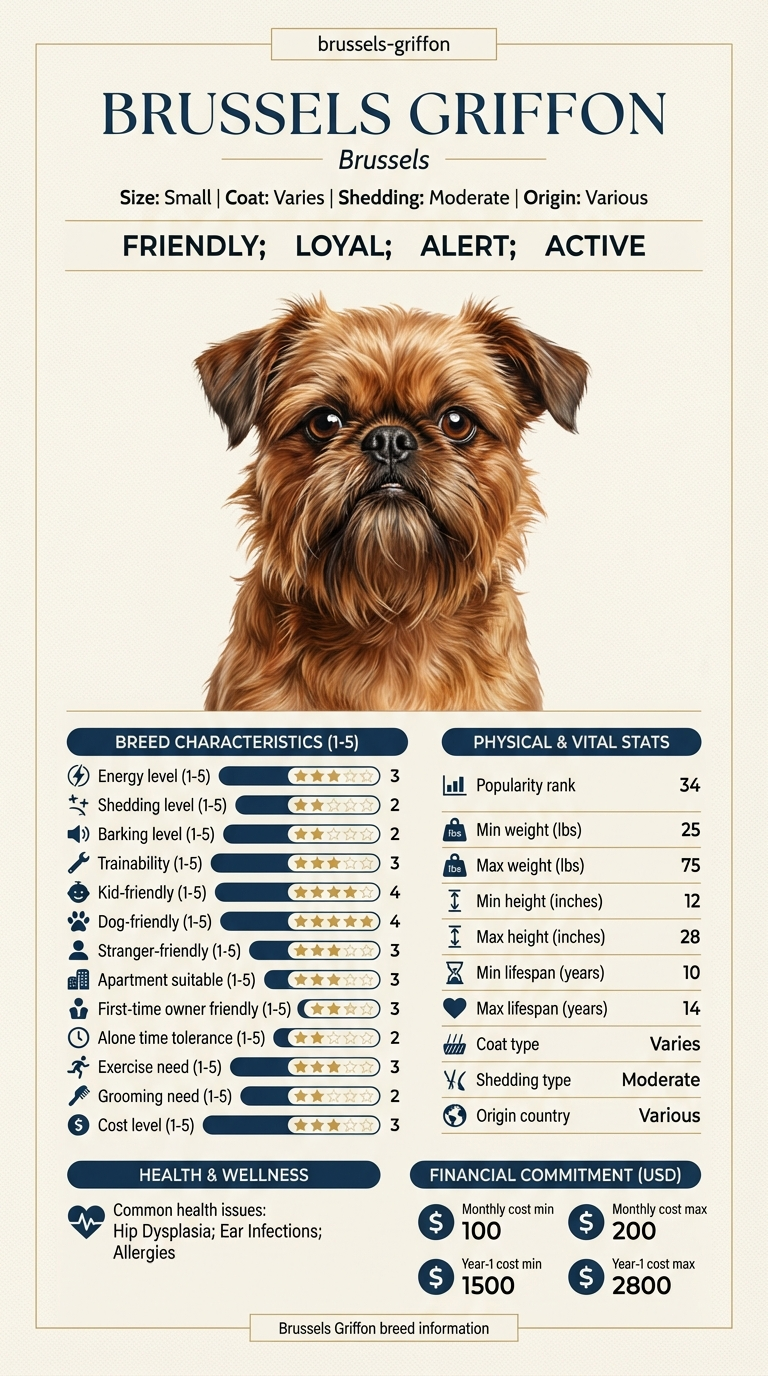
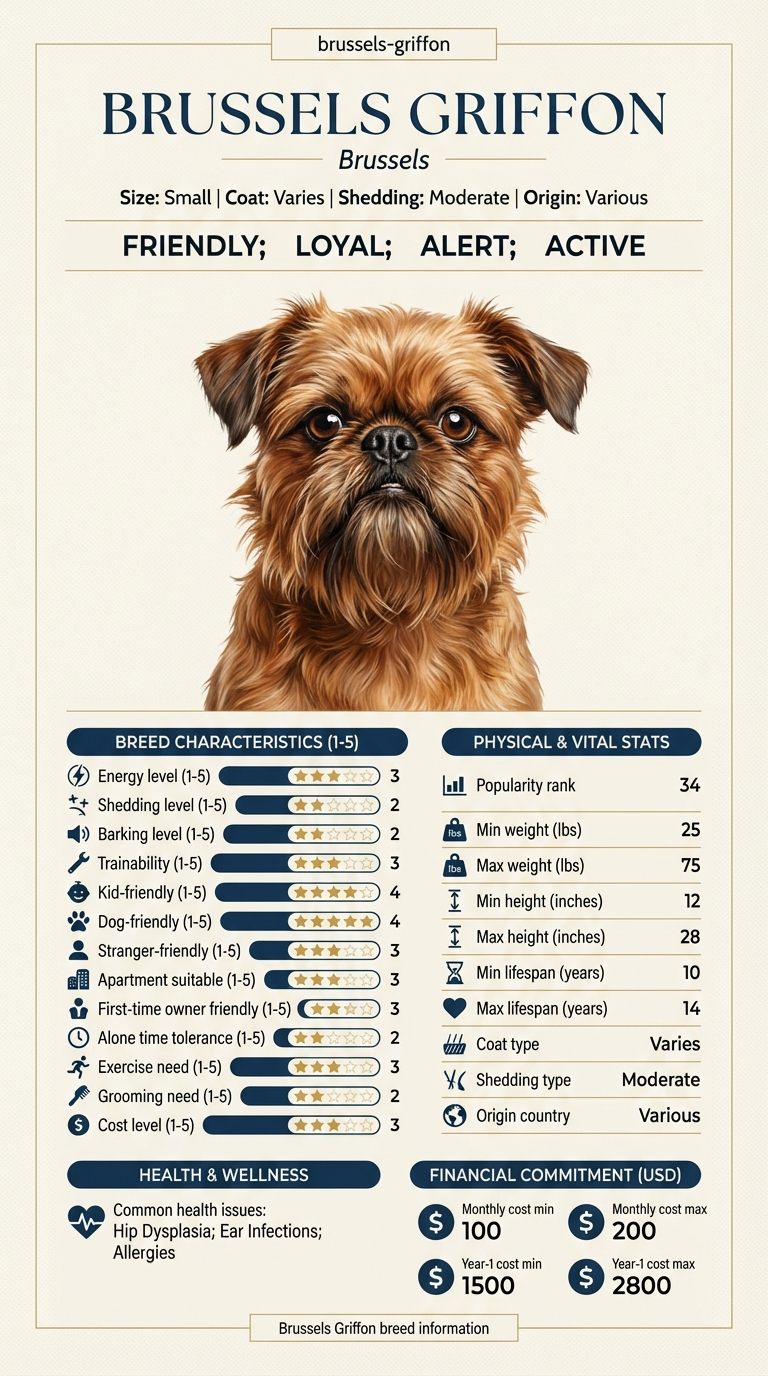
Treatment costs can range from $100 to $200 monthly depending on your dog's needs. Surgery can increase costs significantly, so consult your vet for specifics.
While some factors are genetic, maintaining a healthy weight and providing regular, gentle exercise can help decrease the risk of luxating patellas.