Health
What are Brussels Griffon cataracts quick tips?
Ensure regular vet visits and watch for changes in your dog's vision. A healthy diet can support eye health, but always consult your vet for specific concerns.

Quick answer
What are Brussels Griffon cataracts quick tips?
Ensure regular vet visits and watch for changes in your dog's vision. A healthy diet can support eye health, but always consult your vet for specific concerns.
Cataracts can cloud your Brussels Griffon's eyes, affecting their vision and quality of life. This common issue can lead to more serious problems if not addressed.
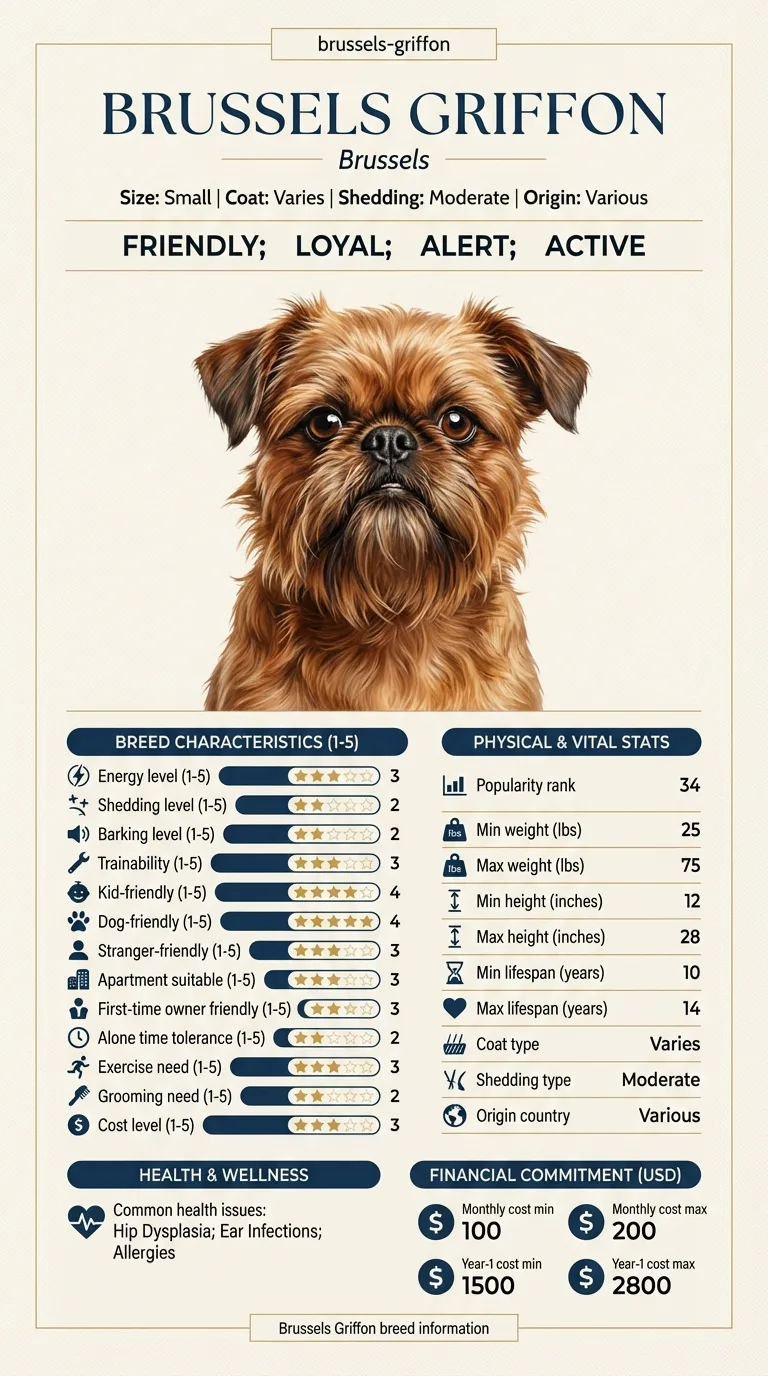
Owners of Brussels Griffons, especially those who notice their dog struggling to see clearly or showing changes in behavior, often face the challenge of managing cataracts.
This guide is not medical advice. If your dog shows pain, sudden behavior change, or worsening symptoms, consult a licensed veterinarian.
Some links may be affiliate links. We may earn a commission at no extra cost to you. We only suggest products we believe are helpful for dog owners.
We research and check what we publish, but we do not warrant that any figure, date, price, or statement is accurate, complete, or current, and we accept no liability for any loss, cost, injury, or other harm arising from the use of this site. Use it as one reference among several. You remain responsible for your own decisions and for your dog's care - confirm anything that matters with a licensed veterinarian or another qualified professional before you act on it. Full disclaimer.
Check this first
If your Brussels Griffon shows any of the following red-flag signs, call your vet immediately: - Sudden loss of vision or difficulty seeing in bright light. - Signs of pain, like squinting, rubbing their eyes, or unusual aggression. - Cloudy or white appearance in one or both eyes that seems to worsen rapidly. These symptoms may indicate severe cataracts or other eye conditions that need urgent care.
On the other hand, if your dog has mild cataracts without pain or significant vision loss, you can monitor them at home. Watch for: - Gradual cloudiness in the eye without noticeable discomfort. - Changes in behavior, like hesitance in jumping or navigating stairs. - Occasional bumps into furniture or walls, but still showing interest in play and walks. In these cases, a vet visit may still be needed, but you can keep a close eye on any changes and plan your next steps accordingly. Regular check-ups are important to track the progress of their condition, and your vet can recommend treatments to help manage the issue.
If any of these apply, call your vet or an emergency clinic now. The rest of this page is for the cases that are not an emergency.
Brussels Griffon cataracts are a common eye issue that can make your furry friend’s world look cloudy. You might notice your dog struggling to see clearly, bumping into things, or having difficulty with stairs. This condition usually develops slowly, often affecting older dogs, but can sometimes occur earlier due to genetics or health issues.
Cataracts are fairly common in Brussels Griffons, especially as they age. It's estimated that around 20-30% of this breed may experience cataracts in their lifetime, making it essential for owners to be vigilant about their dog's eye health.
Brussels Griffons are prone to cataracts due to their genetic makeup. This small breed has a higher likelihood of developing eye issues, including cataracts, as they age. Their unique eye structure can also contribute to this problem, making them more susceptible than some other breeds.
Environmental factors can also play a significant role in the development of cataracts. Exposure to UV light without proper eye protection may lead to cloudiness in the lenses. Additionally, certain health conditions, like diabetes, can exacerbate the risk of cataract formation.
If you notice any changes in your Brussels Griffon's vision or if they seem to struggle with daily activities, consult your vet. It's important to discuss treatment options for cataracts, as early intervention can prevent further complications.
Certain owner behaviors can unintentionally make Brussels Griffon cataracts worse. Here are some common mistakes to avoid.
Start here: Brussels Griffon Most Common Genetic Disorders: Screening
See all Brussels Griffon health problems, which breeds are prone to cataracts, or the full Brussels Griffon breed guide for temperament, exercise needs and ownership costs.
If your Brussels Griffon has cataracts, expect to see gradual changes over several months. Diagnosis and treatment can take a few weeks to a few months, depending on the severity.
Success means your dog can see better and maintain a good quality of life. Regular vet visits and proper treatment should help manage the condition effectively.
Ella, a busy nurse living in Chicago, noticed her Brussels Griffon, Max, bumping into furniture. At first, she thought it was just old age. After visiting the vet, she learned Max had cataracts. With a treatment plan in place, including medication and regular check-ups, Ella saw Max's vision improve. It took about three months, but Max started to navigate the house more confidently. Ella also learned to create a safe space for him, minimizing obstacles and keeping his environment familiar.
Key takeaway: Recognizing the symptoms early and seeking veterinary help made all the difference. With proper care, your Brussels Griffon can adapt and live happily, even with cataracts.
Common signs of cataracts include cloudy or hazy eyes, difficulty seeing in low light, and changes in behavior like bumping into objects. You might also notice your dog is more hesitant to navigate familiar areas.
Look for cloudy or blurry areas in your dog's eyes. If you notice changes in their vision or behavior, such as bumping into objects, it's time for a vet visit.
Treatment may include surgical removal of the cataracts or management of underlying health issues. Your vet can help determine the best course of action.
While some cataracts are hereditary, maintaining a healthy diet and regular vet check-ups can help. Early detection is key to managing potential issues.
Make your home safe by removing obstacles and using consistent commands. Use positive reinforcement to help them feel more comfortable navigating their environment.
Yes, Brussels Griffons can also face issues like glaucoma and progressive retinal atrophy. Regular vet exams are essential for catching these problems early.
Yes, untreated cataracts can progress and lead to blindness. It's crucial to monitor your dog's vision and consult a vet if you notice any signs of worsening eyesight.
Cataracts can develop due to genetic factors, underlying health issues, or even certain medications. If your young Brussels Griffon shows signs of cataracts, it's important to consult a veterinarian for a thorough examination.
Treatment often includes surgical removal of the cataracts, which can restore vision. Your vet will assess your dog's overall health and vision to determine the best course of action.
Creating a safe environment is key. Keep furniture in familiar places, use non-slip mats, and avoid rearranging rooms. Training your dog to respond to verbal cues can also help them navigate better despite their vision changes.
Ensure regular vet visits and watch for changes in your dog's vision. A healthy diet can support eye health, but always consult your vet for specific concerns.
Use clear, consistent commands and encourage them with positive reinforcement. Keeping a familiar layout at home helps them navigate better.
Cataract surgery can cost between $2,000 and $4,000 depending on the clinic and location. Always discuss financing options with your vet.
A one-page prep sheet for this condition: the signs, the questions to ask, what to get priced. Unlocks here.
You get: Vet visit prep sheet
No spam. One-click unsubscribe. See our privacy policy.
Preview page 1 before you decide.