Health
What are quick tips for Brussels Griffon cancer care?
Regular vet visits, a healthy diet, and avoiding stress can help manage cancer risks in Brussels Griffons.

Quick answer
What are quick tips for Brussels Griffon cancer care?
Regular vet visits, a healthy diet, and avoiding stress can help manage cancer risks in Brussels Griffons.
Brussels Griffon cancer is a serious concern for many owners. Knowing the signs and preventative measures can make a big difference.
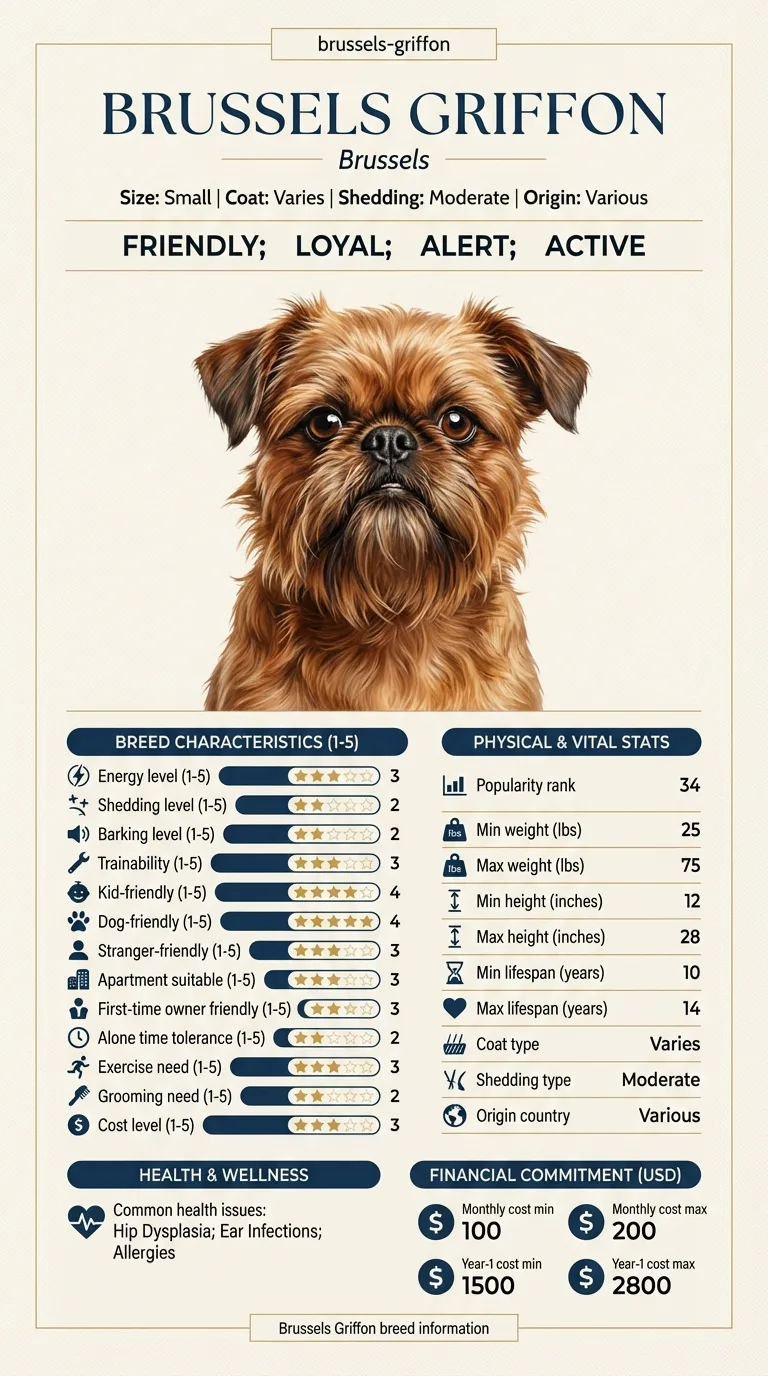
Owners who are new to the breed or those who have older Brussels Griffons may find themselves facing this challenge. It can be particularly tough for families with limited experience in handling serious health problems.
This guide is not medical advice. If your dog shows pain, sudden behavior change, or worsening symptoms, consult a licensed veterinarian.
Some links may be affiliate links. We may earn a commission at no extra cost to you. We only suggest products we believe are helpful for dog owners.
We research and check what we publish, but we do not warrant that any figure, date, price, or statement is accurate, complete, or current, and we accept no liability for any loss, cost, injury, or other harm arising from the use of this site. Use it as one reference among several. You remain responsible for your own decisions and for your dog's care - confirm anything that matters with a licensed veterinarian or another qualified professional before you act on it. Full disclaimer.
Check this first
Understanding when Brussels Griffon cancer becomes an emergency is crucial for your pet's health. There are specific signs that indicate you should call your vet immediately. These red flags include sudden weight loss, persistent vomiting, difficulty breathing, or unusual lethargy. If your Brussels shows any of these symptoms, don't wait. Quick action can make a significant difference in treatment outcomes.
Conversely, there are cases where you can monitor your Brussels Griffon at home. Mild symptoms might include slight changes in appetite, occasional coughing, or minor lumps that don’t seem to grow rapidly. In these situations, keep a close watch on your pet. Consult with your vet about a monitoring plan and schedule regular check-ups to track any changes.
Always trust your instincts as a pet owner. If something feels off about your Brussels, it’s better to err on the side of caution. A timely visit to the vet can provide peace of mind and ensure your furry friend gets the appropriate care they need.
If any of these apply, call your vet or an emergency clinic now. The rest of this page is for the cases that are not an emergency.
Brussels Griffons can be prone to various health issues, with cancer being a significant concern. Day-to-day, you might notice unusual lethargy, loss of appetite, or abnormal growths on their body. These symptoms can be alarming and often signal that it's time to consult a vet.
Cancer is a notable health issue in Brussels Griffons, especially as they age. While not every Brussels will face this challenge, it's essential for owners to be vigilant and proactive about their dog's health.
Brussels Griffons are prone to certain genetic predispositions that can increase their risk of developing cancer. Some inherited traits in this breed make them more susceptible to tumors and other malignancies. Their small size can also contribute to how cancer manifests and progresses in their bodies.
Environmental factors can play a significant role in the health of your Brussels Griffon. Exposure to toxins, poor nutrition, and lack of regular veterinary check-ups can all contribute to a higher risk of cancer. Additionally, stress from an unsuitable living environment may weaken their immune systems, making them more vulnerable.
If you notice unexplained weight loss, lumps, or changes in behavior, consult your vet immediately. These can be signs of cancer or other serious health issues that need prompt attention.
When dealing with Brussels Griffon cancer, certain common mistakes can unintentionally worsen the situation. Here are some behaviors to avoid and healthier alternatives to consider.
Start here: Brussels Griffon Most Common Genetic Disorders: Screening
See all Brussels Griffon health problems, which breeds are prone to cancer, or the full Brussels Griffon breed guide for temperament, exercise needs and ownership costs.
It may take several weeks to months to understand and address health issues related to Brussels Griffon cancer. Regular vet visits and follow-ups will be essential during this time.
Success looks like being able to manage your Brussels Griffon’s health effectively, following a care plan, and possibly seeing improvement in their quality of life. This includes responding well to treatment, maintaining a good appetite, and enjoying playful moments.
When Emily, a busy nurse in Chicago, noticed her Brussels Griffon, Bella, acting unusually lethargic, she immediately took her to the vet. After several tests, they received the difficult diagnosis: cancer. Emily felt overwhelmed but knew she had to act quickly. With her vet's support, she created a treatment plan that included a special diet and regular check-ups. Over months, Emily learned to manage Bella's treatment while keeping her spirits up. They spent more quality time together, focusing on gentle play and relaxation. Although Bella had tough days, she also showed moments of joy, which gave Emily hope.
Key takeaway: The journey of dealing with Brussels Griffon cancer can be tough, but having a solid support system from your vet and staying proactive can make a significant difference.
Brussels Griffons can be prone to cancer due to genetic factors and environmental influences. Regular vet check-ups can help catch early signs. Maintaining a healthy diet and lifestyle can also reduce risks.
Preventing cancer in your Brussels Griffon involves providing a balanced diet, regular exercise, and routine veterinary care. Ensure your dog maintains a healthy weight and limit exposure to harmful substances. Early detection through regular screenings can catch issues before they escalate.
Look for symptoms like unusual lumps, persistent coughing, or changes in appetite. If your Brussels Griffon shows lethargy or difficulty breathing, consult your vet immediately. Early intervention can make a big difference.
Treatment options for cancer in Brussels Griffons may include surgery, chemotherapy, or radiation therapy. The best approach depends on the type and stage of cancer. Always discuss treatment plans thoroughly with your veterinarian.
Stress can weaken your dog's immune system, potentially making them more susceptible to illness, including cancer. Providing a calm environment and regular mental stimulation can help reduce stress. Training and socialization can also improve their emotional well-being.
Yes, a nutritious diet can support your Brussels Griffon's health during cancer treatment. Focus on high-quality, balanced food and consider supplements as recommended by your vet. Proper nutrition can help maintain strength and energy levels.
Yes, some cancer types can be hereditary in Brussels Griffons. If your dog has a family history of certain cancers, it's important to discuss this with your vet to monitor any potential risks.
If your Brussels Griffon is diagnosed with cancer, it's important to explore treatment options with your vet. They may recommend surgery, chemotherapy, or palliative care based on your dog's specific condition and overall health.
Supporting your Brussels Griffon during cancer treatment involves providing a comfortable environment, maintaining a balanced diet, and being attentive to their needs. Regular vet check-ups and following treatment plans can also make a significant difference.
Regular vet visits, a healthy diet, and avoiding stress can help manage cancer risks in Brussels Griffons.
Cancer treatment costs can range from $1,000 to $10,000, depending on the type of treatment required.
Incorporate daily exercise, mental enrichment, and a balanced diet to improve your Brussels Griffon's overall health.
Positive reinforcement training techniques can help alleviate anxiety and improve your Brussels Griffon's confidence.
Separation anxiety and excessive barking are common behavior issues in Brussels Griffons that can be managed with training.
A one-page prep sheet for this condition: the signs, the questions to ask, what to get priced. Unlocks here.
You get: Vet visit prep sheet
No spam. One-click unsubscribe. See our privacy policy.
Preview page 1 before you decide.