Behavior
How to stop Brussels Griffon bloat (gastric dilatation-volvulus/GDV)?
Feed smaller meals throughout the day and avoid vigorous exercise right after eating. This helps reduce the risk of bloat.
Brussels Griffon bloat, also known as gastric dilatation-volvulus (GDV), is a serious health issue that can be life-threatening if not addressed promptly. (Brussels Griffon bloat (gastric dilatation-volvulus/gdv))
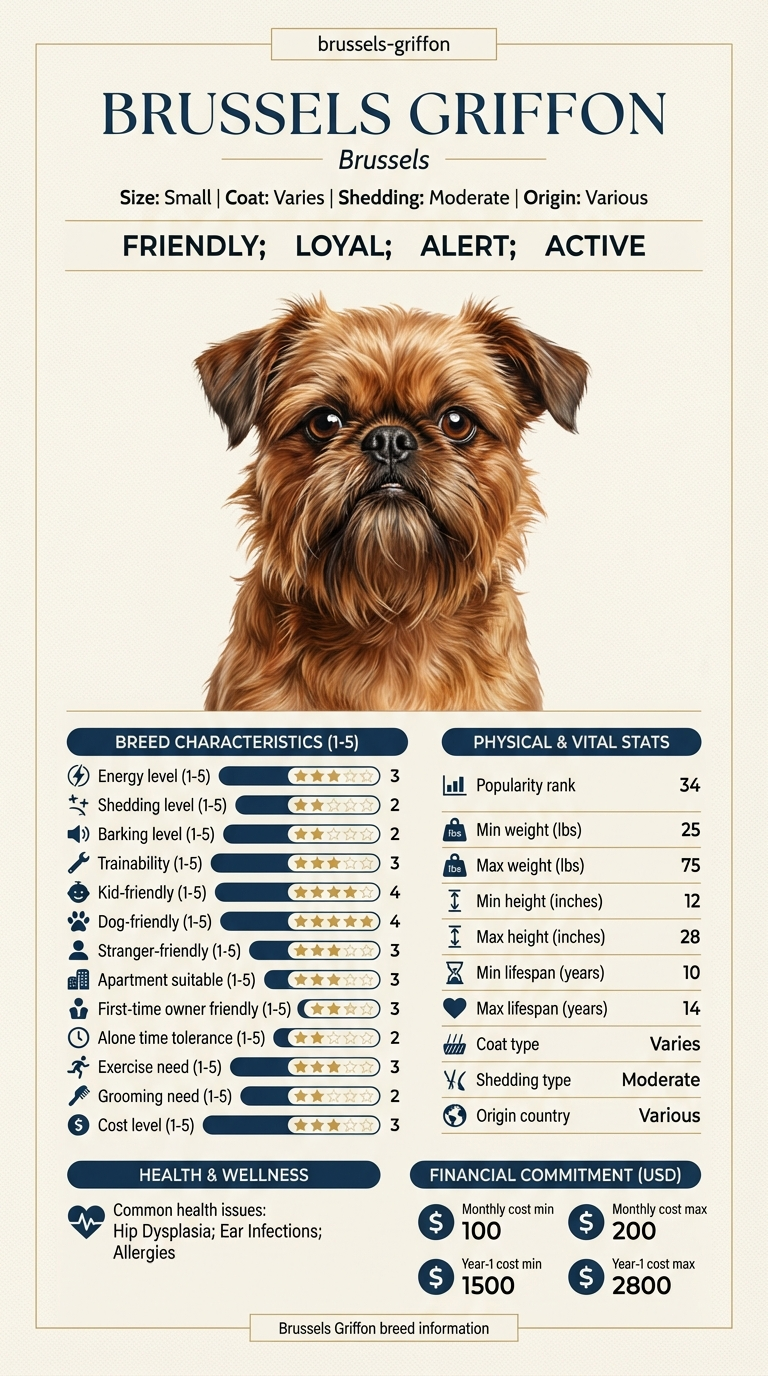
Typically, Brussels Griffon owners who are unaware of the symptoms and risks may face this challenge. This issue can be particularly alarming for first-time dog owners or those living in busy environments where stress can exacerbate health problems.
This guide is not medical advice. If your dog shows pain, sudden behavior change, or worsening symptoms, consult a licensed veterinarian.
Some links may be affiliate links. We may earn a commission at no extra cost to you. We only suggest products we believe are helpful for dog owners.
Brussels Griffon bloat, or gastric dilatation-volvulus (GDV), is a serious condition that can occur suddenly. In everyday life, a Brussels Griffon with bloat may show signs of distress, such as restlessness, pacing, or a swollen abdomen. This condition is life-threatening and requires immediate veterinary attention.
Bloat is relatively common in small breeds like the Brussels Griffon, particularly those that have a history of it in their family. Though it can happen to any dog, it's more prevalent in breeds with deep chests and can occur in approximately 10-20% of affected dogs.
Brussels Griffons are small dogs with a unique body shape that can make them more prone to bloat. Their deep chests can trap gas, leading to a dangerous condition known as gastric dilatation-volvulus (GDV). Additionally, their energetic nature may cause them to gulp air while eating or drinking.
Bloat can be exacerbated by environmental factors such as rapid eating, heavy exercise after meals, or stress. Dogs that eat from elevated bowls may also be at a higher risk. Changes in routine, like traveling or new household members, can heighten anxiety and contribute to bloat.
If your Brussels Griffon shows signs of food aggression or anxiety around feeding times, a professional trainer can help with behavior modification techniques. Training can also help with managing stress levels that may contribute to bloat.
If your dog exhibits any symptoms of bloat, such as a swollen abdomen, excessive drooling, restlessness, or attempts to vomit without success, contact your vet immediately. This condition is life-threatening and requires prompt veterinary care.
You can expect to see improvements in your Brussels Griffon’s eating habits and overall comfort within a few weeks. However, mastering the management of bloat may take several months of consistent training and observation.
Success means your Brussels Griffon can eat comfortably without showing signs of distress. You'll also notice they are more relaxed and less anxious during meal times.
Certain behaviors can unintentionally worsen Brussels Griffon bloat (gastric dilatation-volvulus/GDV). Avoiding these common mistakes can help your dog stay healthier.
Brussels Griffon bloat (gastric dilatation-volvulus/GDV) can be a life-threatening condition. It's crucial to recognize the red-flag signs that mean you need to call your vet immediately. If your Brussels exhibits severe symptoms like a swollen abdomen, unproductive retching, excessive drooling, or signs of distress, don't wait. These can indicate that bloat is occurring, and prompt treatment is essential.
On the other hand, if your dog seems mildly uncomfortable but doesn't show severe symptoms, you can monitor the situation. Look for signs like slight lethargy, mild abdominal discomfort, or occasional burping. In such cases, keep a close watch and have a plan ready to seek veterinary care if symptoms worsen. It's important to remember that waiting too long could have serious consequences.
Always trust your instincts when it comes to your pet's health. If you're unsure, it's better to err on the side of caution and consult your vet.
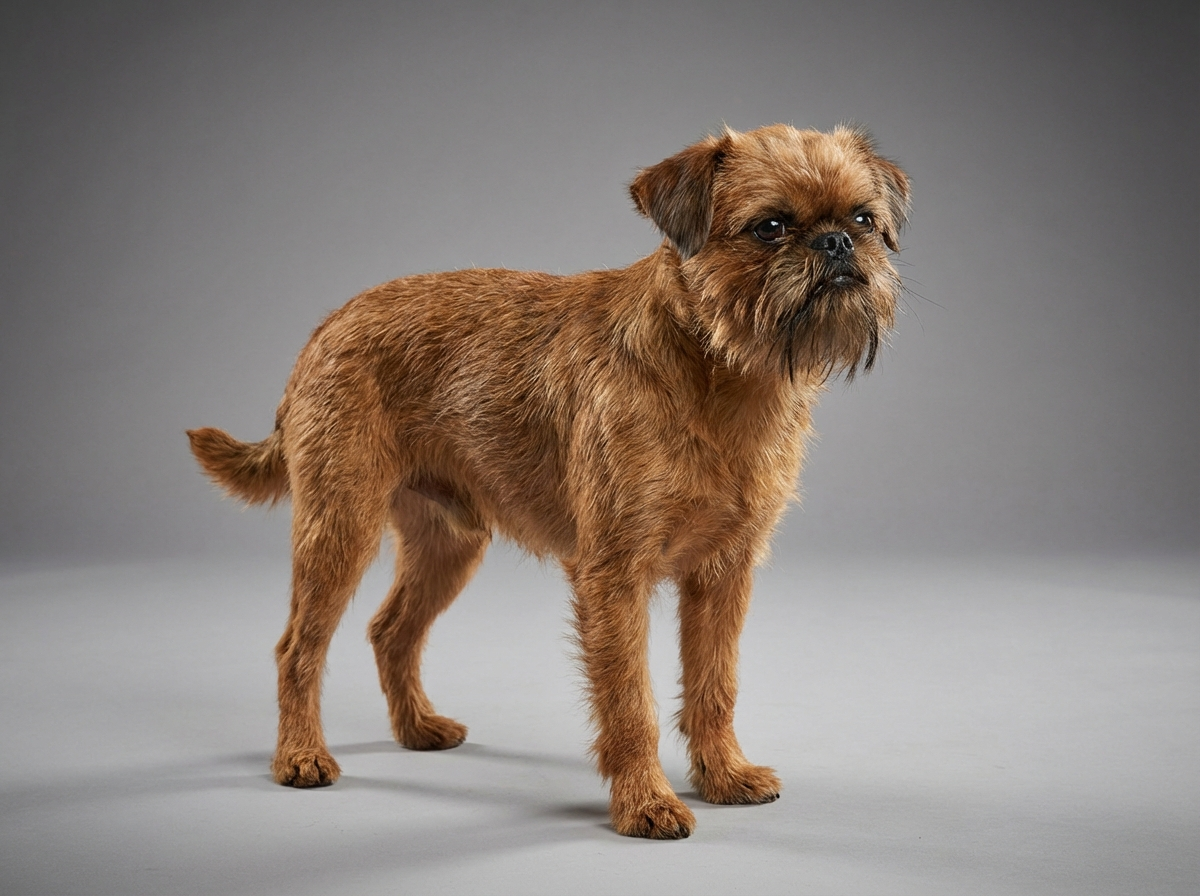
Sarah, a first-time dog owner, adopted Maggie, a spirited Brussels Griffon. Shortly after bringing her home, Sarah noticed Maggie becoming bloated after meals. Worried about the risks of gastric dilatation-volvulus (GDV), she consulted her vet and learned about the importance of slow feeding and smaller meal portions. Sarah invested in a slow feeder bowl and began breaking Maggie's meals into smaller, more frequent portions. Over the next few months, Maggie’s bloat incidents decreased significantly, and she seemed much happier and healthier during meal times.
Key takeaway: Through consistent adjustments to feeding routines and close observation, dog owners can significantly reduce the risk of bloat in their Brussels Griffons.
Brussels Griffon bloat can occur due to various factors including rapid eating, stress, and over-exercising right after meals. It's essential to monitor your dog's eating habits and avoid feeding them large meals in one sitting.
To prevent bloat, feed your Brussels Griffon smaller, more frequent meals throughout the day. Additionally, avoid vigorous activity right after meals and consider using a slow feeder to help them eat at a more controlled pace.
Signs of bloat include a swollen abdomen, restlessness, excessive drooling, and difficulty breathing. If you notice these symptoms, it's crucial to seek veterinary assistance immediately, as bloat can be life-threatening.
Treatment for bloat typically involves emergency surgery to relieve the pressure in the stomach. The cost of treatment can range from $1,500 to $7,500, depending on the severity and the necessary procedures.
Yes, bloat can recur, especially in breeds prone to this condition. After a first occurrence, your vet may recommend preventive measures such as surgical options to reduce the risk of future episodes.
Bloat can occur for various reasons, including eating too quickly or being overly active after meals. It's important to assess your dog's routine and adjust feeding practices to minimize these risks.
If your Brussels Griffon shows signs of bloat, do not wait. Take them to the nearest veterinary clinic immediately, as time is critical for successful treatment.
Signs of bloat in Brussels Griffons include a swollen abdomen, restlessness, excessive drooling, and attempts to vomit without success. If your dog shows these symptoms, it's crucial to get veterinary help immediately.
Yes, older Brussels Griffons may be more susceptible to bloat due to age-related health issues. Regular vet check-ups can help monitor their health and catch any potential problems early.
To prevent bloat, feed your Brussels Griffon smaller meals throughout the day rather than one large meal. Avoid vigorous exercise right after eating, and consider speaking to your vet about dietary options that may reduce the risk.
While there is no definitive proof that bloat is hereditary, certain breeds, including Brussels Griffons, may have a genetic predisposition. It’s important to be aware of your dog’s family health history and consult your vet.
If you notice signs of bloat, such as a swollen belly or distress, take your Brussels Griffon to the vet immediately. Bloat is a medical emergency, and timely intervention can save your dog's life.
Feed smaller meals throughout the day and avoid vigorous exercise right after eating. This helps reduce the risk of bloat.
Use slow feeders, monitor their eating habits, and keep meals small to help prevent bloat.
Take your dog to the veterinarian immediately if you suspect bloat, as it can be life-threatening.
Bloat is a serious condition that can occur in Brussels Griffons, especially if they have a history of eating too quickly.
The treatment for bloat can range from $1,500 to $7,500, depending on the severity and necessary care.


