DogBreedCompass
← Back to breed profile

Understanding Boxer von Willebrand's Disease (vWD1)

Boxer von Willebrand's disease (vWD1) is a genetic bleeding disorder that can affect your dog's health and wellbeing.

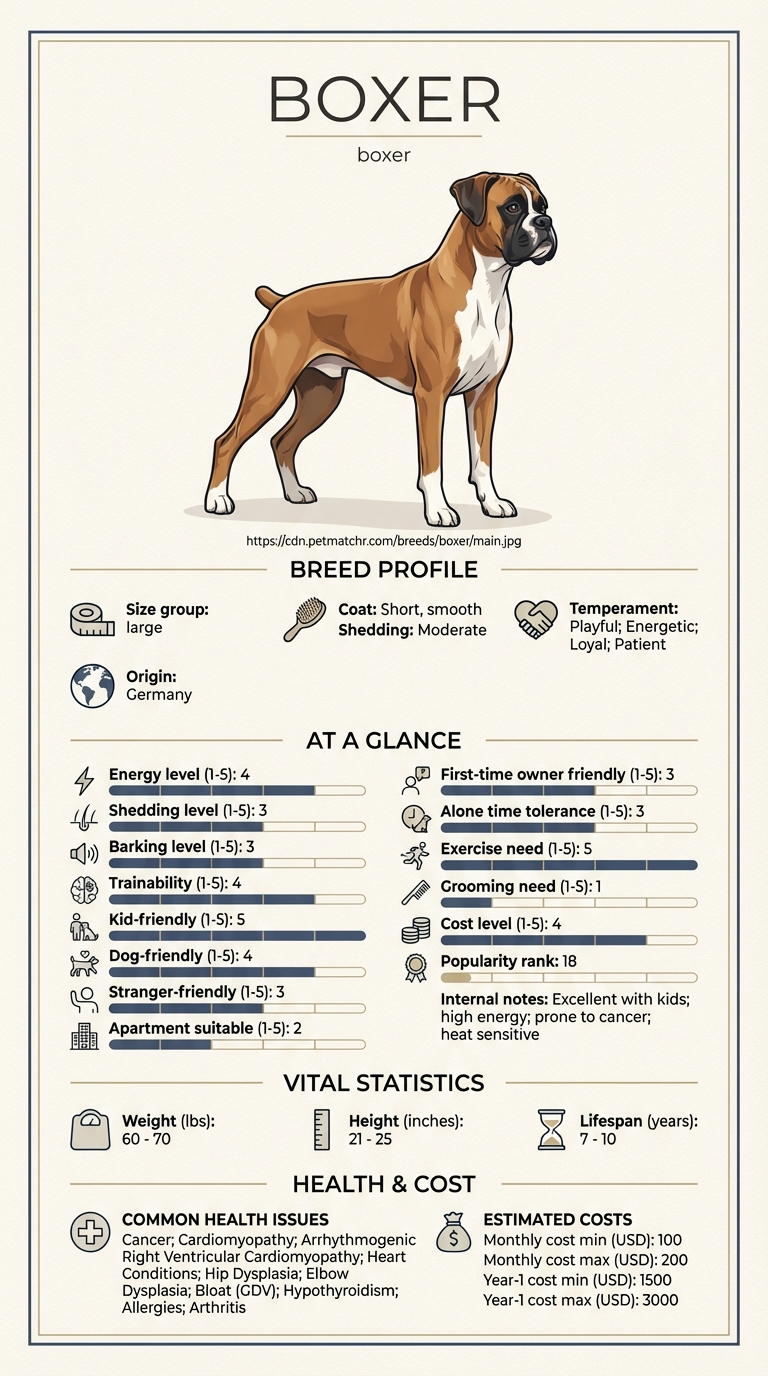
Understanding Boxer von Willebrand's Disease (vWD1) infographic

Owners of Boxers, particularly those who are new to dog ownership or have limited experience with genetic health issues, often struggle with understanding and managing this condition. It can be especially concerning for families with active dogs or those involved in dog sports.

Important reminder

This guide is not medical advice. If your dog shows pain, sudden behavior change, or worsening symptoms, consult a licensed veterinarian.

Some links may be affiliate links. We may earn a commission at no extra cost to you. We only suggest products we believe are helpful for dog owners.

What this problem looks like

Boxer von Willebrand's disease (vWD1) is a genetic bleeding disorder that affects clotting ability. Owners may notice their Boxer has excessive bleeding from minor injuries or prolonged bleeding after surgery. Symptoms can include nosebleeds, bleeding gums, or blood in urine, making day-to-day life stressful for both dog and owner.

Common triggers

  • Injury or trauma
  • Surgical procedures
  • Certain medications that affect clotting

Von Willebrand's disease (vWD1) is relatively common among Boxers, with studies suggesting a significant portion of the breed may carry the gene. This makes it essential for potential owners to be aware and prepared for the implications of this condition.

Why this happens

Breed factors

Boxers are genetically predisposed to von Willebrand's disease (vWD1), a hereditary bleeding disorder. This means that if a Boxer has vWD1, it's likely due to inherited traits from their parents. Understanding this genetic link can help owners anticipate and manage potential health issues.

Environment factors

Environmental factors like stress, injury, or lack of proper nutrition can exacerbate symptoms of vWD1. Additionally, high-energy activities or rough play may lead to injuries that are harder to manage if your dog has a bleeding disorder. Keeping a calm and safe environment is crucial.

What you can try

At-home strategies

  • Create a calm space for your Boxer. Designate a quiet area in your home where they can relax without disturbances.
  • Monitor their activity level. Avoid overly strenuous activities that could lead to injury. Short, gentle walks are better than rough play.
  • Provide a balanced diet. Ensure your dog receives high-quality food that supports their overall health and immune system.
  • Groom regularly to check for any unusual bruising or bleeding. Regularly inspect their skin and gums to catch potential issues early.

When to consider a trainer

If your Boxer shows signs of anxiety or fear due to their condition, a professional trainer can help. Look for one experienced in positive reinforcement techniques, as they can guide your dog toward calmer behavior without stress.

When to talk to your vet

If you notice excessive bleeding, unusual bruising, or if your Boxer seems lethargic, contact your vet immediately. It's crucial to discuss any changes in behavior or health, as they can provide tailored advice and treatment options for managing vWD1.

Realistic expectations

Managing Boxer von Willebrand's disease (vWD1) typically requires ongoing care, with noticeable improvement often seen within a few months of consistent management strategies.

Success means your Boxer experiences fewer bleeding episodes and maintains a good quality of life through regular vet visits, proper diet, and careful monitoring.

Mistakes that make this worse

Avoid these common mistakes when dealing with Boxer von Willebrand's disease (vWD1) to help your dog stay healthy and happy.

  • Ignoring symptoms: Many owners overlook early signs of vWD1, like excessive bleeding or bruising. Always consult a vet if you notice these issues.
  • Skipping regular vet check-ups: Routine check-ups can catch health issues early. Ensure your Boxer gets regular health screenings.
  • Neglecting diet: A poor diet can worsen health issues. Feed your Boxer a balanced diet to support overall health.
  • Overexerting during exercise: Boxers need exercise, but pushing them too hard can increase bleeding risk. Keep activities moderate and consult a vet for proper exercise routines.
  • Not training properly: Confusing commands can stress your dog. Use clear, consistent training that respects their condition.
  • Failing to socialize: Isolating your Boxer due to health concerns can lead to anxiety. Socialize them safely with other dogs to maintain their well-being.
  • Ignoring emotional needs: Stress can exacerbate health problems. Provide a calm, loving environment to support your Boxer's mental health.

When Boxer von Willebrand's Disease (vWD1) is an Emergency

Recognizing when Boxer von Willebrand's Disease (vWD1) is an emergency can save your dog's life. If your Boxer shows any of the following red-flag symptoms, you should call your vet immediately. These include excessive bleeding from any injury, nosebleeds that last longer than a few minutes, or blood in the urine or stool. Additionally, if your dog seems lethargic or has difficulty breathing, don’t wait—seek help right away.

On the other hand, there are milder symptoms of vWD1 that can be monitored at home. If your Boxer has had a small cut that bleeds slightly but stops quickly, or if they show occasional bruising without other symptoms, you can watch and wait. Keeping an eye on their behavior and overall health is crucial. Make sure to keep a record of any unusual occurrences to discuss with your vet during your next visit.

Understanding Boxer von Willebrand's Disease (vWD1) - When Boxer von Willebrand's Disease (vWD1) is an Emergency

Finding Balance with Bella

When Sarah adopted Bella, her energetic Boxer, she quickly learned about her diagnosis of von Willebrand's disease (vWD1). Initially overwhelmed, Sarah consulted a vet and started a tailored care plan that included regular check-ups and a specialized diet. With time and dedication, Bella's health improved, allowing her to enjoy her favorite activities without frequent bleeding episodes.

Key takeaway: With proper management and veterinary support, owning a Boxer with vWD1 can still be a joyful experience.
Frequently asked questions

Why does my Boxer have von Willebrand's disease (vWD1)?

Boxers can inherit von Willebrand's disease (vWD1) due to a genetic mutation. This bleeding disorder affects their ability to clot blood effectively. If your Boxer shows symptoms, consult a veterinarian for testing and guidance.

What are the symptoms of Boxer's von Willebrand's disease (vWD1)?

Symptoms of vWD1 in Boxers can include excessive bleeding from minor cuts, nosebleeds, or bleeding gums. You may also notice prolonged bleeding after surgery or injury. If you observe these signs, seek veterinary attention.

How to stop Boxer von Willebrand's disease (vWD1) from worsening?

While vWD1 cannot be cured, you can manage the condition by avoiding situations that may cause bleeding. Regular veterinary check-ups and monitoring your dog's health are essential. Your vet might recommend specific treatments to manage symptoms.

Can Boxers with von Willebrand's disease (vWD1) live a normal life?

Yes, Boxers with vWD1 can live a normal life with proper care. It's important to avoid high-risk activities and keep them monitored. Regular vet visits will help manage their health effectively.

Is training important for Boxers with von Willebrand's disease (vWD1)?

Training is crucial for all Boxers, but especially for those with vWD1. Teaching them commands can help prevent accidents that might lead to bleeding. Focus on positive reinforcement techniques to keep training enjoyable.

What are the signs of von Willebrand's disease (vWD1) in Boxers?

Signs of von Willebrand's disease in Boxers can include excessive bleeding after injuries, nosebleeds, or prolonged bleeding after surgery. You might also notice unusual bruising or blood in the urine. If you observe these symptoms, it's essential to consult a vet for proper diagnosis.

Can older Boxers develop von Willebrand's disease (vWD1)?

Von Willebrand's disease is a genetic condition, typically present from birth, but symptoms may not appear until later in life. Older Boxers may show signs as their body changes, so monitoring them for any unusual bleeding is crucial. If you have an older Boxer, regular vet check-ups are important.

How can I help my Boxer manage von Willebrand's disease (vWD1)?

Managing a Boxer with von Willebrand's disease involves regular veterinary care and keeping their environment safe to prevent injuries. Training your dog to avoid risky situations is also beneficial. Discuss with your vet about any specific care strategies tailored for your Boxer.

Is there a specific diet for Boxers with von Willebrand's disease (vWD1)?

While there is no specific diet for Boxers with von Willebrand's disease, a balanced diet rich in nutrients can help support their overall health. Consult with your vet for dietary recommendations that suit your dog's individual health needs and conditions.

What should I do if my Boxer experiences a bleeding episode?

If your Boxer has a bleeding episode, remain calm and apply gentle pressure to the area to stop the bleeding. Avoid giving any medications without consulting your vet first. It's crucial to contact your veterinarian immediately to assess the situation and take further action.

Quick answers

View more answers
Behavior

What are quick tips for managing Boxer von Willebrand's disease (vWD1)?

Manage your Boxer's vWD1 by scheduling regular vet visits, avoiding high-impact activities, and ensuring they wear a muzzle if they may bite. Keeping their environment safe can significantly reduce bleeding risks.

Health

How often should a Boxer with von Willebrand's disease (vWD1) see the vet?

A Boxer with vWD1 should see the vet at least twice a year. Regular check-ups will help monitor their condition and adjust care as needed.

Health

What should I do if my Boxer starts bleeding?

If your Boxer starts bleeding, apply gentle pressure to the wound and seek veterinary help immediately. Quick action can be crucial in managing their condition.

Training

Are there specific training techniques for Boxers with vWD1?

Yes, use positive reinforcement methods to train your Boxer, focusing on commands that keep them safe. Avoid overly rough play that could lead to injuries.

Related DogBreedCompass guides

Related guides