Behavior
What are quick tips for managing Boxer luxating patellas?
Ensure your Boxer maintains a healthy weight and avoid high-impact activities. Regular vet check-ups are key for monitoring any changes in their condition.
Quick answer
What are quick tips for managing Boxer luxating patellas?
Ensure your Boxer maintains a healthy weight and avoid high-impact activities. Regular vet check-ups are key for monitoring any changes in their condition.
Boxer luxating patellas can be a frustrating issue for dog owners. This condition involves the dislocation of the knee cap, which can affect your dog's mobility and comfort.

Typically, owners of Boxers may struggle with luxating patellas if their dog shows signs of limping, reluctance to exercise, or discomfort when moving. First-time dog owners or those new to Boxers may find this particularly challenging.
This guide is not medical advice. If your dog shows pain, sudden behavior change, or worsening symptoms, consult a licensed veterinarian.
Some links may be affiliate links. We may earn a commission at no extra cost to you. We only suggest products we believe are helpful for dog owners.
Boxer luxating patellas, or knee cap dislocation, is a common issue that affects many Boxers. It can cause pain and difficulty in walking, as the kneecap slips out of its normal position. This problem is often noticeable when your Boxer struggles to stand up or suddenly lifts a leg while walking.
Luxating patellas are fairly common in Boxers, especially as they age. Many owners notice symptoms in their dogs during their first few years, but it can develop later due to wear and tear.
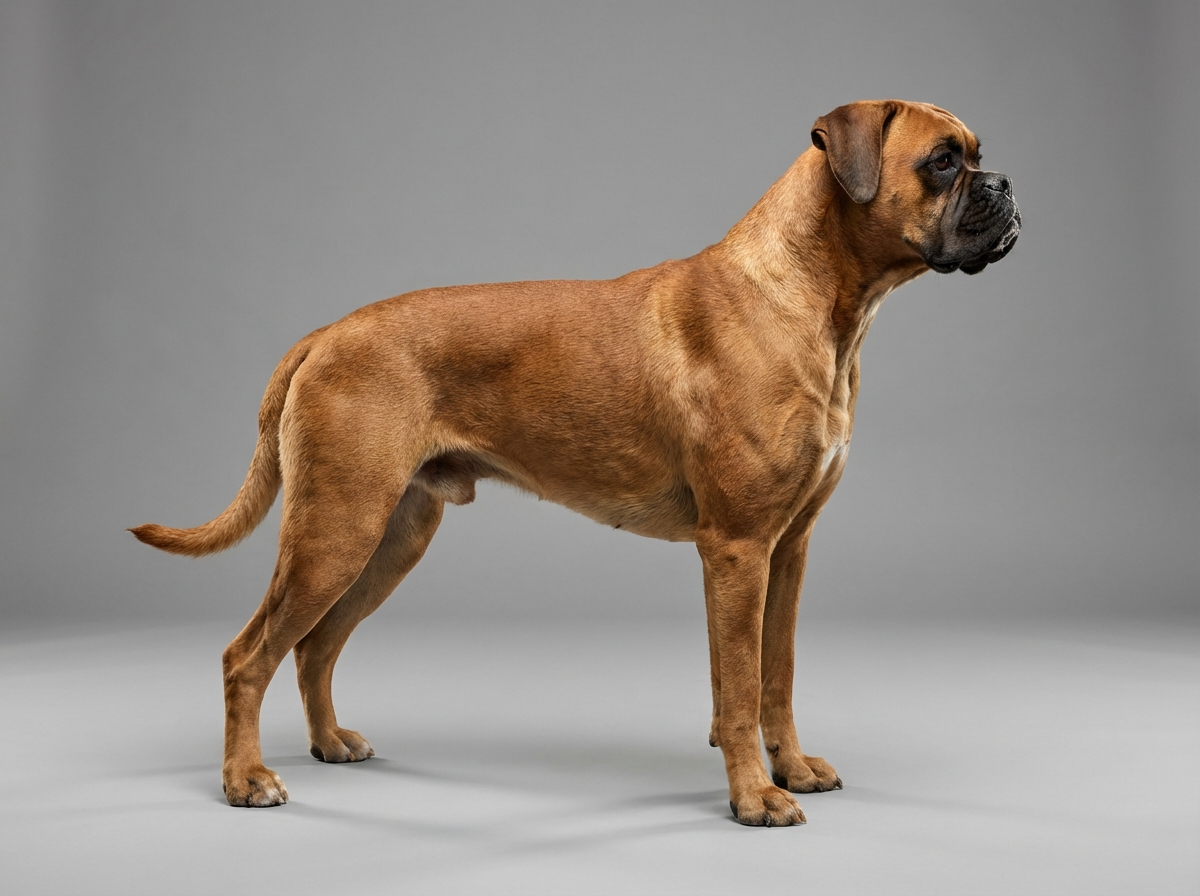
Boxers are a large breed, and their structure can predispose them to luxating patellas. This means their knee caps can slip out of place due to their anatomy. Additionally, some Boxers might inherit this issue, as it can be a common genetic condition in the breed.
Environmental factors such as excessive jumping, rough play, and uneven surfaces can worsen luxating patellas. Lack of proper exercise can also lead to muscle weakness, making it harder for the knee cap to stay in place. Weight gain or obesity can further increase pressure on their joints.
If your Boxer shows persistent signs of discomfort or pain, or if they are unable to follow your commands, consider consulting a professional dog trainer. They can help tailor a training plan that encourages safe movement without risking injury.
Consult your vet if your Boxer frequently experiences knee dislocations or shows signs of pain, like limping or reluctance to move. Early intervention can help manage the condition and prevent further complications.
Start here: Boxer Most Common Genetic Disorders: What to Screen For
See all Boxer health problems, which breeds are prone to luxating patellas, or the full Boxer breed guide for temperament, exercise needs and ownership costs.
Most owners see improvement in their Boxer's luxating patellas within 2 to 6 months of consistent training and care.
Success looks like your Boxer showing improved mobility and less discomfort. They should be able to walk, run, and play without frequent knee issues.
Avoid these common mistakes that can worsen your Boxer's luxating patellas. Understanding and correcting these behaviors can help your dog feel more comfortable and improve their condition.
When dealing with Boxer luxating patellas, it's important to know the difference between an emergency and a situation that can be monitored. Red flags include your dog showing severe pain, inability to put weight on the affected leg, or if the knee cap is visibly displaced. If your Boxer is limping excessively or whining in pain, call your vet immediately.
On the other hand, if your Boxer occasionally shows minor limping or seems to have a slightly dislocated knee cap but is still able to walk and play, you can monitor the situation at home. Keeping an eye on their behavior and limiting high-impact activities can help manage these mild cases. It's crucial to develop a plan with your vet for ongoing care, especially if your Boxer has a history of this issue.
In summary, if your Boxer is in severe distress or unable to move normally, it’s best to seek veterinary help right away. For minor cases, you can watch and wait, but always stay in touch with your vet for advice.

Jake, a busy nurse in Chicago, adopted Bella, a lively Boxer. Shortly after bringing her home, he noticed she would sometimes limp or yelp when playing. After researching, Jake discovered she had luxating patellas, a common issue in Boxers. He consulted a vet who suggested a combination of physical therapy and specific training exercises. Jake committed to daily exercises and even attended a local dog training class. Over six months, Bella's condition improved significantly. She was more active and seemed much happier.
Key takeaway: With patience and the right approach, you can manage your Boxer's luxating patellas effectively. Consistent training and care can lead to noticeable improvements.
Luxating patellas can occur due to genetics, injury, or developmental issues in the knee joint. Boxers are particularly prone to this condition due to their unique skeletal structure. Regular vet check-ups can help catch these problems early.
To manage luxating patellas in Boxers, start with a visit to your vet for a proper diagnosis. They may recommend weight management, specific exercises, or even surgery in severe cases. Consistent training and gentle movement can help strengthen the knee.
Training should focus on low-impact exercises like swimming or controlled leash walks. Avoid activities that put excessive stress on the knees, such as jumping or running on hard surfaces. Positive reinforcement will help your Boxer engage in these healthier activities.
Watch for signs like limping, reluctance to jump, or sudden changes in behavior. If your Boxer seems to be in pain or favors one leg, it’s crucial to consult your vet immediately. Early intervention can make a big difference.
If left untreated, luxating patellas can lead to arthritis and chronic pain in your Boxer. Regular vet visits and following a treatment plan can help manage these risks. Keeping your Boxer active and healthy is important for their long-term well-being.
Luxating patellas in Boxers can be caused by a combination of genetic factors and the structure of the knee joint. This condition is more common in certain breeds due to their physical traits, and it can develop as they grow or from injuries.
Look for signs like limping, reluctance to play or jump, or abnormal leg positions. If your Boxer seems to be in pain or avoids using one of its back legs, it's best to consult your vet for an accurate diagnosis.
Yes, older Boxers can develop luxating patellas, especially if they have a history of joint issues. As they age, the wear and tear on their knees can exacerbate this condition, making it important to monitor their mobility.
Treatment options vary depending on the severity of the issue. Mild cases may only need rest and physical therapy, while severe cases might require surgery. Always consult your vet to determine the best approach for your Boxer.
Yes, if left untreated, luxating patellas can result in chronic pain, arthritis, or further joint damage. Early intervention is key to preventing these complications and ensuring your Boxer stays active and happy.
Ensure your Boxer maintains a healthy weight and avoid high-impact activities. Regular vet check-ups are key for monitoring any changes in their condition.
Yes, focus on gentle, low-impact exercises to strengthen their legs without causing strain. Swimming is a great option!
Treatment costs can vary widely, typically ranging from $1,500 to $3,000 depending on severity and required procedures.
Yes, Boxers can also face issues like hip dysplasia and heart conditions, so regular vet visits are important.
If your Boxer shows signs of pain, consult your vet right away to determine the best course of action.