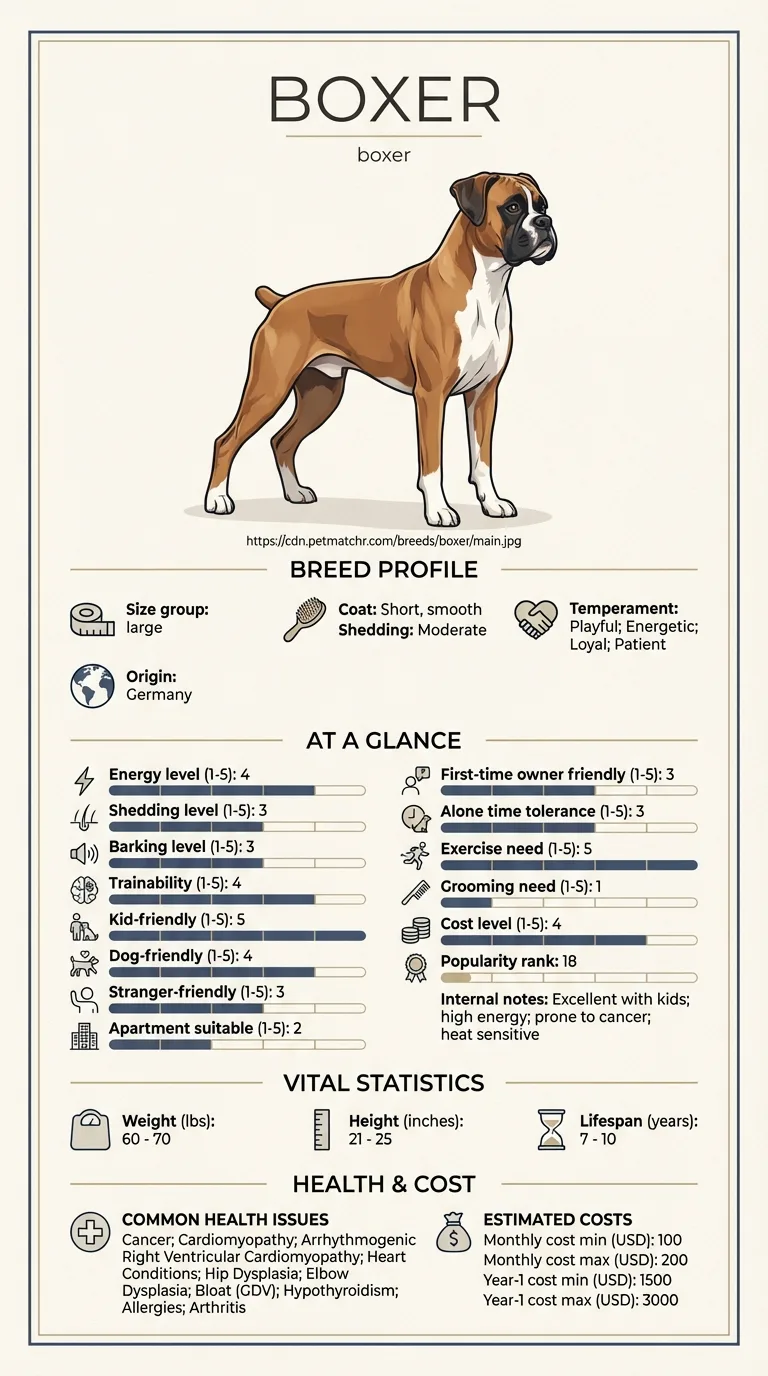
Boxer Chondrodystrophy (cddy): What You Need to Know
Boxer chondrodystrophy (cddy) is a serious developmental disorder that affects bone growth in Boxers. Understanding this condition is crucial for ensuring your dog's well-being.
Typically, first-time Boxer owners, busy families, or individuals who may not be aware of breed-specific health concerns often struggle with managing this condition. They may find it challenging to navigate training and care strategies for their affected dogs.
Important reminder
This guide is not medical advice. If your dog shows pain, sudden behavior change, or worsening symptoms, consult a licensed veterinarian.
Some links may be affiliate links. We may earn a commission at no extra cost to you. We only suggest products we believe are helpful for dog owners.
What this problem looks like
Boxer chondrodystrophy (cddy) is a developmental disorder that affects bone growth in Boxers. This issue manifests in various ways, such as shorter stature and potential joint problems. Daily life can be challenging for affected dogs, as they may experience pain or limited mobility, impacting their energy and playfulness.
Common triggers
Genetic predisposition
Rapid growth phases
Inadequate nutrition
Chondrodystrophy is relatively common in Boxers, particularly in certain bloodlines. While not every Boxer will face this issue, awareness and early detection can significantly improve management and quality of life.
Why this happens
Breed factors
Boxers are prone to chondrodystrophy (cddy) due to their genetic makeup. This condition affects their bone development, leading to shorter, more curved limbs. It is essential to understand that some Boxers may inherit this disorder from their parents.
Environment factors
Environmental factors can also contribute to the severity of cddy. Poor nutrition during growth stages may worsen bone development issues. Additionally, lack of exercise can lead to muscle weakness, making the condition more pronounced.
What you can try
At-home strategies
Provide a balanced diet rich in calcium and vitamins to support healthy bone growth.
Engage in regular, low-impact exercise to strengthen your Boxer’s muscles without stressing their joints.
Consider using joint supplements that contain glucosamine and chondroitin to promote joint health.
Create a comfortable resting space with supportive bedding to help alleviate discomfort.
When to consider a trainer
If your Boxer shows difficulty in training or exhibits behavioral issues related to cddy, consider consulting a professional trainer. They can provide tailored strategies that accommodate your dog's specific needs and limitations.
When to talk to your vet
If you notice signs of pain, limping, or changes in activity levels, it’s time to talk to your vet. They can assess your Boxer’s condition and recommend treatments or therapies that can help manage cddy effectively.
Realistic expectations
Improvement may take 2 to 6 months with consistent training and care.
Your Boxer shows better mobility and reduced discomfort, allowing for more active play and a happy demeanor.
Mistakes that make this worse
Avoiding certain common mistakes can significantly help manage Boxer chondrodystrophy (cddy). Here are some behaviors to watch out for, along with safer alternatives.
Skipping Regular Vet Check-ups: Neglecting routine veterinary visits can delay necessary treatments. Schedule regular check-ups to monitor your Boxer’s health.
Ignoring Symptoms: Dismissing signs of pain or discomfort can worsen the condition. Always address any unusual behavior or symptoms with your vet promptly.
Over-exercising: While Boxers are energetic, excessive exercise can strain their joints. Opt for shorter, more frequent walks instead of one long session.
Improper Diet: Feeding low-quality food can lead to obesity, worsening cddy symptoms. Choose high-quality, vet-recommended dog food tailored for Boxers.
Inconsistent Training: Inconsistent commands or training methods can confuse your Boxer. Use positive reinforcement consistently to encourage good behavior.
Neglecting Joint Support: Not providing joint supplements can lead to increased discomfort. Consider discussing appropriate joint support options with your vet.
Forgetting Mental Stimulation: Focusing only on physical exercise can lead to boredom and behavioral issues. Engage your Boxer with puzzle toys and training exercises to keep their mind sharp.
When Boxer Chondrodystrophy (CDDY) is an Emergency
Red-flag signs that mean you should call your vet now include severe pain, inability to move a limb, sudden swelling, or difficulty breathing. If your Boxer is showing these symptoms, don’t wait—seek veterinary care right away.
On the other hand, mild cases of CDDY can often be managed at home with observation. If your dog shows slight limping, occasional discomfort, or minor mobility issues, you can monitor these symptoms. Keeping track of any changes and implementing a gentle exercise routine may help.
In summary, always err on the side of caution. If you’re unsure about your Boxer’s condition, it’s better to consult a veterinarian. Your dog's health is paramount, and timely action can make all the difference.

Boxer Chondrodystrophy (cddy): What You Need to Know - When Boxer Chondrodystrophy (CDDY) is an Emergency
How Lisa Helped Max with Chondrodystrophy
Lisa, a first-time Boxer owner, noticed her dog Max struggled to keep up during their daily walks. After doing some research, she learned about Boxer chondrodystrophy (cddy) and its impact on mobility. Determined to help Max, Lisa worked with a vet to create a tailored exercise plan, focusing on low-impact activities. She also incorporated gentle stretches and monitored Max's weight to reduce stress on his joints. Over several months, Lisa gradually saw Max become more active and playful, enjoying longer walks and outdoor adventures.
Key takeaway: With patience and the right approach, you can significantly improve your Boxer's quality of life despite challenges like chondrodystrophy.
Frequently asked questions
What is Boxer chondrodystrophy (cddy)?
Boxer chondrodystrophy (cddy) is a developmental disorder that affects the bone growth in Boxers. It leads to abnormal skeletal development, which can cause mobility issues and discomfort. If you notice your Boxer having trouble moving or showing pain, it's essential to consult a vet.
Why does my Boxer have chondrodystrophy (cddy)?
Boxer chondrodystrophy (cddy) is often genetic, meaning it can be inherited from the parents. It's crucial to choose a reputable breeder who screens for this condition to reduce the risk. Regular vet check-ups can help monitor your dog's bone health.
How can I manage my Boxer's chondrodystrophy (cddy)?
Managing Boxer chondrodystrophy (cddy) often involves a combination of medication, weight management, and low-impact exercise. Consult your vet for a tailored plan that keeps your dog comfortable and healthy. Regular physical therapy can also support mobility.
What are the signs of chondrodystrophy (cddy) in Boxers?
Signs of chondrodystrophy (cddy) in Boxers include difficulty walking, limping, or reluctance to play. You might also notice unusual skeletal shapes or shorter limbs. If your Boxer shows these symptoms, it's crucial to get a vet's evaluation.
Can training help with Boxer chondrodystrophy (cddy)?
While training won't cure Boxer chondrodystrophy (cddy), it can help improve your dog's quality of life. Focus on gentle training methods that encourage movement without putting stress on the bones. Positive reinforcement can make training enjoyable for your Boxer.
What should I do if my Boxer shows signs of chondrodystrophy (cddy)?
If you notice your Boxer limping, having difficulty with movement, or showing pain, it's important to consult a vet. They can diagnose the condition and recommend treatment options. Early intervention can help manage symptoms and improve your dog's quality of life.
Is chondrodystrophy (cddy) hereditary in Boxers?
Yes, chondrodystrophy (cddy) can be hereditary in Boxers. If you have concerns about your dog's lineage, consider speaking with the breeder or a vet. Responsible breeding practices can help reduce the risk of passing on genetic conditions.
Can older Boxers develop chondrodystrophy (cddy)?
Chondrodystrophy (cddy) typically occurs in younger dogs, but older Boxers may experience related joint issues. If your older Boxer is showing signs of discomfort, a vet visit is essential to evaluate their overall health and treat any conditions that arise.
How can I help my Boxer with chondrodystrophy (cddy) manage pain?
You can assist your Boxer by providing a comfortable place to rest and minimizing strenuous activities. Consult your vet for pain management strategies, which may include medication or physical therapy. Regular check-ups are crucial to monitor their condition.
What are some training tips for a Boxer with chondrodystrophy (cddy)?
Training a Boxer with chondrodystrophy (cddy) should focus on gentle, low-impact activities. Use positive reinforcement techniques to encourage good behavior. Avoid high jumps or intense play sessions to prevent strain on their joints.
What are quick tips for Boxer chondrodystrophy (cddy)?
Keep your Boxer at a healthy weight to reduce strain on their bones. Incorporate gentle exercises like swimming to maintain mobility without excessive impact. Regular vet visits are essential for monitoring their condition.
Health
How can I help my Boxer with bone pain?
Consult your vet for pain management options, including medications or supplements. Providing a soft bed and avoiding slippery floors can help reduce discomfort. Gentle massages might also soothe sore muscles.
Living
Is chondrodystrophy (cddy) common in Boxers?
Yes, chondrodystrophy (cddy) is a known issue in Boxers due to their genetic predisposition. Responsible breeding practices can help minimize its occurrence. Regular health screenings are vital for early detection.