DogBreedCompass
← Back to breed profile

Boxer Brachycephalic Obstructive Airway Syndrome (BOAS)

Boxer brachycephalic obstructive airway syndrome (BOAS) can lead to serious breathing difficulties.

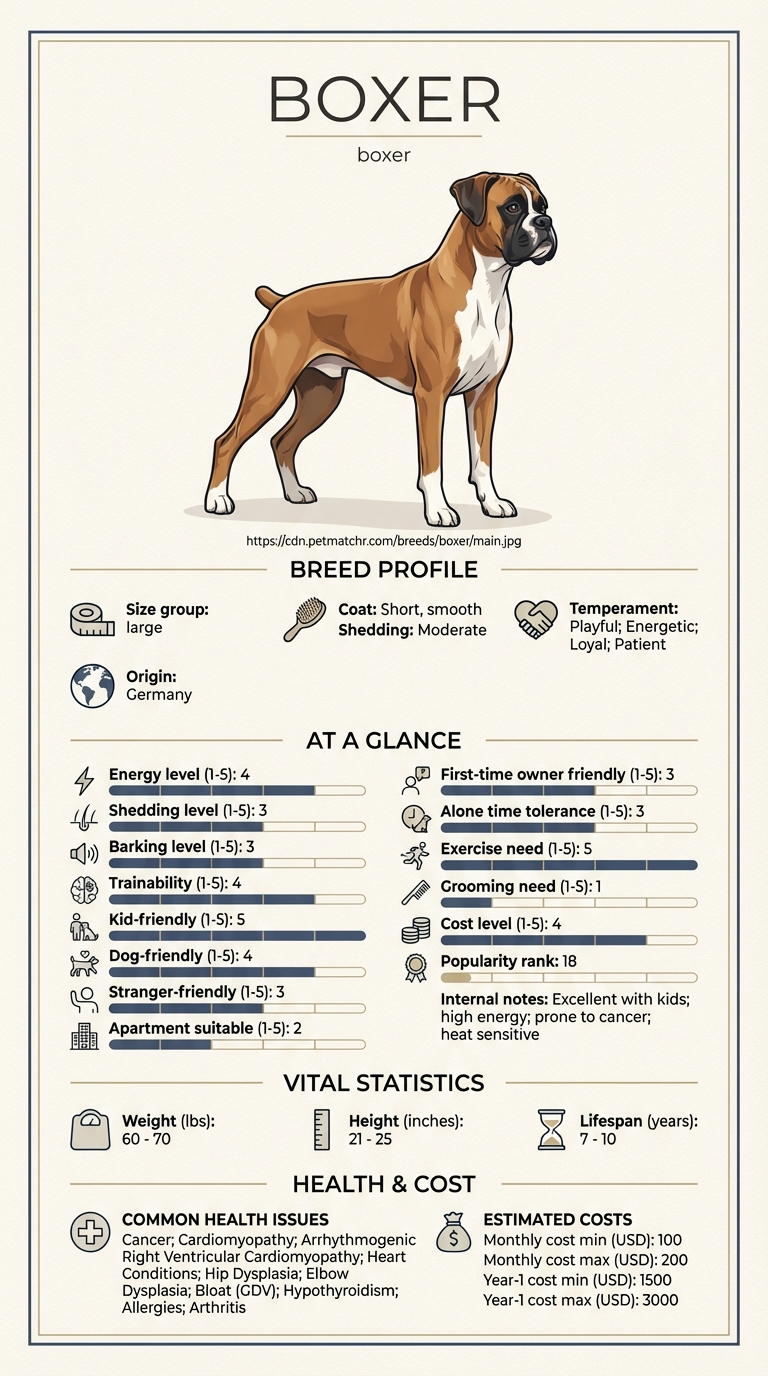
Boxer Brachycephalic Obstructive Airway Syndrome (BOAS) infographic

Owners of Boxers, especially those in warmer climates or with active lifestyles, often face challenges related to BOAS. It can be particularly concerning for first-time dog owners who may not recognize the signs.

Important reminder

This guide is not medical advice. If your dog shows pain, sudden behavior change, or worsening symptoms, consult a licensed veterinarian.

Some links may be affiliate links. We may earn a commission at no extra cost to you. We only suggest products we believe are helpful for dog owners.

What this problem looks like

Boxer brachycephalic obstructive airway syndrome (BOAS) is a common issue that affects many Boxers. This condition leads to breathing difficulties, snoring, and increased sensitivity to heat. Daily life for a Boxer with BOAS can be challenging as they may struggle during exercise or in warm weather, causing stress for both the dog and the owner.

Common triggers

  • Hot weather or high humidity
  • Intense exercise or play
  • Obesity or excess weight
  • Allergies or respiratory irritants
  • Stressful situations

BOAS is quite common in Boxers due to their brachycephalic (short-nosed) structure. Many owners notice these symptoms in their pets, especially during warmer months or after vigorous activity.

Why this happens

Breed factors

Boxers are a brachycephalic breed, meaning they have short noses and flat faces. This physical trait can lead to narrowed airways, making it hard for them to breathe. It's a genetic issue common in many brachycephalic dogs, resulting in conditions like Brachycephalic Obstructive Airway Syndrome (BOAS).

Environment factors

Environmental factors can worsen BOAS symptoms. Heat and humidity can lead to increased breathing difficulties. Overweight Boxers are also more prone to breathing issues, as extra weight adds stress to their respiratory systems.

What you can try

At-home strategies

  • Monitor your Boxer for signs of breathing difficulty, especially in hot weather. Limit exercise during high temperatures to prevent overheating.
  • Keep your dog at a healthy weight through a balanced diet and regular exercise. Consult your vet for a proper feeding plan.
  • Create a calm environment for your Boxer. Reducing stress can help improve their overall well-being.

When to consider a trainer

If your Boxer shows signs of anxiety or fear due to their breathing issues, a professional trainer can help. Look for trainers experienced with brachycephalic breeds or anxiety-related behaviors. Training can assist in building confidence and managing stress.

When to talk to your vet

If your Boxer experiences severe breathing problems, persistent coughing, or lethargy, consult your vet immediately. They can evaluate your dog's condition and recommend treatments, which may include weight management or even surgery in severe cases.

Realistic expectations

You can expect to see improvements within 4 to 8 weeks of consistent training and management.

Successful management of Boxer brachycephalic obstructive airway syndrome (BOAS) looks like reduced breathing difficulties, less snoring, and a happier, more active dog.

Mistakes that make this worse

Avoiding certain behaviors can help manage your Boxer's brachycephalic obstructive airway syndrome (BOAS). Here are some common mistakes to steer clear of.

  • Ignoring weight management: Overweight Boxers can struggle more with breathing. Ensure your dog maintains a healthy weight through diet and regular exercise.
  • Excessive exercise in heat: Boxers are sensitive to heat, which can worsen breathing issues. Instead, opt for shorter, cooler walks during the day.
  • Neglecting regular vet visits: Skipping check-ups can overlook worsening symptoms. Regular vet visits help monitor your Boxer's condition and adjust care as needed.
  • Using flat collars: Flat collars can put pressure on your Boxer's throat, making breathing harder. A harness can distribute pressure and help with airflow.
  • Allowing overexcitement: High-energy activities can lead to breathing difficulties. Instead, incorporate calm play sessions and avoid intense situations.
  • Failing to recognize signs of distress: Not paying attention to your Boxer's breathing can be dangerous. Learn to recognize signs like excessive panting or lethargy.
  • Delaying training: Not addressing behavioral issues can exacerbate stress. Start training early to help your Boxer feel more secure and relaxed.

When Boxer Brachycephalic Obstructive Airway Syndrome (BOAS) is an Emergency

Call your vet immediately if your Boxer shows any of the following symptoms: - Extreme difficulty breathing, gasping, or choking. - Blue-tinged tongue or gums, indicating a lack of oxygen. - Unusual lethargy or collapse. These signs indicate that your dog is in distress and needs urgent care. On the other hand, if your Boxer has mild symptoms like snoring or occasional coughing, you can monitor their condition. Create a plan that includes observing their breathing patterns and avoiding hot or stressful environments. While these symptoms can be annoying, they may not require immediate action. Keep in mind that regular vet check-ups are essential to manage BOAS effectively. If you notice a change in your Boxer’s behavior or breathing worsens over time, reach out to your vet. By being aware of the signs of an emergency, you can take the necessary steps to keep your furry friend safe.

Boxer Brachycephalic Obstructive Airway Syndrome (BOAS) - When Boxer Brachycephalic Obstructive Airway Syndrome (BOAS) is an Emergency

Emily and Max: Overcoming BOAS Challenges

Emily adopted Max, her energetic Boxer, without realizing the challenges of brachycephalic obstructive airway syndrome (BOAS). Max often struggled to breathe, especially after playing in the heat. After seeking advice from a vet, Emily began a training program focused on managing his exercise, incorporating more indoor activities during hot weather, and using calming techniques. Within a couple of months, Max was breathing easier and enjoying his daily walks without the struggles he once faced.

Key takeaway: With the right management and training, you can significantly improve the quality of life for a dog suffering from Boxer brachycephalic obstructive airway syndrome (BOAS).
Frequently asked questions

What is Boxer brachycephalic obstructive airway syndrome (boas)?

Boxer brachycephalic obstructive airway syndrome (boas) is a condition where the dog's airway is obstructed due to their short muzzle. This can lead to breathing difficulties, snoring, and heat sensitivity. It's important to recognize the symptoms early for better management.

Why does my Boxer have brachycephalic obstructive airway syndrome (boas)?

The structure of a Boxer's face contributes to brachycephalic obstructive airway syndrome (boas). Their short snouts can cause narrow nostrils and an elongated soft palate, leading to breathing challenges. Genetics also play a significant role in this condition.

How can I help my Boxer with brachycephalic obstructive airway syndrome (boas)?

To help your Boxer with BOAS, ensure they maintain a healthy weight to reduce strain on their respiratory system. Avoid strenuous exercise in hot weather, and consult your vet about potential surgical options if their condition is severe. Regular monitoring can help manage their symptoms effectively.

What are the signs of brachycephalic obstructive airway syndrome (boas) in Boxers?

Signs include heavy panting, snoring, frequent coughing, and difficulty breathing, especially during exercise. If your Boxer seems lethargic or struggles to breathe, it's crucial to seek veterinary advice. Early detection can lead to better management strategies.

Can training help with Boxer brachycephalic obstructive airway syndrome (boas)?

Training alone can't fix BOAS, but it can help your Boxer learn to manage their energy levels. Short, low-intensity training sessions can be beneficial. Positive reinforcement techniques can also make them more comfortable during times of stress.

What are the signs of Boxer brachycephalic obstructive airway syndrome (boas)?

Common signs include loud snoring, difficulty breathing, and excessive panting, especially in hot weather. If your Boxer shows these symptoms regularly, it’s important to consult a vet.

Can brachycephalic obstructive airway syndrome (boas) worsen with age?

Yes, as Boxers age, the symptoms of BOAS can become more pronounced. It's crucial to monitor their breathing and seek veterinary advice if you notice a decline in their comfort or activity level.

How can I help my Boxer with brachycephalic obstructive airway syndrome (boas) during hot weather?

Keep your Boxer in a cool, shaded area and provide plenty of fresh water. Avoid strenuous exercise during peak heat hours to prevent overheating, which can exacerbate BOAS symptoms.

Is surgery an option for Boxer brachycephalic obstructive airway syndrome (boas)?

In some cases, surgery can help improve breathing by correcting anatomical issues. Discuss this option with your vet, who can evaluate if it's suitable for your Boxer.

What are effective training methods for a Boxer with brachycephalic obstructive airway syndrome (boas)?

Focus on calm, positive reinforcement techniques to reduce stress. Avoid overexerting your Boxer during training, and incorporate short, gentle sessions to keep them engaged without straining their breathing.

Quick answers

View more answers
Behavior

What are quick tips for Boxer brachycephalic obstructive airway syndrome (boas)?

Keep your Boxer cool and avoid exercise in high temperatures. Regular vet check-ups are essential to monitor their airway health. Maintaining a healthy weight can significantly reduce the severity of symptoms.

Health

How can I tell if my Boxer has breathing issues?

Listen for snoring or labored breathing, especially when resting or sleeping. Observe if they seem to tire quickly during walks or play. If you notice these signs, consult a vet promptly.

Health

Is surgery necessary for Boxer brachycephalic obstructive airway syndrome (boas)?

Surgery may be an option if your Boxer has severe symptoms. A vet can evaluate the situation and recommend the best course of action. Many dogs improve significantly after surgical intervention.

Living

What lifestyle changes can help a Boxer with boasa?

Ensure your Boxer has a calm environment and avoid stressful situations. Limit their physical exertion on hot days and consider using a harness instead of a collar. These changes can enhance their comfort and overall well-being.

Related DogBreedCompass guides

Related guides

