DogBreedCompass
← Back to breed profile

Border Collie Hip Dysplasia Prevalence: What Owners Need to Know

Border Collie hip dysplasia prevalence is a significant concern for many owners. This condition can lead to pain and mobility issues in your beloved dog.

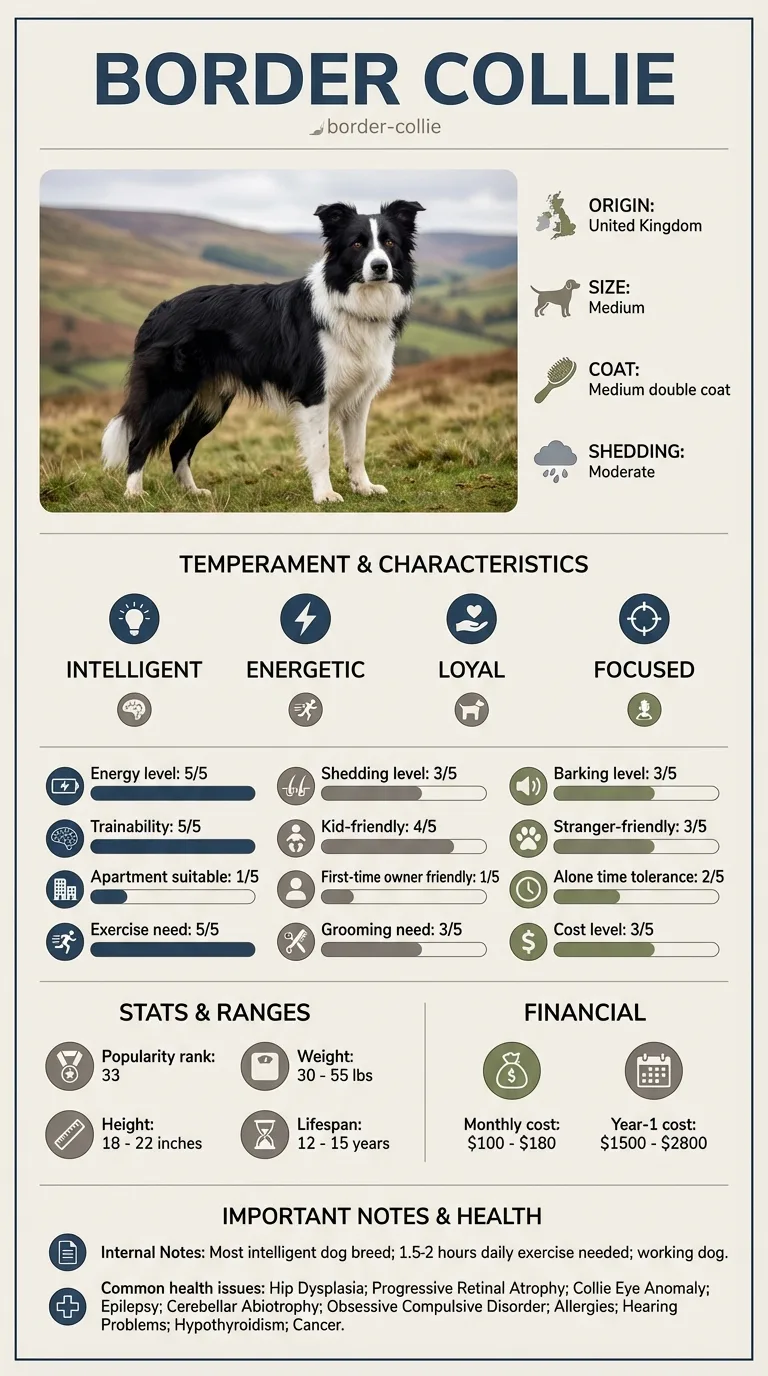
Border Collie Hip Dysplasia Prevalence: What Owners Need to Know infographic

Owners of Border Collies, especially those who are first-time dog parents, may face challenges managing hip dysplasia. Busy families or individuals who may not have experience with dog health issues often find this condition difficult to navigate.

Important reminder

This guide is not medical advice. If your dog shows pain, sudden behavior change, or worsening symptoms, consult a licensed veterinarian.

Some links may be affiliate links. We may earn a commission at no extra cost to you. We only suggest products we believe are helpful for dog owners.

What this problem looks like

Border Collie hip dysplasia prevalence is a significant concern for many owners. This genetic condition leads to malformation of the hip joint, resulting in pain and mobility issues. It often manifests in dogs as they age, causing discomfort during everyday activities like walking or climbing stairs.

Common triggers

  • Genetics from breeding lines
  • Obesity, which puts extra stress on joints
  • Rapid growth in puppies, especially if over-exercised

Hip dysplasia is relatively common in Border Collies, with estimates showing that around 10-15% may be affected. This prevalence makes it crucial for prospective owners to understand the risks and take preventive measures.

Why this happens

Breed factors

Border Collies are medium-sized dogs known for their athleticism and intelligence. Unfortunately, they are also prone to hip dysplasia due to genetic factors. This means that if a pup's parents have hip issues, there's a higher chance the puppy will too.

Environment factors

Environmental factors can exacerbate hip dysplasia. For instance, excessive weight gain from poor diet or lack of exercise can place additional strain on their joints. Additionally, high-impact activities at a young age may lead to joint problems down the line.

What you can try

At-home strategies

  • Maintain a healthy diet: Feed your Border Collie high-quality dog food tailored for their age and energy level. This helps prevent obesity, which can worsen hip dysplasia.
  • Implement a regular exercise routine: Aim for 1.5 to 2 hours of exercise daily. Focus on low-impact activities like walking and swimming to keep their joints healthy.
  • Monitor their weight: Regularly check your dog's weight and adjust their food intake and exercise accordingly. Keeping them lean can help reduce stress on their hips.
  • Provide joint support: Consider supplements like glucosamine or omega-3 fatty acids, but consult your vet before starting any new supplement.

When to consider a trainer

If your Border Collie shows signs of discomfort or reluctance to engage in physical activity, it might be time to consult a trainer. A professional can help tailor an exercise program that minimizes stress on their hips while keeping them active.

When to talk to your vet

If your dog exhibits limping, difficulty standing up, or seems in pain, contact your vet. They can assess the severity of the hip dysplasia and recommend treatments or therapies that may be necessary.

Realistic expectations

Expect to see improvements in your Border Collie's hip health within 3 to 6 months of consistent management and training.

Success includes reduced pain during activity, improved mobility, and a happier, more active dog.

Mistakes That Make This Worse – Border Collie hip dysplasia prevalence

Avoid these common mistakes that can worsen Border Collie hip dysplasia prevalence.

  • Neglecting Regular Vet Check-ups
  • Overweight Management Issues
  • Ignoring Early Signs of Discomfort
  • Inadequate Exercise Routine
  • Improper Diet Choices
  • Skipping Joint Supplements

When Border Collie Hip Dysplasia is an Emergency

Recognizing when Border Collie hip dysplasia becomes an emergency is crucial for your dog's health. If you notice severe symptoms, it's vital to contact your vet immediately. These symptoms can include sudden difficulty in standing, crying in pain when moving, or signs of lameness that seem to worsen quickly.

On the other hand, if your Border Collie shows mild symptoms like occasional limping or reluctance to jump, you might not need to rush to the vet. Instead, monitor their behavior for a few days. Implementing a gentle exercise routine and providing a comfortable resting area can be beneficial. If the mild symptoms persist or worsen over time, then it's time to seek veterinary advice.

Border Collie Hip Dysplasia Prevalence: What Owners Need to Know - When Border Collie Hip Dysplasia is an Emergency

Emily's Journey with Max and Hip Dysplasia

Emily adopted Max, her energetic Border Collie, not knowing he had a tendency for hip dysplasia. After noticing him limping after play, she consulted her vet, who confirmed the diagnosis. Determined to help Max, Emily committed to a daily exercise routine tailored to his needs, combined with supplements recommended by the vet. Over several months, Max's mobility improved significantly, allowing him to run and play without discomfort. Emily learned how to manage his condition through gentle training and regular vet check-ups, enhancing their bond.

Key takeaway: With proper management and training, you can help your Border Collie live a fulfilling life despite hip dysplasia.

Frequently asked questions

What is the prevalence of hip dysplasia in Border Collies?

The prevalence of hip dysplasia in Border Collies is estimated to be around 10-20%. This condition occurs when the hip joint doesn’t fit into the hip socket properly, leading to arthritis and pain. This answer relates to Border Collie hip dysplasia prevalence.

Why does my Border Collie have hip dysplasia?

Hip dysplasia in Border Collies can be caused by genetic factors, rapid growth, or environmental influences. If your dog is showing signs of discomfort, it's crucial to consult a vet for diagnosis and treatment options.

How can I stop my Border Collie from developing hip dysplasia?

To reduce the risk of hip dysplasia in your Border Collie, ensure they maintain a healthy weight and receive regular, moderate exercise. Avoid excessive jumping or rough play that could strain their joints.

What are the symptoms of hip dysplasia in Border Collies?

Symptoms of hip dysplasia include difficulty getting up, limping, and reluctance to exercise. You may also notice your dog favoring one leg or showing signs of pain when touched around the hips.

Can training help with hip dysplasia in Border Collies?

Training, especially exercises to strengthen the muscles around the hips, can help manage hip dysplasia. However, always consult with a vet or a professional trainer to design a safe program tailored to your dog's needs.

What are the signs of hip dysplasia in a Border Collie?

Common signs of hip dysplasia in a Border Collie include difficulty rising, reluctance to run or jump, and a noticeable limp. You might also notice your dog favoring one leg or exhibiting decreased activity levels.

Can hip dysplasia in older Border Collies be managed?

Yes, hip dysplasia in older Border Collies can often be managed with weight control, moderate exercise, and joint supplements. Consult your vet about medications or physical therapy options to help maintain your dog's comfort.

Is hip dysplasia hereditary in Border Collies?

Yes, hip dysplasia is often hereditary in Border Collies. Responsible breeding practices can help reduce the prevalence, so it's important to choose breeders who test for this condition.

How can I reduce the risk of hip dysplasia in my Border Collie?

To reduce the risk of hip dysplasia in your Border Collie, ensure they maintain a healthy weight, engage in regular but not excessive exercise, and consider joint supplements. Proper nutrition is also crucial for their development.

When should I take my Border Collie to the vet for hip dysplasia concerns?

If you notice your Border Collie showing signs of discomfort, such as limping or reluctance to play, it's time to see the vet. Early diagnosis can lead to better management options for hip dysplasia.

Quick answers

View more answers
Behavior

What are quick tips for managing hip dysplasia in Border Collies?

To manage hip dysplasia, keep your Border Collie at a healthy weight, provide low-impact exercises, and consider joint supplements. Regular vet check-ups are also essential for monitoring their condition.

Costs

How much does hip dysplasia treatment cost for a Border Collie?

Treatment for hip dysplasia can range from $1,000 to $5,000, depending on the severity and type of treatment required. Surgical options tend to be more expensive than non-surgical methods.

Health

What is the lifespan of a Border Collie with hip dysplasia?

With proper management, including weight control and medication, a Border Collie with hip dysplasia can live a full life, typically around 12 to 15 years. Regular vet visits are key.

Training

Are there specific training methods for Border Collies with hip dysplasia?

Yes, low-impact training methods that focus on strengthening muscles without stressing the joints are ideal. Consult with a vet for the best training plan.

Related DogBreedCompass guides

  • common health issues for Border ColliesLearn more about the common health issues that affect Border Collies, including hip dysplasia.
  • Border Collie hip dysplasia prevalence trainingDiscover training methods that can help reduce the prevalence of hip dysplasia in Border Collies.
  • Border Collie hip dysplasia signsUnderstand the signs and symptoms of hip dysplasia in Border Collies to help with early detection.
  • Border Collie separation anxiety guideGet tips on managing separation anxiety, which can be common in Border Collies with hip issues.
  • Border Collie ownership costsExplore the costs associated with owning a Border Collie and how hip dysplasia can impact those expenses.

Related guides