Behavior
What are quick tips for Bloodhound luxating patellas?
Keep your Bloodhound at a healthy weight and engage in low-impact exercises. Regular vet check-ups can help monitor their knee health.
Bloodhound luxating patellas can be a painful issue, leading to discomfort and mobility challenges in your furry friend.
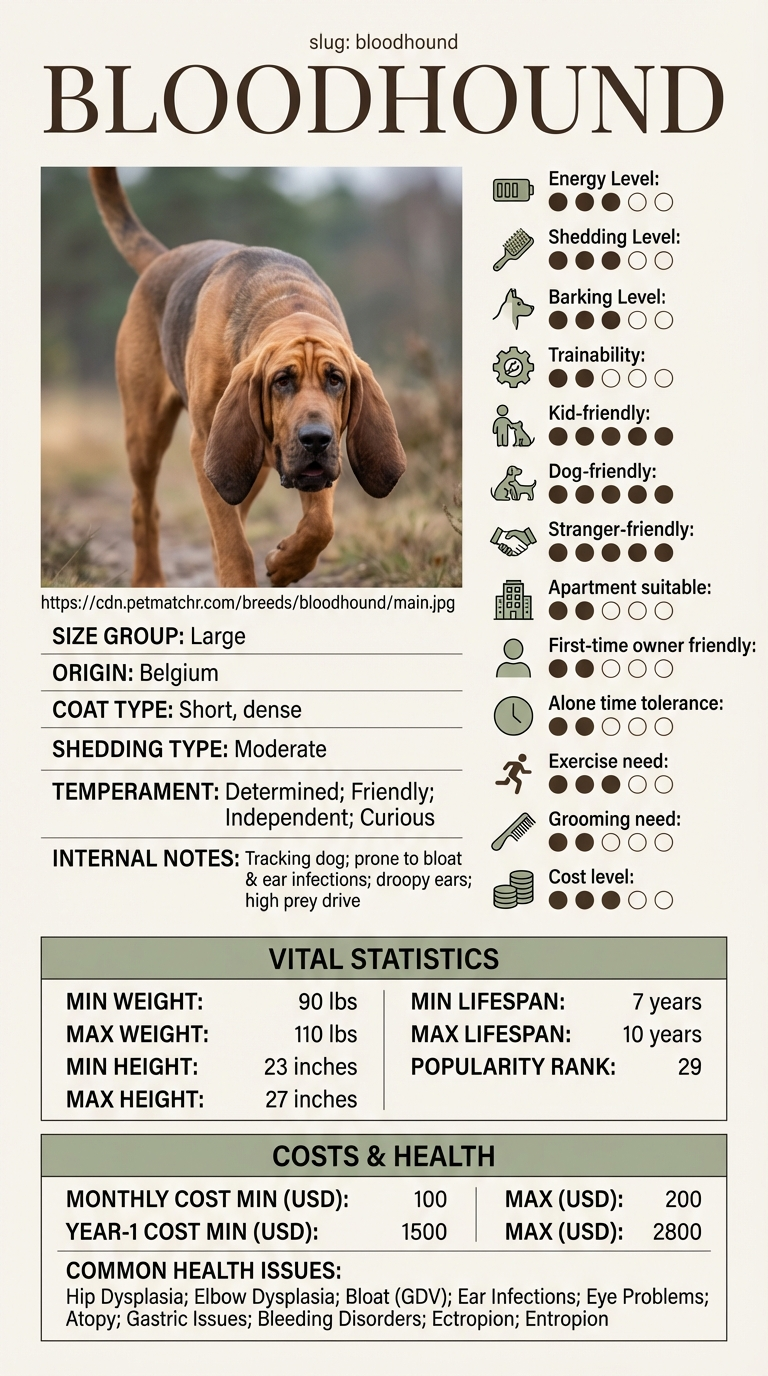
Owners of Bloodhounds often face this issue, especially those who may not be familiar with the breed's specific health challenges. First-time dog owners may find this particularly alarming, as they navigate the emotional and financial costs of treatment.
This guide is not medical advice. If your dog shows pain, sudden behavior change, or worsening symptoms, consult a licensed veterinarian.
Some links may be affiliate links. We may earn a commission at no extra cost to you. We only suggest products we believe are helpful for dog owners.
Bloodhound luxating patellas is a common issue where the knee cap dislocates, causing pain and mobility problems. Day-to-day, you may notice your Bloodhound limping, favoring one leg, or hesitating to jump or run. This condition can make them less active and more anxious, impacting their quality of life.
Luxating patellas are relatively common in Bloodhounds due to their large size and physical build. Many owners report seeing symptoms in their pets, especially as they age or if they engage in high-impact activities.
Bloodhounds are large and heavy dogs with unique joint structures. Their weight can put extra stress on their knees, making them prone to luxating patellas. Additionally, their independent nature may lead them to be less cautious during play, increasing the risk of injury.
Environmental factors also play a significant role. Slippery floors can cause dogs to slip and twist their knees in ways that lead to dislocation. Lack of proper exercise can weaken the muscles around the knee, contributing to the problem.
If you're struggling to manage your Bloodhound's behavior or if they seem to have trouble with commands, consider working with a professional trainer. They can provide tailored strategies to address any issues related to luxating patellas.
If you notice persistent limping or signs of pain, it's crucial to talk to your vet. They can assess the severity of the luxating patellas and recommend treatment options, which may include medication or surgery.
With consistent training and care, you may see improvements in your Bloodhound's luxating patellas within 4 to 6 months. Regular vet check-ups and monitoring are crucial during this period.
Success means your Bloodhound can walk and run with greater comfort, showing less limping and hesitation. You’ll notice improved mobility and a happier, more active dog.
Avoiding these common mistakes can help improve your Bloodhound's luxating patellas. Instead of inadvertently making the issue worse, focus on more effective approaches.
Luxating patellas can be a serious issue for Bloodhounds, and knowing when to act is crucial. Here are signs that indicate an emergency versus situations that might be monitored at home.
Red flags include severe limping or inability to bear weight on the affected leg. If your Bloodhound is in obvious pain, vocalizing, or if their knee joint appears visibly out of place, you should call your vet immediately. These symptoms can indicate a more serious injury or condition that requires prompt treatment. Additionally, if your dog shows signs of swelling or warmth in the knee area, this can signify inflammation or injury that may need urgent care.
On the other hand, if your Bloodhound occasionally shows mild limping or seems to shift weight from one leg to another without obvious signs of distress, you might monitor the situation for a few days. Ensure they have a calm environment, limit high-impact activities, and observe their behavior closely. If the mild symptoms persist for more than a few days or worsen, it’s best to consult your vet for a check-up. Regular check-ins with your vet are essential to manage luxating patellas effectively.
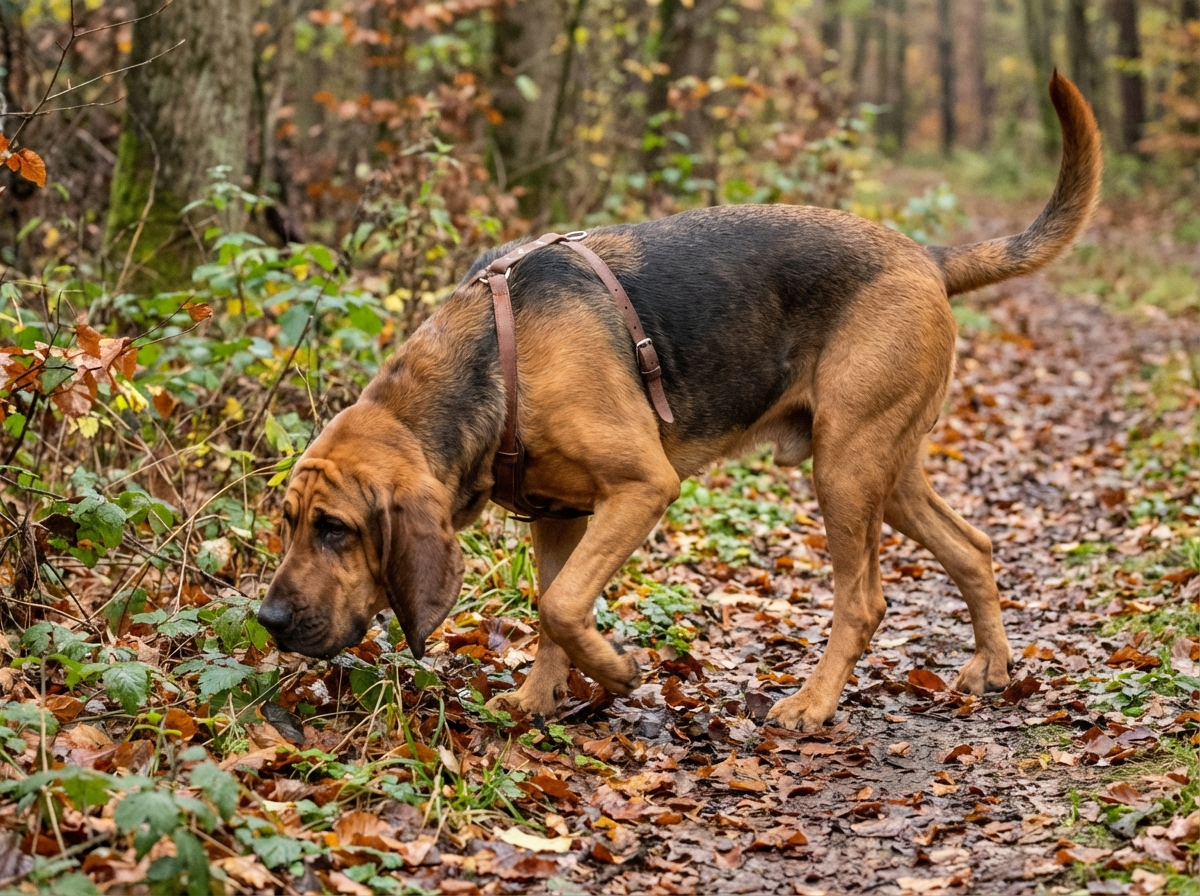
Sarah, a busy nurse in Chicago, adopted Max, a lovable Bloodhound. Soon after bringing him home, she noticed he would often favor one leg and struggle to keep up on walks. After consulting her vet, she learned Max had luxating patellas. Determined to help him, Sarah began a structured training program focusing on building strength and stability in his legs. She also adjusted his exercise routine to include low-impact activities. Over the next several months, Max’s condition improved significantly. He became more confident and playful, and their walks became much more enjoyable.
Key takeaway: With patience and a tailored approach, you can effectively manage your Bloodhound's luxating patellas and enhance their quality of life.
Luxating patellas are often caused by genetic factors, meaning some Bloodhounds may be predisposed to this condition. It can also be influenced by injury or improper bone structure. Regular vet check-ups can help catch this issue early.
While you can't completely prevent luxating patellas, keeping your Bloodhound at a healthy weight and providing joint supplements may help. Regular exercise is important, but avoid high-impact activities that could exacerbate the issue. Consult your vet for tailored advice.
Look for limping, difficulty standing up, or your Bloodhound holding its leg up while walking. They may also show signs of pain when you touch their knees. If you notice these symptoms, it's best to visit your vet.
Training can help by encouraging gentle exercises that strengthen the muscles around the knee. Focus on low-impact activities, like walking, rather than jumping or running. A professional trainer can assist you in creating a suitable training plan.
In some cases, surgery may be recommended if the luxation is severe or causing significant pain. Your vet can assess the condition and help you decide whether surgery is the best option for your Bloodhound.
Symptoms may include limping, difficulty in standing up, or a sudden inability to use one of their hind legs. You might also notice your Bloodhound occasionally skipping or holding their leg up while walking.
In some cases, mild luxating patellas can be managed with physical therapy, weight management, and anti-inflammatory medications. However, more severe cases often require surgical intervention for long-term relief.
For older Bloodhounds, it's crucial to provide a comfortable environment and consider joint supplements. Regular, low-impact exercise can also help maintain muscle tone without stressing the joints.
Luxating patellas in Bloodhounds can be due to genetic factors, improper bone structure, or injury. Regular vet check-ups can identify these issues early, allowing for better management.
Post-surgery, your Bloodhound will need rest and limited movement for several weeks. Rehabilitation exercises and follow-up vet visits are essential to ensure proper healing and prevent future issues.
Keep your Bloodhound at a healthy weight and engage in low-impact exercises. Regular vet check-ups can help monitor their knee health.
Aim for at least 30-60 minutes of moderate exercise daily, but avoid high-impact activities that could strain their knees.
Choose high-quality dog food with omega fatty acids and glucosamine to support joint health. Consult your vet for specific dietary recommendations.
Focus on positive reinforcement and gentle exercises that strengthen their legs while avoiding activities that may cause strain.

