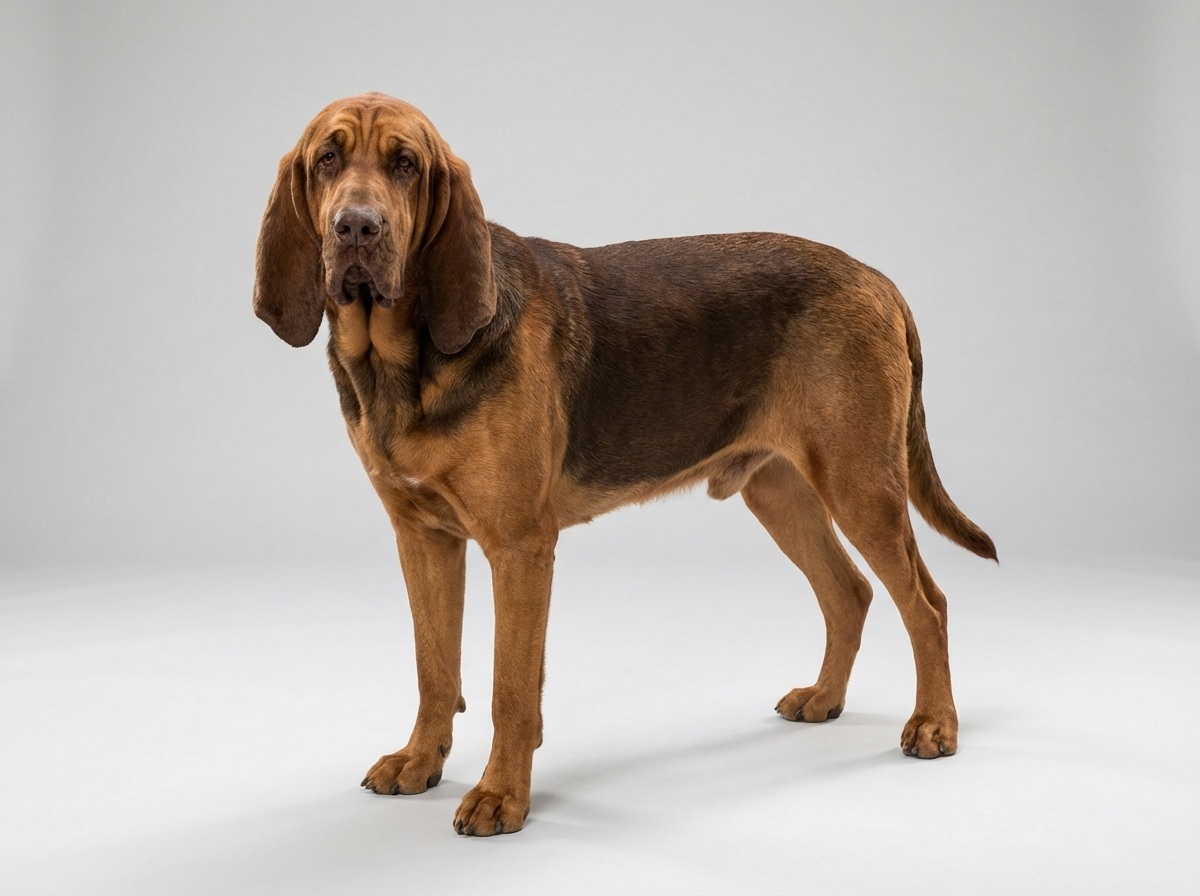
Health
How can I manage my Bloodhound's liver shunts?
Consult your vet about dietary changes, medications, and possible surgeries to manage liver shunts effectively.

Quick answer
How can I manage my Bloodhound's liver shunts?
Consult your vet about dietary changes, medications, and possible surgeries to manage liver shunts effectively.
Bloodhound liver shunts can be a serious health concern for these lovable dogs. This condition involves abnormalities in the portal vein, which can lead to significant health issues.
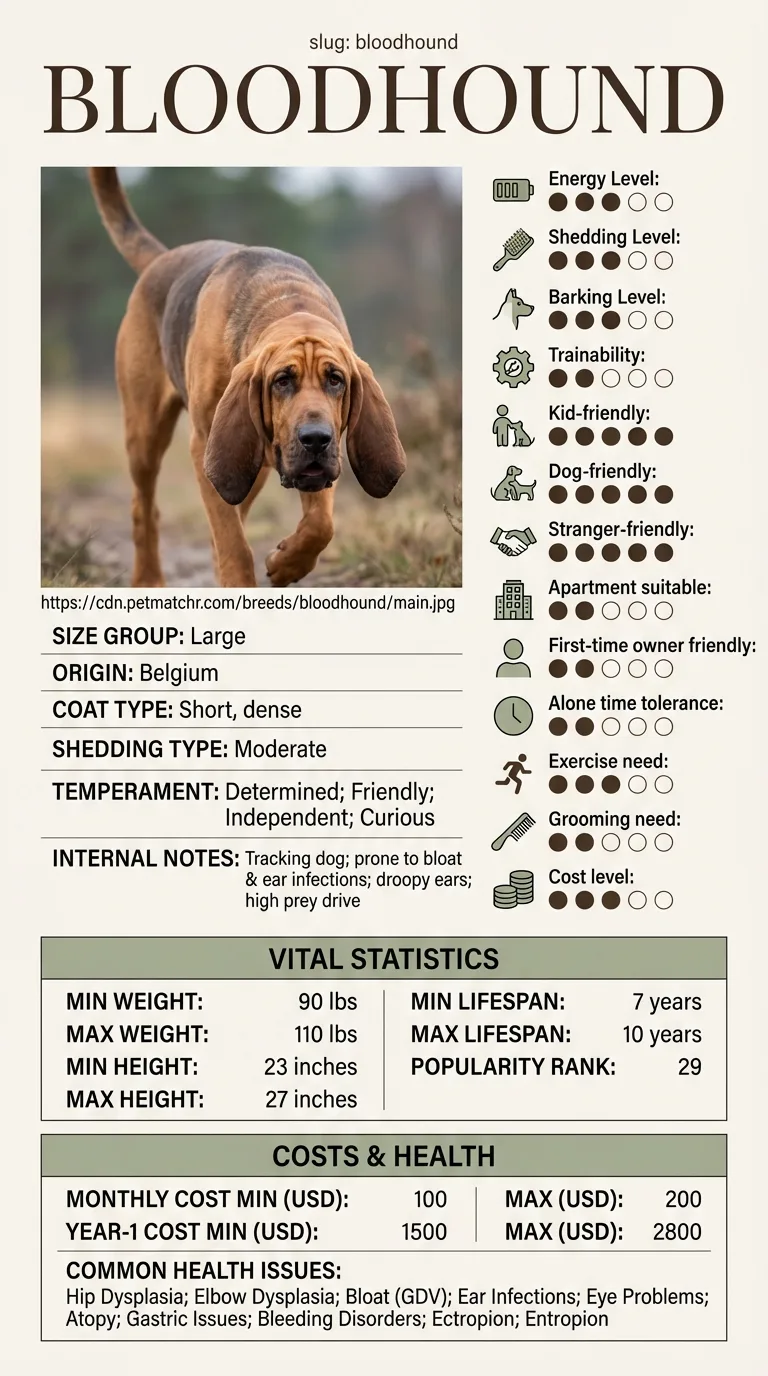
Typically, first-time Bloodhound owners or families with busy lifestyles may face challenges in identifying and managing liver shunts. They might not know the signs to watch for or how to seek appropriate veterinary care.
This guide is not medical advice. If your dog shows pain, sudden behavior change, or worsening symptoms, consult a licensed veterinarian.
Some links may be affiliate links. We may earn a commission at no extra cost to you. We only suggest products we believe are helpful for dog owners.
We research and check what we publish, but we do not warrant that any figure, date, price, or statement is accurate, complete, or current, and we accept no liability for any loss, cost, injury, or other harm arising from the use of this site. Use it as one reference among several. You remain responsible for your own decisions and for your dog's care - confirm anything that matters with a licensed veterinarian or another qualified professional before you act on it. Full disclaimer.
Check this first
Red-flag signs that mean you should call your vet now include severe lethargy, vomiting, seizures, or if your Bloodhound is unable to eat or drink. Additionally, if you notice jaundice (yellowing of the skin or eyes) or unusual behavior, these could indicate a critical situation.
On the other hand, mild cases can often be monitored. If your Bloodhound has slight lethargy, occasional vomiting, or mild diarrhea, it’s wise to keep an eye on them. Document their symptoms and consider scheduling a vet visit if things don’t improve in a day or two.
The key is to trust your instincts. If you feel something isn't right, it's better to err on the side of caution. Regular check-ups can help catch potential issues early, so stay proactive about your Bloodhound's health.
If any of these apply, call your vet or an emergency clinic now. The rest of this page is for the cases that are not an emergency.
Bloodhound liver shunts are serious health issues where blood bypasses the liver, affecting its function. This can lead to symptoms like poor growth, lethargy, and seizures. Owners may notice their Bloodhound struggling with these everyday challenges, making life difficult for both the dog and the family.
Liver shunts are relatively uncommon but can occur in Bloodhounds, especially if there's a family history of liver problems. It's essential for owners to be aware of the signs and consult a vet if they suspect issues.
Bloodhounds can be more prone to liver shunts due to genetic factors. These inherited conditions affect the portal vein, leading to improper blood flow. This breed's unique physiology can make them susceptible to these abnormalities.
Environmental factors, such as poor diet or exposure to toxins, can exacerbate liver issues. Stress and inadequate veterinary care can also contribute to the development of liver shunts. A Bloodhound's lifestyle can impact their overall liver health significantly.
If you notice symptoms like poor appetite, excessive drooling, or unusual lethargy, it's essential to speak with your vet. Early intervention can make a significant difference in managing liver shunts and ensuring your dog receives proper care.
When dealing with Bloodhound liver shunts, owners often make mistakes that can worsen the situation. Here are some common missteps and safer alternatives to consider.
Start here: Bloodhound Most Common Genetic Disorders: What to Screen For
See all Bloodhound health problems, which breeds are prone to liver shunts, or the full Bloodhound breed guide for temperament, exercise needs and ownership costs.
Managing Bloodhound liver shunts can take several months. Depending on the severity, it may involve dietary changes, care, and possibly surgery.
Success means your Bloodhound shows improved energy, reduced symptoms, and a healthier appetite. Regular vet check-ups will help monitor their condition.
When Sarah, a first-time dog owner, adopted Baxter, she quickly noticed something was off. He was lethargic and had a poor appetite. After a vet visit, Sarah learned that Baxter had liver shunts, which required a strict diet and careful training to manage his condition. With patience, she followed a specialized feeding plan and incorporated gentle exercises. Over the next few months, Baxter's energy improved, and he began to enjoy his walks again. Sarah also attended a local training class, which helped her bond with him and address some behavior issues that arose from his condition.
Key takeaway: With the right support and commitment, you can help manage your Bloodhound's liver shunts and improve their quality of life.
Bloodhound liver shunts are abnormal blood vessels that bypass the liver, preventing it from filtering toxins effectively. This can lead to serious health issues, including stunted growth and neurological problems. It's crucial to recognize the signs early for effective management.
Consult your veterinarian for a tailored treatment plan. This may include a special diet, medications to manage symptoms, or, in some cases, surgery to correct the shunt. Consistent monitoring and prompt medical attention are key to improving your Bloodhound's quality of life.
Watch for symptoms like vomiting, lethargy, poor appetite, and behavioral changes. Neurological symptoms like disorientation or seizures may also occur. If you notice these signs, contact your vet immediately for evaluation.
While training won't fix liver shunts, it can help manage related behavioral issues. Positive reinforcement methods can encourage your Bloodhound to follow commands, which may reduce stress and improve their overall well-being. Always consult your vet before starting any training during treatment.
Signs of liver shunts in Bloodhounds can include poor growth, lethargy, vomiting, and unusual behavior after eating. If you notice these symptoms, it's crucial to consult your vet for a proper diagnosis.
Yes, while liver shunts are often congenital, older Bloodhounds can develop them due to liver disease or other health issues. Regular vet check-ups can help catch these problems early.
Managing a Bloodhound with liver shunts typically involves a special diet and possibly medication. Work closely with your veterinarian to create a plan that supports your dog's health.
Not always. Some Bloodhounds may benefit from medical management rather than surgery. Your vet will evaluate your dog's specific condition to recommend the best course of action.
While not all liver shunts are preventable, maintaining your Bloodhound's overall health through a balanced diet, regular exercise, and routine veterinary care is essential. Early detection and management of any health issues can also help.
Consult your vet about dietary changes, medications, and possible surgeries to manage liver shunts effectively.
Look for signs like vomiting, lethargy, and behavioral changes to catch potential liver shunt issues early.
Bloodhounds can be predisposed to liver shunts, so regular vet check-ups are essential to monitor their health.
Yes, use positive reinforcement training to help manage behavior, but consult your vet for specifics during treatment.
Focus on a proper diet, regular vet visits, and monitoring symptoms to help manage liver shunts effectively.
A one-page prep sheet for this condition: the signs, the questions to ask, what to get priced. Unlocks here.
You get: Vet visit prep sheet
No spam. One-click unsubscribe. See our privacy policy.
Preview page 1 before you decide.