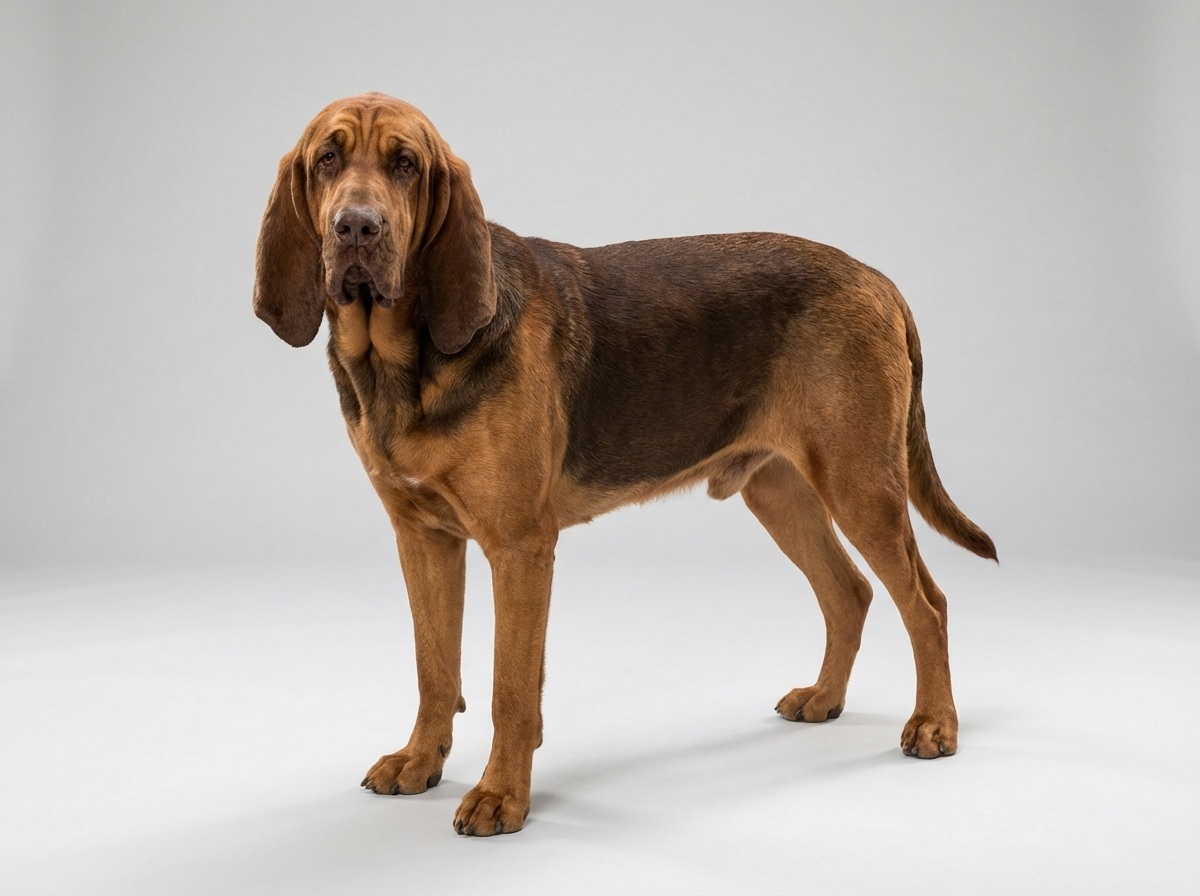
Behavior
What should I do if my Bloodhound collapses during exercise?
If your Bloodhound collapses during exercise, move them to a cool, shaded area and allow them to rest. Monitor their breathing and consult your vet if symptoms persist.

Quick answer
What should I do if my Bloodhound collapses during exercise?
If your Bloodhound collapses during exercise, move them to a cool, shaded area and allow them to rest. Monitor their breathing and consult your vet if symptoms persist.
Bloodhound exercise-induced collapse (EIC) can be alarming for dog owners. This sudden collapse during or after exercise is a serious concern.
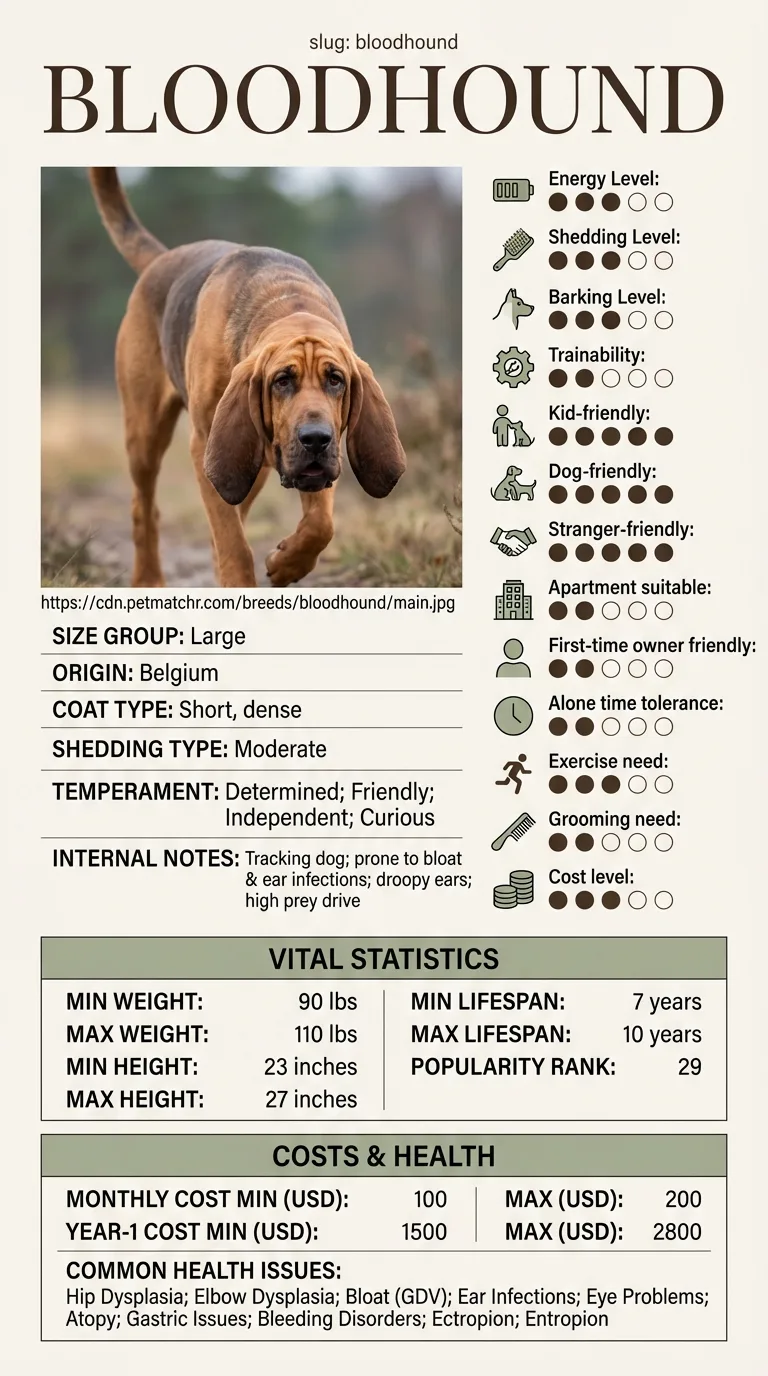
Owners of Bloodhounds, especially those who enjoy active lifestyles, often face challenges with EIC. This problem can catch them off guard during playtime or exercise, leading to worry about their dog's well-being.
This guide is not medical advice. If your dog shows pain, sudden behavior change, or worsening symptoms, consult a licensed veterinarian.
Some links may be affiliate links. We may earn a commission at no extra cost to you. We only suggest products we believe are helpful for dog owners.
We research and check what we publish, but we do not warrant that any figure, date, price, or statement is accurate, complete, or current, and we accept no liability for any loss, cost, injury, or other harm arising from the use of this site. Use it as one reference among several. You remain responsible for your own decisions and for your dog's care - confirm anything that matters with a licensed veterinarian or another qualified professional before you act on it. Full disclaimer.
Check this first
Red-flag signs include: persistent unresponsiveness, difficulty breathing, or seizures. If your Bloodhound shows any of these symptoms, don’t wait. Call your vet or an emergency animal clinic right away.
In contrast, if your dog collapses briefly but recovers quickly and shows no other concerning symptoms, you can monitor the situation. Watch for fatigue, heavy panting, or mild disorientation. Make a plan to limit strenuous activities and consult your vet for advice on managing EIC.
It’s important to know your dog’s limits. If they frequently collapse during play or exercise, it may be time to adjust their routine. Keeping a close eye on your Bloodhound and being aware of these signs can help you make informed decisions about their health.
If any of these apply, call your vet or an emergency clinic now. The rest of this page is for the cases that are not an emergency.
Bloodhound exercise-induced collapse (EIC) is a condition that can cause your dog to suddenly collapse during or after intense activity. This can be alarming for owners, as it often appears without warning. While Bloodhounds are known for their endurance and tracking abilities, they are also susceptible to EIC, making it crucial for owners to recognize the signs.
EIC is relatively common in Bloodhounds, especially those with a high energy level. Many owners report experiencing episodes with their dogs, emphasizing the need for awareness. If your Bloodhound shows signs of fatigue or weakness after exercise, it's important to consult with a vet.
Bloodhounds are predisposed to exercise-induced collapse (EIC) due to their unique genetic makeup. This condition often shows up when they engage in vigorous physical activities, especially in hot weather. The breed's high energy level can lead to overexertion, triggering a collapse.
Environmental factors also play a role in EIC. High temperatures can exacerbate the condition, as Bloodhounds may struggle to regulate their body temperature while exercising. Additionally, a lack of proper training or conditioning can make them more susceptible to this problem.
If your dog collapses during exercise, it's crucial to consult a veterinarian. They can rule out other health issues and provide guidance on managing EIC effectively. Regular check-ups can help monitor your dog's overall health.
Avoiding certain behaviors can help manage Bloodhound exercise-induced collapse (EIC). Here are common mistakes and safer alternatives to consider.
Start here: Bloodhound Most Common Genetic Disorders: What to Screen For
See all Bloodhound health problems, which breeds are prone to exercise induced collapse eic, or the full Bloodhound breed guide for temperament, exercise needs and ownership costs.
You can expect to see improvements in your Bloodhound's exercise-induced collapse (EIC) symptoms within 4 to 8 weeks of implementing a consistent care and management plan.
Success means your Bloodhound can participate in moderate exercise without collapsing, showing improved stamina and overall health while still enjoying their time outdoors.
Sam, a first-time Bloodhound owner in rural Texas, noticed that his dog Bella would suddenly collapse during playtime in the yard. Worried about her health, he researched Bloodhound exercise-induced collapse (EIC) and learned about proper management techniques. By gradually adjusting Bella’s exercise routine and incorporating shorter, more frequent play sessions, Sam helped her build endurance. Over two months, Bella began to enjoy longer walks without collapsing, and Sam felt relieved to see her happier and healthier.
Key takeaway: Understanding and managing Bloodhound exercise-induced collapse (EIC) can lead to a happier and more active dog, but patience and consistency are key.
Bloodhound exercise-induced collapse (EIC) is a genetic condition that affects their ability to handle intense physical activity. During or after exercise, affected dogs may suddenly collapse, often due to a lack of oxygen to the brain. If your Bloodhound shows symptoms, it's essential to consult your vet for proper diagnosis and management.
To manage Bloodhound exercise-induced collapse (EIC), avoid high-intensity activities, especially in hot weather. Gradually increase exercise intensity and monitor your dog closely. If a collapse occurs, allow them to rest in a cool place and consult your vet about long-term management strategies.
Signs of exercise-induced collapse (EIC) in Bloodhounds include sudden weakness, loss of coordination, or collapsing after vigorous exercise. These symptoms may appear during or shortly after strenuous activity. Keep an eye on your dog during playtime or exercise to spot these signs early.
While there is no cure for Bloodhound exercise-induced collapse (EIC), it can be managed with lifestyle changes. Reducing exercise intensity and frequency can help keep your dog safe. Regular check-ups with your vet can ensure your dog remains healthy and comfortable.
Yes, exercise-induced collapse (EIC) is a known issue in Bloodhounds, especially those with a genetic predisposition. This condition often affects young, active dogs. Responsible breeding practices can help reduce the occurrence of EIC in future Bloodhound generations.
To help your Bloodhound manage exercise-induced collapse (EIC), ensure they have plenty of rest and avoid intense exercise, especially in hot conditions. Gradual training and monitoring their activity levels can also help reduce episodes.
Yes, older Bloodhounds may be more prone to exercise-induced collapse (EIC) due to decreased stamina and underlying health issues. Regular vet check-ups can help identify risks and adjust exercise routines accordingly.
If your Bloodhound experiences frequent episodes of exercise-induced collapse (EIC), it's important to consult a vet. They can assess your dog's overall health, rule out other conditions, and provide guidance for managing the issue.
While not all cases of exercise-induced collapse (EIC) can be prevented, you can minimize risks by keeping exercise sessions short and low-intensity, especially in warm weather. Always pay attention to your dog's behavior during activities.
If your Bloodhound collapses during exercise, move them to a cool, shaded area and allow them to rest. Monitor their breathing and consult your vet if symptoms persist.
For a Bloodhound with exercise-induced collapse, aim for moderate walks and avoid strenuous activities. Shorter, more frequent exercise sessions are safer.
While EIC primarily affects exercise tolerance, it can lead to anxiety or behavior problems if not managed properly. Keeping your Bloodhound calm and monitored during activities is crucial.
Focus on positive reinforcement training and gradually introduce new activities. Avoid high-impact exercises and ensure plenty of breaks during playtime.
A one-page prep sheet for this condition: the signs, the questions to ask, what to get priced. Unlocks here.
You get: Vet visit prep sheet
No spam. One-click unsubscribe. See our privacy policy.
Preview page 1 before you decide.