Behavior
What are quick tips for managing Bloodhound BOAS?
Keep your Bloodhound cool during hot weather, limit strenuous activities, and maintain a healthy weight. Regular vet visits are crucial for monitoring their condition.
Bloodhound brachycephalic obstructive airway syndrome (BOAS) can cause serious breathing issues for your dog.
Owners of Bloodhounds, especially first-time dog parents or those living in warmer climates, often face challenges with this condition. Recognizing the signs and managing their dog's health is vital for their well-being.
This guide is not medical advice. If your dog shows pain, sudden behavior change, or worsening symptoms, consult a licensed veterinarian.
Some links may be affiliate links. We may earn a commission at no extra cost to you. We only suggest products we believe are helpful for dog owners.
Bloodhound brachycephalic obstructive airway syndrome (BOAS) can make everyday life challenging for both the dog and the owner. This condition leads to breathing difficulties, which can manifest as snoring, coughing, and labored breathing, especially during exercise or in hot weather. For owners, it can be concerning to see their beloved pet struggle for air, and this syndrome can complicate routine activities like walks or playtime.
Brachycephalic obstructive airway syndrome is quite common in Bloodhounds and many other breeds with short muzzles. Many Bloodhounds experience some level of this condition, making it crucial for owners to be aware of the signs and symptoms. Regular vet check-ups can help manage BOAS effectively.
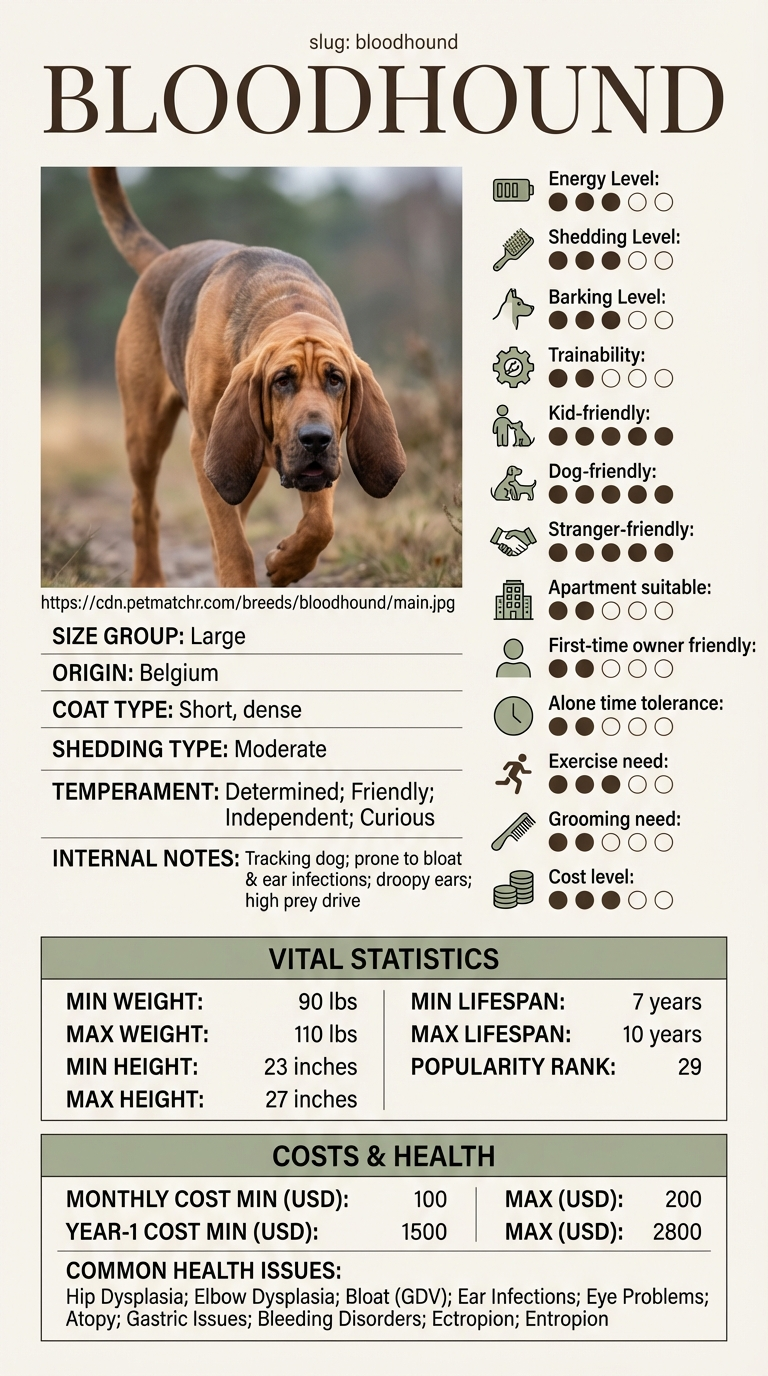
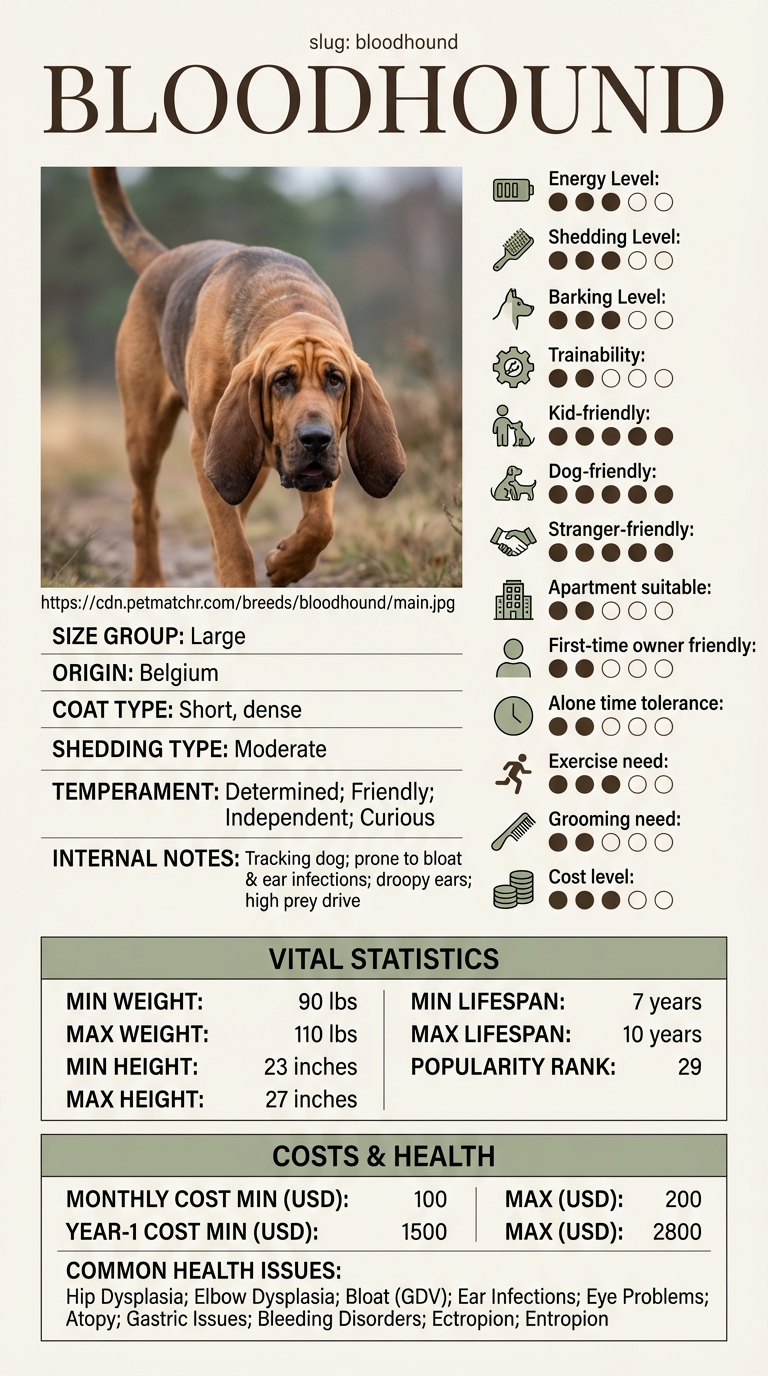
Bloodhounds are a large breed with long, droopy facial structures that can lead to Brachycephalic Obstructive Airway Syndrome (BOAS). Their unique anatomy, including a flat skull shape, can restrict airflow and cause breathing difficulties. This breed is also prone to other health issues, like hip dysplasia, which can compound their challenges.
Environmental factors can further exacerbate BOAS in Bloodhounds. High temperatures, humidity, and poor air quality can make breathing even harder for them. Additionally, a lack of proper exercise or overexertion can lead to more severe breathing episodes.
If your Bloodhound exhibits severe anxiety or stress related to breathing, consider seeking a professional trainer. A trainer experienced with BOAS can help develop a tailored training plan that includes desensitization techniques and calm behavior reinforcement.
If your Bloodhound struggles to breathe, snores excessively, or shows signs of distress, it's essential to consult a vet. Persistent symptoms may indicate the need for medical intervention or surgery to alleviate airway obstructions.
Expect to see improvements in your Bloodhound's breathing within 4 to 8 weeks of consistent training and management.
Success means your Bloodhound can breathe more easily, has reduced snoring, and can enjoy outdoor activities without excessive panting or distress.
Avoiding common mistakes can help manage your Bloodhound's brachycephalic obstructive airway syndrome (BOAS). Here are some behaviors to steer clear of.
Brachycephalic Obstructive Airway Syndrome (BOAS) can pose serious health risks to your Bloodhound. Recognizing when the situation calls for immediate veterinary attention is crucial. If your Bloodhound shows signs of severe breathing distress, such as gasping for air, blue-tinged gums, or extreme lethargy, these are red flags that require a vet visit right away.
Other warning signs include persistent coughing or gagging, excessive snoring that suddenly worsens, and difficulty exercising or playing. If your dog is unable to cool down after moderate activity or appears to be in pain while breathing, don’t delay in contacting your veterinarian. These symptoms indicate that the airway obstruction may be serious and needs prompt intervention.
On the other hand, mild cases of BOAS can often be managed at home. If your Bloodhound occasionally snores or has slight difficulty breathing during exercise, keep track of these symptoms. Make sure to create a comfortable environment and avoid hot weather activities. Regular vet check-ups can help monitor your dog's condition and give you a plan for managing mild symptoms effectively.
Sam, a first-time dog owner, adopted Bella, a Bloodhound with severe brachycephalic obstructive airway syndrome (BOAS). Initially, Bella struggled with heavy breathing, especially during walks. After consulting a vet, Sam learned about specific training techniques and lifestyle changes to help Bella breathe better. They started with short, gentle walks and gradually introduced breathing exercises. Within a few months, Bella was not only more active but also less anxious during outings.
Key takeaway: With patience and proper training, owners can significantly improve their Bloodhound's quality of life, ensuring they enjoy their time together outside.
Bloodhound brachycephalic obstructive airway syndrome (boas) is a condition that affects a dog's breathing. It is caused by structural abnormalities in the airway, leading to snoring, difficulty breathing, and heat sensitivity. These issues can pose serious health risks, especially in hot weather.
BOAS is often seen in breeds with short skull shapes, including Bloodhounds. Genetic factors contribute to the development of this condition, which results in a narrowed airway. If your Bloodhound has trouble breathing, it could be due to this syndrome.
Signs of BOAS in Bloodhounds include loud snoring, difficulty breathing during exercise, and excessive panting. Additionally, if your dog seems sensitive to heat or has a persistent cough, consult a veterinarian. Early detection is crucial for managing the condition.
While you can't completely cure BOAS, you can manage it through lifestyle changes. Ensure your Bloodhound maintains a healthy weight, avoid strenuous activities in hot weather, and consider surgical options if recommended by your vet. Regular check-ups are vital.
Treatment options for Bloodhound BOAS include weight management, lifestyle adjustments, and possibly surgery to improve airflow. Consult your veterinarian to determine the best course of action based on your dog's specific needs. Keeping your dog calm and stress-free can also help.
Training can assist in managing BOAS by teaching your Bloodhound calm behaviors and reducing stress. Use positive reinforcement techniques to encourage gentle activities. However, training will not correct the airway issues themselves.
Signs of Bloodhound brachycephalic obstructive airway syndrome (BOAS) include noisy breathing, snoring, and difficulty exercising. If your Bloodhound shows excessive panting or struggles to breathe, it's time to consult a vet.
Treatment for Bloodhound brachycephalic obstructive airway syndrome (BOAS) often involves surgical options to correct airway obstructions. Your vet will help determine the best approach based on your dog's specific needs.
Yes, BOAS can be hereditary in Bloodhounds due to their physical characteristics. Responsible breeding practices can help minimize the risk of this condition in future generations.
To help your Bloodhound with BOAS, keep them cool and avoid strenuous exercise, especially in hot weather. You can also create a calm environment to reduce stress, which can worsen breathing difficulties.
If your Bloodhound's breathing seems labored or if they exhibit signs of distress, such as excessive panting or coughing, it's important to see a vet immediately. Early intervention can help manage BOAS effectively.
Keep your Bloodhound cool during hot weather, limit strenuous activities, and maintain a healthy weight. Regular vet visits are crucial for monitoring their condition.
Surgery may be necessary for severe cases of BOAS. Discuss options with your veterinarian to determine the best approach for your dog.
Signs of overheating include excessive panting, drooling, and lethargy. If you notice these symptoms, cool your dog down immediately and seek veterinary help if needed.