Behavior
What are quick tips for Bloodhound back problems?
To manage Bloodhound back problems, keep them at a healthy weight, provide supportive bedding, and avoid jumping from heights.

Quick answer
What are quick tips for Bloodhound back problems?
To manage Bloodhound back problems, keep them at a healthy weight, provide supportive bedding, and avoid jumping from heights.
Bloodhound back problems can be a serious concern for owners. These issues often stem from their long spine and short legs, making them prone to discomfort.
This problem typically affects first-time Bloodhound owners or those who may not be familiar with the breed's unique health needs. Busy families or individuals living in smaller spaces may also find it challenging to provide the right environment and care.
This guide is not medical advice. If your dog shows pain, sudden behavior change, or worsening symptoms, consult a licensed veterinarian.
Some links may be affiliate links. We may earn a commission at no extra cost to you. We only suggest products we believe are helpful for dog owners.
We research and check what we publish, but we do not warrant that any figure, date, price, or statement is accurate, complete, or current, and we accept no liability for any loss, cost, injury, or other harm arising from the use of this site. Use it as one reference among several. You remain responsible for your own decisions and for your dog's care - confirm anything that matters with a licensed veterinarian or another qualified professional before you act on it. Full disclaimer.
Check this first
Recognizing when Bloodhound back problems are an emergency is crucial for your dog's health. If your Bloodhound shows signs of severe pain, inability to stand, or a sudden change in behavior, it's time to call your vet immediately. Other red flags include loss of bladder or bowel control, weakness in the hind legs, or visible swelling along the spine. These symptoms may indicate serious conditions like intervertebral disc disease or fractures that require urgent care.
In contrast, mild cases of back problems can often be monitored at home. If your Bloodhound occasionally limps after exercise or seems stiff after resting, you might not need immediate veterinary intervention. Instead, observe their behavior for a few days. If they improve with rest and mild activity, you can create a management plan that includes gentle exercises and weight management. Monitor for any worsening symptoms, and keep your vet informed about your dog’s condition.
If any of these apply, call your vet or an emergency clinic now. The rest of this page is for the cases that are not an emergency.
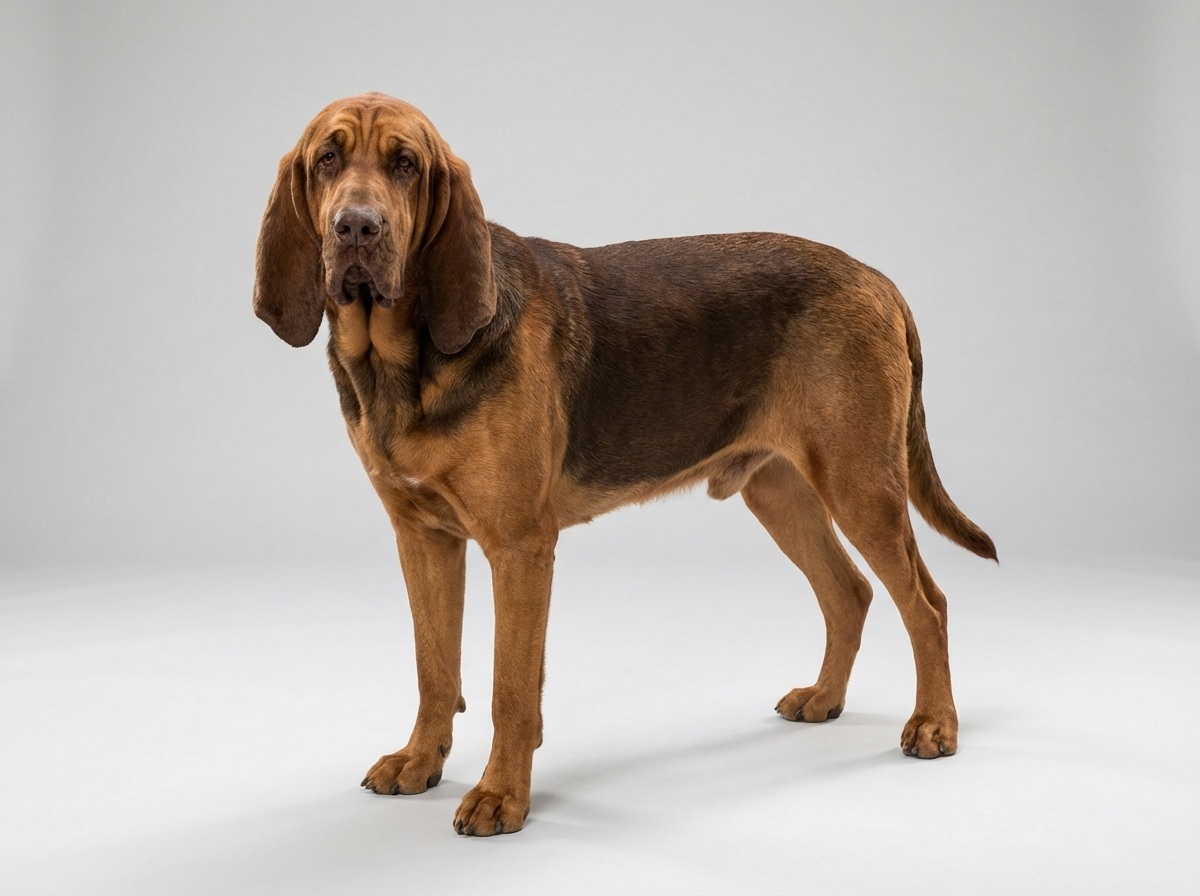
Bloodhound back problems often stem from their long spine and relatively short legs. This can lead to discomfort and issues with mobility, especially as they age. Owners may notice their Bloodhound struggling to jump, climb stairs, or even stand up after resting.
Back problems are fairly common in Bloodhounds, especially as they reach middle age. It's important for owners to be aware of these issues to provide appropriate care and preventative measures.
Bloodhounds have a long spine and short legs, which can lead to back problems. Their unique body structure makes them more susceptible to issues like herniated discs and arthritis as they age. Additionally, their energetic nature means they may engage in activities that strain their backs.
Inappropriate exercise or lack of proper support can worsen back problems. For example, jumping from high surfaces or rough play can strain their back. Obesity is another significant factor; extra weight puts added stress on their spine and joints.
If your Bloodhound experiences persistent back pain, limping, or difficulty standing up, it's essential to consult a vet. They can diagnose any underlying issues and recommend appropriate treatments or medications.
Avoiding certain behaviors can help manage Bloodhound back problems effectively. Here are common mistakes owners make and safer alternatives to consider.
Start here: Bloodhound Most Common Genetic Disorders: What to Screen For
See all Bloodhound health problems, which breeds are prone to back problems, or the full Bloodhound breed guide for temperament, exercise needs and ownership costs.
Expect to see improvements within 4 to 8 weeks with consistent care and follow-up with your vet.
Success means your Bloodhound can move comfortably without pain, engage in regular activities, and respond positively to training commands.
Maggie, a busy nurse in Atlanta, adopted Benji, a cheerful Bloodhound, who soon developed back problems due to his long spine and short legs. At first, Maggie was overwhelmed; Benji struggled to jump onto the couch and would yelp when playing. After consulting a vet and starting a gentle exercise routine, along with targeted training sessions, Maggie noticed gradual improvements. Within a couple of months, Benji was back to his playful self, enjoying family walks and even learning new tricks.
Key takeaway: Patience and a structured training approach can significantly improve your Bloodhound's back problems, making for a happier, healthier dog.
Signs of back problems in a Bloodhound can include difficulty getting up, reluctance to jump, or a noticeable change in walking or running. You might also see them avoiding certain movements or showing signs of pain when their back is touched.
To help prevent back problems in your Bloodhound, maintain a healthy weight and provide regular low-impact exercise. Avoid jumping from heights and ensure they have a supportive bed. Consult your vet for tailored exercise and care recommendations.
Signs of back problems may include difficulty in standing or walking, reluctance to jump, or signs of pain when touched along the back. If you notice any of these symptoms, consult your vet for a thorough examination.
Yes, training is crucial for preventing injuries related to back problems. Focus on teaching your Bloodhound commands for safe movements, and avoid activities that could strain their back. Consistent training can help them navigate their environment safely.
Unfortunately, back problems can worsen as your Bloodhound ages due to degenerative changes in their spine. Regular vet visits and monitoring their mobility are essential to address any developing issues early.
Gentle exercises such as short walks, swimming, and controlled play can be beneficial for Bloodhounds with back problems. Always discuss an appropriate exercise plan with your vet to ensure it meets your dog's specific needs.
Yes, older Bloodhounds are more prone to back problems due to age-related issues like arthritis or degenerative disc disease. Regular vet check-ups are essential to monitor their back health as they age.
Preventing back problems in your Bloodhound involves maintaining a healthy weight, providing proper exercise, and avoiding activities that strain their back. Regular vet visits can help catch any potential issues early.
If your Bloodhound shows persistent signs of discomfort, such as yelping when touched or a noticeable limp, it's time to visit the vet. Early intervention can make a significant difference in treatment outcomes.
Yes, training that emphasizes gentle movements and proper posture can help. Focus on exercises that strengthen their core and back muscles, but always consult with a vet or professional trainer before starting any new regimen.
To manage Bloodhound back problems, keep them at a healthy weight, provide supportive bedding, and avoid jumping from heights.
Aim for at least 30-60 minutes of moderate exercise daily for your Bloodhound, adjusting intensity based on their back condition.
If your Bloodhound shows signs of back pain, such as reluctance to move or yelping when touched, contact your vet immediately.
A balanced diet with appropriate nutrients can help maintain your Bloodhound's weight and overall health, which is crucial for back support.
Use positive reinforcement to teach your Bloodhound commands that promote safe movement and limit activities that could strain their back.
A one-page prep sheet for this condition: the signs, the questions to ask, what to get priced. Unlocks here.
You get: Vet visit prep sheet
No spam. One-click unsubscribe. See our privacy policy.
Preview page 1 before you decide.