Health
What should I do if my Bloodhound has ARVC?
Consult your veterinarian for a tailored treatment plan and regular health assessments.

Quick answer
What should I do if my Bloodhound has ARVC?
Consult your veterinarian for a tailored treatment plan and regular health assessments.
Bloodhound arrhythmogenic right ventricular cardiomyopathy (ARVC) is a serious heart condition that affects your dog's health and quality of life.
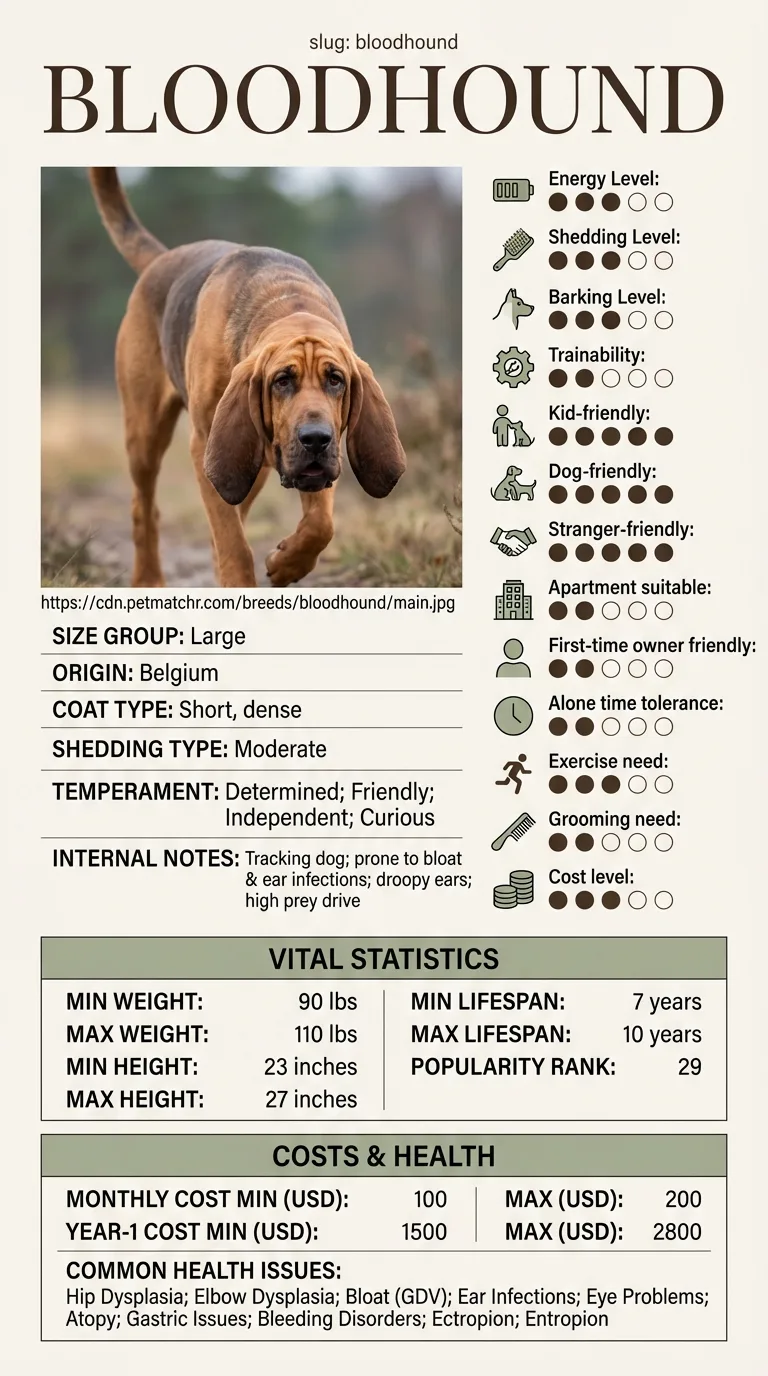
Typically, owners of Bloodhounds, especially those with active or aging dogs, may notice symptoms and seek help. It's often a concern for dedicated dog lovers who want to ensure their pets live healthy, happy lives.
This guide is not medical advice. If your dog shows pain, sudden behavior change, or worsening symptoms, consult a licensed veterinarian.
Some links may be affiliate links. We may earn a commission at no extra cost to you. We only suggest products we believe are helpful for dog owners.
We research and check what we publish, but we do not warrant that any figure, date, price, or statement is accurate, complete, or current, and we accept no liability for any loss, cost, injury, or other harm arising from the use of this site. Use it as one reference among several. You remain responsible for your own decisions and for your dog's care - confirm anything that matters with a licensed veterinarian or another qualified professional before you act on it. Full disclaimer.
Check this first
Understanding when Bloodhound arrhythmogenic right ventricular cardiomyopathy (ARVC) becomes an emergency can save your dog's life. Red flags to watch for include sudden weakness, collapse, or extreme lethargy. If your Bloodhound is experiencing these symptoms, call your vet immediately, as they may indicate a critical situation requiring urgent care.
If any of these apply, call your vet or an emergency clinic now. The rest of this page is for the cases that are not an emergency.
Bloodhound arrhythmogenic right ventricular cardiomyopathy (ARVC) is a serious heart condition that affects the dog's heart rhythm. This can lead to sudden fainting, lethargy, or even sudden death. Owners may notice their Bloodhound tiring easily during walks or showing signs of distress during physical activity.
ARVC is relatively common in Bloodhounds, particularly as they age. While not every Bloodhound will develop this condition, it's something to monitor, especially in breeds predisposed to heart problems.
Bloodhounds are a large breed known for their unique heart structure, which can sometimes lead to issues like arrhythmogenic right ventricular cardiomyopathy (ARVC). This condition is partly genetic, and certain lines may be more susceptible due to breeding practices. Additionally, their independent nature can make them less responsive to training, which can exacerbate health issues.
Environmental factors such as diet, exercise, and stress can also influence ARVC in Bloodhounds. An improper diet high in fillers or low in essential nutrients can strain their hearts. Furthermore, high-stress situations or a lack of physical activity can worsen their health and increase the risk of heart conditions.
Talk to your vet if you notice symptoms like coughing, fatigue, or changes in appetite. Early intervention is crucial for managing ARVC and ensuring your Bloodhound remains healthy.
Addressing Bloodhound arrhythmogenic right ventricular cardiomyopathy (ARVC) can be tricky. Here are common mistakes owners make that can worsen the situation, along with safer alternatives.
Start here: Bloodhound Most Common Genetic Disorders: What to Screen For
See all Bloodhound health problems, which breeds are prone to arrhythmogenic right ventricular cardiomyopathy arvc, or the full Bloodhound breed guide for temperament, exercise needs and ownership costs.
Addressing Bloodhound arrhythmogenic right ventricular cardiomyopathy (ARVC) can take several months of consistent care and follow-up with your vet. Owners should expect to see gradual improvements in their dog's behavior and health with ongoing veterinary support.
Success means managing your Bloodhound's symptoms effectively, ensuring they can enjoy daily activities safely. You'll notice a calmer demeanor and reduced anxiety around triggers as you work through training and care.
In less severe cases, you might notice mild symptoms like occasional coughing, slight fatigue, or irregular heartbeat. These symptoms should still be taken seriously but may not require immediate veterinary attention. Keep a close eye on your Bloodhound's behavior and consider monitoring their condition over a few days, while maintaining communication with your vet for guidance.

When Sarah adopted Bella, her energetic Bloodhound, she quickly noticed something was off. Bella often seemed anxious and would occasionally have racing heart episodes. After consulting her vet, Sarah learned about Bloodhound arrhythmogenic right ventricular cardiomyopathy (ARVC). With guidance from a vet and a specialized trainer, Sarah created a structured routine. They focused on calming exercises and avoiding overstimulation. Over time, Bella became more relaxed and responsive to cues. Sarah felt relieved seeing her dog thrive again, and their bond grew stronger.
Key takeaway: With proper training and support, managing Bloodhound ARVC is possible. Early intervention and consistent routines can significantly improve your dog's quality of life.
Bloodhound arrhythmogenic right ventricular cardiomyopathy (ARVC) is a heart rhythm disorder that affects the dog's heart's ability to pump blood effectively. This condition can lead to serious health issues, including sudden cardiac arrest if not addressed.
Managing ARVC typically involves regular veterinary check-ups, medication, and monitoring your dog's activity levels. Reducing stress and avoiding strenuous exercise can also be beneficial in keeping your dog stable.
While there is no cure for ARVC, treatment options such as medications and lifestyle changes can help manage the symptoms. Regular check-ups with your vet are crucial for monitoring your Bloodhound's heart health.
Stopping ARVC isn't possible, but you can manage it effectively. Work closely with your veterinarian to create a treatment plan that includes monitoring, medications, and lifestyle adjustments.
Early signs of Bloodhound arrhythmogenic right ventricular cardiomyopathy (ARVC) may include lethargy, fainting, or a noticeable decrease in exercise tolerance. If you notice any of these symptoms, it's important to consult your vet promptly for evaluation.
Yes, older Bloodhounds may experience more severe symptoms from arrhythmogenic right ventricular cardiomyopathy (ARVC). As they age, their overall health may decline, making it crucial to monitor their heart health more closely.
If your Bloodhound faints or collapses, seek veterinary care immediately. This could be a sign of arrhythmogenic right ventricular cardiomyopathy (ARVC) or another serious condition that needs urgent attention.
Diagnosis typically involves a combination of physical examinations, electrocardiograms (ECGs), and possibly echocardiograms. Your vet will determine the best approach based on your dog's symptoms and history.
Yes, lifestyle changes such as reducing stress, providing a balanced diet, and ensuring regular, gentle exercise can help manage Bloodhound arrhythmogenic right ventricular cardiomyopathy (ARVC). Discuss these options with your vet for a tailored plan.
Consult your veterinarian for a tailored treatment plan and regular health assessments.
Limit high-energy activities and focus on gentle walks to keep your Bloodhound active without overexertion.
Costs can vary, but expect to spend around $100 to $200 monthly for medications and veterinary care.
Regular veterinary visits are recommended every 6 to 12 months for monitoring heart health.
Yes, ARVC can be passed down genetically, so it's important to discuss family history with your vet.
A one-page prep sheet for this condition: the signs, the questions to ask, what to get priced. Unlocks here.
You get: Vet visit prep sheet
No spam. One-click unsubscribe. See our privacy policy.
Preview page 1 before you decide.