Bloodhound Anesthesia Sensitivity: What You Need to Know
Quick answer
What are quick tips for Bloodhound anesthesia sensitivity?
Always inform your vet about your Bloodhound's history with anesthesia. Consider pre-anesthetic testing to determine the safest options. Monitor your dog closely after any procedure.
Bloodhound anesthesia sensitivity is a serious concern for dog owners. This sensitivity can lead to complications during routine procedures.
Owners of Bloodhounds, especially first-time dog parents or those with limited veterinary experience, often find themselves worried about anesthesia sensitivity. These concerns can arise during surgeries, dental cleanings, or even minor procedures.
Important reminder
This guide is not medical advice. If your dog shows pain, sudden behavior change, or worsening symptoms, consult a licensed veterinarian.
Some links may be affiliate links. We may earn a commission at no extra cost to you. We only suggest products we believe are helpful for dog owners.
We research and check what we publish, but we do not warrant that any figure, date, price, or statement is accurate, complete, or current, and we accept no liability for any loss, cost, injury, or other harm arising from the use of this site. Use it as one reference among several. You remain responsible for your own decisions and for your dog's care - confirm anything that matters with a licensed veterinarian or another qualified professional before you act on it. Full disclaimer.
Check this first
When Bloodhound Anesthesia Sensitivity is an Emergency
Understanding when Bloodhound anesthesia sensitivity is an emergency is crucial for your dog's health. Some signs require immediate action, while others can be monitored at home. Knowing the difference can save your dog's life.
Emergency Signs:
- If your Bloodhound experiences difficulty breathing or shows signs of distress during or after anesthesia, call your vet immediately.
- Uncontrolled bleeding or severe swelling at the injection site is also a red flag. These symptoms can indicate a severe reaction to anesthesia.
- If your dog is unresponsive or has a significant change in heart rate, seek help right away.
Monitor at Home:
- Mild lethargy or drowsiness is common after anesthesia. If your Bloodhound is simply a bit sleepy but responsive, you can usually monitor them at home.
- Watch for mild nausea or slight vomiting. As long as your dog is still drinking water and eating small amounts, it may not be an emergency.
- If your Bloodhound seems slightly anxious or restless post-anesthesia, this can be normal. You can create a calming environment and monitor their behavior closely.
Being proactive about your Bloodhound's anesthesia sensitivity will help you distinguish between emergencies and situations that can be managed at home. If in doubt, always consult your vet for guidance.
If any of these apply, call your vet or an emergency clinic now. The rest of this page is for the cases that are not an emergency.
What this problem looks like
Bloodhound anesthesia sensitivity can be a serious concern for pet owners. This condition manifests as an unusual reaction to anesthetics, which can lead to longer recovery times or complications during procedures. Common signs include excessive lethargy, prolonged anesthesia effects, and difficulty waking up after surgery.
Common triggers
Genetic predisposition to anesthesia sensitivity
Certain medical conditions or medications
Age-related changes impacting drug metabolism
Anesthesia sensitivity in Bloodhounds is not the most common issue, but it can occur. Owners should be aware that due to their size and unique physiology, Bloodhounds may require special consideration during anesthesia. Regular check-ups and open communication with the veterinarian can help manage this risk.
Why this happens
Breed factors
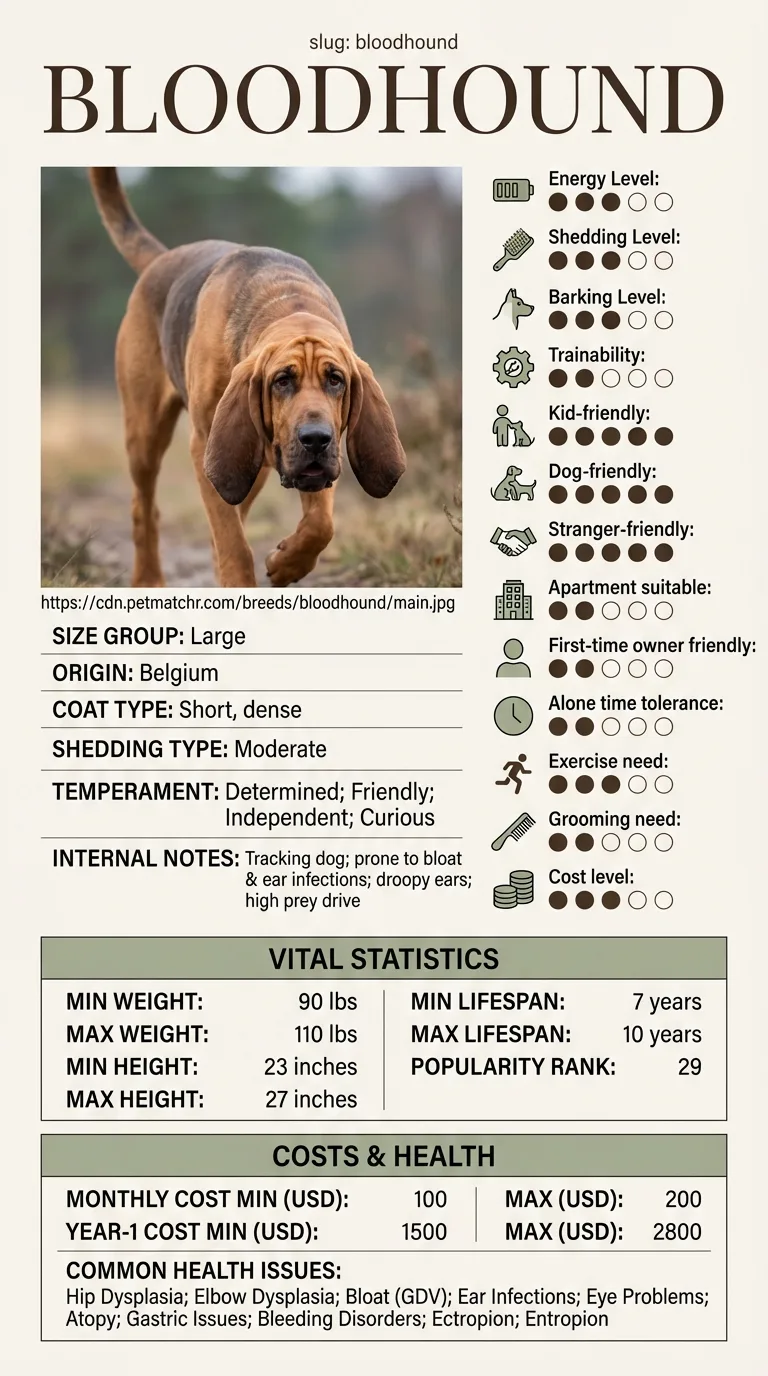
Bloodhounds have unique physiological traits that can affect their sensitivity to anesthesia. Their large size and specific metabolism can lead to varied reactions to anesthetic drugs, making them more susceptible than some other breeds.
Environment factors
Factors such as stress, existing health issues, or poor preparation for anesthesia can contribute to sensitivity. For example, a Bloodhound that is nervous or has not been properly acclimated before a procedure may react more strongly to anesthesia.
What you can do at home (once it is not an emergency)
When to talk to your vet
If you notice unusual reactions after anesthesia, such as prolonged grogginess or distress, contact your veterinarian. It’s crucial to address these symptoms early to ensure your dog’s health.
At home, alongside your vet's plan
Create a calm environment for your Bloodhound before veterinary visits. Use soothing music or toys to help reduce anxiety.
Establish a consistent routine leading up to the appointment. Familiarity can lessen stress and anxiety.
Practice handling your Bloodhound gently and positively to build trust with you and prepare them for vet visits.
Mistakes that make Anesthesia Sensitivity worse
Avoid these common mistakes that can exacerbate Bloodhound anesthesia sensitivity.
Ignoring health history: Not sharing your Bloodhound's previous reactions to anesthesia can lead to complications. Always inform your vet about any past issues.
Skipping pre-anesthetic testing: Failing to conduct necessary tests may overlook underlying problems. Always follow your vet's recommendations for bloodwork or other tests.
Choosing the wrong anesthesia type: Some anesthetic drugs are more suitable for sensitive breeds. Work closely with your veterinarian to select the safest options.
Overlooking the recovery environment: A stressful recovery space can heighten anxiety. Ensure your Bloodhound has a calm, quiet place to recover post-surgery.
Rushing recovery time: Not allowing enough time for recovery can worsen sensitivity. Give your dog ample time to recover before resuming normal activities.
Disregarding signs of pain or discomfort: Ignoring your dog's signs of distress can lead to serious issues. Always monitor your Bloodhound closely after any procedure.
Not seeking a second opinion: If unsure about your vet's approach, consult another professional. A fresh perspective can provide valuable insights.
You can expect noticeable improvements in your Bloodhound's anesthesia sensitivity within 2 to 4 months of consistent care and management.
Successful management means your Bloodhound displays less anxiety during vet visits and can recover from anesthesia with fewer issues, allowing for safer procedures.
How Jenna Helped Her Bloodhound, Max, Overcome Anesthesia Sensitivity
Jenna, a first-time dog owner in Atlanta, noticed that her Bloodhound, Max, would become extremely anxious before vet visits. After a particularly stressful experience with anesthesia, Jenna decided to take action. She consulted with her veterinarian about Bloodhound anesthesia sensitivity and learned about training techniques that could help. Over the next few months, Jenna created a routine that included desensitization exercises, like taking Max to the vet for non-invasive visits to get him used to the environment. She also practiced commands to help him relax during vet visits. Gradually, Max became more comfortable and less anxious. The next time he needed anesthesia for a routine procedure, he handled it much better, and recovery was smoother.
Key takeaway: With patience and consistent training, you can help your Bloodhound manage anesthesia sensitivity, making vet visits less stressful for both of you.
Frequently asked questions
Why does my Bloodhound have anesthesia sensitivity?
Bloodhounds can be sensitive to anesthesia due to their size and unique metabolism. Their body may process drugs differently, leading to prolonged effects or adverse reactions. Always consult a vet for tailored advice and pre-anesthetic assessments.
How can I stop Bloodhound anesthesia sensitivity?
While you can't eliminate anesthesia sensitivity, you can prepare by discussing your Bloodhound's history with your vet. Ensure they perform thorough pre-anesthetic tests and adjust dosages based on your dog's weight and health. Monitoring during and after procedures is crucial.
What signs indicate my Bloodhound is sensitive to anesthesia?
Signs of anesthesia sensitivity include prolonged recovery, difficulty breathing, or unusual behavior post-surgery. If your Bloodhound shows these symptoms, contact your vet immediately. Early intervention can prevent serious issues.
What should I discuss with my vet about Bloodhound anesthesia sensitivity?
Talk about your Bloodhound's medical history, including any previous reactions to anesthesia. Ask about pre-anesthetic blood tests and the types of anesthesia best suited for their needs. Your vet can provide recommendations tailored to your dog.
What signs indicate my Bloodhound might have anesthesia sensitivity?
Signs of anesthesia sensitivity in Bloodhounds can include prolonged recovery times, unusual behavior after anesthesia, or severe reactions during procedures. If your dog seems excessively groggy or unresponsive, it’s important to contact your vet.
Can anesthesia sensitivity in Bloodhounds be managed or treated?
Yes, managing anesthesia sensitivity can involve pre-anesthesia testing and careful monitoring during procedures. Your vet may recommend specific protocols to minimize risks, including using alternative anesthetics or adjusting dosages.
Is anesthesia sensitivity more common in older Bloodhounds?
Older Bloodhounds may be more susceptible to anesthesia sensitivity due to age-related health issues. It’s crucial for older dogs to undergo thorough health evaluations before any surgery to assess their risks.
How can I prepare my Bloodhound for anesthesia if they have shown sensitivity before?
If your Bloodhound has a history of anesthesia sensitivity, discuss this with your vet in advance. They may recommend special preparations, such as pre-anesthetic blood work or a modified approach to anesthesia to ensure safety.
What should I do if my Bloodhound reacts poorly to anesthesia?
If your Bloodhound has a negative reaction to anesthesia, contact your veterinarian immediately. They can assess the situation and provide the necessary care to help your dog recover safely.
What are quick tips for Bloodhound anesthesia sensitivity?
Always inform your vet about your Bloodhound's history with anesthesia. Consider pre-anesthetic testing to determine the safest options. Monitor your dog closely after any procedure.
Health
How can I prepare my Bloodhound for anesthesia?
Ensure your Bloodhound is well-hydrated and discuss any medications with your vet prior to anesthesia. Share any health concerns and follow pre-surgery instructions carefully.
Costs
What are the costs associated with Bloodhound anesthesia sensitivity?
Costs can vary based on pre-anesthetic testing and monitoring requirements. Expect to spend around $100 to $500 depending on the complexity of the procedure and your vet's fees.
A fuller vet-visit kit for Bloodhound Anesthesia Sensitivity
The free prep sheet covers the same-day warning signs, a symptom log and the questions to ask. We are considering a fuller kit that adds a cost worksheet for the usual tests and treatments (US price ranges with their sources) and a plain-English guide to ways of covering the bill. It is not built yet; this list tells us whether it is worth building.
One email, no spam, unsubscribe anytime. Information only, not veterinary advice.