What are quick tips for managing Bernedoodle intervertebral disc disease (IVDD)?
Keep your Bernedoodle at a healthy weight, provide gentle exercise, and avoid high-impact activities. Regular vet visits are essential for monitoring their condition.
Bernedoodle intervertebral disc disease (IVDD) is a serious condition that affects the spine of your beloved pet. Proper understanding and management are crucial for their well-being.

Typically, owners of Bernedoodles, especially those with older dogs or those prone to weight gain, struggle with IVDD. This can be particularly concerning for families who want to ensure their furry friends lead a happy and active life.
This guide is not medical advice. If your dog shows pain, sudden behavior change, or worsening symptoms, consult a licensed veterinarian.
Some links may be affiliate links. We may earn a commission at no extra cost to you. We only suggest products we believe are helpful for dog owners.
Bernedoodle intervertebral disc disease (IVDD) primarily affects the spine, leading to pain and mobility issues. Owners may notice their dog struggling to jump, play, or even walk comfortably. This condition can be triggered by sudden movements, obesity, or age, making it a significant concern for Bernedoodle owners.
Intervertebral disc disease (IVDD) is relatively common in Bernedoodles, especially as they age. While not every Bernedoodle will develop this issue, it's important for owners to be aware of the signs and take preventative measures.
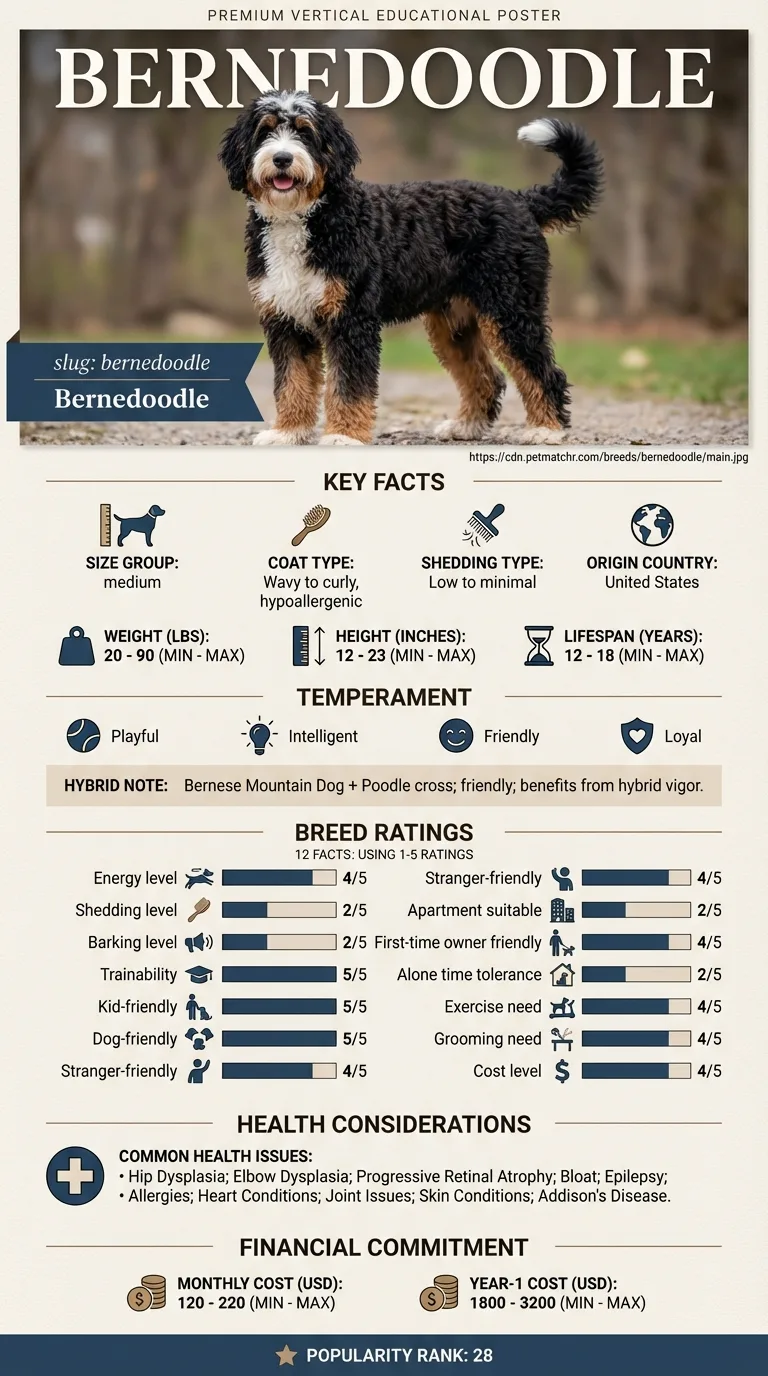
Bernedoodles are medium-sized dogs with a higher risk of intervertebral disc disease (IVDD) due to their genetics. The combination of their Bernese Mountain Dog and Poodle lineage can predispose them to spine issues. Their weight range also contributes, as excess weight can put additional strain on their spinal discs.
Environmental factors such as lack of exercise, poor nutrition, and excessive jumping can exacerbate the risk of IVDD. Additionally, living in a space that doesn't allow for safe movement, like small apartments with limited activity, can increase the likelihood of spinal injuries. Overexertion during playtime can also lead to potential back problems.
If your Bernedoodle struggles with specific movements or shows signs of pain, consider consulting a trainer who specializes in canine rehabilitation. They can provide tailored exercises to strengthen your dog's back and improve mobility. Training can also help teach your dog how to move safely in and out of cars and other spaces.
If you notice any signs of discomfort, such as reluctance to jump, changes in posture, or difficulty walking, it's essential to consult your vet. Early intervention is key to managing IVDD effectively. Your vet can provide a proper diagnosis and recommend treatment options, which may include medication or physical therapy.
Managing Bernedoodle intervertebral disc disease (IVDD) effectively can take several weeks to months. Consistent training and care can lead to significant improvements in mobility and comfort within 4-6 weeks.
Success means your Bernedoodle experiences reduced pain and improved mobility. A successful management plan allows them to enjoy daily activities with less discomfort and a happier demeanor.
Avoiding common mistakes will help manage your Bernedoodle's intervertebral disc disease (IVDD). Here are some behaviors to watch out for.
Recognizing when Bernedoodle intervertebral disc disease (IVDD) becomes an emergency is crucial for your dog's health. Look for red-flag signs that indicate immediate veterinary attention is needed. These include sudden inability to walk, severe pain, or loss of bladder control. If your dog is dragging their back legs or whining in pain, call your vet right away.
On the other hand, mild cases of IVDD can often be monitored at home. Symptoms like occasional stiffness or mild discomfort during play might not require urgent care. In these situations, provide a calm environment and limit activity while keeping an eye on any changes. If symptoms worsen or persist for more than a day, don’t hesitate to consult your vet.
Stay attentive to your Bernedoodle's condition, and always err on the side of caution. Keeping a close watch can help ensure your furry friend receives the right care at the right time.

When Sarah adopted Max, her playful Bernedoodle, she noticed him struggling to jump onto the couch. After a visit to the vet, Sarah learned Max had intervertebral disc disease (IVDD). At first, she felt overwhelmed, unsure how to help him. With the vet's guidance, Sarah began a regimen of gentle exercises and physical therapy. Each day, she worked with Max on strengthening his back through low-impact activities. Slowly, Max regained his confidence, and after a few months, he could jump onto the couch again, tail wagging with joy.
Key takeaway: With patience and the right support, managing Bernedoodle intervertebral disc disease (IVDD) is possible, allowing your dog to lead a happier life.

Bernedoodles can develop intervertebral disc disease (IVDD) due to genetic factors, particularly inherited traits from their parent breeds, the Bernese Mountain Dog and Poodle. Excessive weight, lack of exercise, and certain activities that put stress on the spine can also contribute. Regular vet check-ups can help catch any early signs.
Signs of IVDD in Bernedoodles include difficulty walking, reluctance to jump, and signs of pain when touched on the back. If you notice any of these symptoms, it's crucial to consult your vet immediately. Early diagnosis can lead to better management and treatment options.
Treatment for IVDD may include medication for pain management, physical therapy, and in some cases, surgery. Your vet will recommend the best course based on the severity of the condition. It's important to follow their guidance closely for your Bernedoodle’s recovery.
While not all cases of IVDD can be prevented, you can reduce the risk by maintaining a healthy weight, providing regular exercise, and avoiding high-impact activities. Additionally, consider using ramps for your dog to reduce stress on their spine when getting in and out of vehicles or up and down stairs.
At home, create a comfortable space for your Bernedoodle with soft bedding and limit their jumping or running. Gentle, controlled exercise is beneficial, but avoid strenuous activities. Keeping a consistent routine can help manage their stress and anxiety.
Yes, older Bernedoodles are more susceptible to intervertebral disc disease (IVDD). As dogs age, the discs in their spine can degenerate, making them prone to issues. Regular vet check-ups are important for older dogs to monitor their spinal health.
Early signs of IVDD in Bernedoodles may include difficulty jumping, reluctance to play, or unusual stiffness. You might also notice changes in their posture or a decrease in activity levels. If you notice any of these signs, consult your vet as soon as possible.
Managing your Bernedoodle's IVDD at home involves creating a comfortable environment and limiting their physical activity. Consider using ramps to help them get on and off furniture and providing supportive bedding. Regular gentle exercise, as advised by your vet, can also help maintain their strength.
Not all cases of intervertebral disc disease (IVDD) in Bernedoodles require surgery. Treatment options vary based on the severity of the condition. Some dogs can be managed with conservative care, including medication and physical therapy, while others may need surgical intervention.
If your Bernedoodle is showing signs of severe pain due to intervertebral disc disease (IVDD), it's crucial to seek immediate veterinary care. Severe pain can indicate a serious condition that may require urgent treatment. Your vet will assess the situation and recommend the best course of action.
Keep your Bernedoodle at a healthy weight, provide gentle exercise, and avoid high-impact activities. Regular vet visits are essential for monitoring their condition.
Treatment for IVDD can range from $500 to $5,000, depending on the severity and whether surgery is required. Regular vet check-ups may add to annual costs.
Yes, IVDD can be hereditary, especially due to the genetic predispositions from the Bernese Mountain Dog. Responsible breeding can help reduce the risk.
If your Bernedoodle shows symptoms like reluctance to move or pain, take them to the vet immediately. Quick action can improve their prognosis.