DogBreedCompass
← Back to breed profile

Belgian Malinois Wobbler Syndrome: Causes and Solutions

Belgian Malinois wobbler syndrome is a serious condition that affects your dog's mobility and quality of life.

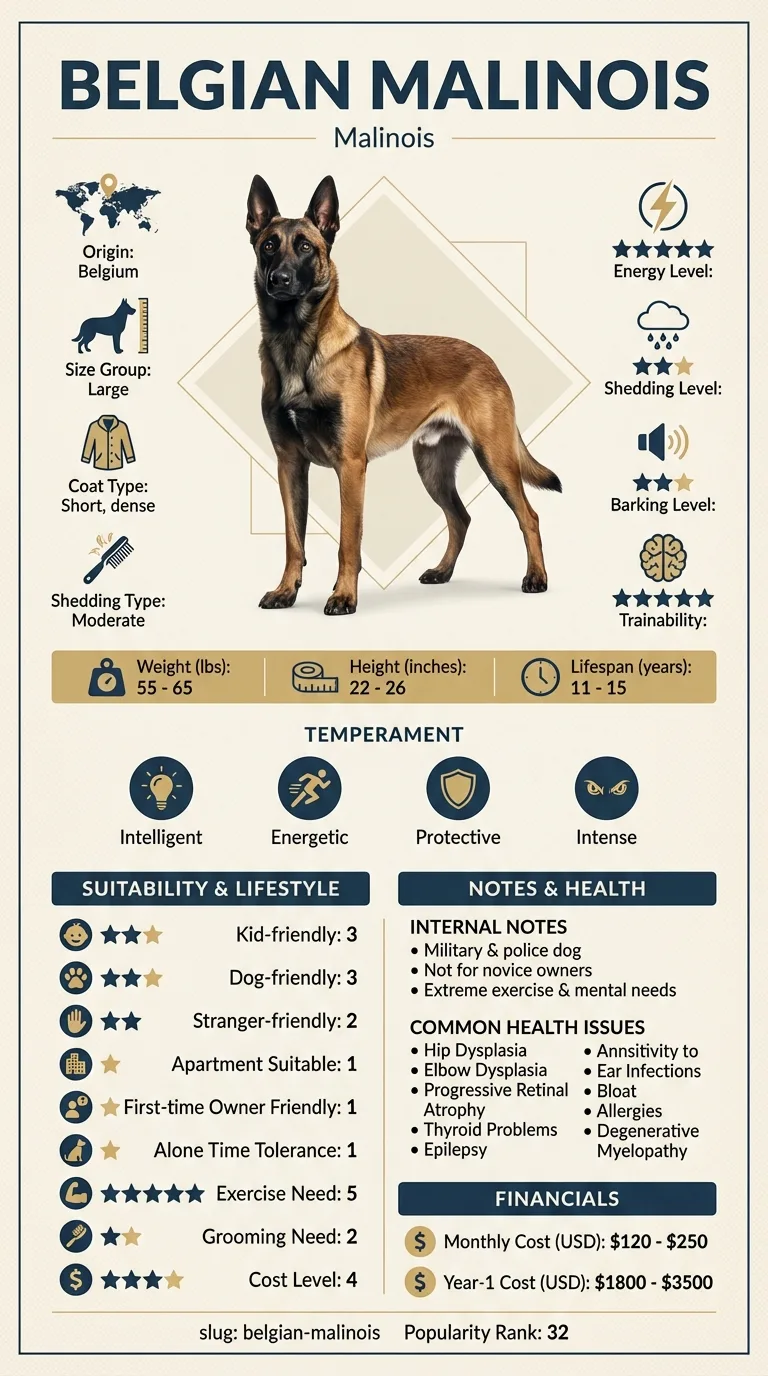
Belgian Malinois Wobbler Syndrome: Causes and Solutions infographic

Typically, owners of Belgian Malinois, especially those who are first-time dog parents or live in active households, may find themselves facing this issue. It can be overwhelming when a beloved pet shows signs of discomfort and difficulty moving.

Important reminder

This guide is not medical advice. If your dog shows pain, sudden behavior change, or worsening symptoms, consult a licensed veterinarian.

Some links may be affiliate links. We may earn a commission at no extra cost to you. We only suggest products we believe are helpful for dog owners.

What this problem looks like

Belgian Malinois wobbler syndrome is a serious health concern affecting these energetic dogs. It manifests as a wobbly gait, difficulty walking, and sometimes even pain in the neck and spine. This condition, also known as cervical vertebral instability, can significantly impact their mobility and quality of life.

Common triggers

  • Genetics, as some Malinois are predisposed to this condition.
  • High-impact activities or excessive exercise, especially in young dogs.
  • Injuries or trauma to the neck region.

Wobbler syndrome is relatively common in Belgian Malinois compared to other breeds, particularly those involved in high-intensity activities. While not every Malinois will develop this issue, awareness and early intervention are crucial for managing symptoms and maintaining their active lifestyle.

Why this happens

Breed factors

Belgian Malinois wobbler syndrome is often linked to genetic factors. This breed is predisposed to cervical vertebral instability, which can lead to nerve compression. Their strong, athletic build also means they may be more susceptible to this condition.

Environment factors

Environmental factors can contribute to wobbler syndrome. Excessive jumping or rough play can strain their neck and spine. Additionally, poor nutrition or obesity can worsen the symptoms by putting extra stress on their joints.

What you can try

At-home strategies

  • Limit high-impact activities like jumping or running on hard surfaces.
  • Provide a balanced diet to maintain a healthy weight. Consult with a vet for specific dietary recommendations.
  • Use a supportive harness instead of a collar to avoid neck strain during walks.
  • Incorporate gentle exercises like swimming or slow walks to keep them active without excessive stress.

When to consider a trainer

If your Belgian Malinois shows persistent wobbling or difficulty with coordination, a professional trainer can help. They can also assist with adjusting exercise routines and teaching commands that minimize strain.

When to talk to your vet

Consult a vet if your dog exhibits severe wobbling, pain, or behavioral changes. Early intervention is crucial to manage symptoms effectively and discuss potential treatments, including medication or surgery.

Realistic expectations

Managing Belgian Malinois wobbler syndrome can take several months. Initial assessments and treatments may begin within weeks, but noticeable improvements often require consistent training and care over six months to a year.

Success means your Belgian Malinois shows reduced wobbling and improved mobility. You'll see them engaging in normal activities, like playing and walking, with less discomfort and more confidence.

Mistakes that make this worse

Addressing Belgian Malinois wobbler syndrome can be challenging. However, certain owner behaviors can unintentionally worsen the condition. Here are common mistakes to avoid.

  • Ignoring early signs: Many owners overlook the initial symptoms of wobbler syndrome, thinking it's just clumsiness. Early detection is crucial. If you notice your Malinois wobbling or showing difficulty in movement, consult a vet immediately.
  • Over-exercising your dog: While exercise is vital, pushing your Malinois too hard can exacerbate wobbler syndrome symptoms. Instead, provide regular, moderate exercise and focus on low-impact activities to keep them fit without stressing their spine.
  • Neglecting proper nutrition: A poor diet can lead to obesity, which puts extra strain on your Malinois's joints. Ensure they have a balanced diet rich in nutrients that support joint health. Consult your vet for dietary recommendations.
  • Using harsh training methods: Punitive training techniques can increase anxiety and stress, worsening behavior issues linked to wobbler syndrome. Opt for positive reinforcement methods to encourage good behavior without adding pressure.
  • Not providing mental stimulation: A bored Malinois may develop problematic behaviors, which can complicate existing issues. Engage your dog with puzzle toys, training sessions, and interactive games to keep their mind active.
  • Skipping vet visits: Some owners may feel that they can manage their dog's condition without regular vet check-ups. Consistent veterinary care is essential for monitoring wobbler syndrome and adjusting treatment plans as needed.
  • Failing to adapt your home: Not making your living space dog-friendly can lead to accidents and falls. Ensure your home is safe with non-slip surfaces and avoid stairs whenever possible.

When Belgian Malinois Wobbler Syndrome is an Emergency

Recognizing when Belgian Malinois wobbler syndrome becomes an emergency is crucial for your dog's health. If your dog exhibits severe signs such as an inability to stand, sudden loss of coordination, or extreme discomfort, it's time to call your vet immediately. These symptoms indicate a potential worsening of the condition and require prompt intervention.

Milder cases of wobbler syndrome may present with less alarming symptoms like slight wobbling when walking or occasional difficulty jumping. If your Belgian Malinois shows these signs but is still able to move around and engage in normal activities, you can monitor the situation at home. However, a clear plan should be in place, including regular vet check-ups to assess their condition.

It's essential to remain vigilant. If you notice any worsening of symptoms, such as increased stumbling or a change in appetite, it's best to seek professional advice quickly. Always trust your instincts as a pet owner; better safe than sorry when it comes to your dog's health.

Belgian Malinois Wobbler Syndrome: Causes and Solutions - When Belgian Malinois Wobbler Syndrome is an Emergency

A Journey with Max: Overcoming Wobbler Syndrome

Sarah, a dedicated dog owner in Texas, noticed her Belgian Malinois, Max, had trouble keeping his balance. After a vet diagnosis of wobbler syndrome, she felt overwhelmed but knew she had to act. With the vet’s guidance, Sarah started a tailored training program that focused on gentle exercises and weight management. Gradually, Max's coordination improved, and he returned to his playful self, running around the yard with joy.

Key takeaway: Patience and a well-structured training plan are essential for managing Belgian Malinois wobbler syndrome. Consistent support can lead to significant improvements in your dog's quality of life.

Frequently asked questions

What is Belgian Malinois wobbler syndrome?

Belgian Malinois wobbler syndrome is a condition characterized by cervical vertebral instability. This can cause neck pain, weakness, and coordination issues in your dog. It's essential to recognize the symptoms early for effective treatment.

Why does my Belgian Malinois have wobbler syndrome?

Wobbler syndrome can be caused by genetic factors, rapid growth, or injury. Belgian Malinois are particularly prone to this condition due to their physical structure and active nature. Regular vet check-ups can help monitor their spinal health.

How can I stop my Belgian Malinois from experiencing wobbler syndrome?

While you can't completely prevent wobbler syndrome, you can manage it with proper care. Focus on maintaining a healthy weight, providing appropriate exercise, and working with your vet on a treatment plan that may include medication or physical therapy.

What are the treatment options for Belgian Malinois wobbler syndrome?

Treatment options can vary from conservative management like weight control and physical therapy to surgical interventions. Surgery can be costly, ranging from $500 to $7,000, depending on the severity. Your vet will help you decide the best path.

Is training effective for Belgian Malinois with wobbler syndrome?

Training can be beneficial, focusing on low-impact activities and mental stimulation. Avoid high-impact exercises that could worsen their condition. Consult with a professional trainer familiar with wobbler syndrome to tailor a training plan.

What signs should I watch for in my Belgian Malinois related to wobbler syndrome?

Watch for signs like neck pain, stumbling, or difficulty standing. Other symptoms include reduced appetite and reluctance to engage in physical activities. If you notice these signs, contact your vet for evaluation.

What are the early signs of Belgian Malinois wobbler syndrome?

Early signs of Belgian Malinois wobbler syndrome include neck pain, wobbling when walking, and difficulty in coordination. If you notice your Malinois struggling to maintain balance or showing signs of discomfort, it's essential to consult a vet.

Can wobbler syndrome be treated without surgery?

Some cases of Belgian Malinois wobbler syndrome can be managed without surgery through medication, physical therapy, and lifestyle adjustments. However, severe cases often require surgical intervention to relieve pressure on the spinal cord.

At what age do Belgian Malinois typically develop wobbler syndrome?

Belgian Malinois can develop wobbler syndrome as early as 6 months to 2 years old, but it is more common in older dogs. Be vigilant for symptoms, especially if your dog is in a high-risk age group.

How can I help my Belgian Malinois with wobbler syndrome lead a more comfortable life?

To help your Belgian Malinois with wobbler syndrome, provide a comfortable environment with supportive bedding, limit strenuous activities, and ensure they have regular vet check-ups. Special harnesses can also be useful for support during walks.

Are certain bloodlines of Belgian Malinois more prone to wobbler syndrome?

Yes, some bloodlines of Belgian Malinois may have a higher predisposition to wobbler syndrome due to genetic factors. If you're considering adopting or breeding, it's important to research the lineage and consult with breeders about health history.

Quick answers

View more answers
Behavior

What are quick tips for managing Belgian Malinois wobbler syndrome?

Focus on weight management and low-impact exercises. Regular vet visits are crucial for monitoring health. Consider consulting a canine physical therapist for targeted activities.

Costs

How much does treatment for Belgian Malinois wobbler syndrome cost?

Treatment can range from $500 to $7,000 depending on surgical needs. Routine care and consultations can add to your overall costs, so budgeting is essential.

Health

Can wobbler syndrome affect my dog's quality of life?

Yes, wobbler syndrome can impact mobility and comfort. However, with proper management, many dogs can lead fulfilling lives. It's important to stay proactive about their care.

Related DogBreedCompass guides

  • Belgian Malinois behavior problemsLearn about the common behavior problems that can affect your Belgian Malinois, including wobbler syndrome.
  • how to stop Belgian Malinois wobbler syndromeExplore strategies and training techniques specifically designed to help manage Belgian Malinois wobbler syndrome.
  • Belgian Malinois wobbler syndrome trainingUnderstand the importance of training in managing Belgian Malinois wobbler syndrome effectively.
  • Belgian Malinois separation anxiety guideIf your Belgian Malinois suffers from separation anxiety, find helpful resources and tips.
  • Belgian Malinois cost breakdownCheck out the cost breakdown for owning a Belgian Malinois, especially if facing health issues like wobbler syndrome.

Related guides