DogBreedCompass
← Back to breed profile

Belgian Malinois Progressive Retinal Atrophy (PRA-RCD3): What You Need to Know

Belgian Malinois progressive retinal atrophy (PRA-RCD3) is a serious condition that leads to gradual vision loss in your dog. This issue matters because it affects their quality of life and your ability to care for them.

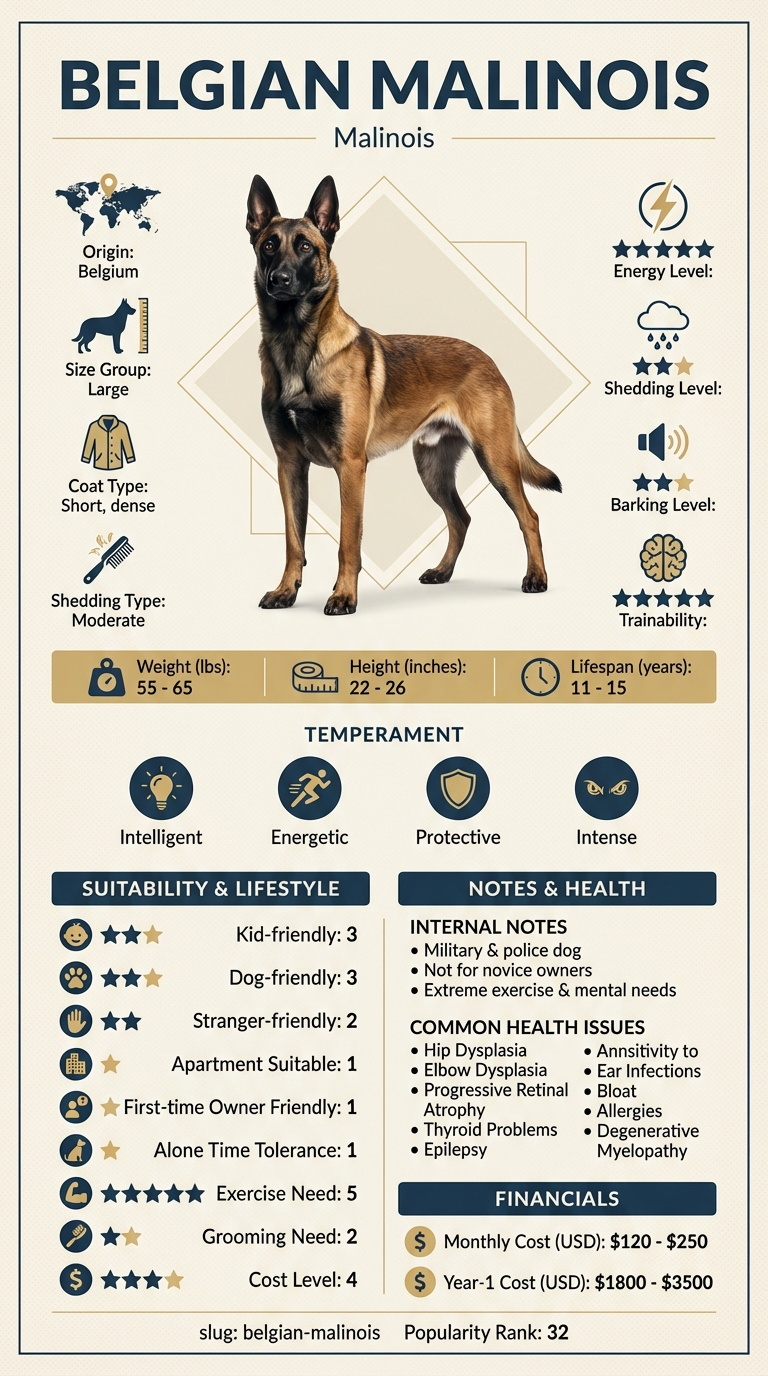
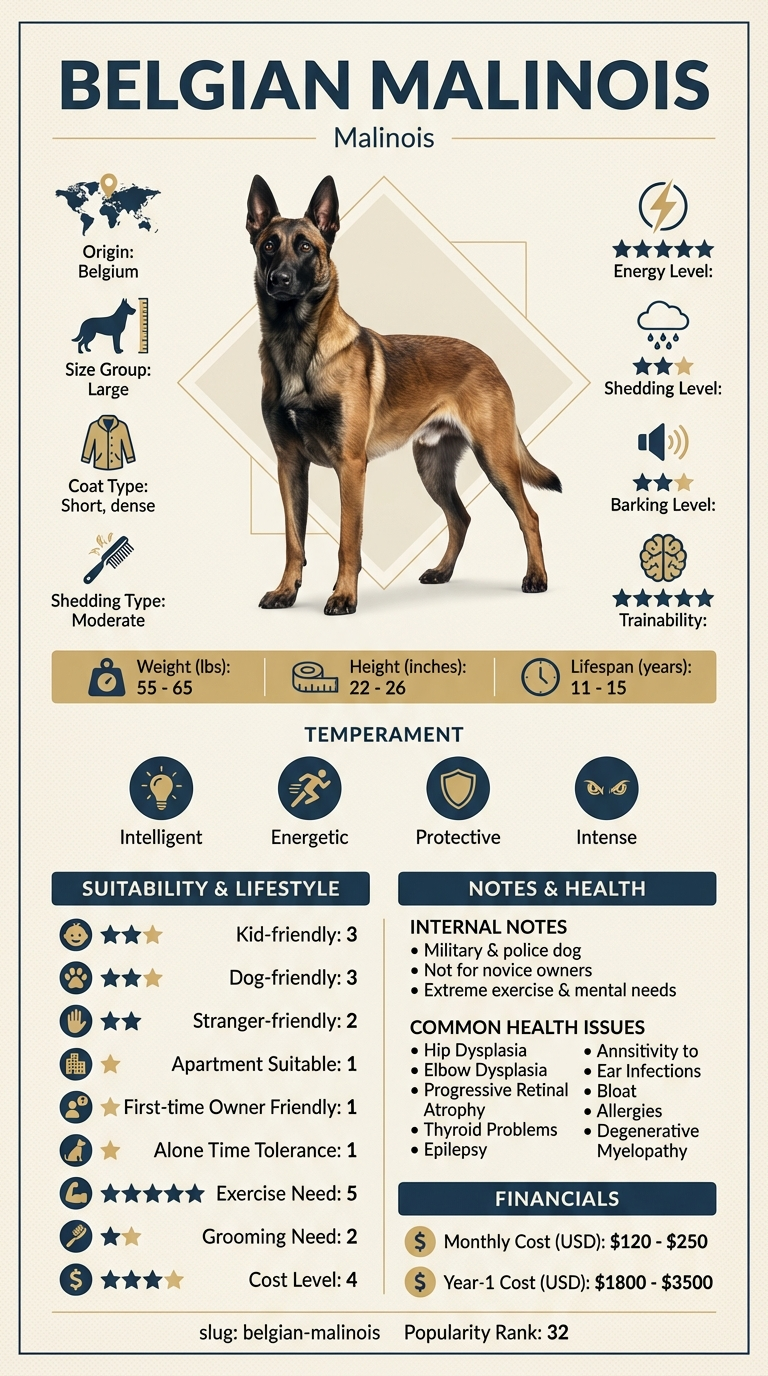
Belgian Malinois Progressive Retinal Atrophy (PRA-RCD3): What You Need to Know infographic

Typically, first-time owners or those unfamiliar with canine health may struggle the most with recognizing and managing PRA-RCD3. Additionally, families who rely on their Malinois for active roles may find it particularly distressing.

Important reminder

This guide is not medical advice. If your dog shows pain, sudden behavior change, or worsening symptoms, consult a licensed veterinarian.

Some links may be affiliate links. We may earn a commission at no extra cost to you. We only suggest products we believe are helpful for dog owners.

What this problem looks like

Belgian Malinois progressive retinal atrophy (pra-rcd3) is a genetic condition that leads to gradual vision loss. This condition often manifests in the dog's younger years and can progress to complete blindness by middle age. Daily life for a Malinois with PRA might include bumping into furniture, difficulty navigating stairs, or appearing disoriented in familiar environments.

Common triggers

  • Genetic predisposition inherited from parents
  • Stressful environments that may worsen anxiety
  • Lack of mental stimulation and exercise

Progressive retinal atrophy (pra-rcd3) is relatively common in Belgian Malinois, affecting a notable percentage of the breed. As these dogs age, the likelihood of developing vision issues increases, making awareness and early detection vital for managing their condition.

Why this happens

Breed factors

Belgian Malinois progressive retinal atrophy (pra-rcd3) is often linked to genetic factors. This breed is prone to certain hereditary conditions, including PRA, which affects the retina and leads to vision loss. If your Malinois has a family history of eye issues, it's more likely to develop this condition.

Environment factors

While genetics play a significant role, environmental factors can also contribute. Exposure to bright sunlight without proper eye protection may accelerate retinal degeneration. Additionally, a lack of proper nutrition can impact overall eye health.

What you can try

At-home strategies

  • Monitor your dog's behavior and vision changes. If you notice signs like bumping into objects or hesitance in new spaces, it might indicate worsening vision.
  • Maintain a consistent environment. Arrange furniture to prevent accidents and provide a clear path for your dog to navigate.
  • Feed a balanced diet rich in omega fatty acids, antioxidants, and vitamins. These nutrients support overall eye health and may slow deterioration.

When to consider a trainer

If your Belgian Malinois shows anxiety or stress due to vision loss, a trainer experienced with special needs dogs can help. They can teach you techniques to guide your dog and manage any behavioral issues that arise.

When to talk to your vet

It's essential to consult your vet if you suspect your dog has progressive retinal atrophy. They can conduct tests to confirm the diagnosis and discuss options for managing the condition, including potential supplements or therapies.

Realistic expectations

You may see gradual changes in your Belgian Malinois's vision over a few months to a couple of years. Regular vet check-ups will help monitor their condition.

Success means adapting your dog's environment to ensure they navigate safely. With proper care, they can still enjoy a good quality of life despite vision loss.

Mistakes that make this worse

Here are some common mistakes that can worsen your Belgian Malinois's progressive retinal atrophy (PRA-rcd3) and some alternatives to keep in mind.

  • Ignoring early signs of vision loss: Many owners overlook subtle signs, thinking their dog will adjust. Instead, address any changes in behavior, like bumping into things, by consulting a vet promptly.
  • Not making home adjustments: Failing to create a safe space for your dog can lead to accidents. Clear pathways, remove obstacles, and use rugs to help your Malinois navigate more easily.
  • Overreacting to their condition: Acting overly protective can make your dog anxious. Instead, provide reassurance and engage them in scent games to boost their confidence.
  • Neglecting socialization: Keeping your dog isolated due to fear of their condition can lead to anxiety. Gradually expose them to familiar environments and other dogs to maintain their social skills.
  • Skipping regular vet check-ups: Some owners may assume that once diagnosed, no further vet visits are needed. Regular check-ups can help monitor the progression and ensure your dog's overall health.
  • Forgetting about mental stimulation: A bored dog may engage in destructive behaviors. Instead of focusing solely on physical exercise, incorporate training and puzzle toys to keep their mind active.
  • Using harsh training methods: Frustration can lead to negative reinforcement, worsening anxiety. Focus on positive reinforcement techniques to encourage good behaviors.

When Belgian Malinois Progressive Retinal Atrophy (PRA-rcd3) is an Emergency

Progressive Retinal Atrophy (PRA-rcd3) means your Belgian Malinois may face vision loss. While the progression can vary, there are key signs that indicate whether it's time to call your vet immediately or if you can monitor the situation. Red flags include sudden changes in behavior, like bumping into objects frequently, or if your dog seems disoriented in familiar environments.

If your Malinois shows signs of severe eye discomfort, such as squinting, excessive tearing, or redness, don't wait. These symptoms can indicate complications that require urgent attention. Additionally, if you notice any sudden changes in appetite or lethargy, it’s best to consult your veterinarian right away.

On the other hand, mild cases can often be monitored over time. If your dog is experiencing gradual vision loss but doesn’t show distress, you can create a plan to observe their behavior. Keep a close eye on how they navigate their environment and note any minor changes. Regular vet check-ups can also help manage the progression of the condition, as your vet might recommend supplements or treatment options to support your dog's health in the long run.

Belgian Malinois Progressive Retinal Atrophy (PRA-RCD3): What You Need to Know - When Belgian Malinois Progressive Retinal Atrophy (PRA-rcd3) is an Emergency

A Journey with Bella: Navigating PRA-rcd3

Emily, a busy nurse in Chicago, was heartbroken when her Belgian Malinois, Bella, was diagnosed with progressive retinal atrophy (PRA-rcd3). At first, Bella struggled to navigate the house, often bumping into furniture. Emily felt overwhelmed but decided to adapt their home. She used textured mats and consistent layouts to help Bella find her way. With time, Bella not only learned to navigate but thrived in her new routine, proving that with patience and creativity, adjustments can lead to a fulfilling life.

Key takeaway: Adaptation and patience are crucial. By modifying your dog's environment, you can help them adjust to vision loss and maintain their happiness.
Frequently asked questions

What is Belgian Malinois progressive retinal atrophy (pra-rcd3)?

Belgian Malinois progressive retinal atrophy (pra-rcd3) is a genetic eye disorder that leads to gradual vision loss. It primarily affects the retina, causing dogs to lose their ability to see over time. Early detection is crucial to managing this condition.

Why does my Belgian Malinois have progressive retinal atrophy (pra-rcd3)?

This condition is inherited and can occur if both parents carry the gene for pra-rcd3. It's more common in certain breeds, including the Belgian Malinois. Regular vet check-ups can help identify early signs of vision impairment.

How can I help my Belgian Malinois with progressive retinal atrophy (pra-rcd3)?

To assist your dog, maintain a consistent environment with minimal changes to their surroundings. Use verbal cues and touch to help guide them. Regular visits to the vet are essential for monitoring their condition and adapting care as necessary.

What are the signs of progressive retinal atrophy (pra-rcd3) in Belgian Malinois?

Signs can include difficulty navigating in low light, bumping into objects, or reluctance to play in new environments. You might also notice your dog seems to hesitate or appears more anxious in unfamiliar spaces. Observing these behaviors can help you catch the issue early.

Is there a cure for Belgian Malinois progressive retinal atrophy (pra-rcd3)?

Currently, there is no cure for this genetic condition. Management focuses on helping your dog adapt to vision loss through training and environmental adjustments. Consulting with a veterinarian will provide you with the best strategies for care.

How can training help my Belgian Malinois with progressive retinal atrophy (pra-rcd3)?

Training can enhance your dog's confidence and help them learn to navigate their environment effectively. Using positive reinforcement and consistent commands can aid in their adaptation. Consider specialized training programs tailored for visually impaired dogs.

What should I do if I notice symptoms of progressive retinal atrophy (pra-rcd3) in my Belgian Malinois?

If you notice symptoms, schedule a visit with your veterinarian as soon as possible. They can conduct tests to confirm the diagnosis and guide you on the best course of action. Early intervention is key to ensuring your dog's comfort.

What are the early signs of Belgian Malinois progressive retinal atrophy (pra-rcd3)?

Early signs of PRA-rcd3 in Belgian Malinois can include night blindness and difficulty navigating in low light. You may also notice your dog bumping into objects or having trouble with stairs. If you observe these behaviors, consult your vet for an eye examination.

Can Belgian Malinois progressive retinal atrophy (pra-rcd3) be treated or reversed?

Currently, there is no cure or way to reverse Belgian Malinois progressive retinal atrophy (pra-rcd3). However, supportive care and adaptations to your dog's environment can help them adjust to vision loss. It's crucial to work closely with your vet to manage the condition effectively.

How does progressive retinal atrophy (pra-rcd3) affect older Belgian Malinois?

Older Belgian Malinois may experience more pronounced symptoms of progressive retinal atrophy (pra-rcd3), as the condition can worsen with age. Regular veterinary check-ups are important to monitor their vision and overall health. Keeping a familiar environment can help your senior dog adapt.

What should I do if my Belgian Malinois is diagnosed with progressive retinal atrophy (pra-rcd3)?

If your Belgian Malinois is diagnosed with PRA-rcd3, focus on creating a safe and familiar environment. Consider training your dog using verbal cues and tactile feedback to aid navigation. Regular vet visits are essential to monitor the progression of the condition.

Why does my Belgian Malinois have progressive retinal atrophy (pra-rcd3)?

Belgian Malinois progressive retinal atrophy (pra-rcd3) is often a genetic condition inherited from their parents. It's essential to know the health history of your dog's lineage to understand the risk. If you have concerns, consult a vet for genetic testing.

Quick answers

View more answers
Behavior

What are quick tips for managing Belgian Malinois progressive retinal atrophy (pra-rcd3)?

Keep your home environment consistent and free of obstacles to help your dog navigate safely. Use verbal commands and tactile cues to guide them. Maintain regular vet visits for monitoring.

Training

How can I train my Belgian Malinois with progressive retinal atrophy (pra-rcd3)?

Focus on using positive reinforcement techniques and consistency in commands. Gradually expose them to new environments while offering encouragement to build their confidence.

Living

Are there any specific products to help dogs with vision issues?

Look for harnesses with handles or tactile pathways to assist your dog in navigating safely. Additionally, there are training aids designed for visually impaired dogs that can be helpful.

Living

How does progressive retinal atrophy (pra-rcd3) affect my dog's lifestyle?

It may require adjustments in daily activities, such as changes in exercise routines and how they interact with their environment. Patience and understanding will help your dog adjust better.

Related DogBreedCompass guides

Related guides