Behavior
What are quick tips for managing patellar luxation?
To manage patellar luxation, ensure your dog maintains a healthy weight, provide appropriate joint supplements, and engage in regular low-impact exercise.
Belgian Malinois patellar luxation is a common knee problem that can affect your dog's mobility and quality of life.
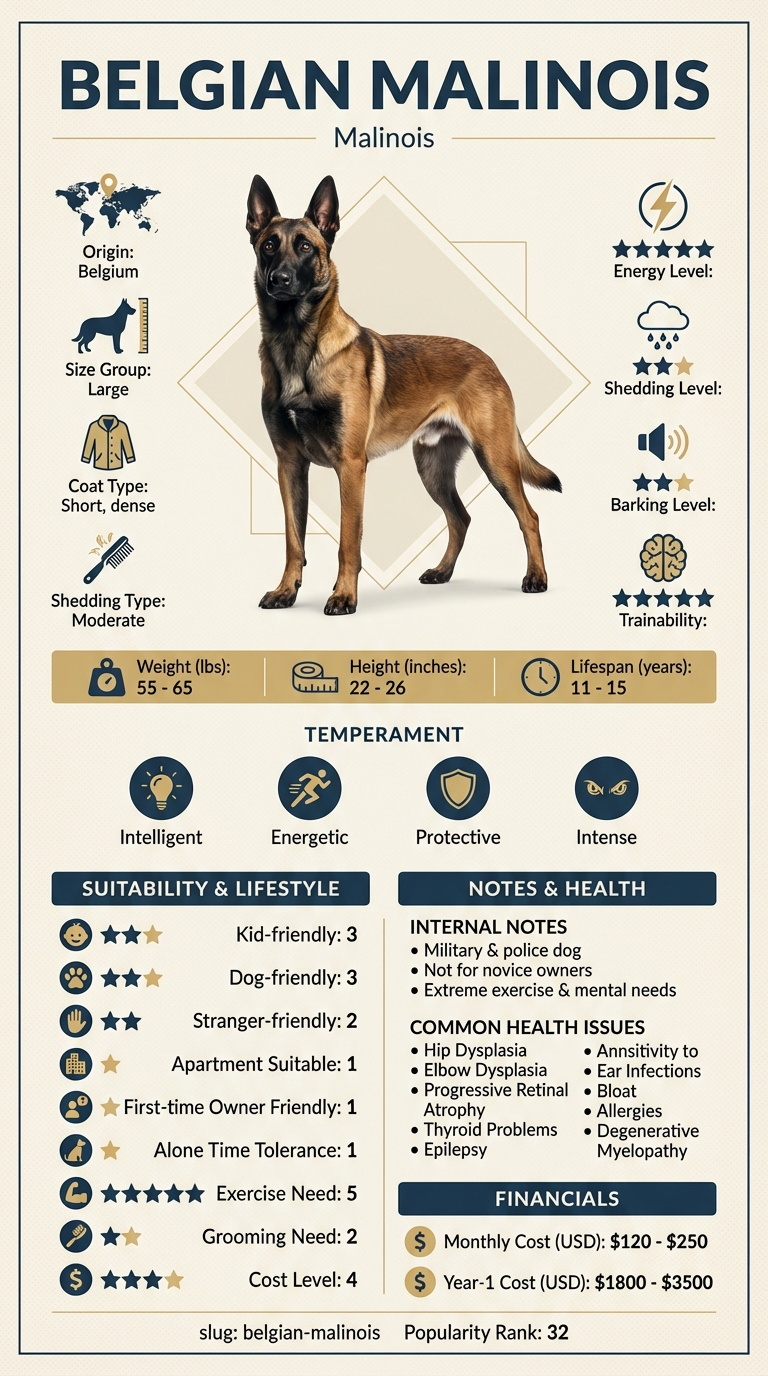
Typically, active Belgian Malinois owners, especially those involved in training or sports, may face this issue. First-time owners can find it particularly challenging to navigate the health needs of this energetic breed.
This guide is not medical advice. If your dog shows pain, sudden behavior change, or worsening symptoms, consult a licensed veterinarian.
Some links may be affiliate links. We may earn a commission at no extra cost to you. We only suggest products we believe are helpful for dog owners.
Belgian Malinois patellar luxation is a common issue affecting the canine knee joint, where the kneecap dislocates from its normal position. Owners may notice their dog limping or favoring one leg, especially after exercise or play. This condition can lead to discomfort and difficulty in movement, making daily activities challenging for the dog and concerning for the owner.
Patellar luxation is relatively common in Belgian Malinois, particularly in young dogs and those with a family history of joint issues. It can occur in both mild and severe forms, impacting their overall quality of life.
Belgian Malinois are large, energetic dogs that can develop patellar luxation due to their physical structure. Their active lifestyle and powerful movements put stress on the knee joints. Additionally, genetics can play a significant role, as certain dogs are more prone to this condition.
Inadequate exercise or improper training can contribute to patellar luxation in Belgian Malinois. If they are not given enough physical activity, they may develop weak muscles that fail to support their knees properly. Furthermore, slips and falls on hard surfaces might increase the risk of knee problems.
If your Belgian Malinois struggles with basic commands or shows signs of discomfort during physical activities, hiring a professional trainer can help. They can teach proper techniques to support your dog's movement and prevent further injury.
If you notice persistent limping, swelling, or difficulty in jumping or climbing stairs, consult your vet. They can provide a thorough examination and discuss treatment options, including potential surgery if necessary.
It can take several weeks to months to see improvement in your Belgian Malinois's patellar luxation. Consistent training and management are key.
Success means your dog shows less discomfort, improved mobility, and a happier demeanor. They should be able to engage in regular activities without pain.
Avoiding these common mistakes can help manage your Belgian Malinois's patellar luxation effectively.
Not all cases of patellar luxation are emergencies, but some signs require immediate attention. If your Belgian Malinois is limping, showing signs of severe pain, or unable to put weight on the affected leg, you should call your vet right away. These could be indicators of a more serious issue, such as a fracture or severe dislocation.
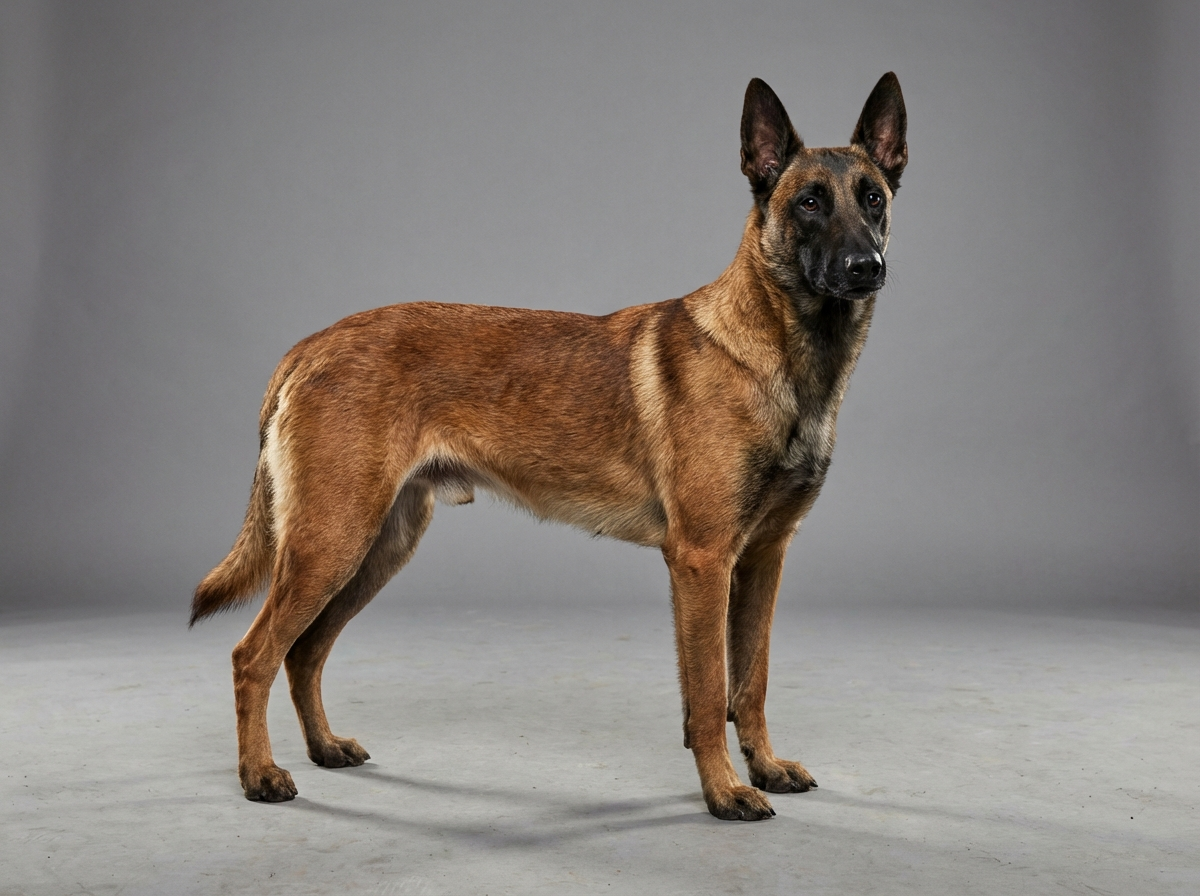
If your Malinois occasionally shifts their weight or seems mildly uncomfortable, you may just need to monitor the situation. In cases where the dog is still active, playful, and not showing severe distress, you can create a plan for management. Regular vet check-ups and monitoring their activity levels can be helpful in these situations.
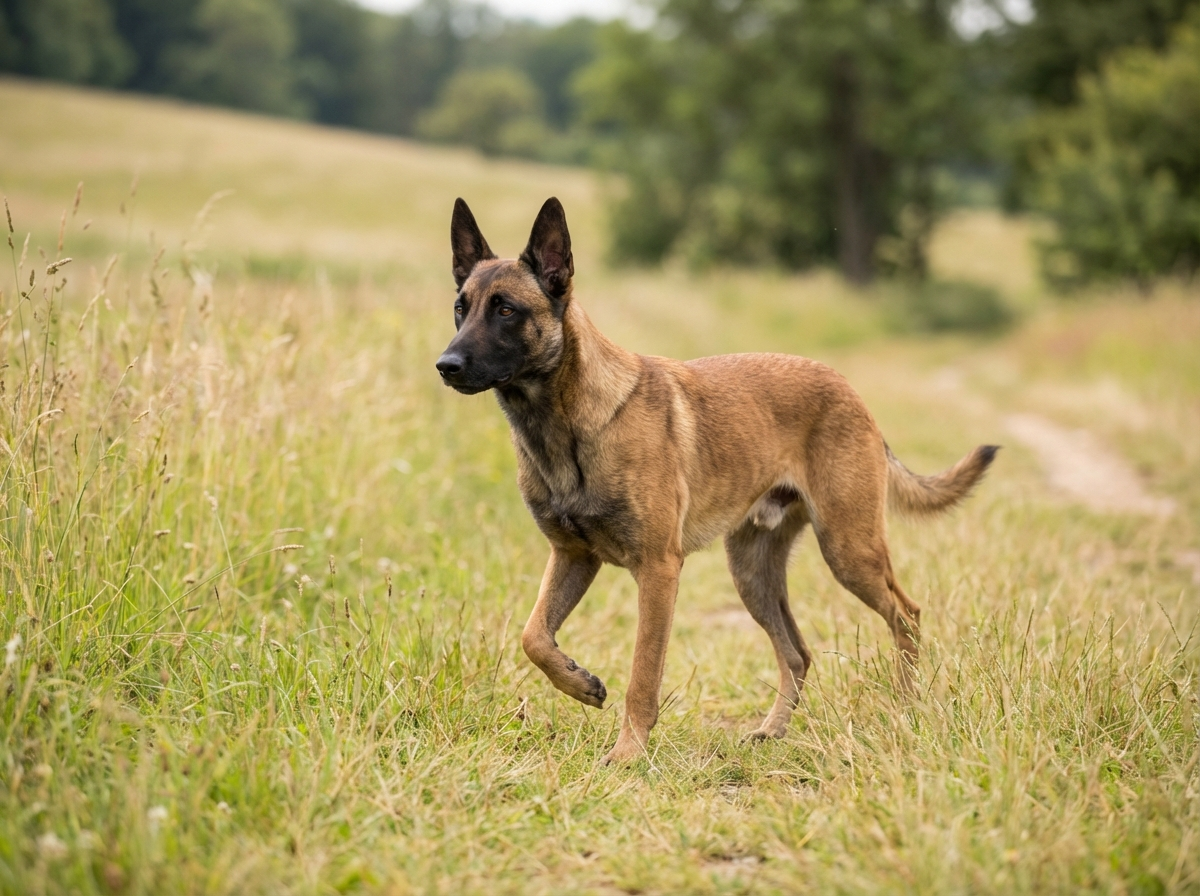
Emily, a first-time owner, adopted Max, a lively Belgian Malinois. Shortly after bringing him home, she noticed he occasionally limped and favored one leg. After a vet visit, Emily learned Max had patellar luxation. With guidance, she implemented a tailored training plan, focused on strengthening his leg muscles and managing his activity level. While it took time, Max's condition gradually improved, allowing him to join Emily on long walks without limping.
Key takeaway: With patience and the right approach, you can help your Belgian Malinois thrive despite patellar luxation.
Belgian Malinois patellar luxation is a condition where the kneecap dislocates from its normal position. This can cause pain and limping in your dog. Early detection and treatment are crucial to manage the issue effectively.
Patellar luxation in Belgian Malinois can be due to genetic factors or developmental issues. If your dog is limping or showing signs of discomfort, consult your veterinarian for a proper diagnosis and treatment options.
To help your Belgian Malinois with patellar luxation, maintain a healthy weight and provide joint supplements as recommended by your vet. Regular, low-impact exercise can strengthen the muscles around the knee and improve stability.
Treatment options for patellar luxation may include physical therapy, medications, and in severe cases, surgery to realign the kneecap. Your veterinarian will guide you on the best approach based on your dog's specific condition.
Yes, training can help by teaching your dog to avoid movements that might aggravate the condition. Focus on low-impact activities and consider working with a trainer experienced in rehabilitation for dogs with joint issues.
Yes, if left untreated, patellar luxation can cause joint instability, which may lead to arthritis over time. Regular check-ups with your vet can help monitor your dog's joint health.
Common signs include limping, difficulty jumping, or a noticeable 'skipping' in their gait. If you notice these behaviors, it’s important to consult your vet promptly.
While patellar luxation can occur at any age, it is more common in older dogs as joint wear and tear increases. Regular vet visits can help catch issues early.
Post-surgery, ensure your dog has a quiet space to rest. Follow your vet's instructions on limited activity, and consider using supportive products like orthopedic beds to enhance comfort.
Patellar luxation can be caused by genetic factors, injuries, or developmental issues. Understanding your dog's specific case can help in managing the condition effectively.
To manage patellar luxation, ensure your dog maintains a healthy weight, provide appropriate joint supplements, and engage in regular low-impact exercise.
The cost to treat patellar luxation can range from $1,800 to $3,500 in the first year, depending on treatment options and veterinary care needed.
Watch for signs of limping, reluctance to jump, or pain when touched around the knee. These could indicate patellar luxation.
Look for veterinary clinics that specialize in orthopedic issues or ask for referrals from local dog trainers or breed clubs.
Avoid high-impact exercises like jumping or running on hard surfaces, as these can worsen patellar luxation symptoms.