Behavior
What are quick tips for managing Belgian Malinois BOAS?
To manage your Belgian Malinois's BOAS, keep them cool and avoid strenuous exercise during hot weather. Regular vet visits and controlled training can help monitor and reduce symptoms.
Belgian Malinois brachycephalic obstructive airway syndrome (BOAS) is a serious condition that affects their ability to breathe comfortably.
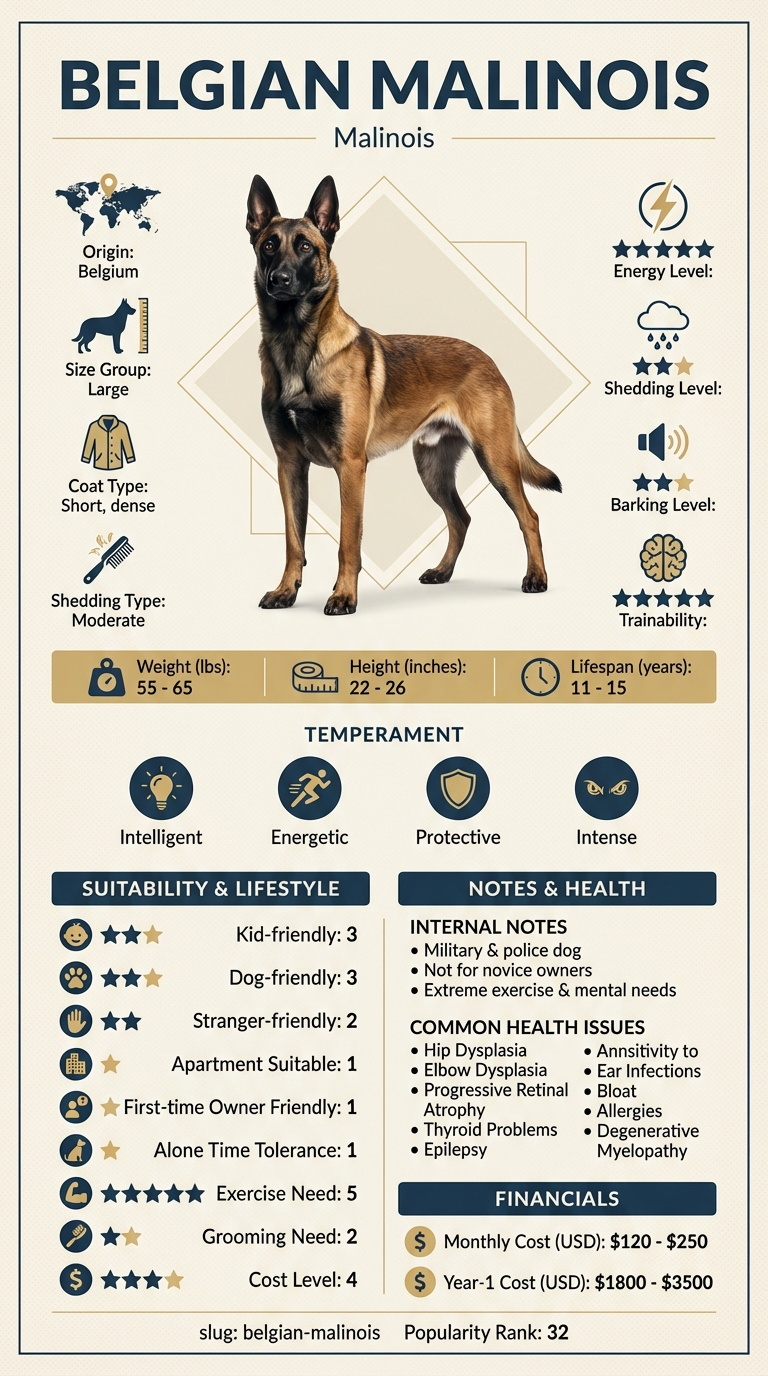
Typical owners include those who might not be familiar with the specific needs of the Belgian Malinois, especially first-time pet owners or busy families. These owners may find themselves overwhelmed by the dog's energy and the additional challenges posed by BOAS.
This guide is not medical advice. If your dog shows pain, sudden behavior change, or worsening symptoms, consult a licensed veterinarian.
Some links may be affiliate links. We may earn a commission at no extra cost to you. We only suggest products we believe are helpful for dog owners.
Belgian Malinois brachycephalic obstructive airway syndrome (boas) is a serious condition affecting the dog's ability to breathe. This problem often manifests as loud snoring during sleep, labored breathing during exercise, and increased sensitivity to heat. Owners may notice their Malinois struggling for air, especially after physical activity or in warm weather, which can be alarming.
Brachycephalic obstructive airway syndrome (boas) is relatively common in Belgian Malinois, particularly due to their physical characteristics. Many Malinois may show mild signs, while some could experience significant breathing difficulties. Awareness and proactive management can help mitigate these issues.
Belgian Malinois are not typically classified as brachycephalic breeds, which means they generally do not have the anatomical features that lead to conditions like brachycephalic obstructive airway syndrome (BOAS). However, if a Malinois has a flat face due to breeding, they may be more prone to airway issues. This can lead to breathing difficulties, snoring, and heat sensitivity.
Environmental factors also play a significant role. High temperatures, humidity, and exercise in warm weather can exacerbate breathing problems. Stressful situations, such as loud noises or crowded spaces, can increase their anxiety and worsen their breathing difficulties.
If your Malinois continues to struggle with anxiety or exhibits extreme panic during stressful situations, it may be time to consult a professional trainer. A trainer can help with behavior modification techniques tailored to your dog's needs.
Contact your vet if you notice persistent breathing difficulties or if your dog's breathing becomes labored. It's important to rule out any underlying health issues. If your Malinois seems unusually lethargic or has a decreased appetite, seek veterinary advice promptly.
It may take several weeks to a few months to see improvements in your Belgian Malinois's breathing and overall comfort with consistent training and care.
Success means your Belgian Malinois can breathe more easily during exercise and is less prone to heat sensitivity, allowing them to enjoy their activities without distress.
If you’re dealing with Belgian Malinois brachycephalic obstructive airway syndrome (BOAS), it’s crucial to avoid common mistakes that can worsen the situation. Here are some behaviors to watch out for, along with safer alternatives.
Understanding when your Belgian Malinois's breathing problems are an emergency is crucial for their health. If your dog is struggling to breathe, has blue-tinged gums, or collapses, you should call your vet immediately. These are clear signs that your dog may be in distress and needs urgent care.
On the other hand, if your Malinois is experiencing mild symptoms like occasional snoring or a slight wheeze during exercise, monitoring their condition at home might be sufficient. You can create a plan to manage their symptoms by ensuring they avoid extreme heat and maintain a healthy weight. However, always consult your vet for advice tailored to your dog's specific needs.
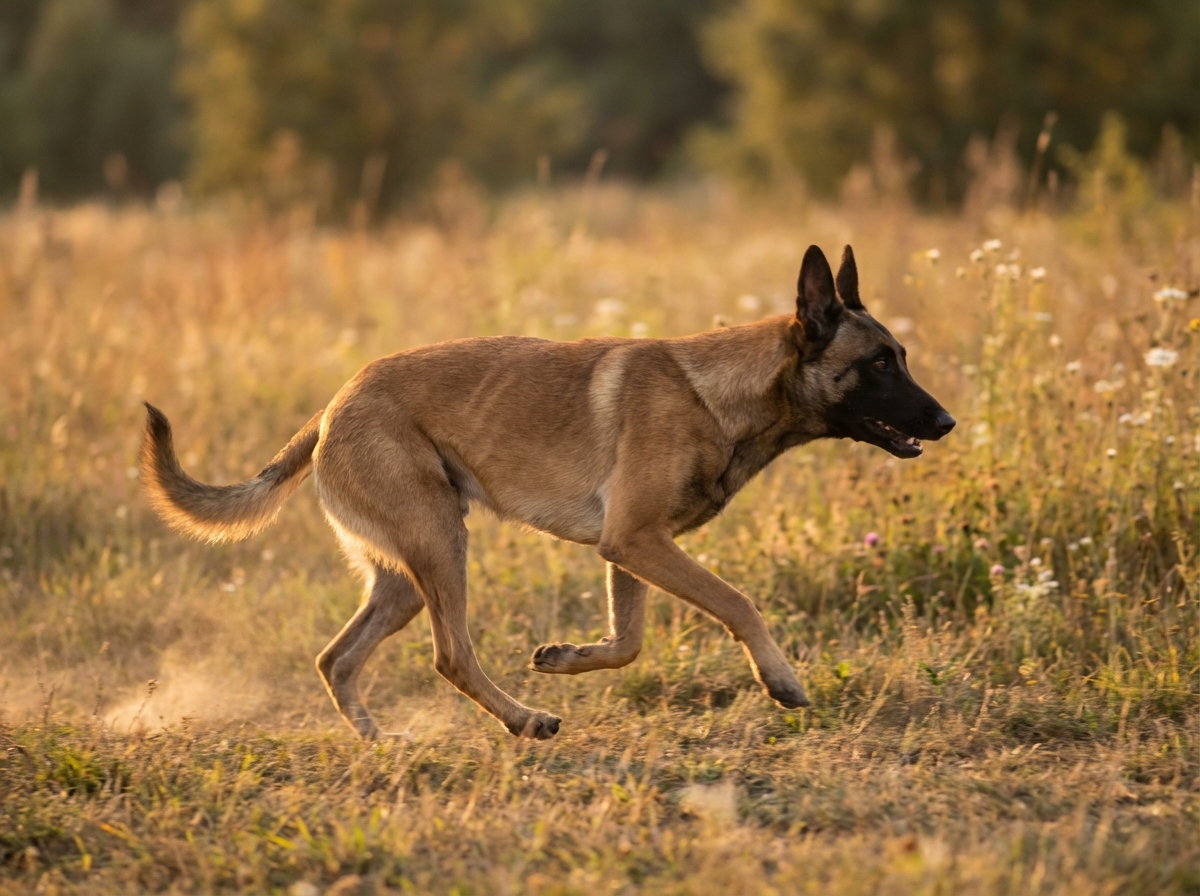
When Sarah adopted Bella, her Belgian Malinois, she quickly noticed Bella had difficulty breathing, especially during playtime. After consulting a vet, Sarah learned about brachycephalic obstructive airway syndrome (BOAS) and how training could help. With a combination of gentle conditioning exercises, controlled play sessions, and regular vet check-ups, Bella's breathing improved significantly over time. Sarah also adjusted her exercise routine to avoid the hottest parts of the day, keeping Bella happy and healthy.
Key takeaway: With patience and proper care, you can manage BOAS in your Belgian Malinois, enhancing their quality of life and making playtime enjoyable again.
Brachycephalic obstructive airway syndrome (BOAS) occurs in dogs with shorter noses, leading to breathing difficulties. While the Belgian Malinois is not a typical brachycephalic breed, some individuals may exhibit traits that cause similar issues. Factors like genetics and environmental stressors can contribute to this condition. This answer relates to Belgian Malinois brachycephalic obstructive airway syndrome (boas).
To help manage symptoms of BOAS in your Belgian Malinois, ensure they are not overexerted during exercise, especially in hot weather. Regular vet check-ups can help detect early signs and improve their breathing with proper care and training.
Common signs of BOAS include snoring, difficulty breathing, and heat sensitivity. If your dog is coughing or showing distress during exercise, it's vital to consult a veterinarian for a proper diagnosis and guidance.
Yes, training can help manage BOAS symptoms. Focus on calming exercises and positive reinforcement to reduce stress and anxiety, which may exacerbate breathing issues. Avoid strenuous activities that can lead to overexertion.
If your dog has severe breathing difficulties, it's crucial to seek immediate veterinary attention. In some cases, surgical options may be available to correct airway obstructions and improve their quality of life.
While no specific diet can cure BOAS, maintaining a healthy weight can alleviate pressure on your dog's respiratory system. Consult your vet for a balanced diet plan to support your dog's overall health.
Yes, Belgian Malinois can develop brachycephalic obstructive airway syndrome (BOAS) as they age. Factors like weight gain or changes in health can contribute to this condition. Regular vet check-ups are crucial to monitor their breathing and overall health.
Signs of BOAS in Belgian Malinois include noisy breathing, snoring, and difficulty exercising. You might also notice excessive panting or fatigue during walks. If you see these symptoms, consult your veterinarian for advice.
To help your Belgian Malinois with BOAS during hot weather, keep them indoors in a cool space and provide plenty of water. Limit exercise to cooler parts of the day, like early morning or late evening, to avoid overheating. Always watch for signs of distress.
Training a Belgian Malinois with BOAS may require more patience and shorter sessions. Focus on positive reinforcement and avoid activities that induce heavy breathing. Consulting a professional trainer familiar with BOAS can be beneficial.
If your Belgian Malinois shows severe breathing issues, such as struggling to breathe or excessive panting, seek veterinary care immediately. Severe cases of BOAS may require surgical intervention to alleviate airway obstructions. Don't hesitate to act swiftly for their health.
To manage your Belgian Malinois's BOAS, keep them cool and avoid strenuous exercise during hot weather. Regular vet visits and controlled training can help monitor and reduce symptoms.
Ensure your dog is not overweight, as extra weight can worsen breathing issues. Provide a calm environment and avoid stressors that may trigger anxiety.
Limit outdoor activities during peak heat hours, and ensure your dog has access to fresh water and a cool place to rest. Watch for signs of overheating.

