DogBreedCompass
← Back to breed profile

Belgian Malinois Back/Spine Issues: What You Need to Know

Belgian Malinois back/spine issues can be serious and painful for your dog. Understanding these problems is crucial for their well-being.

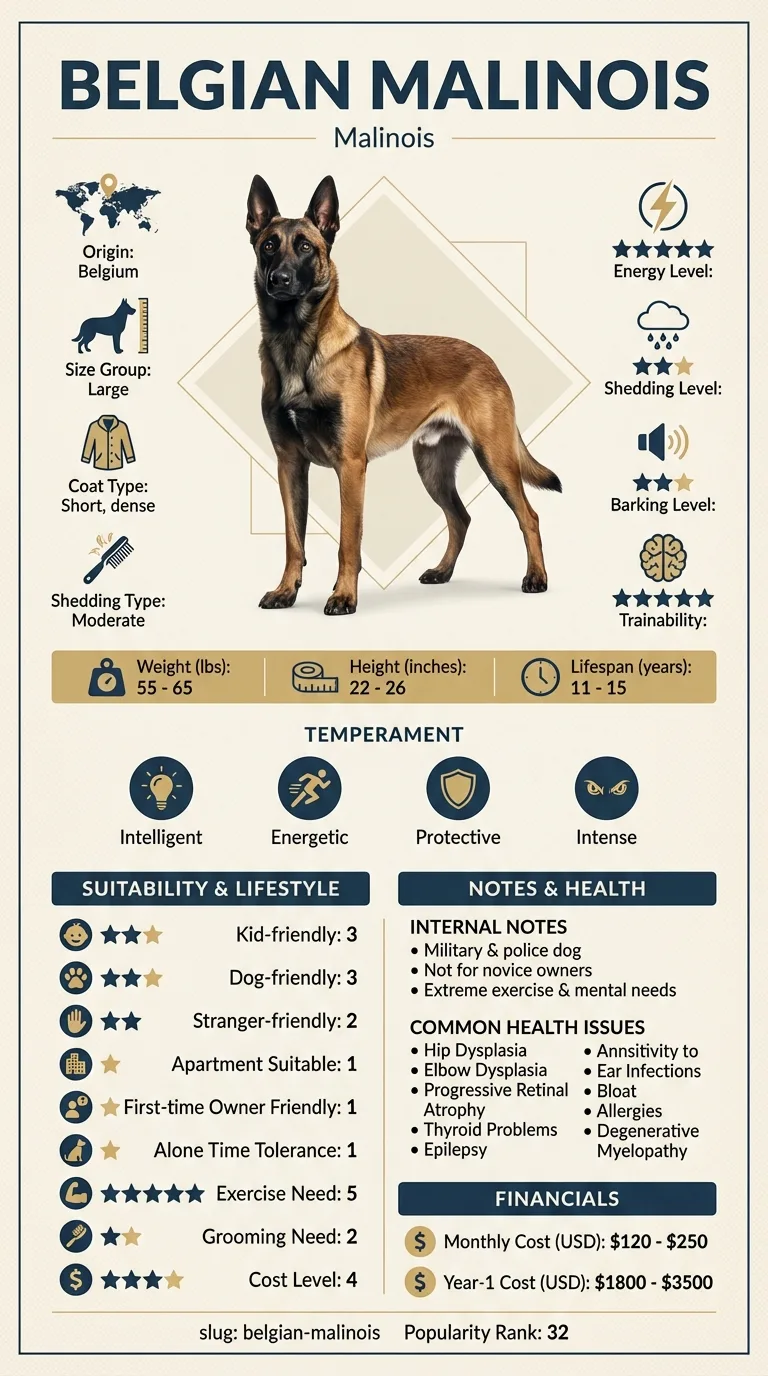
Belgian Malinois Back/Spine Issues: What You Need to Know infographic

First-time dog owners or those with busy lifestyles might find it challenging to spot these symptoms. Families with active Malinois also need to be vigilant, as high energy can sometimes mask pain.

Important reminder

This guide is not medical advice. If your dog shows pain, sudden behavior change, or worsening symptoms, consult a licensed veterinarian.

Some links may be affiliate links. We may earn a commission at no extra cost to you. We only suggest products we believe are helpful for dog owners.

What this problem looks like

Belgian Malinois back/spine issues can be a serious concern for owners. These issues often manifest as difficulty in movement, pain, or reluctance to engage in activities. You might notice your Malinois avoiding stairs, having trouble jumping, or showing signs of discomfort when touched along their back.

Common triggers

  • Genetic predisposition, especially if the dog comes from a lineage with known back issues.
  • Excessive jumping or rough play that strains the spine.
  • Poor nutrition or obesity, which adds stress to the dog's back.

Back and spine issues are relatively common in Belgian Malinois, particularly as they age. Many owners report these problems, especially in dogs that have high physical demands. Regular check-ups are essential for early detection and management.

Why this happens

Breed factors

Belgian Malinois are large, active dogs that often engage in high-impact activities. Their intense energy and athleticism can lead to wear and tear on their backs and spines. Additionally, some Malinois may be genetically predisposed to issues like intervertebral disc disease due to their structure and posture.

Environment factors

Environmental factors also play a role in back and spine issues. Lack of proper exercise can weaken muscles that support the spine. Moreover, improper lifting or jumping, such as on and off furniture, can exacerbate existing problems, leading to pain or injury.

What you can try

At-home strategies

  • Provide a balanced diet with supplements like glucosamine and omega-3 fatty acids to support joint health.
  • Create a safe space for your Malinois to rest, ensuring it's free from hazards that might cause them to jump unexpectedly.
  • Incorporate low-impact exercises like swimming or controlled walks to strengthen their back muscles without straining them.
  • Teach commands that promote safe movement, such as 'off' when they try to jump on furniture.

When to consider a trainer

If your Belgian Malinois shows signs of anxiety during movement or has difficulty following commands related to their activity levels, it might be time to consult a trainer. A professional can help you implement positive reinforcement techniques tailored to your dog's specific needs.

When to talk to your vet

If your dog exhibits persistent signs of pain, such as reluctance to move, whining, or unusual posture, consult a vet. They can provide a thorough examination and recommend treatments or therapies that may be necessary to manage back/spine issues effectively.

Realistic expectations

You can expect to see improvements in your Belgian Malinois' back and spine issues within 4 to 8 weeks of consistent training and care.

Success means your dog shows reduced pain, improved mobility, and is more comfortable during daily activities. You'll also notice a more relaxed demeanor and an eagerness to engage in play.

Mistakes that Make Belgian Malinois Back/Spine Issues Worse

Avoiding certain common mistakes can help improve your Belgian Malinois's back and spine health. Here are some behaviors to reconsider.

  • Ignoring early signs of discomfort: Waiting too long to address pain can worsen the issue. Instead, consult a vet at the first sign of back pain or stiffness.
  • Overexercising: While your Malinois needs activity, excessive exercise can strain their back. Stick to a balanced routine with rest days to allow for recovery.
  • Neglecting proper lifting techniques: Lifting your dog incorrectly can cause injury. Always support their back when picking them up.
  • Skipping regular vet check-ups: Even if your dog seems fine, regular check-ups can catch potential issues early. Make vet visits a priority for preventive care.
  • Allowing them to jump or climb frequently: This can put a strain on their spine. Provide ramps or steps to reduce impact on their back.
  • Using inappropriate collars or harnesses: Some can put pressure on the neck and back. Opt for well-fitted, supportive gear designed for their size.
  • Ignoring weight management: Excess weight can exacerbate back problems. Maintain a healthy diet and weight to support their overall health.

When Belgian Malinois Back/Spine Issues Are an Emergency

Knowing when to act can save your Belgian Malinois from serious harm. If you notice any severe symptoms, it’s crucial to contact your vet immediately. Look for signs such as inability to walk, sudden yelping or whimpering when moving, or noticeable weakness in the back legs. These symptoms could indicate a serious condition that requires urgent attention.

In addition, if your Malinois shows signs of incontinence or loss of appetite, don’t wait. These can be indicators of severe pain or spinal issues that need immediate veterinary care. If your dog is acting unusually lethargic or has a noticeable change in behavior, it's best to err on the side of caution.

On the other hand, if your dog has mild discomfort, like occasional limping or slight stiffness after exercise, you can monitor the situation at home. Create a plan that includes rest, limited activity, and gentle stretching. Regularly assess their condition and take note of any changes. If symptoms persist or worsen, it’s time to check in with your vet. Keeping a close eye on your dog's behavior will help you determine the best course of action.

Belgian Malinois Back/Spine Issues: What You Need to Know - When Belgian Malinois Back/Spine Issues Are an Emergency

Riley the Malinois Overcomes Back Pain

Sarah, a busy vet tech in Seattle, noticed her Belgian Malinois, Riley, struggling to jump onto the couch. He would whine and avoid playtime, which was unusual for his energetic nature. After a vet visit confirmed intervertebral disc disease, Sarah was worried. With the vet's help, she started a gentle exercise routine and incorporated specific stretches. Over the next two months, Riley showed significant improvement. He began jumping with ease and was back to his playful self.

Key takeaway: With the right training and care, many Belgian Malinois can manage back and spine issues effectively, allowing them to enjoy a happy, active life.

Frequently asked questions

Why does my Belgian Malinois have back/spine issues?

Belgian Malinois can suffer from back/spine issues due to genetic predispositions, such as intervertebral disc disease. High activity levels and improper exercise can also contribute to these problems. Regular veterinary check-ups can help catch issues early. This answer relates to Belgian Malinois back/spine issues.

How can I stop my Belgian Malinois from having back/spine issues?

To prevent back/spine issues, ensure your Malinois maintains a healthy weight and has a balanced exercise routine. Avoid high-impact activities that strain their back, especially in young dogs. Consult your vet for tailored exercise recommendations.

What are the signs of back/spine issues in my Belgian Malinois?

Watch for signs like reluctance to move, yelping when touched, or difficulty standing up. If your Malinois shows weakness in the back legs or has trouble jumping, it's crucial to see a veterinarian. Early intervention can make a big difference.

Are there specific training methods to help with back/spine issues?

Yes, gentle training methods that focus on low-impact activities are best for dogs with back/spine issues. Use positive reinforcement to encourage slow movements and avoid jumping or rough play. Consider consulting a dog trainer experienced with physical limitations.

What treatment options are available for back/spine issues?

Treatment options may include medications for pain and inflammation, physical therapy, or even surgery in severe cases. Always consult your veterinarian to determine the best approach for your dog's specific condition. Regular follow-ups are important to monitor progress.

Can my Belgian Malinois recover from back/spine issues?

Recovery from back/spine issues is possible, but it varies depending on the severity of the condition. With appropriate treatment and care, many dogs can lead comfortable lives. Consistent rehabilitation and lifestyle adjustments will help.

What are the signs of back/spine issues in a Belgian Malinois?

Signs of back or spine issues in a Belgian Malinois can include difficulty jumping, yelping when touched, or reluctance to walk. You may also notice changes in their posture or mobility. If you observe any of these symptoms, it's important to consult a vet.

Can back/spine issues affect older Belgian Malinois differently?

Yes, older Belgian Malinois may experience back or spine issues more frequently due to age-related wear and tear. They might also show signs of pain or discomfort more subtly than younger dogs. Regular vet check-ups become crucial as they age.

How can I support my Belgian Malinois with back/spine issues during training?

When training a Belgian Malinois with back or spine issues, focus on low-impact exercises and avoid jumping or strenuous activities. Short, frequent training sessions with positive reinforcement can help them stay engaged while minimizing stress on their back.

Is there a specific diet that can help with back/spine health in Belgian Malinois?

While there's no one-size-fits-all diet, a balanced diet rich in omega fatty acids can support joint and spine health. Discuss with your vet about supplements that may be beneficial, especially if your dog has existing back/spine issues.

When should I take my Belgian Malinois to the vet for back/spine issues?

You should take your Belgian Malinois to the vet if they show persistent signs of pain, difficulty moving, or any sudden changes in behavior. Early intervention can help manage their condition effectively and prevent further issues.

Quick answers

View more answers
Behavior

What are some quick tips for managing Belgian Malinois back/spine issues?

Keep exercise low-impact and avoid jumping to protect their back/spine. Regular vet check-ups are essential. Ensure your dog maintains a healthy weight to reduce stress on the spine.

Health

How can I tell if my Belgian Malinois is in pain?

Look for signs like whining, reluctance to move, or changes in behavior. If they are sensitive to touch around the back, it's time to consult your vet.

Costs

What is the estimated cost of treating back/spine issues in Belgian Malinois?

Treatment costs can range from $300 for initial vet visits to several thousand for surgery. Always discuss treatment plans and costs with your veterinarian.

Related DogBreedCompass guides

  • Common health issues for Belgian MalinoisLearn more about common health issues for the Belgian Malinois to better understand back/spine concerns.
  • Belgian Malinois back/spine issues trainingExplore training techniques to help manage and prevent back/spine issues in your Malinois.
  • Belgian Malinois separation anxiety guideFind guidance on separation anxiety, which can lead to behavioral problems affecting your Malinois's health.
  • Belgian Malinois cost breakdownUnderstand the costs associated with owning a Belgian Malinois, which can affect your ability to manage their health needs.
  • Belgian Malinois behavior problemsRead about training solutions for various behavior problems, which may relate to the Malinois's physical issues.

Related guides