Behavior
What are quick tips for Belgian Malinois allergic reactions?
Identify and eliminate allergens, maintain a clean home, and consult a vet for allergy testing. Regular grooming can also help manage symptoms.

Quick answer
What are quick tips for Belgian Malinois allergic reactions?
Identify and eliminate allergens, maintain a clean home, and consult a vet for allergy testing. Regular grooming can also help manage symptoms.
Belgian Malinois allergic reactions can be a frustrating challenge for dog owners.
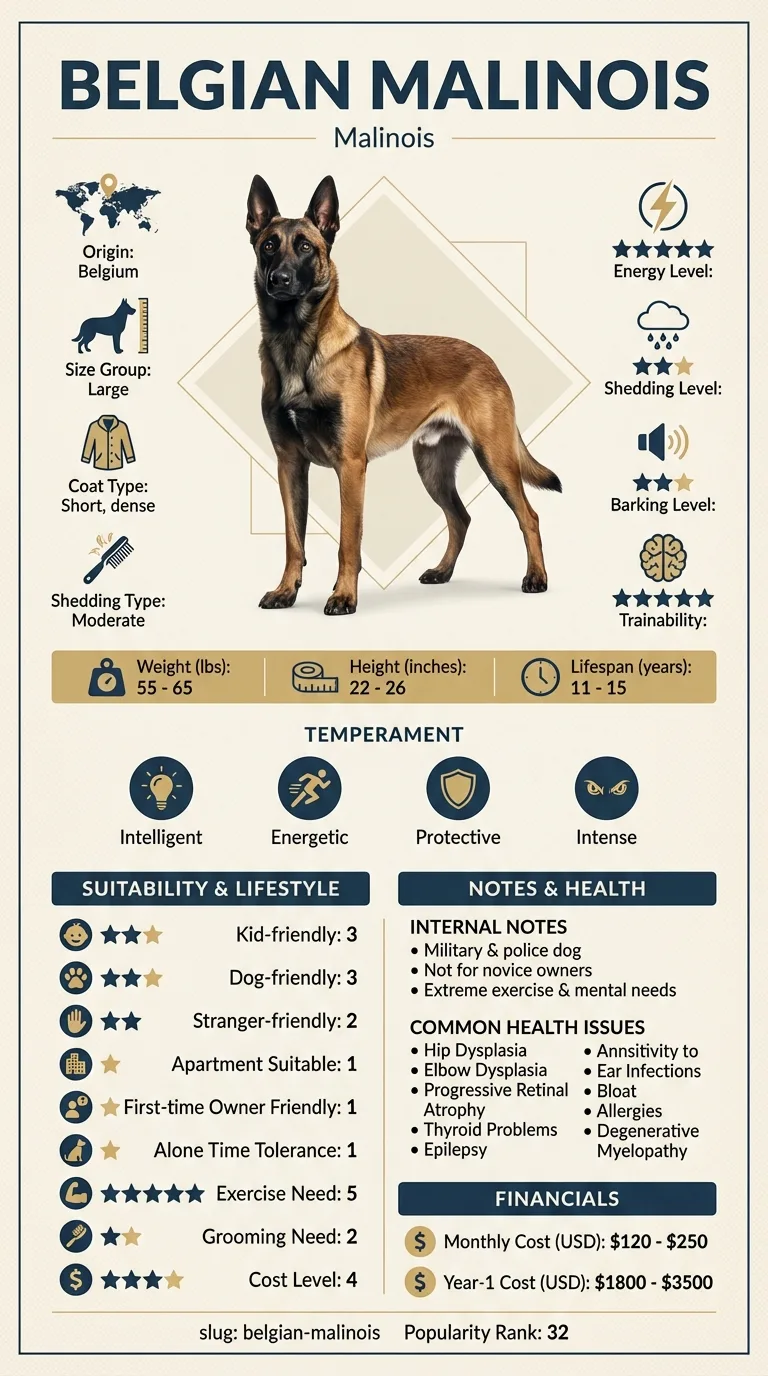
Typically, owners of Belgian Malinois, known for their high energy and intelligence, face these issues. First-time owners or those unfamiliar with the breed's specific needs may find it particularly challenging.
This guide is not medical advice. If your dog shows pain, sudden behavior change, or worsening symptoms, consult a licensed veterinarian.
Some links may be affiliate links. We may earn a commission at no extra cost to you. We only suggest products we believe are helpful for dog owners.
We research and check what we publish, but we do not warrant that any figure, date, price, or statement is accurate, complete, or current, and we accept no liability for any loss, cost, injury, or other harm arising from the use of this site. Use it as one reference among several. You remain responsible for your own decisions and for your dog's care - confirm anything that matters with a licensed veterinarian or another qualified professional before you act on it. Full disclaimer.
Check this first
Allergic reactions in your Belgian Malinois can range from mild to severe. Knowing when to act quickly is crucial for their health. Here are some signs that indicate an emergency versus those that may be monitored at home.
If any of these apply, call your vet or an emergency clinic now. The rest of this page is for the cases that are not an emergency.
Belgian Malinois allergic reactions can manifest as skin irritations, itching, and gastrointestinal issues. These reactions often disrupt daily life for both the dog and the owner, leading to discomfort and stress. Common triggers include certain foods, environmental allergens like pollen, and chemicals in cleaning products.
Allergic reactions are relatively common in Belgian Malinois, with studies showing they have a 276% higher risk compared to other breeds. This breed's active lifestyle can increase exposure to allergens, making it crucial for owners to stay vigilant.
Belgian Malinois are known for their high sensitivity, which can make them prone to allergic reactions. Their dense coat can trap allergens like pollen, dust mites, and mold, leading to skin irritations and respiratory issues. Additionally, some Malinois may inherit genetic predispositions to allergies.
Environmental factors also play a significant role in allergic reactions. Changes in diet, exposure to new cleaning products, or even seasonal allergies can trigger symptoms. If your Malinois spends time outdoors, they may also come into contact with various allergens, increasing their risk of reactions.
If your dog's allergic reactions are severe or persistent, it's time to talk to your vet. They can recommend allergy testing, prescribe medications, or suggest specialized diets to manage your dog's symptoms effectively.
Avoiding common mistakes can help manage your Belgian Malinois's allergic reactions more effectively. Here are some behaviors to steer clear of.
Start here: Belgian Malinois Most Common Genetic Disorders: Screening
See all Belgian Malinois health problems, which breeds are prone to allergic reactions, or the full Belgian Malinois breed guide for temperament, exercise needs and ownership costs.
You can expect to see improvements in your Belgian Malinois's allergic reactions within 4 to 8 weeks after implementing changes.
Success means that your dog experiences fewer allergic reactions, and any symptoms are managed effectively, allowing them to lead a happier, healthier life.
If your Belgian Malinois shows any of these symptoms, you should seek veterinary help immediately.

In some situations, you can monitor your Belgian Malinois at home. Here’s what to keep an eye on.

For mild allergic reactions, keep a close watch on your dog. If symptoms worsen or persist, consult your vet. Remember, it's always better to err on the side of caution when it comes to your pet's health.
Jessica, a busy nurse from Seattle, noticed her Belgian Malinois, Max, scratching and having skin irritations. After consulting with her vet, she learned that Max had allergies to certain foods and environmental factors. Jessica started an elimination diet and avoided common allergens in her home. Within a few weeks, Max's symptoms improved significantly. Jessica also learned how to manage his environment better, using air purifiers and keeping the house clean. Now, Max is much more comfortable and playful, and Jessica feels more relaxed knowing she has a plan.
Key takeaway: Identifying and managing allergies in your Belgian Malinois can make a world of difference in their quality of life.
Common signs of allergic reactions in a Belgian Malinois include itching, redness, and swelling of the skin. You might also notice excessive scratching, licking, or even gastrointestinal issues like vomiting or diarrhea. If you observe any of these symptoms, it's essential to consult your vet.
To stop allergic reactions in your Malinois, first consult a vet for allergy tests. Once you identify the allergens, you can manage exposure and consider hypoallergenic diets. Regular vet check-ups can help monitor and treat any ongoing issues.
While training won’t directly treat allergic reactions, it can help manage behaviors associated with discomfort. Teaching commands like 'leave it' can prevent your Malinois from interacting with potential allergens. Focus on positive reinforcement to encourage good behavior.
At home, you can minimize allergens by vacuuming regularly and using air purifiers. Consider washing your dog's bedding frequently and providing a hypoallergenic diet. Keeping your Malinois indoors during high pollen days also helps.
Yes, food allergies can lead to allergic reactions in your Belgian Malinois. Ingredients like beef, dairy, or wheat are common culprits. If you suspect a food allergy, your vet may recommend an elimination diet to identify the trigger.
If your Belgian Malinois exhibits severe symptoms like difficulty breathing, swelling of the face, or persistent vomiting, seek veterinary care immediately. Also, if mild symptoms last more than a few days or worsen, it's a good idea to consult your vet.
Allergic reactions can become more common as Belgian Malinois age. Their immune systems may change, making them more sensitive to allergens in their environment. Regular vet check-ups can help catch and manage these issues early.
To help prevent allergic reactions, maintain a clean living environment and limit exposure to known allergens. Regular baths with hypoallergenic shampoos can also help, along with a balanced diet tailored to their needs. Discuss prevention strategies with your vet for the best results.
Identify and eliminate allergens, maintain a clean home, and consult a vet for allergy testing. Regular grooming can also help manage symptoms.
It’s best to visit the vet at least once a year for check-ups, or more frequently if your Malinois shows allergic symptoms.
Yes, hypoallergenic diets are available that can help reduce allergic reactions. Consult your vet for recommendations based on your dog's specific needs.
A one-page prep sheet for this condition: the signs, the questions to ask, what to get priced. Unlocks here.
You get: Vet visit prep sheet
No spam. One-click unsubscribe. See our privacy policy.
Preview page 1 before you decide.