DogBreedCompass
← Back to breed profile

Belgian Malinois Anesthesia Sensitivity: What You Need to Know

Belgian Malinois anesthesia sensitivity can be a concerning issue for dog owners. It refers to an abnormal reaction to anesthetic drugs, which can impact your dog's safety during medical procedures.

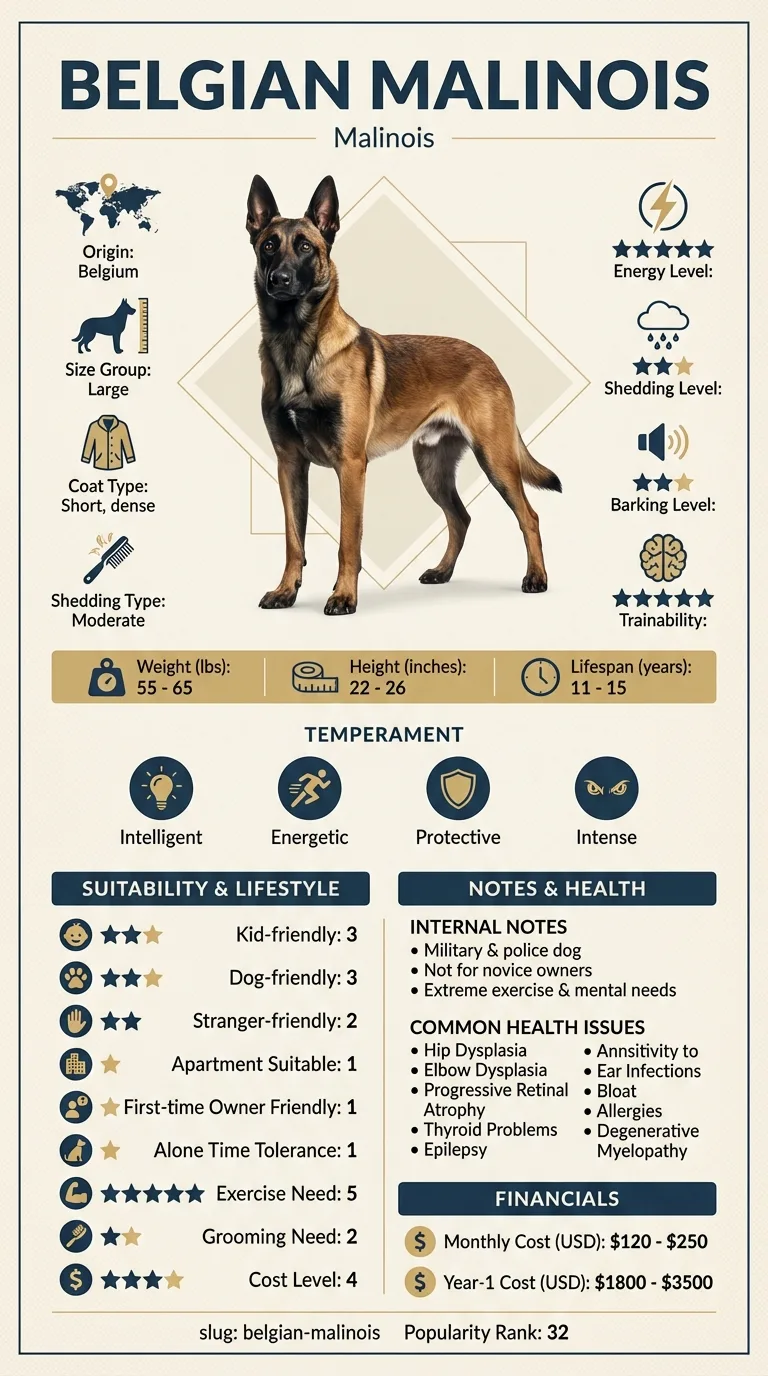
Belgian Malinois Anesthesia Sensitivity: What You Need to Know infographic

Owners who plan to have their Belgian Malinois undergo surgery or any medical procedure may face anxiety over anesthesia sensitivity. This issue is especially relevant for first-time dog owners or those unfamiliar with the breed's specific health concerns.

Important reminder

This guide is not medical advice. If your dog shows pain, sudden behavior change, or worsening symptoms, consult a licensed veterinarian.

Some links may be affiliate links. We may earn a commission at no extra cost to you. We only suggest products we believe are helpful for dog owners.

What this problem looks like

Belgian Malinois anesthesia sensitivity can cause serious concerns during medical procedures. This sensitivity means that these dogs might react unpredictably to anesthetic drugs, which can lead to complications during surgeries or dental work. Owners may notice lethargy, prolonged recovery times, or unexpected behavioral changes after anesthesia.

Common triggers

  • Genetic predisposition
  • Underlying health issues
  • Stressful environments during veterinary visits

Anesthesia sensitivity is relatively common in Belgian Malinois, particularly due to their unique genetic makeup and health issues like hip dysplasia. Many owners report experiencing this issue at least once, making it a significant consideration for those planning any surgical procedures.

Why this happens

Breed factors

Belgian Malinois are known for their high energy and intelligence. This breed can have a genetic predisposition to anesthesia sensitivity, which may lead to complications during surgery or sedation. Their intense drive and strong response to stress can also contribute to how they react to anesthetic drugs.

Environment factors

Environmental factors, such as exposure to stressful situations or improper handling during veterinary visits, can increase a Belgian Malinois's sensitivity to anesthesia. If they are not adequately socialized or experience trauma, their anxiety levels can heighten, affecting their overall response to anesthesia.

What you can try

At-home strategies

  • Create a calm environment at home by providing a safe space for your Malinois. Use a crate or a quiet room where they feel secure.
  • Practice desensitization techniques by exposing your dog to mild veterinary activities, like handling their paws or ears, to reduce their anxiety over time.
  • Develop a consistent routine for vet visits. Familiarizing them with the process can help lessen stress and improve their response to anesthesia.

When to consider a trainer

If your Malinois shows severe anxiety or fear during vet visits, consider hiring a professional trainer. A trainer can help address behavior issues and teach you techniques to calm your dog before appointments.

When to talk to your vet

If you notice that your dog has had negative reactions to anesthesia in the past, or if they exhibit unusual symptoms, talk to your vet. Discuss their history and any specific concerns to determine the best approach for future procedures.

Realistic expectations

You can expect to see improvements in your Belgian Malinois's response to anesthesia sensitivity within 2 to 4 months of consistent training and management.

Success means your Malinois shows less anxiety during veterinary visits, recovers more smoothly from anesthesia, and you feel more confident in managing their health needs.

Mistakes that make this worse

Many owners unknowingly contribute to their Belgian Malinois' anesthesia sensitivity issues. Here are common mistakes to avoid, along with safer alternatives.

  • Ignoring Pre-Op Guidelines: Failing to follow your vet's pre-anesthesia instructions can increase risks. Always adhere to fasting and medication guidelines before surgery.
  • Choosing Inexperienced Vets: Opting for low-cost clinics without experienced staff may lead to improper anesthesia management. Invest in a vet who specializes in large breeds or has a good reputation.
  • Neglecting Medical History: Not sharing your dog's full medical history can prevent your vet from making informed decisions. Always discuss past reactions to anesthesia or other health issues.
  • Overlooking Breed-Specific Risks: Belgian Malinois may have unique reactions to anesthesia. Research breed-specific risks and discuss them with your vet to tailor the approach.
  • Skipping Post-Op Care: Failing to monitor your dog closely after surgery can lead to complications. Ensure you have a recovery plan in place and communicate any concerns to your vet promptly.

When Belgian Malinois Anesthesia Sensitivity is an Emergency

If your Belgian Malinois shows extreme lethargy, difficulty breathing, or prolonged vomiting after anesthesia, these are red-flag signs. Call your vet immediately if your dog exhibits any of these symptoms. Additionally, if your dog starts to tremble, has seizures, or shows unusual aggression, these are serious reactions that need urgent care.

On the other hand, if your Malinois is simply a bit groggy or seems slightly off for a day or two, you can monitor their condition at home. Look for gradual improvement in energy levels and appetite. If they are still eating, drinking, and responding to you, it may just take time for them to recover completely.

In summary, keep a close eye on your dog's behavior after anesthesia. If symptoms escalate or don’t improve within 24 hours, don’t hesitate to contact your vet. Remember, being cautious can make all the difference in your dog's health.

Belgian Malinois Anesthesia Sensitivity: What You Need to Know - When Belgian Malinois Anesthesia Sensitivity is an Emergency

Training Bella: A Belgian Malinois’s Journey

When Sarah adopted Bella, her Belgian Malinois, she quickly noticed that Bella became extremely anxious during vet visits. Bella's sensitivity to anesthesia made it hard for Sarah to get necessary procedures done. After consulting with a vet, Sarah learned about specific training techniques to help Bella cope with anxiety. She started using desensitization methods, like bringing Bella to the clinic for positive experiences. Over time, Bella became more relaxed at the vet, and her reactions to anesthesia improved, allowing Sarah to manage Bella’s health needs effectively.

Key takeaway: With patience and proper training techniques, you can help your Belgian Malinois manage anesthesia sensitivity, making veterinary visits less stressful for both of you.

Frequently asked questions

Why does my Belgian Malinois have anesthesia sensitivity?

Belgian Malinois can have anesthesia sensitivity due to genetic factors or underlying health issues. This breed is known for its high energy and intense temperament, which may affect how they respond to anesthetic drugs. Regular veterinary check-ups can help identify any health concerns that might contribute to this sensitivity. This answer relates to Belgian Malinois anesthesia sensitivity.

How can I help my Belgian Malinois with anesthesia sensitivity?

To manage anesthesia sensitivity in your Belgian Malinois, consult with a vet who understands this breed’s unique needs. Discuss potential alternative anesthetics or protocols that minimize risks. Additionally, maintaining overall health through proper diet and exercise can improve their resilience.

What are the symptoms of anesthesia sensitivity in Belgian Malinois?

Symptoms of anesthesia sensitivity can include prolonged recovery time, excessive drooling, or unusual behavior post-surgery. If your dog exhibits these signs after anesthesia, contact your vet immediately. Early detection is key to addressing any complications.

Are there specific training techniques for Belgian Malinois with anesthesia sensitivity?

Training techniques for Belgian Malinois with anesthesia sensitivity should focus on building trust and reducing anxiety. Positive reinforcement training can help your dog associate vet visits with positive experiences. This approach may reduce stress during procedures that require anesthesia.

What precautions should I take before surgery for my Belgian Malinois?

Before surgery, ensure your veterinarian is aware of your Belgian Malinois's anesthesia sensitivity. They may recommend pre-surgery blood tests to evaluate overall health. Discuss the anesthetic plan in detail to ensure the safest approach for your dog.

What are the signs of anesthesia sensitivity in my Belgian Malinois?

Signs of anesthesia sensitivity in your Belgian Malinois can include prolonged recovery after surgery, excessive drooling, or unusual behavior after anesthesia. If you notice these signs, consult your veterinarian for further evaluation.

Can older Belgian Malinois be more sensitive to anesthesia?

Yes, older Belgian Malinois may have a higher sensitivity to anesthesia due to age-related health issues and decreased organ function. Always discuss your dog's age and health history with your vet before any procedure requiring anesthesia.

How can I prepare my Belgian Malinois for anesthesia if they have sensitivity?

To prepare your Belgian Malinois for anesthesia sensitivity, provide your vet with a complete health history. They may recommend blood tests or adjusted dosages to ensure safer anesthesia administration.

Is anesthesia sensitivity hereditary in Belgian Malinois?

Anesthesia sensitivity can be hereditary in some breeds, including the Belgian Malinois. If your dog has a history of sensitivity, inform your vet, as they may suggest alternative anesthesia options or additional monitoring.

What should I do if my Belgian Malinois has a bad reaction to anesthesia?

If your Belgian Malinois has a bad reaction to anesthesia, contact your veterinarian immediately. They can assess the situation and provide appropriate care to address any complications or side effects.

Quick answers

View more answers
Behavior

What are some quick tips for managing anesthesia sensitivity in my Belgian Malinois?

Communicate openly with your vet about anesthesia sensitivity and explore alternatives. Ensure your dog is well-exercised and healthy before procedures to improve recovery.

Health

How often should I have my Belgian Malinois checked for health issues?

Regular vet check-ups every 6-12 months can help catch potential health issues early, including those that may affect anesthesia sensitivity.

Costs

What are the common costs associated with managing anesthesia sensitivity?

Managing anesthesia sensitivity may include extra veterinary visits and specialized treatments, typically costing an additional $200 to $500 annually.

Health

Is anesthesia sensitivity common in Belgian Malinois?

Yes, anesthesia sensitivity is a recognized issue in Belgian Malinois, often linked to their genetic background and health conditions.

Related DogBreedCompass guides

  • Belgian Malinois separation anxiety guideLearn how to manage separation anxiety in your Malinois to improve their comfort during vet visits.
  • Belgian Malinois behavior problemsDiscover common behavior problems in Belgian Malinois that may relate to their sensitivity.
  • Belgian Malinois cost breakdownUnderstand the costs associated with owning a Belgian Malinois to better plan for their healthcare needs.
  • Anesthesia sensitivity in dogsRead about how anesthesia sensitivity can affect different breeds and what to watch for.
  • Belgian Malinois anesthesia sensitivity trainingExplore training techniques that can help mitigate anesthesia sensitivity in your Belgian Malinois.

Related guides