Behavior
What are quick tips for Basset Hound brachycephalic obstructive airway syndrome (boas)?
Keep your Basset Hound cool, avoid exercise in hot weather, and monitor their weight. Regular vet check-ups can help manage their condition effectively.
Basset Hound brachycephalic obstructive airway syndrome (BOAS) is a serious breathing issue that affects many dogs of this breed.
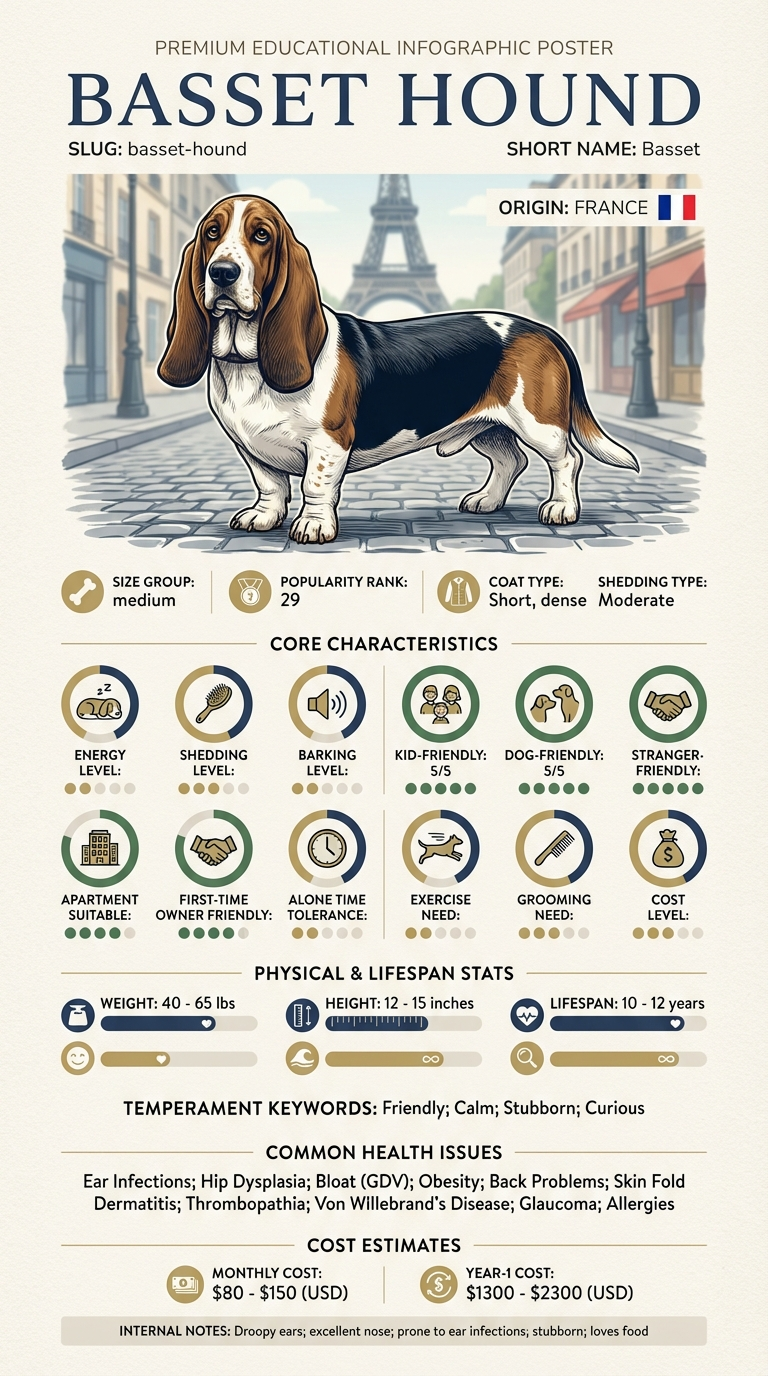
Owners of Basset Hounds, especially first-time dog parents, may find themselves struggling to manage their dog's breathing problems. Those living in warmer climates or with active lifestyles might face additional challenges in keeping their Basset comfortable and healthy.
This guide is not medical advice. If your dog shows pain, sudden behavior change, or worsening symptoms, consult a licensed veterinarian.
Some links may be affiliate links. We may earn a commission at no extra cost to you. We only suggest products we believe are helpful for dog owners.
Basset Hound brachycephalic obstructive airway syndrome (BOAS) is a common issue among Basset Hounds, characterized by breathing difficulties due to their unique facial structure. Owners often notice their dogs snoring, coughing, or struggling to breathe, especially in hot weather or during exercise. These symptoms can be distressing and may require veterinary attention.
Basset Hound BOAS is quite prevalent, affecting many dogs of this breed. Studies suggest that a significant portion of Basset Hounds may experience some degree of this syndrome, making awareness and management crucial for their health.
Basset Hounds are a brachycephalic breed, meaning they have short noses and flat faces. This anatomy can lead to narrowed airways, making breathing difficult. Their unique physical traits can increase the risk of Brachycephalic Obstructive Airway Syndrome (BOAS).
Environmental factors can contribute to BOAS symptoms. For instance, heat and humidity can worsen breathing issues. Additionally, obesity can exacerbate airway problems, making it crucial to maintain a healthy weight.
If your Basset Hound is showing signs of anxiety or fear that may be affecting their breathing, consider working with a trainer. They can help with behavior modification techniques that may alleviate stress.
If your dog is frequently struggling to breathe, is lethargic, or shows signs of distress, it's time to consult your vet. They can provide a proper diagnosis and discuss potential treatments or interventions for BOAS.
You can expect to see improvements in your Basset Hound's breathing within a few weeks of starting a tailored training and management plan. However, some cases may require ongoing management, and surgical options could be considered after consulting with a veterinarian.
Success means your Basset Hound breathes more easily during exercise, snores less at rest, and can tolerate warmer temperatures without distress. You'll also feel more confident in managing their health and comfort.
Avoiding these common mistakes can help manage your Basset Hound's brachycephalic obstructive airway syndrome (BOAS) effectively.
Recognizing when Basset Hound brachycephalic obstructive airway syndrome (BOAS) is an emergency is crucial for your dog's health. If your Basset is struggling to breathe, shows signs of severe distress, or is unresponsive, it's time to call your vet immediately. Other red flags include excessive panting, bluish gums, and coughing or gagging fits. These symptoms indicate that your dog needs urgent care.
On the other hand, if your Basset Hound occasionally snores or seems to have mild breathing issues during play, you can generally monitor the situation at home. Keep an eye on their behavior, and ensure they're not overheating, especially in warm weather. If the symptoms persist or worsen over time, consult your vet for advice. It's always better to err on the side of caution when it comes to your furry friend’s health.
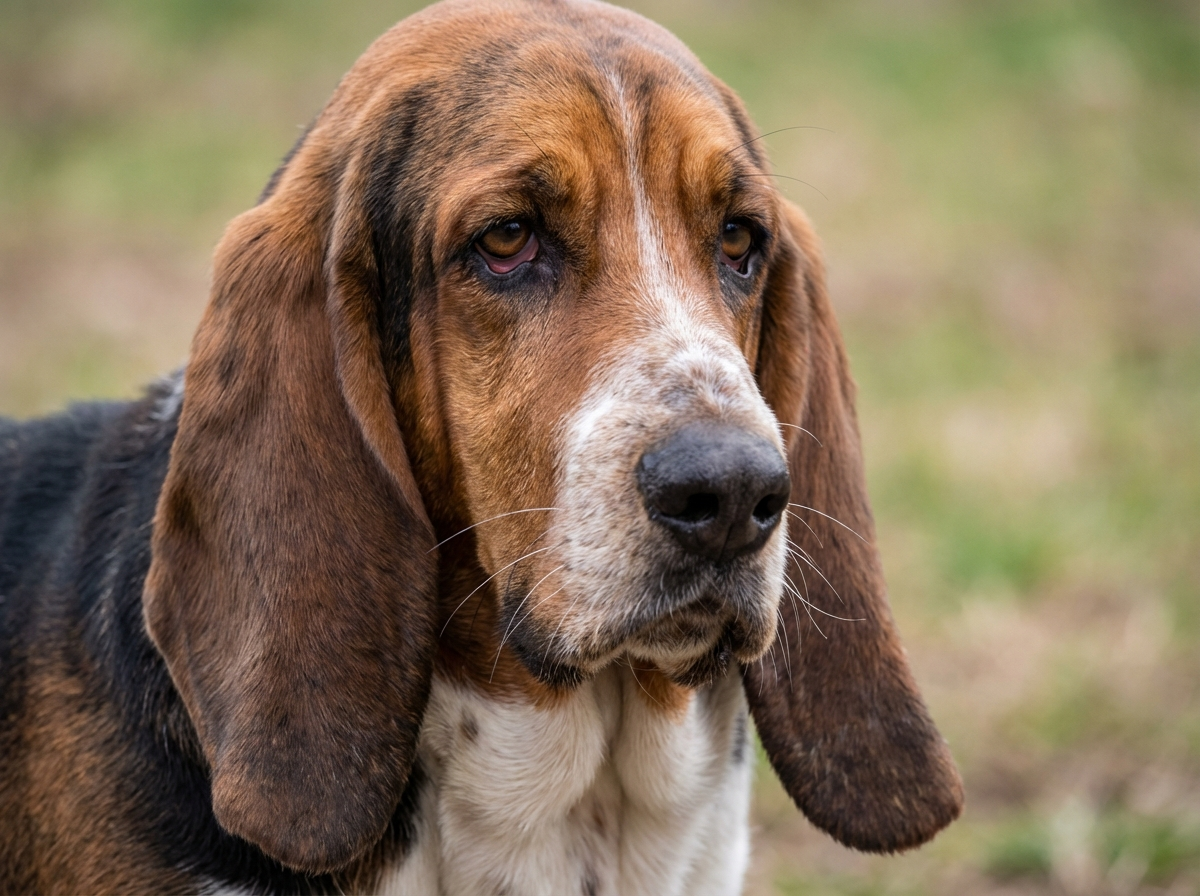
Maggie, a busy nurse in Chicago, adopted a Basset Hound named Benny. Shortly after bringing him home, she noticed Benny struggled to breathe, especially during walks. Concerned, Maggie learned about Brachycephalic Obstructive Airway Syndrome (BOAS) and worked with her vet to create a plan. They focused on calming training methods and keeping Benny cool in hot weather. Over a few months, Maggie saw significant improvements. Benny could now enjoy longer walks without gasping for air, and his snoring at night was much quieter.
Key takeaway: Understanding BOAS and seeking professional help can greatly improve your Basset Hound's quality of life, making training and daily activities more enjoyable.
Basset Hounds are prone to brachycephalic obstructive airway syndrome (boas) due to their unique head structure. Their short muzzles can lead to breathing difficulties, snoring, and sensitivity to heat. This condition is a result of genetics and is common in breeds with similar facial features.
Signs of boas in Basset Hounds include noisy breathing, excessive snoring, and difficulty breathing during exercise. You may also notice your dog showing signs of distress in hot weather or after physical activity. If you observe these symptoms, it's essential to consult your vet.
Managing boas involves keeping your Basset Hound cool, maintaining a healthy weight, and avoiding strenuous activities. Regular vet check-ups are crucial to monitor their condition. In some cases, surgery may be necessary to improve airflow.
Training your Basset Hound with positive reinforcement can help reduce anxiety and stress, which may worsen breathing issues. Teaching calm behaviors and gradually introducing exercise can improve their overall well-being. Always be mindful of their breathing during training.
Currently, there's no cure for Basset Hound brachycephalic obstructive airway syndrome (boas). However, with proper management and care, many dogs can lead comfortable lives. Consult your vet for tailored advice based on your dog's specific needs.
Common signs include noisy breathing, snoring, and difficulty exercising. If your Basset Hound seems to tire easily or has trouble catching their breath, it might be a sign of BOAS. It's essential to monitor these symptoms closely.
Older Basset Hounds may experience worsened symptoms of BOAS. Keeping them cool, minimizing exertion, and ensuring regular vet check-ups can help manage their condition. Speak to your vet about potential lifestyle adjustments.
Surgery can be an option for severe cases of BOAS. This typically involves procedures to clear the airway and improve breathing. Always consult with your veterinarian to determine if surgery is the right choice for your dog.
BOAS is a genetic condition common in breeds with short snouts, like Basset Hounds. Even seemingly healthy dogs can have structural issues that affect their airflow. Regular vet visits are crucial for early detection and management.
Maintain a cool environment and avoid strenuous activities on hot days. Training to encourage calm behavior can also help manage their anxiety and breathing difficulties. Consult with a vet for personalized recommendations.
Keep your Basset Hound cool, avoid exercise in hot weather, and monitor their weight. Regular vet check-ups can help manage their condition effectively.
Basset Hounds are sensitive to heat due to boas. Always provide plenty of water and shade, and avoid outdoor activities during high temperatures.
If your Basset Hound is struggling to breathe or shows signs of distress, contact your vet immediately for guidance. Quick action can prevent worsening conditions.
In some cases, surgery can improve airflow for dogs with severe boas. Discuss this option with your veterinarian to determine if it's suitable for your dog.