DogBreedCompass
← Back to breed profile

Basset Hound Back/Spine Issues: What You Need to Know

Basset Hounds are prone to back and spine issues, which can lead to serious health problems if left unaddressed. These issues often stem from their unique body structure. (Basset Hound back/spine issues)

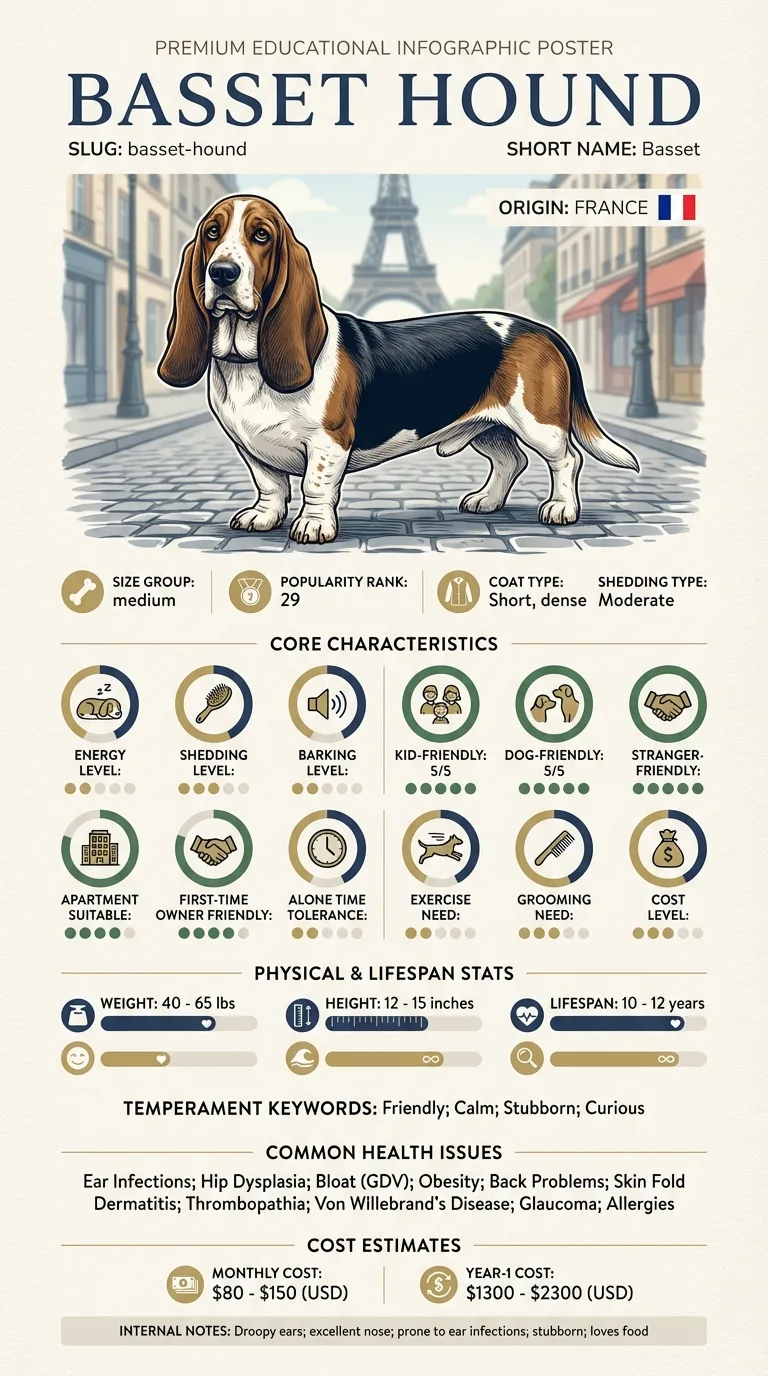
Basset Hound Back/Spine Issues: What You Need to Know infographic

Typical owners facing these issues are those with active Basset Hounds, especially families or individuals who enjoy outdoor activities. First-time Basset owners may also struggle to recognize the signs of back problems early on.

Important reminder

This guide is not medical advice. If your dog shows pain, sudden behavior change, or worsening symptoms, consult a licensed veterinarian.

Some links may be affiliate links. We may earn a commission at no extra cost to you. We only suggest products we believe are helpful for dog owners.

What this problem looks like

Basset Hound back/spine issues can significantly impact their quality of life. These problems often manifest as difficulty getting up, reluctance to jump, or noticeable pain when moving. Regular signs include a hunched posture or dragging their back legs, especially noticeable after exercise or long periods of inactivity.

Common triggers

  • Obesity, which puts extra strain on their spine
  • Improper lifting or sudden movements during play
  • Genetic predisposition due to their unique body structure
  • Aging, as their discs lose flexibility and hydration

Back/spine issues are relatively common in Basset Hounds, with many dogs experiencing some level of discomfort by middle age. It's important to be proactive with care and conditioning to help mitigate these risks.

Why this happens

Breed factors

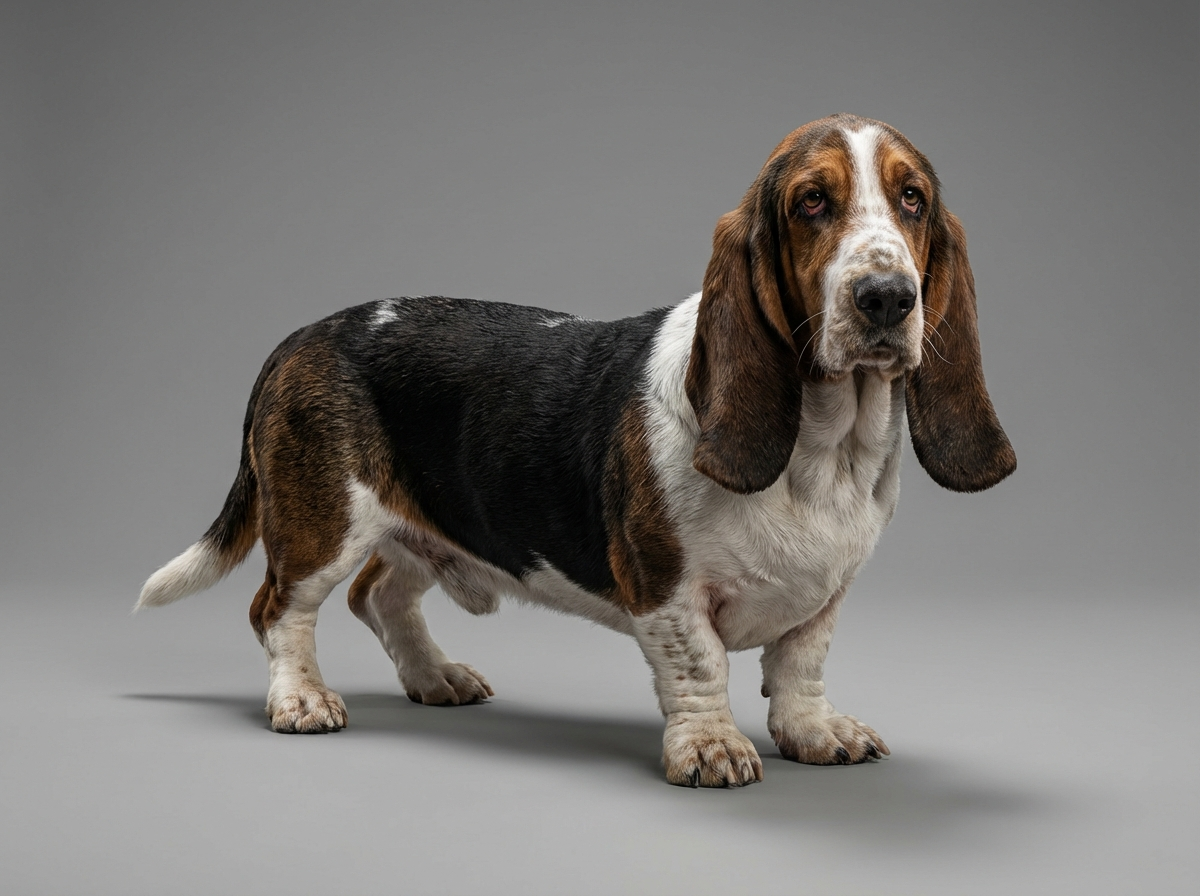
Basset Hounds are known for their long bodies and short legs, which can put extra strain on their spine. This unique structure often leads to intervertebral disc disease, making them prone to back and spine issues. Additionally, their tendency to gain weight can exacerbate these problems, as excess weight puts further pressure on their spine.

Environment factors

Environmental factors can also contribute to back issues in Basset Hounds. If they have limited space to move or insufficient exercise, it can lead to muscle weakness and spinal problems. Furthermore, rough play or jumping from heights can often cause injuries that lead to serious back issues.

What you can try

At-home strategies

  • Maintain a healthy weight by providing a balanced diet and controlling portion sizes. Obesity can worsen back problems.
  • Limit jumping and rough play. Use ramps or steps to help your Basset get onto furniture instead of encouraging them to jump.
  • Provide regular, low-impact exercise like short walks to keep their muscles strong without overstraining their back.

When to consider a trainer

If your Basset Hound shows signs of anxiety or struggles with obedience, consider hiring a trainer. A professional can help address behavior issues that may contribute to their back problems, such as excessive jumping or rough play.

When to talk to your vet

If you notice any sudden changes in your Basset Hound's movement, such as limping or reluctance to jump, it's crucial to consult your vet. They can assess any potential back issues and recommend treatments or therapies to help manage the pain.

Realistic expectations

Improving your Basset Hound's back/spine issues can take around 3-6 months with consistent care and training.

Success means your Basset can move comfortably, engage in regular activities, and show reduced signs of pain or discomfort.

Mistakes that make this worse

Here are some common mistakes owners make that can worsen Basset Hound back and spine issues, along with safer alternatives to help your dog feel better.

  • Ignoring early signs of pain: Many owners dismiss subtle signs like reluctance to jump or play. Instead, take these signals seriously and consult a vet early.
  • Overexerting your Basset: Basset Hounds have low energy levels, but some owners push them too hard during exercise. Stick to short, gentle walks and avoid high-impact activities.
  • Neglecting weight management: Obesity can exacerbate spine issues. Feed your Basset a balanced diet and monitor their weight closely to keep them healthy.
  • Skipping vet check-ups: Some owners only visit the vet when problems arise. Regular check-ups can help catch issues before they become serious.
  • Using inappropriate leashes or collars: Tight collars can strain the neck and spine. Opt for a well-fitted harness to reduce stress on their back.
  • Not providing a supportive bed: Many owners overlook the importance of a good bed. Invest in a supportive orthopedic bed to help your Basset rest comfortably.
  • Ignoring rehabilitation options: Some owners think surgery is the only solution. Talk to your vet about physical therapy or alternative treatments for spine issues.

When Basset Hound Back/Spine Issues Are an Emergency

Knowing when to call the vet about Basset Hound back/spine issues can be crucial. Some signs are urgent and require immediate attention, while others can be monitored carefully at home. If your Basset Hound shows any of the red-flag signs listed below, don’t hesitate to contact your vet right away.

Basset Hound Back/Spine Issues: What You Need to Know - When Basset Hound Back/Spine Issues Are an Emergency
  • Sudden inability to walk or stand
  • Severe pain or sensitivity when touched
  • Loss of bladder or bowel control
  • Severe lethargy or unresponsiveness
  • Visible swelling or deformity in the spine

When to Monitor and Wait

In less severe cases, you might notice your Basset Hound showing mild discomfort or occasional difficulty getting up. If they can still walk, eat, and show interest in play, you can monitor their condition at home. Create a plan to keep their activity light and observe if their symptoms improve over a few days.

Basset Hound Back/Spine Issues: What You Need to Know - When to Monitor and Wait
  • Mild stiffness after exercise
  • Occasional whining or reluctance to jump
  • Slight changes in activity level

A Journey to Comfort: Bella's Recovery

When Lisa adopted Bella, her Basset Hound, she quickly noticed Bella struggling to jump onto the couch. After a vet visit, Lisa learned that Bella had back issues common in her breed. Determined to help, Lisa followed a tailored exercise plan and focused on weight management. Over months, Bella became more active, showing less discomfort when moving around. Lisa also incorporated special training techniques to ensure Bella wouldn’t strain her back while playing.

Key takeaway: With dedication and the right approach, you can significantly improve your Basset Hound's quality of life despite back/spine issues.

Frequently asked questions

Why does my Basset Hound have back/spine issues?

Basset Hounds are prone to back and spine issues due to their long bodies and short legs. Their unique structure can lead to conditions like intervertebral disc disease, especially if they are overweight or lack proper exercise. Regular vet check-ups and a healthy lifestyle are crucial for prevention.

How can I help my Basset Hound with back/spine issues?

To help your Basset Hound, ensure they maintain a healthy weight and get regular, gentle exercise. Avoid jumping or steep stairs, as these can exacerbate spine issues. Consult with your vet about appropriate exercises and any necessary medications.

What signs should I look for regarding spine problems in my Basset Hound?

Watch for signs like reluctance to move, yelping when touched, or difficulty standing up. If your Basset seems to have trouble walking or shows signs of pain, it’s important to see a vet immediately. Early intervention can make a big difference.

Can training help prevent back/spine issues in Basset Hounds?

Yes, training can help prevent back and spine issues by teaching your Basset Hound to avoid risky movements. Focus on commands that promote safe play and avoid activities that can strain their back. Consistent training helps build a stronger bond and a more obedient pet.

What treatments are available for Basset Hounds with back/spine issues?

Treatments can vary from medication and physical therapy to surgery in severe cases. Your veterinarian can recommend the best course of action based on the severity of the condition. Always follow their guidance for the best outcomes.

What are the common signs of Basset Hound back/spine issues?

Common signs include difficulty standing or walking, reluctance to jump, or pain when touched along the spine. If your Basset Hound is whining or seems uncomfortable, it may indicate back problems that require attention.

Can older Basset Hounds develop back/spine issues more easily?

Yes, older Basset Hounds are more prone to back/spine issues due to age-related degeneration of the intervertebral discs. Regular vet check-ups are important to monitor their spinal health as they age.

How can I help my Basset Hound with back/spine issues at home?

You can create a comfortable resting area with soft bedding and avoid strenuous activities that may strain their back. Gentle stretching and controlled exercise may also help, but consult your vet for a tailored plan.

When should I take my Basset Hound to the vet for back/spine issues?

If your dog shows persistent signs of pain, weakness, or mobility issues, it's time to see the vet. Early intervention can help prevent more serious complications related to back/spine issues.

Are there specific training techniques to prevent back/spine issues in Basset Hounds?

Training that focuses on proper posture and controlled movements can help. Techniques like encouraging your Basset to sit and stay without jumping can reduce strain on their back and spine.

Quick answers

View more answers
Behavior

What are quick tips for managing Basset Hound back/spine issues?

Keep your Basset Hound at a healthy weight and provide low-impact exercise to avoid strain. Consult your vet for tailored exercise plans and consider using ramps instead of stairs. Regular check-ups can help monitor their spine health.

Living

How can I prevent Basset Hound back/spine issues?

Prevent back issues by avoiding excessive jumping and keeping your Basset active but not over-exerted. Weight management is key, so monitor their diet closely, and provide safe play environments.

Training

Are there specific exercises for Basset Hounds with back issues?

Gentle walking and swimming are excellent exercises for Basset Hounds with back issues. Avoid high-impact activities like running or jumping to reduce stress on their spine.

Related DogBreedCompass guides

  • Basset Hound behavior problemsLearn more about common health problems in Basset Hounds, including back and spine issues.
  • Basset Hound separation anxiety guideUnderstand separation anxiety in Basset Hounds and how it can affect their health.
  • Basset Hound back/spine issues trainingExplore effective training methods to help your Basset Hound cope with back/spine issues.
  • Basset Hound cost breakdownGet insights on the costs associated with owning a Basset Hound, including health care.
  • Basset Hound health tipsFind tips on managing your Basset Hound's health and wellness to prevent back/spine issues.

Related guides