DogBreedCompass
← Back to breed profile

American Staffordshire Terrier Neurologic Disease: What You Need to Know

American Staffordshire Terrier neurologic disease can be a serious concern for dog owners. This condition affects their nervous system and can lead to various health issues.

American Staffordshire Terrier Neurologic Disease: What You Need to Know infographic

This issue often affects dedicated owners who want to ensure their dogs lead healthy, happy lives. It's particularly challenging for first-time dog owners or those unfamiliar with canine health problems.

Important reminder

This guide is not medical advice. If your dog shows pain, sudden behavior change, or worsening symptoms, consult a licensed veterinarian.

Some links may be affiliate links. We may earn a commission at no extra cost to you. We only suggest products we believe are helpful for dog owners.

What this problem looks like

American Staffordshire Terrier neurologic disease can manifest as uncoordinated movements, tremors, or seizures. This condition may seem like just a quirk at first but can escalate to serious health issues. Owners often notice their dog struggling with balance or having sudden, uncontrolled muscle spasms, which can be distressing for both the pet and the owner.

Common triggers

  • Genetic predisposition
  • Nutritional deficiencies
  • Infections or toxins

Neurologic disease in American Staffordshire Terriers is relatively common, with studies showing a 291% higher risk compared to other breeds. This means that many owners may encounter this issue at some point in their dog's life.

Why this happens

Breed factors

The American Staffordshire Terrier may be more susceptible to neurologic diseases due to genetic factors. Some lines of this breed may carry hereditary conditions that increase their risk. Additionally, their active lifestyle can lead to injuries that might affect their nervous system over time.

Environment factors

Environmental factors can also play a significant role. Exposure to toxins, poor nutrition, or lack of mental stimulation can contribute to neurologic issues. Stressful environments may exacerbate these problems, leading to anxiety and behavioral changes.

What you can try

At-home strategies

  • Provide a balanced diet rich in omega-3 fatty acids to support brain health.
  • Engage your American Staffordshire Terrier in regular mental exercises, such as puzzle toys or training sessions.
  • Create a calm environment by minimizing loud noises and sudden changes, which can reduce stress.
  • Monitor their health closely for any changes in behavior or mobility, and keep a journal to track symptoms.

When to consider a trainer

If your dog shows signs of anxiety or behavioral changes, consider consulting a professional trainer. A trainer can help develop a personalized training plan to address these issues, which may include positive reinforcement techniques.

When to talk to your vet

If you notice persistent symptoms such as seizures, disorientation, or changes in appetite, it's essential to talk to your vet. They can perform diagnostic tests to determine the underlying cause and recommend appropriate treatment options.

Realistic expectations

Managing American Staffordshire Terrier neurologic disease usually takes several months to see significant improvement. Consistent training and care are essential.

Success means your dog shows noticeable improvement in behavior and mobility, with reduced symptoms of neurologic disease. Regular vet check-ups will help monitor progress.

Mistakes that Make American Staffordshire Terrier Neurologic Disease Worse

Avoiding these common mistakes can help improve your American Staffordshire Terrier's condition.

  • Ignoring Symptoms: Many owners overlook early signs of neurologic disease, thinking they will pass. Instead, addressing symptoms early can lead to better outcomes.
  • Lack of Consistent Training: Inconsistent training can add stress to your dog, worsening anxiety and neurologic issues. Establish a routine that reinforces positive behaviors.
  • Over-Restricting Activities: Some owners may limit their dog's physical activity too much due to fear of injury. Instead, provide controlled exercise and mental stimulation to support brain health.
  • Neglecting Socialization: Isolating your American Staffordshire Terrier can increase anxiety and exacerbate neurologic problems. Regular, safe socialization helps with their emotional well-being.
  • Skipping Vet Visits: Failing to consult a vet when noticing changes in behavior can lead to delays in treatment. Regular check-ups are crucial for monitoring and managing neurologic diseases.
  • Using Negative Reinforcement: Some owners resort to punishment when their dog exhibits undesirable behaviors. This can lead to increased fear and stress, worsening the situation. Use positive reinforcement instead.
  • Ignoring Dietary Needs: Many owners overlook the role of nutrition in their dog's health. A balanced diet rich in omega-3 fatty acids may support brain health and mitigate symptoms.

When American Staffordshire Terrier Neurologic Disease is an Emergency

Recognizing when your American Staffordshire Terrier's neurologic disease becomes an emergency is crucial. Look for red-flag signs that require immediate veterinary attention. These include sudden changes in behavior, seizures, loss of coordination, or difficulty breathing. If your dog exhibits any of these symptoms, it's essential to call your vet right away.

On the other hand, there are mild cases of neurologic disease that can be monitored. Symptoms like slight lethargy, occasional disorientation, or minor changes in appetite should be observed closely. It's important to develop a plan with your vet for these cases. Regular check-ins can help ensure that your dog’s condition doesn’t worsen.

In summary, knowing when to act quickly and when to take a wait-and-see approach can make a significant difference in your dog’s health. Always trust your instincts as a pet owner. If something feels off, it’s better to err on the side of caution. Your American Staffordshire Terrier relies on you to keep them safe and healthy.

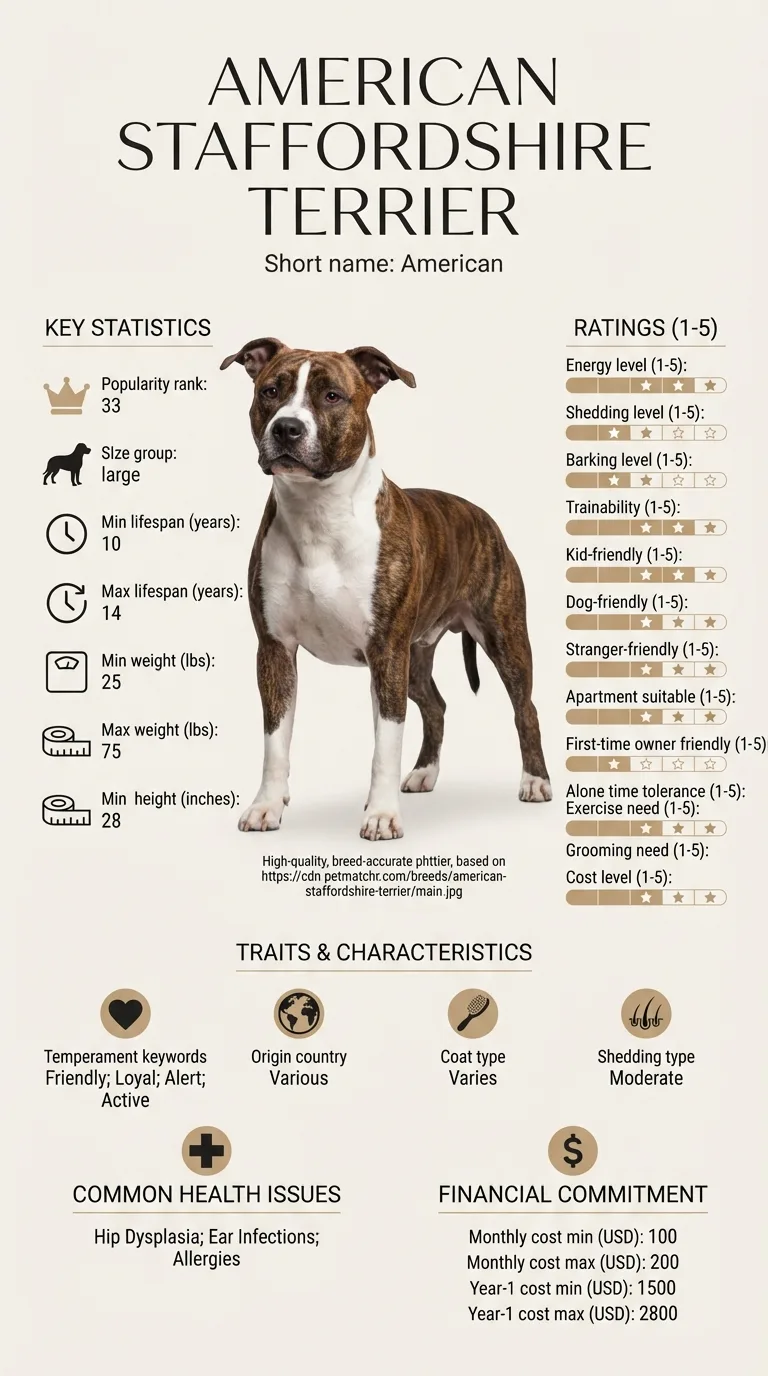
American Staffordshire Terrier Neurologic Disease: What You Need to Know - When American Staffordshire Terrier Neurologic Disease is an Emergency

A Journey with Max: Overcoming Neurologic Challenges

Meet Sarah, a single mom living in San Diego with her American Staffordshire Terrier, Max. Max developed symptoms of neurologic disease, which left him unsteady and anxious. Sarah felt overwhelmed, unsure of how to help him. With guidance from her vet, she started a dedicated training program and incorporated daily exercises to build his strength. After months of patience, Max began to regain his confidence and mobility. Sarah learned to recognize his triggers and adjusted her routine to provide a stable environment, making both their lives easier.

Key takeaway: Facing neurologic disease in your American Staffordshire Terrier requires commitment and support. With the right approach, you can help your dog thrive despite the challenges.

Frequently asked questions

What causes neurologic disease in American Staffordshire Terriers?

Neurologic disease in American Staffordshire Terriers can be caused by genetic factors, infections, or injuries. It's important to consult a vet for a proper diagnosis and to rule out other potential health issues.

How can I tell if my American Staffordshire Terrier has neurologic disease?

Signs of neurologic disease may include seizures, uncoordinated movement, or changes in behavior. If you notice these symptoms, seek veterinary attention promptly.

What are the treatment options for American Staffordshire Terrier neurologic disease?

Treatment often depends on the specific cause. Options may include medication, dietary changes, or physical therapy. Regular vet check-ups are crucial to monitor your dog's condition.

Can neurologic disease in American Staffordshire Terriers be prevented?

While not all cases can be prevented, maintaining a healthy lifestyle and regular vet visits can help. Keeping your dog active and engaged may also reduce the risk of certain neurologic conditions.

Is neurologic disease hereditary in American Staffordshire Terriers?

Yes, some neurologic diseases can be hereditary. If you’re considering breeding, ensure both parents are health tested to minimize risks of passing on genetic conditions.

What should I do if my American Staffordshire Terrier shows signs of neurologic disease?

If your dog shows symptoms like seizures or lack of coordination, contact your vet immediately. Early intervention can make a significant difference in managing the condition.

What are the symptoms of neurologic disease in American Staffordshire Terriers?

Symptoms of neurologic disease can vary but often include seizures, coordination issues, and changes in behavior. If you notice your dog acting unusually, such as difficulty walking or sudden aggression, it's important to consult a vet.

How can I support my American Staffordshire Terrier with neurologic disease?

Providing a stable environment is crucial for dogs with neurologic disease. Regular vet check-ups, a consistent routine, and gentle exercise can help manage their condition. Specialized training may also assist in behavior modification.

Is neurologic disease hereditary in American Staffordshire Terriers?

While some neurologic diseases may have genetic links, not all cases are hereditary. It’s best to research your dog’s lineage and consult your vet for specific concerns regarding breed predispositions.

When should I take my American Staffordshire Terrier to the vet for neurologic disease concerns?

If your dog shows any signs of neurologic issues like seizures, disorientation, or severe behavioral changes, it's time to see the vet. Early diagnosis can lead to better management and treatment options.

Can neurologic disease affect an older American Staffordshire Terrier differently?

Yes, older dogs may experience more severe symptoms due to age-related factors. Neurologic disease can progress faster in senior dogs, making regular veterinary check-ups even more important.

Quick answers

View more answers
Behavior

What are quick tips for managing neurologic disease in American Staffordshire Terriers?

Regular vet check-ups, a balanced diet, and mental stimulation can help manage neurologic disease. Keep your dog in a safe environment to prevent injuries.

Health

What should I do if my dog has a seizure?

Stay calm and ensure your dog is in a safe space. Do not put anything in their mouth and time the seizure, contacting your vet afterward.

Training

Can training help with neurologic issues?

Some training techniques can improve coordination and behavior. Work with a professional trainer experienced in neurologic conditions for the best results.

Costs

How much does treatment for neurologic disease cost?

Costs can vary widely, but expect to pay between $100 to $200 monthly for veterinary care. Additional treatments may increase costs significantly.

Living

What should I include in my dog's diet for neurologic support?

Include high-quality proteins, omega-3 fatty acids, and antioxidants. Consult your vet for specific dietary recommendations tailored to your dog's needs.

Related DogBreedCompass guides

  • American Staffordshire Terrier neurologic disease trainingLearn about common symptoms and treatments for neurologic disease in American Staffordshire Terriers.
  • American Staffordshire Terrier separation anxiety guideExplore how to manage and reduce anxiety-related behaviors in American Staffordshire Terriers.
  • American Staffordshire Terrier behavior problemsDiscover common behavior problems in American Staffordshire Terriers and how to address them.
  • American Staffordshire Terrier cost breakdownGet insights on costs associated with owning an American Staffordshire Terrier, including health care.
  • American Staffordshire Terrier breed guideFind detailed breed information and characteristics to understand your American Staffordshire Terrier better.

Related guides