Health
What are quick tips for American Staffordshire Terrier myxomatous mitral valve disease (mmvd)?
Stay on a regular vet schedule, monitor your dog for symptoms, and maintain a balanced diet. Keep exercise light and enjoyable.

Quick answer
What are quick tips for American Staffordshire Terrier myxomatous mitral valve disease (mmvd)?
Stay on a regular vet schedule, monitor your dog for symptoms, and maintain a balanced diet. Keep exercise light and enjoyable.
Myxomatous mitral valve disease (MMVD) is a serious heart condition that affects many American Staffordshire Terriers. Understanding this disease is crucial for ensuring your dog's health and well-being. (American Staffordshire Terrier myxomatous mitral valve disease (mmvd))
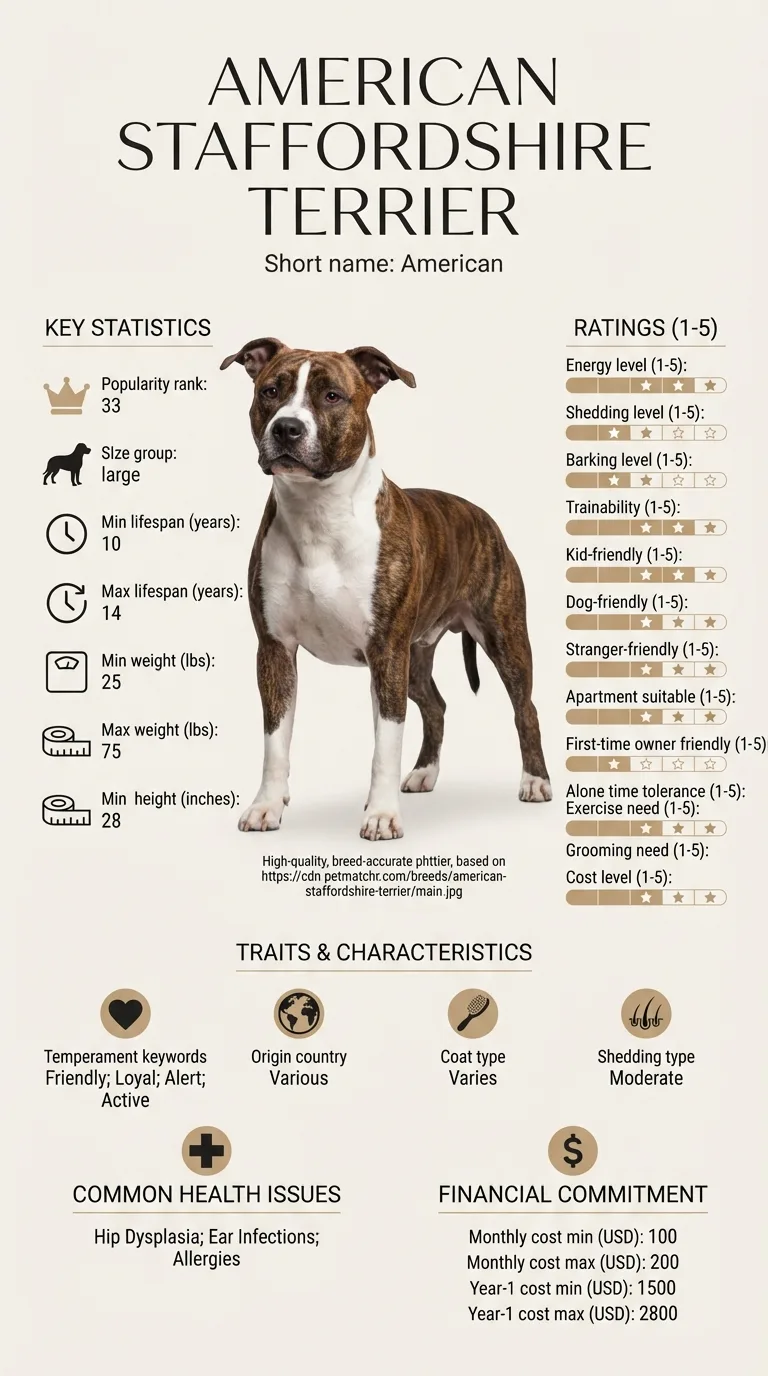
Owners of American Staffordshire Terriers, especially those new to the breed, often face challenges with MMVD. It can be overwhelming for pet parents who want to provide the best care while managing their dog's health effectively.
This guide is not medical advice. If your dog shows pain, sudden behavior change, or worsening symptoms, consult a licensed veterinarian.
Some links may be affiliate links. We may earn a commission at no extra cost to you. We only suggest products we believe are helpful for dog owners.
We research and check what we publish, but we do not warrant that any figure, date, price, or statement is accurate, complete, or current, and we accept no liability for any loss, cost, injury, or other harm arising from the use of this site. Use it as one reference among several. You remain responsible for your own decisions and for your dog's care - confirm anything that matters with a licensed veterinarian or another qualified professional before you act on it. Full disclaimer.
Check this first
Recognizing when your American Staffordshire Terrier's myxomatous mitral valve disease (MMVD) is an emergency is crucial. Immediate vet attention is needed if you notice severe symptoms such as difficulty breathing, persistent coughing, or sudden lethargy. These signs indicate that your dog's heart condition may be worsening and could lead to serious complications.
If any of these apply, call your vet or an emergency clinic now. The rest of this page is for the cases that are not an emergency.
American Staffordshire Terrier myxomatous mitral valve disease (mmvd) is a heart condition that affects many dogs in this breed. It often shows up as a gradual decline in energy levels, coughing, or difficulty breathing. Day-to-day, you might notice your dog tiring easily during walks or struggling with activities they once enjoyed.
Myxomatous mitral valve disease (mmvd) is the most common heart disease in American Staffordshire Terriers. Studies suggest that a significant percentage of older dogs in this breed may develop it, making awareness and early detection crucial for managing their health.
American Staffordshire Terriers are prone to myxomatous mitral valve disease (MMVD) due to genetic factors. This breed may inherit traits that affect their heart health, leading to a higher risk of heart disease as they age. Understanding this breed's predisposition to MMVD can help owners take preventive measures.
Environmental factors can also contribute to the development of MMVD. Stress, poor diet, and lack of exercise may exacerbate heart conditions. A dog's living conditions and lifestyle choices play a significant role in their overall heart health.
If you notice symptoms like coughing, lethargy, or difficulty breathing, it's essential to visit your vet. Early detection of MMVD can lead to more effective management and treatment options to improve your dog's quality of life.
Avoiding common pitfalls can help manage American Staffordshire Terrier myxomatous mitral valve disease (mmvd) more effectively. Here are some mistakes to steer clear of.
Start here: American Staffordshire Terrier Most Common Genetic Disorders
See all American Staffordshire Terrier health problems, which breeds are prone to myxomatous mitral valve disease mmvd, or the full American Staffordshire Terrier breed guide for temperament, exercise needs and ownership costs.
Managing American Staffordshire Terrier myxomatous mitral valve disease (MMVD) is an ongoing process. You'll likely see initial improvements within 3 to 6 months with consistent care and veterinary guidance.
Success means your dog maintains a stable quality of life with manageable symptoms. Regular vet check-ups and medication adherence will help keep their heart health in check.
If your dog shows mild signs like occasional coughing or slight fatigue during play, you may be able to monitor these symptoms at home. It’s important to keep a close eye on their activity levels and breathing patterns. Establish a plan to check in with your vet if these symptoms persist or worsen over a few days.

Jessie, a busy nurse, adopted Max, her American Staffordshire Terrier, who was diagnosed with myxomatous mitral valve disease (MMVD) shortly after. At first, Jessie felt overwhelmed by the vet visits and medication schedules. However, after joining a support group and following a structured plan, she learned how to manage Max's condition effectively. With the right diet, regular exercise, and heart medications, Max started to thrive. Jessie was amazed at how little changes made a huge difference in his energy levels and overall happiness.
Key takeaway: With the right knowledge and support, managing MMVD in your American Staffordshire Terrier can lead to a fulfilling life for both you and your furry friend.
Myxomatous mitral valve disease (mmvd) is a common heart condition in American Staffordshire Terriers, often due to genetic factors. Age also plays a role, as older dogs are more susceptible. Regular vet check-ups can help catch this disease early. This answer relates to American Staffordshire Terrier myxomatous mitral valve disease (mmvd).
Managing mmvd involves regular veterinary visits and monitoring your dog's heart health. Your vet may recommend medications to support heart function. It's also essential to maintain a healthy diet and control exercise levels.
Training should be gentle and focused on positive reinforcement. Avoid overly strenuous activities that may strain your dog's heart. Short, fun training sessions can keep your dog engaged without overexertion.
Look for symptoms like coughing, difficulty breathing, or decreased exercise tolerance. If your dog seems lethargic or has a decreased appetite, consult your vet. Early detection can lead to better management.
Diagnosis typically involves a physical examination, listening for heart murmurs, and imaging tests like X-rays or ultrasounds. Your vet will assess your dog's condition to determine the best course of action.
While you can't completely prevent mmvd, you can help by maintaining a healthy weight and regular exercise. Routine vet check-ups will also help monitor your dog's heart health and catch any issues early.
Early signs of MMVD can include coughing, difficulty breathing, and lethargy. You might also notice reduced exercise tolerance or a change in appetite. If you see these symptoms, consult your vet for an evaluation.
Yes, many dogs with MMVD can live fulfilling lives with proper management. Regular vet check-ups, a healthy diet, and appropriate medications can help. However, it's essential to monitor their condition and adapt their lifestyle as needed.
If your dog's condition worsens or if they show signs of heart failure, it's advisable to see a veterinary cardiologist. Specialists can provide advanced diagnostics and tailored treatment options that may benefit your American Staffordshire Terrier.
Yes, genetics plays a role in MMVD, and some American Staffordshire Terriers may be more predisposed due to their lineage. Regular health screenings can help detect issues early, so always consult your breeder about health history.
Maintaining a healthy weight, providing low-impact exercise, and reducing stress can help manage MMVD. A calm environment and consistent routines will also support their overall health and well-being.
Stay on a regular vet schedule, monitor your dog for symptoms, and maintain a balanced diet. Keep exercise light and enjoyable.
Create a calm environment and avoid stressful situations. Provide a cozy space for rest and ensure easy access to water and food.
Treatment can vary but expect to spend $100 to $200 monthly on medications and vet visits. Costs may increase if further diagnostic tests are needed.
Monitor for coughing, lethargy, or changes in appetite. These can signal your dog is struggling and needs immediate veterinary attention.
A one-page prep sheet for this condition: the signs, the questions to ask, what to get priced. Unlocks here.
You get: Vet visit prep sheet
No spam. One-click unsubscribe. See our privacy policy.
Preview page 1 before you decide.