DogBreedCompass
← Back to breed profile

American Staffordshire Terrier Eye Disorders: Causes and Solutions

American Staffordshire Terrier eye disorders can be serious and affect your dog's quality of life.

American Staffordshire Terrier Eye Disorders: Causes and Solutions infographic

Owners of American Staffordshire Terriers, especially those who notice changes in their dog's vision or behavior, often face challenges with these eye disorders. First-time dog owners or those unfamiliar with breed-specific health issues may find this particularly stressful.

Important reminder

This guide is not medical advice. If your dog shows pain, sudden behavior change, or worsening symptoms, consult a licensed veterinarian.

Some links may be affiliate links. We may earn a commission at no extra cost to you. We only suggest products we believe are helpful for dog owners.

What this problem looks like

American Staffordshire Terrier eye disorders can significantly impact your dog's quality of life. Common issues include cataracts, eyelid and eyelash disorders, and corneal ulcers. These conditions can lead to discomfort and vision loss, making early detection and treatment crucial.

Common triggers

  • Genetics and hereditary factors
  • Environmental irritants like dust or allergens
  • Age-related changes in eye health

Eye disorders are relatively common in American Staffordshire Terriers. Many dogs may experience some form of eye issue as they age, with cataracts being particularly prevalent among older dogs.

Why this happens

Breed factors

American Staffordshire Terriers can be prone to certain eye disorders due to their genetics. Conditions like cataracts and eyelid disorders may be inherited, especially if their ancestors had similar issues. Understanding these breed-specific risks is crucial for early detection and management.

Environment factors

Environmental factors also play a role in eye disorders. Allergens, irritants, or injuries can contribute to eye problems in your American Staffordshire Terrier. Monitoring their surroundings and maintaining a clean environment can help reduce these risks.

What you can try

At-home strategies

  • Regularly check your dog's eyes for any signs of redness, cloudiness, or discharge. Early detection is key.
  • Keep your home free from dust and allergens. Use air purifiers and clean regularly to minimize irritants.
  • Implement a balanced diet rich in Omega-3 fatty acids. This can support overall eye health.
  • Ensure your dog has plenty of fresh water. Hydration is essential for maintaining eye moisture.

When to consider a trainer

If your American Staffordshire Terrier shows signs of anxiety or stress related to their eye issues, it might be beneficial to consult a trainer. A professional can help with training techniques to minimize anxiety during vet visits or eye care routines.

When to talk to your vet

If you notice persistent symptoms like cloudy eyes, excessive tearing, or squinting, it's time to consult your veterinarian. They can provide a proper diagnosis and recommend treatment options. Regular check-ups are also recommended, especially as your dog ages.

Realistic expectations

Most American Staffordshire Terriers can show improvement in eye disorder symptoms within 4 to 8 weeks of starting treatment and training.

Success means your dog shows reduced symptoms, improved comfort, and a better quality of life. Regular vet check-ups will help monitor progress.

Mistakes that make this worse

Avoiding these common mistakes can help manage American Staffordshire Terrier eye disorders more effectively.

  • Ignoring signs of discomfort - Many owners overlook signs like squinting or excessive tearing. Instead, address these signs promptly and consult your vet.
  • Delaying vet visits - Waiting too long to see a vet can worsen conditions. Make appointments as soon as you notice any eye issues.
  • Using human eye drops - Some may try to treat eye problems with over-the-counter human medications. Always use vet-approved treatments specifically for dogs.
  • Neglecting regular eye checks - Skipping routine eye exams can let problems develop unnoticed. Regular vet check-ups are essential for early detection.
  • Overlooking allergies - Many eye disorders stem from allergies. Identify and manage allergens in your dog's environment to prevent flare-ups.
  • Not following prescribed treatments - Sometimes owners fail to stick to treatment plans. Consistency is important for effective management of eye disorders.
  • Ignoring diet and nutrition - Poor nutrition can impact overall health, including eye health. Feed your American Staffordshire Terrier a balanced diet to support their well-being.

When American Staffordshire Terrier Eye Disorders Are an Emergency

It's crucial to know when American Staffordshire Terrier eye disorders require immediate attention. Some signs indicate you should call your vet right away. These include sudden blindness, severe redness, excessive tearing, or swelling around the eyes. If your dog is pawing at its eyes or showing signs of pain, like whimpering or refusing to eat, that’s also a red flag.

On the other hand, not all eye issues are emergencies. If your dog has minor discharge or slight redness that does not worsen, you can monitor the situation. Keeping an eye on their behavior is essential. If they are still playing, eating, and acting normally, you may have time to schedule a vet visit.

A good plan involves observing any changes in their condition. Note any increased discomfort or changes in their vision. Keep track of symptoms, and don’t hesitate to call your vet if you’re unsure. It’s always better to be safe than sorry when it comes to your dog’s health.

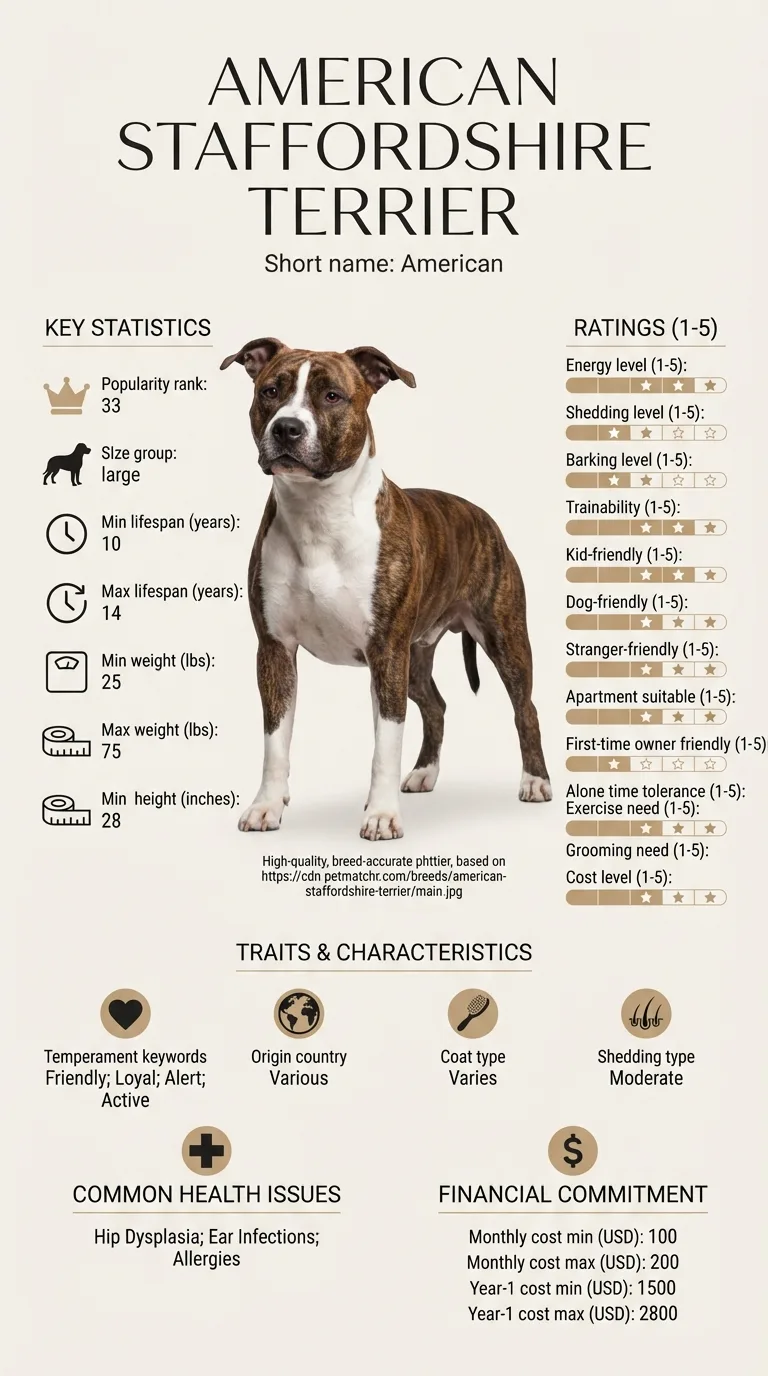
American Staffordshire Terrier Eye Disorders: Causes and Solutions - When American Staffordshire Terrier Eye Disorders Are an Emergency

Finding Clarity: Mia's Journey with Eye Disorders

When Sarah adopted Mia, her American Staffordshire Terrier, she noticed Mia squinting and pawing at her eyes. After a vet visit, Sarah learned that Mia had cataracts, a common issue in the breed. Determined to help her furry friend, Sarah researched how to stop American Staffordshire Terrier eye disorders and began a treatment plan that included medication and regular vet visits. With patience and consistent care, Mia's symptoms improved noticeably within two months, allowing her to enjoy walks and playtime without discomfort.

Key takeaway: Don't hesitate to seek professional help for your dog's eye disorders. Timely treatment and consistent follow-up can make a significant difference in their quality of life.

Frequently asked questions

Why does my American Staffordshire Terrier have eye disorders?

American Staffordshire Terrier eye disorders can be caused by genetics, environmental factors, or age. Common issues include cataracts and eyelid disorders. Regular vet check-ups can help monitor and address these problems early.

How can I prevent eye disorders in my American Staffordshire Terrier?

While some eye disorders are genetic, you can take steps to reduce the risk. Ensure your dog has a balanced diet, regular exercise, and limit exposure to irritants like dust and smoke. Regular veterinary check-ups are crucial for early detection.

What are the signs of eye disorders in American Staffordshire Terriers?

Look for signs like excessive tearing, redness, squinting, or cloudiness in the eyes. If you notice your dog rubbing its eyes or showing discomfort, schedule a vet visit. Early intervention is key to effective treatment.

How do I treat eye disorders in my American Staffordshire Terrier?

Treatment for American Staffordshire Terrier eye disorders varies based on the specific issue. Options may include medication, surgery, or lifestyle adjustments. Always consult your veterinarian to determine the best course of action.

Can eye disorders lead to other health issues in American Staffordshire Terriers?

Yes, untreated eye disorders can lead to more serious health problems, including vision loss. Regular veterinary care and prompt treatment are essential to prevent complications. Be proactive about your dog's eye health.

Is training necessary for managing eye disorders in American Staffordshire Terriers?

Training can help in managing your dog's behavior if they are uncomfortable due to eye disorders. Teaching commands like 'leave it' or 'stay' can keep them from rubbing their eyes or getting into trouble. However, medical treatment is the priority.

What are the common symptoms of eye disorders in American Staffordshire Terriers?

Common symptoms of eye disorders include excessive tearing, redness, squinting, and cloudiness in the eyes. If you notice any of these signs, it's important to consult a vet for a proper diagnosis.

Are there specific eye disorders that affect older American Staffordshire Terriers?

Yes, older American Staffordshire Terriers are more prone to conditions like cataracts and glaucoma. Regular eye check-ups become increasingly important as your dog ages.

Can eye disorders in American Staffordshire Terriers lead to other health issues?

Yes, untreated eye disorders can potentially lead to more serious complications, including vision loss. Seeking prompt veterinary care helps prevent further health issues.

How can I manage my American Staffordshire Terrier's eye disorders at home?

Managing eye disorders may involve regular cleaning of the eyes and ensuring your dog is protected from irritants. Follow your vet's recommendations for any specific treatments or medications.

What should I do if my American Staffordshire Terrier's eye condition worsens?

If you notice a sudden change in your dog's eye condition, such as increased swelling or discharge, promptly contact your vet. Early intervention can make a significant difference in treatment outcomes.

Quick answers

View more answers
Behavior

What are some quick tips for American Staffordshire Terrier eye disorders?

Keep your dog's eyes clean and free from debris. Schedule regular vet check-ups to monitor eye health. Consider protective eyewear during outdoor activities to prevent injuries.

Costs

How much do treatments for eye disorders cost?

Costs for treating American Staffordshire Terrier eye disorders can range from $50 for basic medications to over $2,000 for surgical interventions. Always consult your vet for an accurate estimate based on the condition.

Health

Are eye disorders hereditary in American Staffordshire Terriers?

Yes, some eye disorders can be hereditary. It's important to know your dog's lineage and consult breeders about health screenings. Genetic predispositions can influence the likelihood of these conditions.

Health

What should I do if my American Staffordshire Terrier shows signs of eye discomfort?

If your dog shows signs of discomfort, take them to the vet promptly. Early diagnosis and treatment can make a significant difference in the outcome of eye disorders.

Training

Can I train my American Staffordshire Terrier to avoid eye problems?

While training may not prevent eye disorders, teaching your dog to avoid harmful behaviors can help. Commands like 'gentle' can be useful if your dog tends to rub their face excessively.

Related DogBreedCompass guides

  • American Staffordshire Terrier behavior problemsUnderstanding common health issues can help you prevent or manage eye disorders in your dog.
  • American Staffordshire Terrier eye disorders trainingLearn how to train your American Staffordshire Terrier to minimize health risks and improve their well-being.
  • American Staffordshire Terrier separation anxiety guideDiscover tailored strategies to help your American Staffordshire Terrier cope with separation anxiety, which can affect their overall health.
  • American Staffordshire Terrier cost breakdownExplore the typical costs associated with owning an American Staffordshire Terrier to better prepare for potential health expenses.
  • Common health issues in American Staffordshire TerriersUnderstand the broader context of health issues to help manage eye disorders effectively.

Related guides