Behavior
What are quick tips for managing Alaskan Malamute skin allergies?
Regular baths with hypoallergenic shampoo and a vet-recommended diet can help manage skin allergies. Keeping your dog's living area clean also reduces allergen exposure.

Quick answer
What are quick tips for managing Alaskan Malamute skin allergies?
Regular baths with hypoallergenic shampoo and a vet-recommended diet can help manage skin allergies. Keeping your dog's living area clean also reduces allergen exposure.
Alaskan Malamute skin allergies can lead to constant itching and discomfort. Managing these allergies is crucial for your dog's well-being.
New dog owners and those with busy lifestyles may find it challenging to identify and manage skin allergies in their Alaskan Malamutes. Owners who are unaware of common allergens or who lack the time for regular vet visits may also struggle with this issue. Understanding how to recognize the signs and what steps to take can make all the difference.
This guide is not medical advice. If your dog shows pain, sudden behavior change, or worsening symptoms, consult a licensed veterinarian.
Some links may be affiliate links. We may earn a commission at no extra cost to you. We only suggest products we believe are helpful for dog owners.
We research and check what we publish, but we do not warrant that any figure, date, price, or statement is accurate, complete, or current, and we accept no liability for any loss, cost, injury, or other harm arising from the use of this site. Use it as one reference among several. You remain responsible for your own decisions and for your dog's care - confirm anything that matters with a licensed veterinarian or another qualified professional before you act on it. Full disclaimer.
Check this first
Recognizing when your Alaskan Malamute's skin allergies become an emergency is crucial for their health. Watch for severe signs that indicate the need for immediate veterinary care. Red flags include excessive scratching, open sores, or swelling. If your dog is experiencing difficulty breathing or shows signs of anaphylaxis, such as swelling around the eyes or mouth, call your vet right away.
In less severe cases, you can monitor your dog's condition at home. If the itching is mild, and there are no signs of infection or distress, keep an eye on their behavior and skin. Regularly check for any changes or worsening symptoms. Consult your vet if you notice persistent scratching, redness, or if the allergies seem to be affecting your dog's quality of life. Creating a plan for managing their allergies can help, but some cases may require medical intervention.
Always trust your instincts as a pet owner. If you're unsure whether the situation is an emergency, it's better to err on the side of caution and seek professional advice.
If any of these apply, call your vet or an emergency clinic now. The rest of this page is for the cases that are not an emergency.
Alaskan Malamute skin allergies can lead to persistent itching, redness, and irritation. Owners often notice their dogs scratching or biting at their skin, which can cause further irritation and even secondary infections. These allergies can be triggered by various factors, including environmental allergens, food sensitivities, and flea bites.
Skin allergies are relatively common in Alaskan Malamutes, affecting many dogs at some point in their lives. Owners should be prepared to address these issues, as they can lead to uncomfortable symptoms if left untreated.
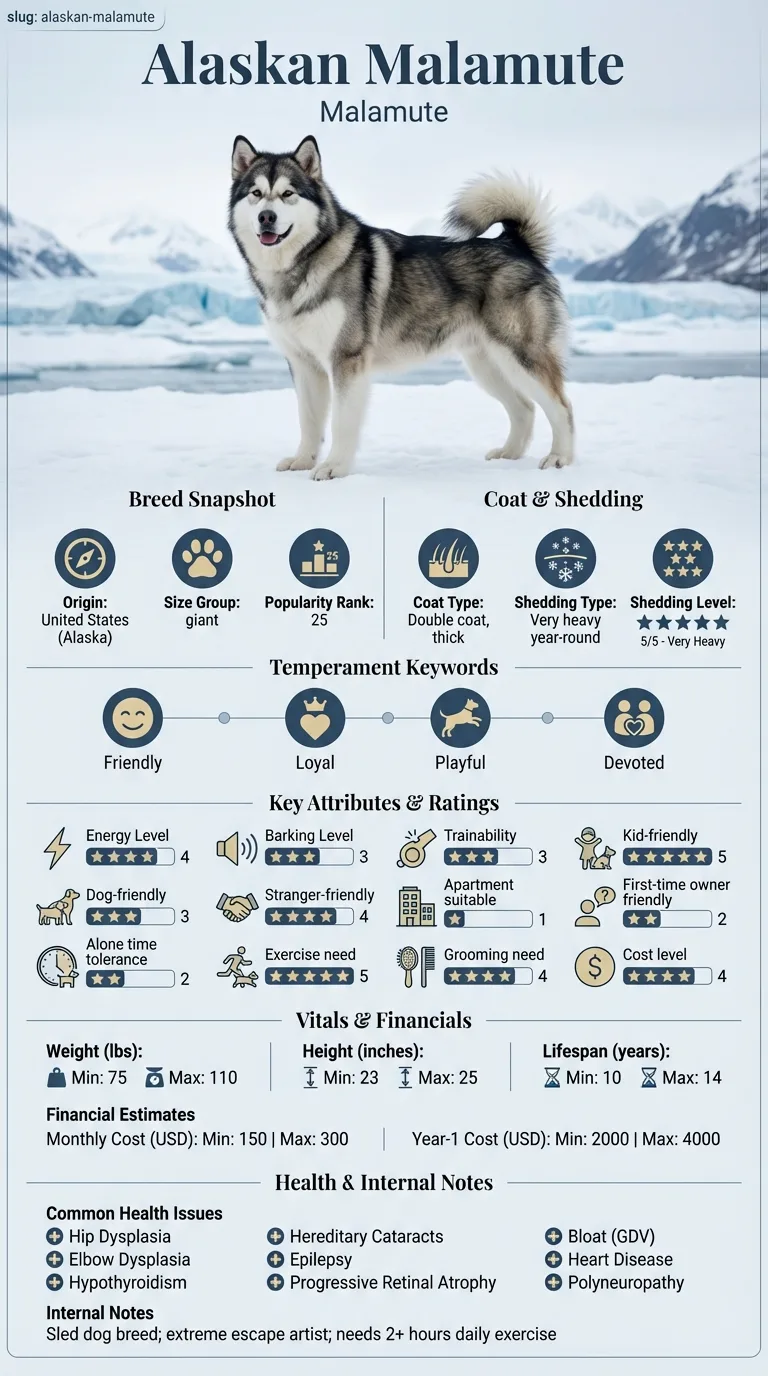
Alaskan Malamutes have a thick double coat that can trap allergens and moisture, leading to skin irritations. Their genetic predisposition to certain allergies, such as to pollen or dust mites, can also contribute to skin problems. Additionally, their heavy shedding means they may have more contact with allergens in their environment.
Environmental factors like seasonal changes can exacerbate skin allergies in Alaskan Malamutes. Exposure to irritants such as harsh chemicals, certain foods, or even poor grooming practices can lead to itching and irritation. Stressful situations or changes in routine may also weaken their immune response, making them more susceptible to allergies.
If your Malamute's skin allergies worsen or don't improve with home care, schedule a vet visit. They can provide allergy testing, recommend specific treatments, or prescribe medication to alleviate symptoms.
Certain behaviors can unintentionally worsen your Alaskan Malamute's skin allergies. Here are some common mistakes to avoid.
Start here: Alaskan Malamute Most Common Genetic Disorders: Screening
See all Alaskan Malamute health problems, which breeds are prone to skin allergies, or the full Alaskan Malamute breed guide for temperament, exercise needs and ownership costs.
It typically takes 4 to 12 weeks to see improvement in Alaskan Malamute skin allergies with consistent treatment and care.
Success means reduced itching and irritation, with a noticeable improvement in your dog's coat health and overall comfort.
When Sarah adopted Bella, her Alaskan Malamute, she quickly noticed the dog was constantly scratching and chewing on her skin. After visiting the vet, they discovered Bella had skin allergies likely caused by environmental factors. Sarah learned how to manage Bella’s allergies through a combination of hypoallergenic shampoos, a special diet, and regular vet check-ups. Over several weeks, Bella's skin improved, and she became much happier and comfortable in her own fur.
Key takeaway: With patience and a tailored approach, managing Alaskan Malamute skin allergies is possible, leading to happier and healthier dogs.
Alaskan Malamutes can develop skin allergies due to various factors, including environmental allergens like pollen, dust mites, and certain foods. Some may also suffer from sensitivities to grooming products or chemicals. Identifying the cause often requires a vet's help, including allergy testing.
To manage Alaskan Malamute skin allergies, start by eliminating potential allergens. A vet may suggest hypoallergenic diets or medications like antihistamines and steroids. Regular baths with gentle, hypoallergenic shampoos can also help soothe itchy skin.
Symptoms often include excessive scratching, redness, and hair loss. You might also notice flaky skin or hot spots where the dog has been scratching. If you see these signs, consult your vet for advice.
Treatments for Alaskan Malamute skin allergies can include medicated shampoos, topical treatments, and dietary changes. In some cases, allergy shots may be necessary to build tolerance. Always work with your vet to find the best plan for your dog.
While not all skin allergies can be prevented, you can minimize exposure by keeping your Malamute's environment clean. Regular grooming and bathing can help remove allergens. Additionally, feeding a balanced diet may support overall skin health.
Common signs include excessive scratching, redness, and inflammation of the skin. You may also notice hair loss, scabs, or flaky skin. If your Malamute is biting or licking their skin frequently, it could be a sign of an allergy.
Yes, food allergies can lead to skin problems in Alaskan Malamutes. Ingredients like beef, chicken, or grains are common culprits. If you suspect a food allergy, consult your vet about an elimination diet to identify the trigger.
If your Alaskan Malamute shows severe symptoms, such as persistent scratching or signs of infection, it's time to see the vet. Additionally, if home remedies aren't working after a few days, professional help is needed to address the allergies effectively.
Regular grooming is essential for managing skin allergies in Alaskan Malamutes. Brush them at least once a week to remove loose fur and dander, and consider using hypoallergenic shampoos. Keeping their coat clean can help reduce irritation.
Yes, seasonal changes can trigger skin allergies in Alaskan Malamutes. Pollen, dust, and mold can all contribute to allergy symptoms. Be mindful of these factors, especially during high pollen seasons, and consult with your vet for appropriate management strategies.
Regular baths with hypoallergenic shampoo and a vet-recommended diet can help manage skin allergies. Keeping your dog's living area clean also reduces allergen exposure.
Look for signs like persistent scratching, red patches, or flaky skin. If you notice these symptoms, it's time to consult your vet.
A hypoallergenic diet can help minimize allergic reactions. Consult your vet for specific recommendations based on your dog's needs.
A one-page prep sheet for this condition: the signs, the questions to ask, what to get priced. Unlocks here.
You get: Vet visit prep sheet
No spam. One-click unsubscribe. See our privacy policy.
Preview page 1 before you decide.