DogBreedCompass
← Back to breed profile

Understanding Alaskan Malamute Most Common Genetic Disorders

Alaskan Malamutes are beautiful, loyal companions, but they can be prone to several genetic disorders. Knowing these issues can help you take better care of your pet. (Alaskan Malamute most common genetic disorders)

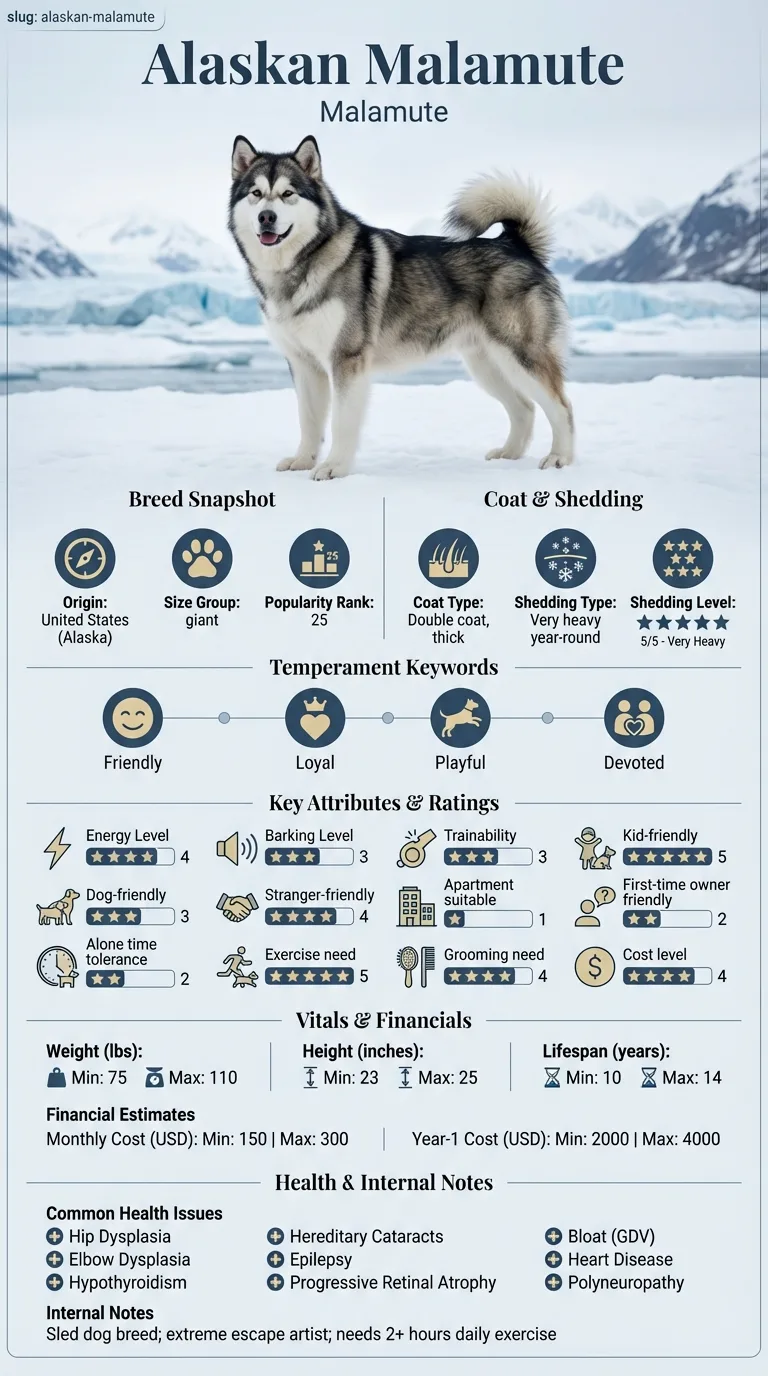
Understanding Alaskan Malamute Most Common Genetic Disorders infographic

First-time dog owners, busy families, or anyone considering an Alaskan Malamute may find themselves facing these health challenges. Understanding these disorders is crucial for responsible ownership.

Important reminder

This guide is not medical advice. If your dog shows pain, sudden behavior change, or worsening symptoms, consult a licensed veterinarian.

Some links may be affiliate links. We may earn a commission at no extra cost to you. We only suggest products we believe are helpful for dog owners.

What this problem looks like

Alaskan Malamutes can face several genetic disorders that may impact their health and well-being. Some of the most common issues include hip dysplasia, elbow dysplasia, and hypothyroidism. These conditions can lead to pain, mobility issues, and other serious health concerns, affecting their quality of life.

Common triggers

  • Inadequate exercise and obesity can exacerbate joint problems like hip and elbow dysplasia.
  • Genetics play a significant role, as these disorders are often inherited from their parents.
  • Environmental factors, such as extreme temperatures or high-stress situations, can trigger health issues.

Genetic disorders are relatively common in Alaskan Malamutes, especially hip and elbow dysplasia. Studies show that around 20-30% of Malamutes may be affected by these conditions. Regular vet check-ups and responsible breeding practices can help mitigate these risks.

Why this happens

Breed factors

Alaskan Malamutes are prone to several genetic disorders due to their breeding history. Common issues include hip and elbow dysplasia, hypothyroidism, and hereditary cataracts. These conditions can be traced back to the selective breeding practices aimed at enhancing their working traits.

Environment factors

Environmental factors can also contribute to the expression of these genetic disorders. Poor diet, lack of exercise, and inadequate veterinary care can exacerbate health issues. Additionally, factors like obesity can increase the risk of joint problems and other health conditions.

What you can try

At-home strategies

  • Provide a balanced diet rich in nutrients to help maintain your Malamute's overall health. Consider consulting with a vet for the best food options.
  • Ensure your Alaskan Malamute gets at least 2 hours of exercise daily. Regular activity can help manage weight and promote joint health.
  • Monitor your dog's weight closely. Keeping them at a healthy weight can reduce stress on their joints and lower the risk of developing certain disorders.
  • Implement a regular grooming schedule to check for skin issues or abnormalities. This can help catch problems early.

When to consider a trainer

If you notice behavioral changes or difficulty in managing your Malamute's health, consider consulting a trainer who specializes in genetic disorder management. They can provide tailored training strategies.

When to talk to your vet

If your Alaskan Malamute shows signs of pain, limping, or unusual lethargy, it's crucial to see a vet immediately. Regular check-ups can help catch genetic disorders early and ensure your dog remains healthy.

Realistic expectations

You can expect to see improvements within 3 to 6 months of implementing consistent training and care strategies.

Success looks like a healthier, happier Alaskan Malamute with reduced symptoms of genetic disorders, allowing them to enjoy a better quality of life.

Mistakes that make this worse – Alaskan Malamute most common genetic disorders

Avoiding these common pitfalls can help manage your Alaskan Malamute's genetic disorders more effectively.

  • Ignoring Early Signs: Not addressing early symptoms can lead to more severe health issues. Regular vet check-ups are crucial for early detection.
  • Inconsistent Training: Failing to provide consistent training can lead to anxiety and behavioral issues. Establish a routine to help your Malamute feel secure.
  • Neglecting Exercise: Alaskan Malamutes need a lot of exercise. Skipping regular physical activity can worsen health problems like obesity and joint issues.
  • Overfeeding: Giving too many treats or table scraps can lead to obesity, which exacerbates joint disorders. Stick to a balanced diet recommended by your vet.
  • Skipping Genetic Testing: Not testing for genetic disorders can leave you unaware of potential issues. Consider genetic testing to better understand your dog's health risks.
  • Lack of Socialization: Not socializing your Malamute can lead to behavioral problems and anxiety. Gradually introduce them to different environments and people.
  • Ignoring Vet Advice: Disregarding your vet's recommendations can worsen existing conditions. Always follow their guidance for treatment and care.

When It Is an Emergency

Emergency signs include sudden lethargy, difficulty breathing, or extreme pain. If your Malamute collapses or shows signs of bloat, like a distended abdomen, call your vet immediately. These symptoms can indicate life-threatening conditions that need urgent care.

In contrast, mild symptoms like occasional limping or slight weight gain may not be emergencies. You can monitor these signs with a plan, such as adjusting exercise routines or checking their diet. Keeping track of these symptoms can help you decide if a vet visit is necessary later.

It’s important to trust your instincts as a pet owner. If something feels off, don’t hesitate to reach out to your vet for guidance. They can help differentiate between urgent issues and those that can wait. Remember, early intervention often leads to better health outcomes for your Alaskan Malamute.

Understanding Alaskan Malamute Most Common Genetic Disorders - When It Is an Emergency

A Journey with Max: Overcoming Genetic Challenges

When Sarah adopted Max, her Alaskan Malamute, she quickly noticed he had trouble with his back legs. After a vet visit, she learned Max had hip dysplasia, a common genetic disorder in his breed. Determined to help him, Sarah researched best practices for managing his condition. She adjusted his diet, incorporated joint supplements, and created a gentle exercise routine. Over time, Max gained strength and mobility. He was even able to join Sarah on short hikes, something they'd both dreamed of.

Key takeaway: With the right approach and support, you can manage your Alaskan Malamute's genetic disorders, ensuring they lead a fulfilling life.

Frequently asked questions

What are the most common genetic disorders in Alaskan Malamutes?

Alaskan Malamutes are prone to several genetic disorders, including hip dysplasia, elbow dysplasia, and hypothyroidism. Other issues include zinc deficiency, hereditary cataracts, and heart disease. Regular vet check-ups and genetic testing can help identify these risks early. This answer relates to Alaskan Malamute most common genetic disorders.

How can I tell if my Alaskan Malamute has a genetic disorder?

Signs of genetic disorders in Alaskan Malamutes can include limping, excessive shedding, or changes in behavior. If you notice any unusual symptoms, it's crucial to consult your veterinarian for a thorough examination and possible screening for genetic conditions.

What can I do to prevent genetic disorders in my Alaskan Malamute?

To help prevent genetic disorders in Alaskan Malamutes, choose a reputable breeder who conducts health screenings. Regular exercise, a balanced diet, and routine vet visits can also reduce the likelihood of health issues as they age.

Why does my Alaskan Malamute have these common genetic disorders?

Genetic disorders in Alaskan Malamutes often stem from inherited traits passed down from their parents. Breeding practices can influence the prevalence of these disorders, so responsible breeding is vital to reducing these risks.

What are the treatment options for Alaskan Malamute genetic disorders?

Treatment options vary depending on the disorder but can include medications, surgery, or dietary changes. For conditions like hip dysplasia, weight management and physical therapy may also help. Always consult your vet for the best course of action.

What should I do if my Alaskan Malamute shows signs of genetic disorders?

If your Alaskan Malamute displays symptoms like limping or excessive thirst, it's crucial to consult your vet. They can perform tests to identify any underlying genetic disorders and recommend appropriate treatment options.

Are there specific diets that can help with genetic disorders in Alaskan Malamutes?

Yes, certain diets can support overall health and mitigate issues related to genetic disorders. A balanced diet rich in omega fatty acids and essential nutrients may help improve skin condition and joint health.

How can I prevent genetic disorders in my Alaskan Malamute?

While you can't prevent genetic disorders entirely, choosing a reputable breeder who conducts health screenings can reduce the risk. Regular vet check-ups and maintaining a healthy lifestyle also play a significant role.

At what age should I start screening my Alaskan Malamute for genetic disorders?

It's best to start health screenings around the age of one. Early detection can help manage any potential issues before they become serious problems, especially for conditions like hip dysplasia.

What are the signs that my Alaskan Malamute may have inherited a genetic disorder?

Signs can vary but often include lethargy, difficulty with movement, or changes in appetite. If you notice any unusual behavior or symptoms, a veterinary check-up is essential to rule out genetic disorders.

Quick answers

View more answers
Health

What are quick tips for managing Alaskan Malamute genetic disorders?

Prioritize regular vet check-ups and genetic testing to catch issues early. Maintain a healthy diet and ensure your Malamute gets plenty of exercise to support their overall health.

Living

How often should I exercise my Alaskan Malamute?

Alaskan Malamutes require at least 2 hours of exercise daily to stay healthy and happy. Activities like running, hiking, or playing fetch can help meet their energy needs.

Costs

What is the average cost of caring for an Alaskan Malamute?

The monthly cost for an Alaskan Malamute typically ranges from $150 to $300, depending on food, veterinary care, and grooming needs. Be prepared for additional costs related to health issues.

Related DogBreedCompass guides

  • Alaskan Malamute behavior problemsLearn more about the specific health issues common to Alaskan Malamutes, including prevention and care.
  • Alaskan Malamute separation anxiety guideExplore how to handle separation anxiety in Alaskan Malamutes to improve their wellbeing.
  • Alaskan Malamute cost breakdownUnderstand the potential costs associated with owning an Alaskan Malamute, including health care.
  • Alaskan Malamute training tipsFind out how to train your Alaskan Malamute to minimize the risk of genetic disorders.
  • Understanding Alaskan Malamute health issuesDiscover the most common health issues in Alaskan Malamutes and how to manage them effectively.

Related guides