Health
What are some quick tips for managing Alaskan Malamute kidney disease?
Feed a vet-recommended diet, ensure constant access to fresh water, and monitor their weight and behavior regularly.

Quick answer
What are some quick tips for managing Alaskan Malamute kidney disease?
Feed a vet-recommended diet, ensure constant access to fresh water, and monitor their weight and behavior regularly.
Alaskan Malamute kidney disease can be a serious health concern for these beloved dogs. Recognizing the signs early is crucial for their well-being.
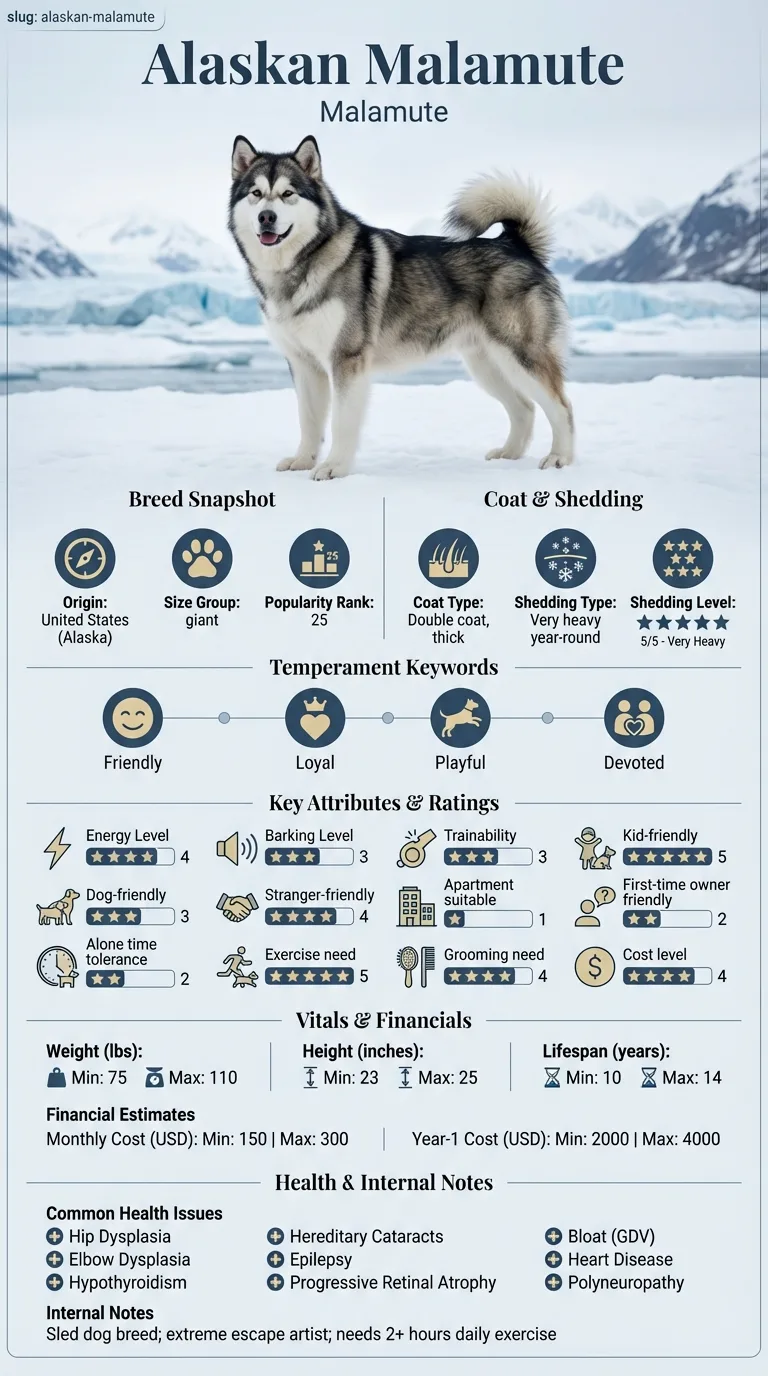
Typically, owners of Alaskan Malamutes face this issue, especially as their dogs age. First-time dog owners may feel particularly overwhelmed when confronted with this serious health problem.
This guide is not medical advice. If your dog shows pain, sudden behavior change, or worsening symptoms, consult a licensed veterinarian.
Some links may be affiliate links. We may earn a commission at no extra cost to you. We only suggest products we believe are helpful for dog owners.
We research and check what we publish, but we do not warrant that any figure, date, price, or statement is accurate, complete, or current, and we accept no liability for any loss, cost, injury, or other harm arising from the use of this site. Use it as one reference among several. You remain responsible for your own decisions and for your dog's care - confirm anything that matters with a licensed veterinarian or another qualified professional before you act on it. Full disclaimer.
Check this first
Recognizing when Alaskan Malamute kidney disease becomes an emergency is crucial for your dog's health. There are clear signs that indicate you should contact your veterinarian immediately. On the other hand, mild cases can often be monitored with a thoughtful plan.
Red-flag symptoms include severe vomiting, loss of appetite, excessive lethargy, or noticeable changes in urination habits. If your dog is drinking more water than usual or has blood in their urine, do not wait. These signs can signal a critical situation that requires prompt veterinary attention.
In contrast, if your Alaskan Malamute shows mild symptoms like slight lethargy or a minor decrease in appetite, it might be safe to monitor them for a few days. You can keep an eye on any changes and ensure they're sticking to their usual routine. However, always consult with your vet if you have concerns, as early intervention can make a significant difference in outcomes.
If any of these apply, call your vet or an emergency clinic now. The rest of this page is for the cases that are not an emergency.
Alaskan Malamute kidney disease is a serious health concern that can manifest through symptoms like increased thirst, frequent urination, and lethargy. As this condition progresses, you may notice a decrease in appetite and weight loss. Daily life for a Malamute with kidney disease can become challenging, as they may require special diets and regular vet visits to manage their health.
Kidney disease is relatively common among Alaskan Malamutes, especially as they age. Regular health check-ups can help catch early signs, but owners should stay vigilant for symptoms throughout their dog's life.
Alaskan Malamutes can be prone to kidney disease due to genetic factors. Some individuals may inherit a predisposition to kidney issues, which can manifest as they age. Additionally, their larger size can increase the strain on their kidneys over time.
Kidney disease can also be influenced by environmental factors. Poor diet, lack of hydration, and exposure to toxins can all contribute to kidney problems. Regular vet visits and proactive care are essential to catch any issues early.
If you notice symptoms like excessive thirst, frequent urination, or lethargy, consult your vet immediately. Regular check-ups are crucial for early detection and management of kidney disease.
When dealing with Alaskan Malamute kidney disease, certain common mistakes can inadvertently worsen the situation. Here are some behaviors to avoid and safer alternatives to consider.
Start here: Alaskan Malamute Most Common Genetic Disorders: Screening
See all Alaskan Malamute health problems, which breeds are prone to kidney disease, or the full Alaskan Malamute breed guide for temperament, exercise needs and ownership costs.
Managing Alaskan Malamute kidney disease can take time. Expect to see gradual changes in your dog's health over weeks to months as you adjust their diet and care routine.
Success means achieving stable kidney function, improved energy levels, and a happier, more comfortable life for your Malamute. Regular vet check-ups can help track progress.
Tina, a proud owner of a four-year-old Alaskan Malamute named Max, noticed he was drinking more water and losing weight. After a vet visit, she learned that Max had early-stage kidney disease. Initially overwhelmed, Tina committed to a specialized diet and regular vet visits. Over the next few months, with careful monitoring and adjustments, Max regained some energy and his weight stabilized. Tina found that keeping a daily log of Max's food and behavior helped her stay on track with his care.
Key takeaway: With dedication and proper management, you can improve your dog's quality of life, even with kidney disease. Regular vet check-ups and a tailored diet are crucial.
Alaskan Malamutes can develop kidney disease due to genetic factors, age, or poor diet. The breed is prone to certain health issues that can affect kidney function, making early detection crucial.
You can support your Alaskan Malamute by providing a special diet low in protein and phosphorus, as recommended by your vet. Regular vet check-ups and monitoring of kidney function are essential for managing the condition.
Common signs include increased thirst, frequent urination, weight loss, and lethargy. If you notice these symptoms, consult your vet for a thorough evaluation.
Unfortunately, kidney disease is generally progressive and cannot be reversed. However, with proper care and management, you can slow its progression and maintain your dog's quality of life.
To slow kidney disease progression, ensure your Malamute has a balanced diet tailored to their condition, stay hydrated, and keep up with regular vet visits. Medication may also be necessary based on your vet's recommendations.
Training should focus on gentle, low-impact activities to avoid stress on your Malamute's kidneys. Positive reinforcement techniques can help maintain their morale and make vet visits easier.
Early signs of kidney disease in an Alaskan Malamute may include increased thirst and urination, decreased appetite, and weight loss. You might also notice changes in energy levels, such as lethargy or decreased playfulness. If you see these signs, it's crucial to consult your vet as soon as possible.
Yes, diet plays a vital role in managing kidney disease in your Alaskan Malamute. A vet may recommend a special diet that is lower in protein and phosphorus to help reduce the workload on the kidneys. Always consult your veterinarian before making any dietary changes.
While kidney disease can occur in Alaskan Malamutes, it is not strictly hereditary. Factors such as age, diet, and overall health can contribute to its development. Regular health check-ups can help identify potential issues early on.
If your older Alaskan Malamute shows signs of kidney disease, prioritize a vet visit for a thorough examination. Your vet might suggest blood tests and urine tests to assess kidney function. Additionally, follow any recommended care plans that may include dietary adjustments and medication.
Support your Alaskan Malamute with kidney disease at home by ensuring they have constant access to fresh water and a comfortable resting area. Keeping a regular feeding schedule with vet-approved food and monitoring their behavior for any changes can also be beneficial. Regular vet check-ups are essential to track their condition.
Feed a vet-recommended diet, ensure constant access to fresh water, and monitor their weight and behavior regularly.
Regular check-ups every 6 months are recommended to monitor kidney function and adjust care as needed.
Choose a diet that is low in protein and phosphorus, and consult your vet for specific recommendations.
Light exercise can be beneficial, but avoid strenuous activities. Always follow your vet's advice on exercise routines.
A one-page prep sheet for this condition: the signs, the questions to ask, what to get priced. Unlocks here.
You get: Vet visit prep sheet
No spam. One-click unsubscribe. See our privacy policy.
Preview page 1 before you decide.