Behavior
What are Alaskan Malamute heat sensitivity quick tips?
Keep your Malamute in a cool area, provide ample water, and limit outdoor activities during peak heat. Always watch for signs of overheating.
Alaskan Malamutes are known for their thick double coats, but this can lead to serious heat sensitivity. Understanding this issue is crucial for keeping your dog safe. (Alaskan Malamute heat sensitivity)
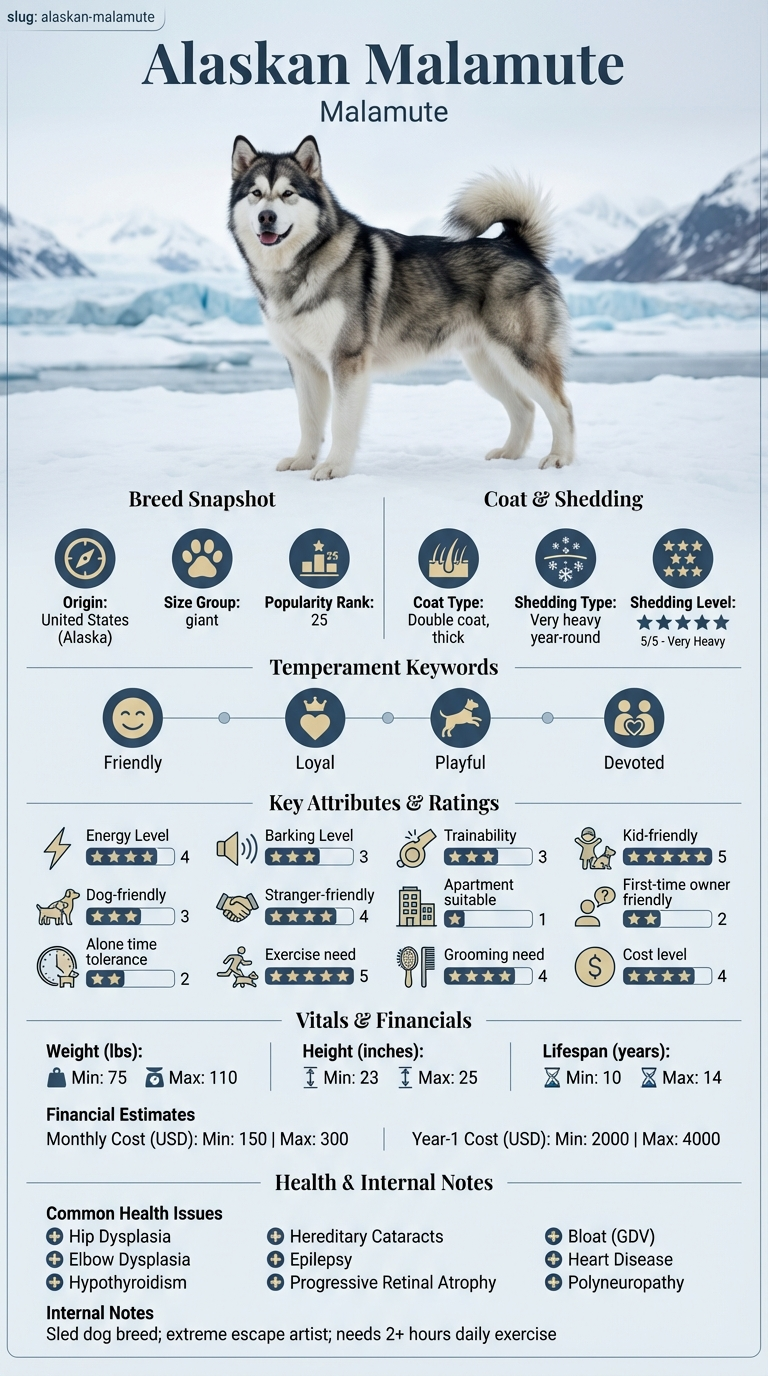
Owners living in warmer climates or those who enjoy outdoor activities during summer may find themselves facing challenges with their Malamutes. First-time dog owners or those unfamiliar with this breed's needs might also feel overwhelmed by managing heat sensitivity.
This guide is not medical advice. If your dog shows pain, sudden behavior change, or worsening symptoms, consult a licensed veterinarian.
Some links may be affiliate links. We may earn a commission at no extra cost to you. We only suggest products we believe are helpful for dog owners.
Alaskan Malamute heat sensitivity can be a serious issue for these large, thick-coated dogs. They struggle to tolerate high temperatures and may become lethargic or pant excessively in the heat. This sensitivity can lead to heatstroke, especially if they are exercised too much on hot days.
Heat sensitivity is quite common in Alaskan Malamutes due to their thick double coat, which is designed for cold climates. Many owners find that their Malamutes become uncomfortable in warmer conditions, especially during summer months.
Alaskan Malamutes have a double coat that helps them thrive in cold temperatures. This thick fur can trap heat, making it hard for them to cool down. Their body structure, designed for endurance in frigid conditions, is not suited for high heat.
Heat sensitivity can be exacerbated by environmental factors like high humidity or lack of shade. If your Malamute is frequently exposed to hot weather without a cool space, the risk of overheating increases significantly. Poor hydration and insufficient ventilation can also worsen their comfort in warm climates.
If your Alaskan Malamute struggles with heat sensitivity training, consider working with a professional trainer. They can help you develop a consistent routine and teach you specific techniques to manage your dog's behavior in warm conditions.
If your dog shows severe signs of heat sensitivity, like continuous panting or vomiting, contact your vet immediately. Additionally, consult your vet if your Malamute has underlying health issues that may complicate heat exposure, such as obesity or heart problems.
You can expect to see improvements in your Alaskan Malamute's heat sensitivity within a few weeks to a few months with consistent management and training.
Success means your Malamute can enjoy outdoor activities in warmer weather while staying safe, comfortable, and hydrated. They should show less anxiety and more enjoyment during summer outings.
Avoiding these common mistakes can help your Alaskan Malamute cope with heat sensitivity more effectively. Here are some behaviors to watch out for.
If your Malamute shows signs of extreme heat sensitivity, such as excessive panting, drooling, or lethargy, it's time to act. Additionally, if you notice symptoms like vomiting, diarrhea, or confusion, these are red flags that indicate a potential heat stroke. In these cases, call your vet immediately for guidance.
On the other hand, if your Alaskan Malamute seems slightly uncomfortable but is still drinking water, resting, and responding to commands, you can likely monitor the situation. Use cooling mats, provide plenty of shade, and ensure they have access to fresh water. Keep an eye on their behavior, and if symptoms worsen, seek veterinary advice.
Being proactive can prevent serious health issues. Always take heat sensitivity seriously, especially for a breed like the Alaskan Malamute, which is more prone to overheating due to its thick double coat. If you're ever in doubt, it's better to err on the side of caution and reach out to your vet.
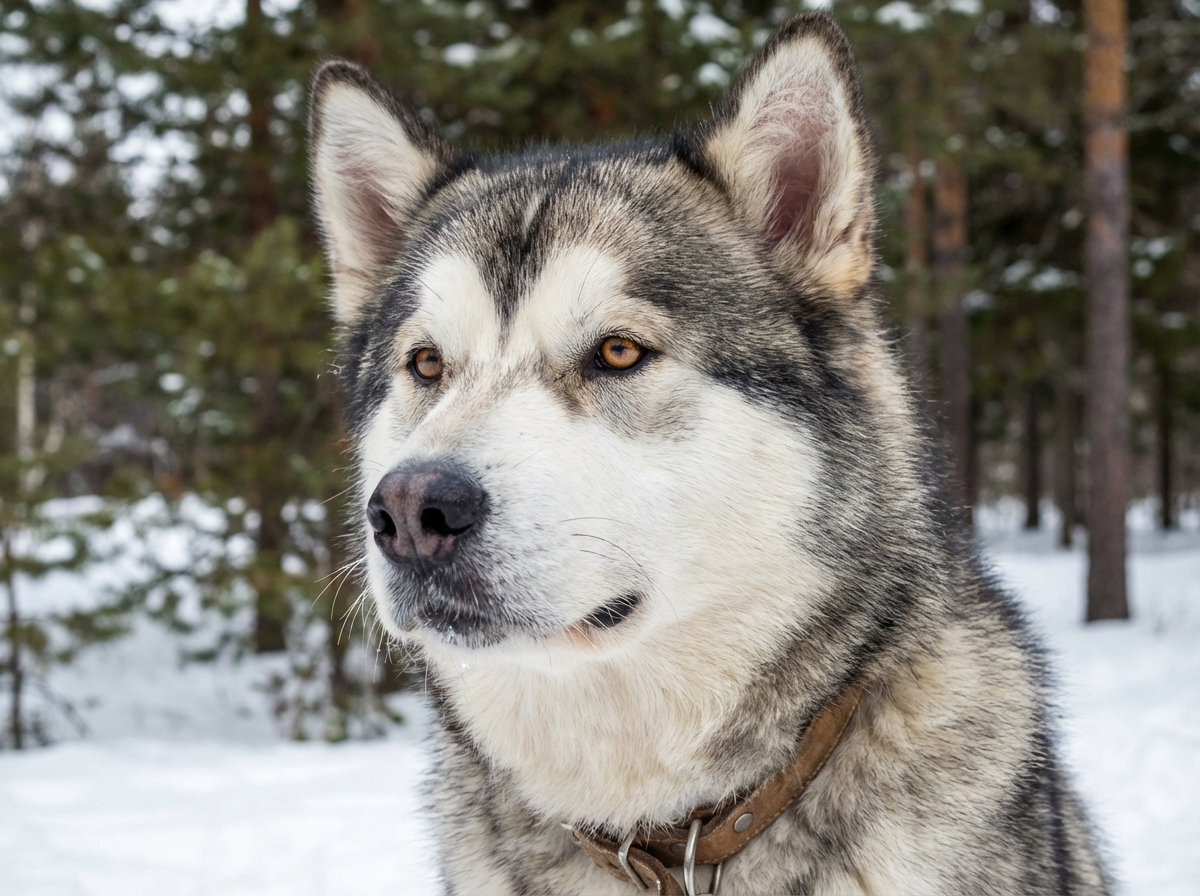
Jessica, a dedicated dog owner in Phoenix, faced challenges with her Alaskan Malamute, Max. During the sweltering summer months, Max struggled with heat sensitivity, becoming lethargic and anxious. After doing some research, Jessica learned to adjust their routine, exercising Max early in the morning and providing plenty of cold water and shade during the day. She also invested in a cooling vest for him. Over time, Max not only adapted to the heat but also enjoyed his summer walks again, wagging his tail with excitement.
Key takeaway: With the right adjustments and patience, you can help your Alaskan Malamute manage heat sensitivity effectively, allowing them to thrive even in warmer climates.
Alaskan Malamutes have thick double coats designed for cold climates, making them vulnerable to overheating in warm weather. Their body structure and high energy level also contribute to their heat sensitivity. It's essential to monitor their behavior and take precautions in hot conditions.
To help your Alaskan Malamute, provide plenty of shade, fresh water, and cool areas to rest. Limit exercise during the hottest parts of the day and consider using cooling vests or mats. Regular grooming can also help keep their coat manageable.
Signs of heat exhaustion include excessive panting, drooling, lethargy, and difficulty standing. If you notice these symptoms, move your dog to a cooler area, provide water, and contact a vet immediately if symptoms worsen. Prevention is always better than treatment.
Stopping heat sensitivity isn't possible, but managing it is key. Ensure your Malamute stays cool and hydrated, especially during hot days. Establish a routine that avoids strenuous activities when temperatures rise.
While training won't change your Malamute's physical heat sensitivity, it can help them learn to stay cool. Teach commands that encourage them to find shade or cool spots. Positive reinforcement can make this learning process fun and effective.
Signs of heat sensitivity in an Alaskan Malamute include excessive panting, drooling, lethargy, and difficulty breathing. If your Malamute is refusing to play or seems anxious in warm weather, these could be indicators of heat stress.
Yes, older Alaskan Malamutes may be more sensitive to heat due to underlying health issues or decreased stamina. It's important to monitor their activity and provide plenty of shade and water during hot days.
Alaskan Malamutes have thick double coats designed for cold climates. This can make them particularly vulnerable to overheating in warmer temperatures, which is why heat sensitivity is common in this breed.
To help your Alaskan Malamute in hot weather, ensure they have access to shade and fresh water. Limit exercise to cooler parts of the day and consider using cooling mats or vests to keep them comfortable.
If your Alaskan Malamute shows severe signs of heat stress, such as vomiting, confusion, or seizures, you should take them to the vet immediately. Quick action can save lives, as heatstroke can be life-threatening.
Keep your Malamute in a cool area, provide ample water, and limit outdoor activities during peak heat. Always watch for signs of overheating.
The best time to walk your Alaskan Malamute is early in the morning or late in the evening when temperatures are cooler.
Look for excessive panting, drooling, or weakness. If your Malamute shows these signs, take immediate action to cool them down.
Yes, regular grooming helps manage their thick coat, which can trap heat. A well-groomed coat allows for better airflow.
Absolutely! Cooling vests can help regulate your Malamute's body temperature and are a great tool for hot days.


