DogBreedCompass
← Back to breed profile

Understanding Alaskan Malamute Brachycephalic Obstructive Airway Syndrome (BOAS)

Alaskan Malamute brachycephalic obstructive airway syndrome (BOAS) can lead to serious breathing issues. This condition affects their quality of life and can be a major concern for owners.

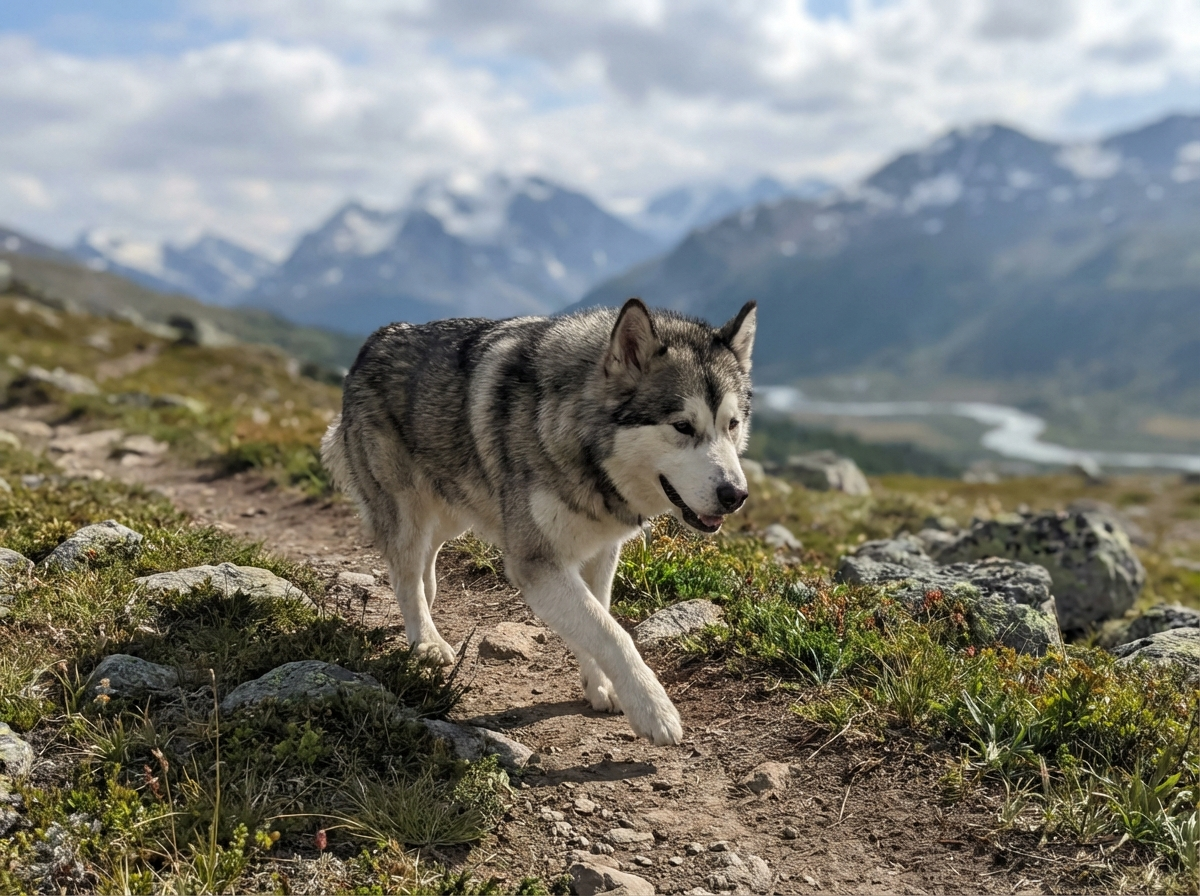
Understanding Alaskan Malamute Brachycephalic Obstructive Airway Syndrome (BOAS) infographic

Owners of Alaskan Malamutes, particularly first-time dog owners, may find this condition challenging. People living in warmer climates or those who enjoy outdoor activities with their pets may notice the symptoms more as their dogs struggle to breathe. Being proactive about BOAS can help mitigate serious health risks.

Important reminder

This guide is not medical advice. If your dog shows pain, sudden behavior change, or worsening symptoms, consult a licensed veterinarian.

Some links may be affiliate links. We may earn a commission at no extra cost to you. We only suggest products we believe are helpful for dog owners.

What this problem looks like

Alaskan Malamute brachycephalic obstructive airway syndrome (boas) is a serious condition that affects their breathing. Symptoms often include loud snoring, labored breathing, and heat sensitivity, making it a daily struggle for both the dog and the owner. These issues arise because of their unique head structure, which can obstruct airflow, especially during exercise or in hot weather.

Common triggers

  • Exercise, especially in warm weather
  • Stress or excitement
  • Obesity, which can worsen breathing issues

This condition is increasingly common in Alaskan Malamutes, primarily due to breeding practices that emphasize specific physical traits. While not every Malamute will develop BOAS, many are at risk, particularly those with shorter snouts.

Why this happens

Breed factors

Alaskan Malamutes are not typically a brachycephalic breed, but some may develop traits that lead to brachycephalic obstructive airway syndrome (BOAS). This condition is more common in flat-faced dogs, yet individual variations can occur. Genetic predispositions or interbreeding might introduce these traits into the breed.

Environment factors

Environmental factors can significantly contribute to BOAS in Alaskan Malamutes. Overweight dogs are at higher risk, as excess weight can obstruct airways. Additionally, living in hot or humid climates can worsen breathing difficulties, especially during exercise or play.

What you can try

At-home strategies

  • Maintain a healthy weight for your Alaskan Malamute by providing a balanced diet and regular exercise. Monitor their food intake and adjust portions as needed to keep them fit.
  • Create a comfortable environment that avoids extreme heat or humidity. Ensure your dog has access to cool areas and plenty of fresh water.
  • Engage in low-impact activities like walking or swimming rather than intense play to minimize stress on their airways.

When to consider a trainer

If your Alaskan Malamute shows signs of anxiety or difficulty in training due to breathing issues, consider consulting a professional trainer. They can provide tailored training methods to help your dog feel more comfortable and improve their behavior.

When to talk to your vet

If you notice persistent coughing, snoring, or difficulty breathing, it’s important to consult your vet. They can evaluate your dog's condition and suggest treatments or interventions to help manage BOAS.

Realistic expectations

You can expect to see improvements in your Alaskan Malamute's breathing within a few weeks to a few months of consistent training and management.

Success means your Malamute can breathe comfortably during regular activities and shows less distress during play or exercise.

Mistakes that make this worse

Avoiding common mistakes can help manage Alaskan Malamute brachycephalic obstructive airway syndrome (BOAS) and improve your dog's quality of life. Here are some behaviors to steer clear of:

  • Ignoring symptoms
  • Overexerting your dog
  • Using harsh training methods
  • Allowing weight gain
  • Neglecting regular vet check-ups
  • Exposing your dog to extreme heat

When Alaskan Malamute Brachycephalic Obstructive Airway Syndrome (BOAS) Is an Emergency

Brachycephalic Obstructive Airway Syndrome (BOAS) in Alaskan Malamutes can vary in severity. It’s crucial to recognize when the situation is an emergency versus when it can be managed at home. If you notice any of the following red-flag signs, call your vet immediately.

Understanding Alaskan Malamute Brachycephalic Obstructive Airway Syndrome (BOAS) - When Alaskan Malamute Brachycephalic Obstructive Airway Syndrome (BOAS) Is an Emergency
  • Severe labored breathing or gasping for air
  • Cyanosis (bluish tint to gums or tongue)
  • Extreme lethargy or unresponsiveness
  • Persistent coughing or gagging
  • Fainting or collapse

When You Can Monitor and Wait

In less severe cases, you can monitor your Malamute at home. Look for mild signs such as occasional snoring, light wheezing, or shortness of breath during exercise. These symptoms may not require immediate veterinary attention but should be documented and discussed with your vet during routine visits.

Understanding Alaskan Malamute Brachycephalic Obstructive Airway Syndrome (BOAS) - When You Can Monitor and Wait
  • Occasional snoring while resting
  • Mild wheezing during light activity
  • Shortness of breath that resolves quickly

Emily's Journey with Max's BOAS

Emily adopted Max, her Alaskan Malamute, and soon noticed he struggled to breathe while playing and snored loudly at night. After a visit to the vet, she learned about brachycephalic obstructive airway syndrome (BOAS) and the importance of managing his weight and exercise. Emily established a routine of shorter, more frequent walks and focused on training commands that encouraged calm behavior. Gradually, Max's breathing improved, and he became more energetic and playful without gasping for air.

Key takeaway: With proper management and training, you can significantly improve your Alaskan Malamute's quality of life despite BOAS.
Frequently asked questions

Why does my Alaskan Malamute have brachycephalic obstructive airway syndrome (boas)?

Brachycephalic obstructive airway syndrome (boas) occurs due to the structure of your Alaskan Malamute's face. Their short snouts can lead to breathing difficulties, snoring, and heat sensitivity. This condition is more common in breeds with flat faces, and it can affect their overall quality of life.

How can I manage my Alaskan Malamute's brachycephalic obstructive airway syndrome (boas)?

To manage boas in your Alaskan Malamute, ensure they have regular vet check-ups. Keep them at a healthy weight and avoid strenuous exercise in hot weather. Training them to remain calm can also help reduce stress on their respiratory system.

What are the symptoms of brachycephalic obstructive airway syndrome (boas) in Alaskan Malamutes?

Common symptoms of boas include noisy breathing, snoring, difficulty exercising, and heat intolerance. You may also notice your dog panting excessively or having trouble settling down. If you observe these signs, consult your veterinarian for advice.

Are there specific training techniques for Alaskan Malamutes with brachycephalic obstructive airway syndrome (boas)?

Training for Alaskan Malamutes with boas should focus on gentle obedience and calm commands. Avoid high-energy activities that can stress their breathing. Positive reinforcement techniques work best to encourage desired behaviors without overexerting them.

Can surgery help with my Alaskan Malamute's brachycephalic obstructive airway syndrome (boas)?

In some cases, surgery can improve airflow in dogs with severe boas. This typically involves correcting structural issues in their airways. Discuss with your vet whether surgery is a viable option for your Alaskan Malamute.

What are the symptoms of Alaskan Malamute brachycephalic obstructive airway syndrome (boas)?

Symptoms of Alaskan Malamute brachycephalic obstructive airway syndrome (boas) include labored breathing, excessive snoring, and difficulty exercising. You might also notice your Malamute struggling with heat sensitivity, which can lead to overheating. It's important to monitor these signs closely.

How can I help my Alaskan Malamute with brachycephalic obstructive airway syndrome (boas)?

To help your Alaskan Malamute with brachycephalic obstructive airway syndrome (boas), ensure they have a cool environment and avoid strenuous exercise. Training can also be beneficial; focus on calm commands and gentle activities. Always consult your vet for tailored advice.

When should I see a vet about my Alaskan Malamute's breathing issues?

If your Alaskan Malamute shows persistent breathing difficulties, wheezing, or if their gums appear blue, you should see a vet immediately. These symptoms can indicate severe airway obstruction. Regular check-ups are also essential for monitoring their overall health.

Can older Alaskan Malamutes develop brachycephalic obstructive airway syndrome (boas)?

Yes, older Alaskan Malamutes can develop brachycephalic obstructive airway syndrome (boas) or experience worsening symptoms. Age-related changes may exacerbate existing conditions. Regular veterinary check-ups help identify and manage these issues promptly.

Are there any surgeries for Alaskan Malamute brachycephalic obstructive airway syndrome (boas)?

Yes, surgical options exist to relieve severe cases of Alaskan Malamute brachycephalic obstructive airway syndrome (boas). Procedures can involve widening the airway or correcting structural abnormalities. Consult a veterinary specialist to discuss the best approach for your dog.

Quick answers

View more answers
Behavior

What are some quick tips for managing Alaskan Malamute brachycephalic obstructive airway syndrome (boas)?

Keep your Malamute cool and avoid heavy exercise in heat. Regular vet visits are essential for monitoring their health. Training should focus on calm behavior to reduce respiratory strain.

Health

How can I tell if my Alaskan Malamute is experiencing breathing issues?

Watch for signs like loud snoring, excessive panting, or difficulty breathing during play. If you notice any of these symptoms, consult your vet as soon as possible.

Living

Is weight management important for Alaskan Malamutes with boas?

Yes, maintaining a healthy weight is crucial as excess weight can worsen breathing difficulties. A balanced diet and regular exercise are key to their overall health.

Living

What should I avoid when caring for an Alaskan Malamute with boas?

Avoid exposing your Malamute to extreme heat or strenuous exercise, especially during summer. Both can exacerbate their breathing problems.

Related DogBreedCompass guides

Related guides