What should I do if my Alaskan Malamute reacts poorly to anesthesia?
If your Alaskan Malamute reacts poorly to anesthesia, contact your veterinarian immediately to assess the situation. Quick action can help address any complications effectively.
Alaskan Malamutes can experience anesthesia sensitivity, which is crucial to recognize before any medical procedures. (Alaskan Malamute anesthesia sensitivity)

Owners of Alaskan Malamutes, especially those who are first-time pet parents or those planning surgeries, often face challenges managing this sensitivity. If your Malamute has a history of adverse reactions to anesthesia or if they have underlying health issues, you may find this information particularly relevant.
This guide is not medical advice. If your dog shows pain, sudden behavior change, or worsening symptoms, consult a licensed veterinarian.
Some links may be affiliate links. We may earn a commission at no extra cost to you. We only suggest products we believe are helpful for dog owners.
Alaskan Malamute anesthesia sensitivity can be a serious concern for owners, especially when it comes time for surgeries or dental work. This sensitivity means that these dogs may react poorly to anesthetic drugs, leading to complications during or after medical procedures. Day-to-day, this can manifest as anxiety during vet visits, reluctance to undergo routine care, or even more severe reactions if anesthesia is needed.
Anesthesia sensitivity is not uncommon in Alaskan Malamutes, particularly given their size and unique metabolism. While not every Malamute will experience issues, it's important for owners to be aware of this risk and discuss it with their vet.
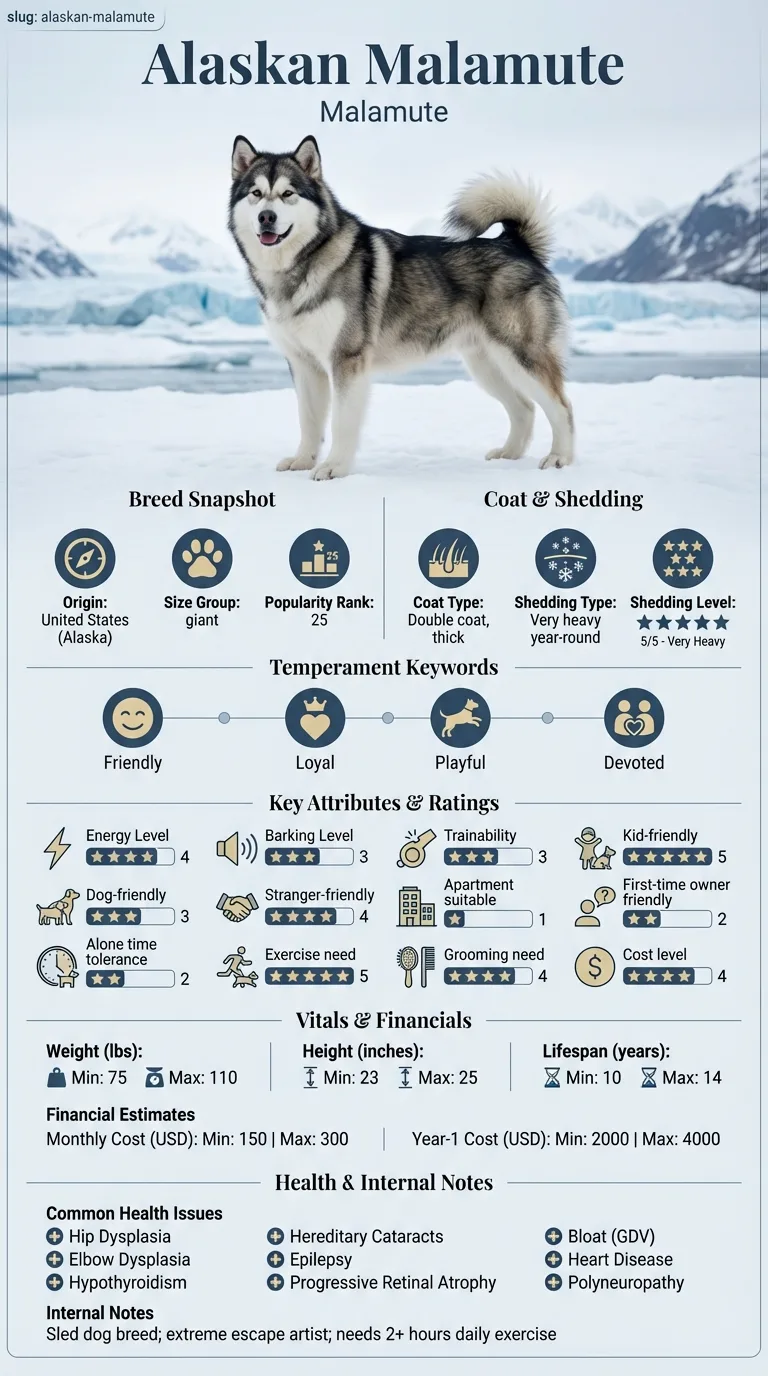
Alaskan Malamutes may have a genetic predisposition to anesthesia sensitivity. This can stem from their larger size and unique metabolism, which may affect how they process anesthetic drugs. Additionally, certain health issues common in the breed, like heart disease, can further complicate their response to anesthesia.
Environmental factors can also contribute to anesthesia sensitivity. Stressful situations, such as being in an unfamiliar place or having a poor experience during a previous procedure, can heighten anxiety. Moreover, inadequate preparation or lack of proper monitoring during anesthesia can exacerbate these sensitivities.
If your Alaskan Malamute displays severe anxiety or fear related to vet visits, consider hiring a professional dog trainer. A trainer can help you implement effective behavior modification techniques tailored to your dog's needs.
If you notice your Alaskan Malamute has had previous negative reactions to anesthesia or if you suspect they might have underlying health issues, it’s crucial to consult your vet. They can provide options for safer anesthesia protocols or recommend pre-anesthetic testing to ensure your dog's well-being.
It typically takes a few weeks to a few months to find the right management strategies for Alaskan Malamute anesthesia sensitivity.
Success means your Malamute can undergo necessary procedures with minimal stress and a lower risk of complications from anesthesia.
Here are some common mistakes that can worsen anesthesia sensitivity in Alaskan Malamutes, along with safer alternatives.
Recognizing when your Alaskan Malamute's anesthesia sensitivity becomes an emergency is crucial for their well-being. Severe reactions can lead to life-threatening situations, so it's essential to know when to act quickly. Red-flag signs include difficulty breathing, extreme lethargy, or unresponsiveness after anesthesia. If you notice any of these symptoms, call your vet immediately.
On the other hand, if your dog shows mild signs like slight disorientation or temporary grogginess, these can often be monitored at home. Keep a close watch on your Malamute, ensuring they are comfortable and recovering properly. If these mild symptoms persist beyond a few hours or worsen, consult your vet for further guidance. Having a plan is key to ensuring your dog's safety during recovery.

When Sarah, a vet tech in Seattle, adopted Max, her Alaskan Malamute, she quickly learned about his anesthesia sensitivity. After a routine check-up, Max experienced an adverse reaction to the anesthesia used for a simple dental procedure. Worried, Sarah dove into research and consulted with her vet. Together, they developed a tailored plan for Max that included alternative methods for sedation and stress-reduction techniques during vet visits. Over time, Sarah learned to manage Max's sensitivity effectively, leading to smoother experiences at the vet.
Key takeaway: Understanding and proactively addressing anesthesia sensitivity can make veterinary visits less stressful for both you and your Alaskan Malamute.

Alaskan Malamutes can have anesthesia sensitivity due to their unique metabolism and genetic factors. Some breeds, including the Malamute, may react poorly to certain anesthetic drugs. It's important to discuss any concerns about anesthesia with your vet before procedures. This answer relates to Alaskan Malamute anesthesia sensitivity.
To manage anesthesia sensitivity in your Alaskan Malamute, always inform your vet about their history and any previous reactions. They may suggest alternative anesthetics or dosages tailored for your dog. Regular check-ups and open communication with your vet can help ensure safer anesthesia experiences.
Signs of anesthesia sensitivity may include prolonged recovery time, excessive drooling, difficulty waking up, or unusual behavior after anesthesia. If you notice any of these signs, contact your vet immediately. Keeping a close eye on your dog post-surgery can help catch any issues early.
While you can't train your Alaskan Malamute to be less sensitive to anesthesia, you can prepare them better for vet visits. Positive reinforcement during trips to the vet can help reduce anxiety, making procedures smoother. Always consult with your vet for tailored advice.
Yes, certain anesthetics may be safer for Alaskan Malamutes due to their unique physiology. Discuss with your vet which options are best based on your dog's health history. They can help determine the safest approach for any necessary procedures.
Signs of anesthesia sensitivity can include prolonged grogginess, difficulty waking up after surgery, or unusual behavior post-anesthesia. If your Malamute shows any of these symptoms, contact your vet immediately for advice.
Alaskan Malamutes may have a genetic predisposition to anesthesia sensitivity. Additionally, their size and unique metabolism can affect how they react to anesthetic drugs. Always discuss any concerns with your vet before procedures.
Yes, older Alaskan Malamutes may be more sensitive to anesthesia due to age-related changes in their health or metabolism. Always inform your vet about your dog's age and any other health issues before anesthesia.
To prepare your Alaskan Malamute, ensure they are healthy and up-to-date on vaccinations. Discuss any past experiences with anesthesia with your vet, and follow their pre-surgery instructions to minimize risks.
If your Alaskan Malamute has a bad reaction, contact your vet immediately. They can assess your dog and provide treatment to manage any adverse effects. It's crucial to be vigilant after any anesthesia procedure.
If your Alaskan Malamute reacts poorly to anesthesia, contact your veterinarian immediately to assess the situation. Quick action can help address any complications effectively.
Preparing your Alaskan Malamute for anesthesia includes ensuring they are healthy before the procedure and discussing any concerns with your vet. Providing a calm environment can also help reduce anxiety.
To manage anesthesia sensitivity, always inform your vet of your dog's history, consider pre-anesthetic blood work, and discuss alternative anesthetics. Keeping your dog calm and comfortable before procedures is also important.