Living
What matters most for dog ownership in Nashville?
Choose a dog whose needs fit your housing and daily schedule, then plan for regular exercise, training, companionship, and warm-weather comfort.

Nashville dog ownership works best when your dog's needs fit your everyday routine.
Nashville can suit owners who can provide consistent walks, training, and companionship, whether they live in an apartment near green space or a home with a yard.
Nashville dog costs depend on the individual dog, housing arrangement, grooming needs, routine care, training, and emergency planning. Review your monthly budget before bringing a dog home and keep room for expenses that are harder to predict.
Nashville offers a mix of walkable urban neighborhoods, apartment communities, and residential areas with more room for a dog. Before choosing a home, look beyond a pet-friendly listing: confirm the lease terms, one-time or recurring pet fees, breed or weight rules, access to a safe walking route, and how quickly you can reach a suitable outdoor area.
For apartment households, a dog that can settle indoors after exercise may be easier to manage than one whose needs exceed the time and space available. A yard can be helpful, but it does not replace walks, enrichment, training, or supervised social time. In shared parks and trails, keep local rules in mind and use the level of leash control the setting requires.
A downtown renter may choose an adult dog with a known temperament and plan morning and evening walks around work. That routine can work well when the owner has a backup plan for long days, such as a trusted caregiver, training class, or enrichment at home.
A family in a house may have more space, but still needs to divide daily responsibilities. A friendly, active dog can be a good companion when adults remain responsible for training, supervision, and meeting its exercise needs.
An outdoor-minded owner may prefer a dog that enjoys regular activity, while remembering that Nashville's warmer days call for cooler walk times, fresh water, shade, and attention to the dog's comfort. In every scenario, the strongest match is the individual dog whose needs fit the household's time, budget, and experience.

Nashville can be a comfortable place to live with a dog when you choose housing with practical access to walks and outdoor space. Pet policies, leash rules, and available amenities vary by neighborhood and property, so verify them before signing a lease or moving.
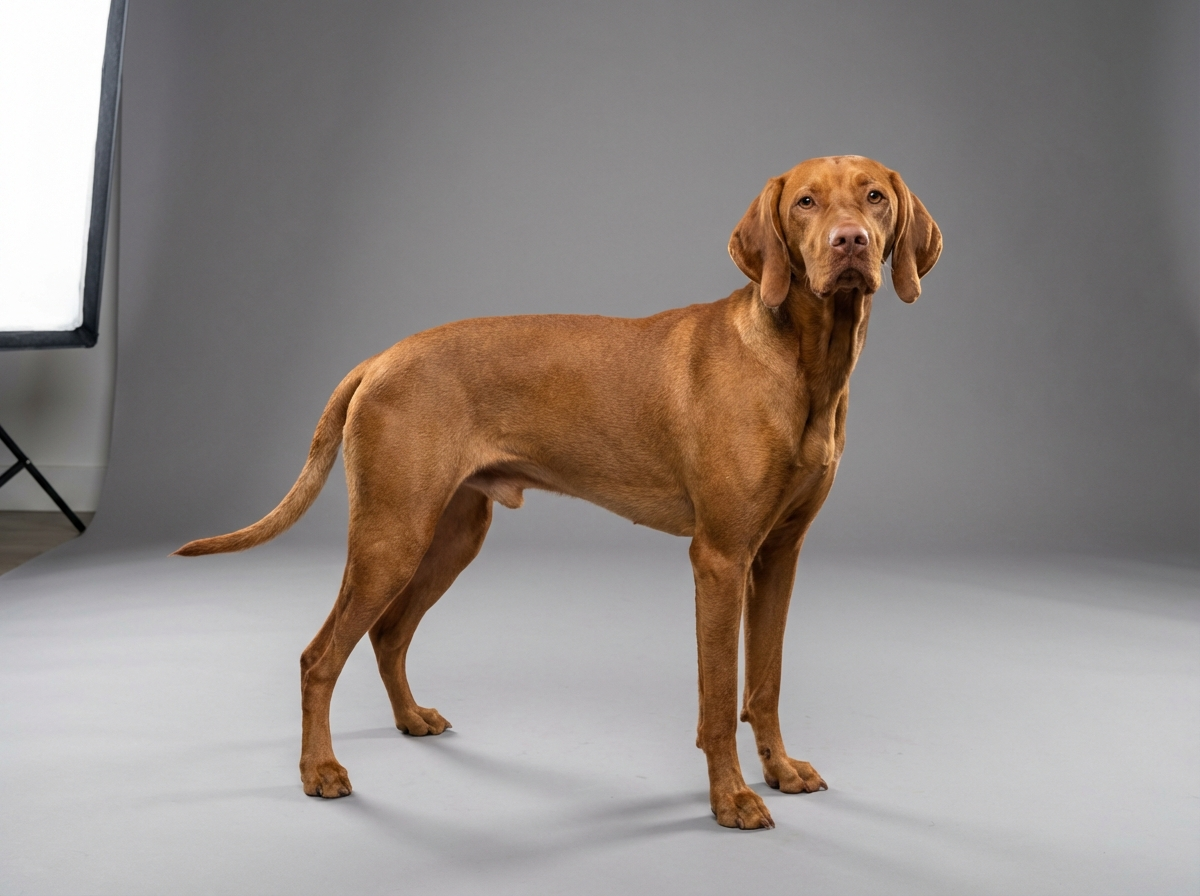
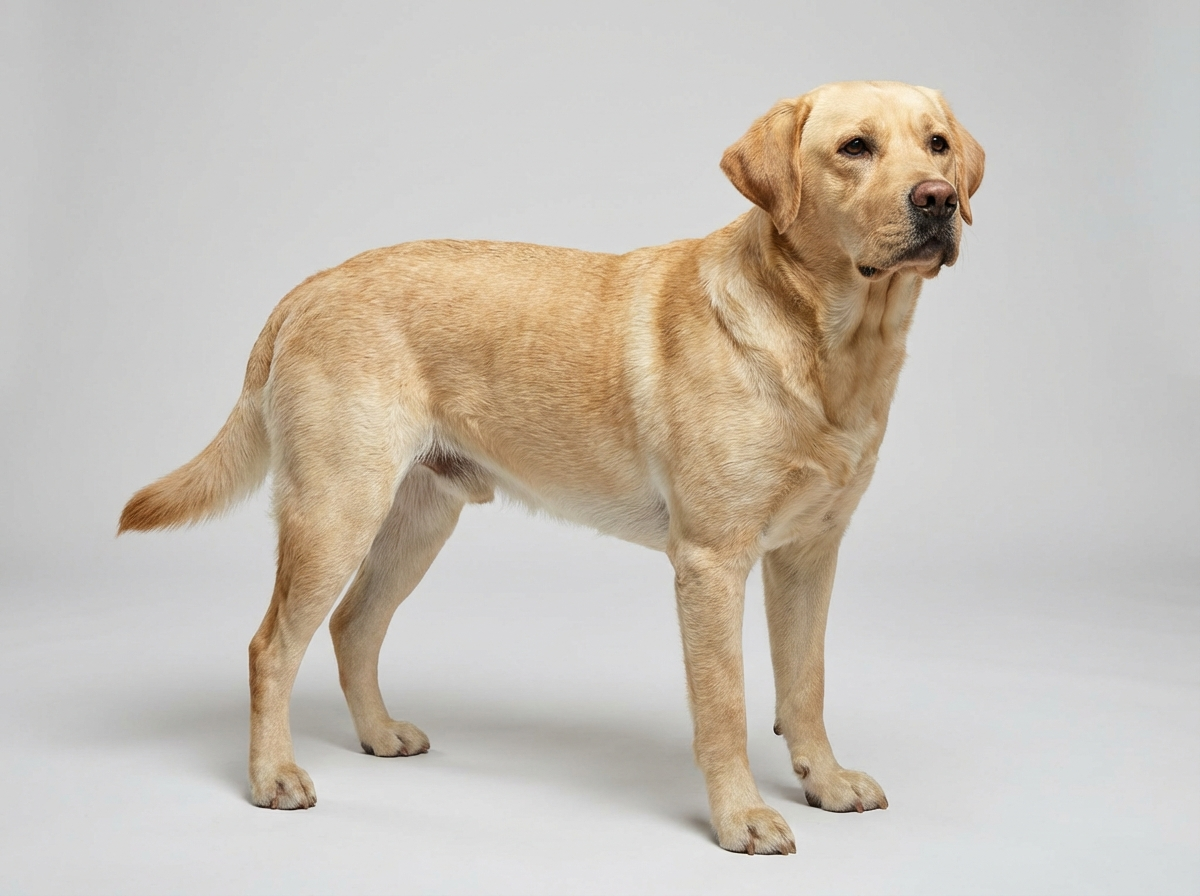
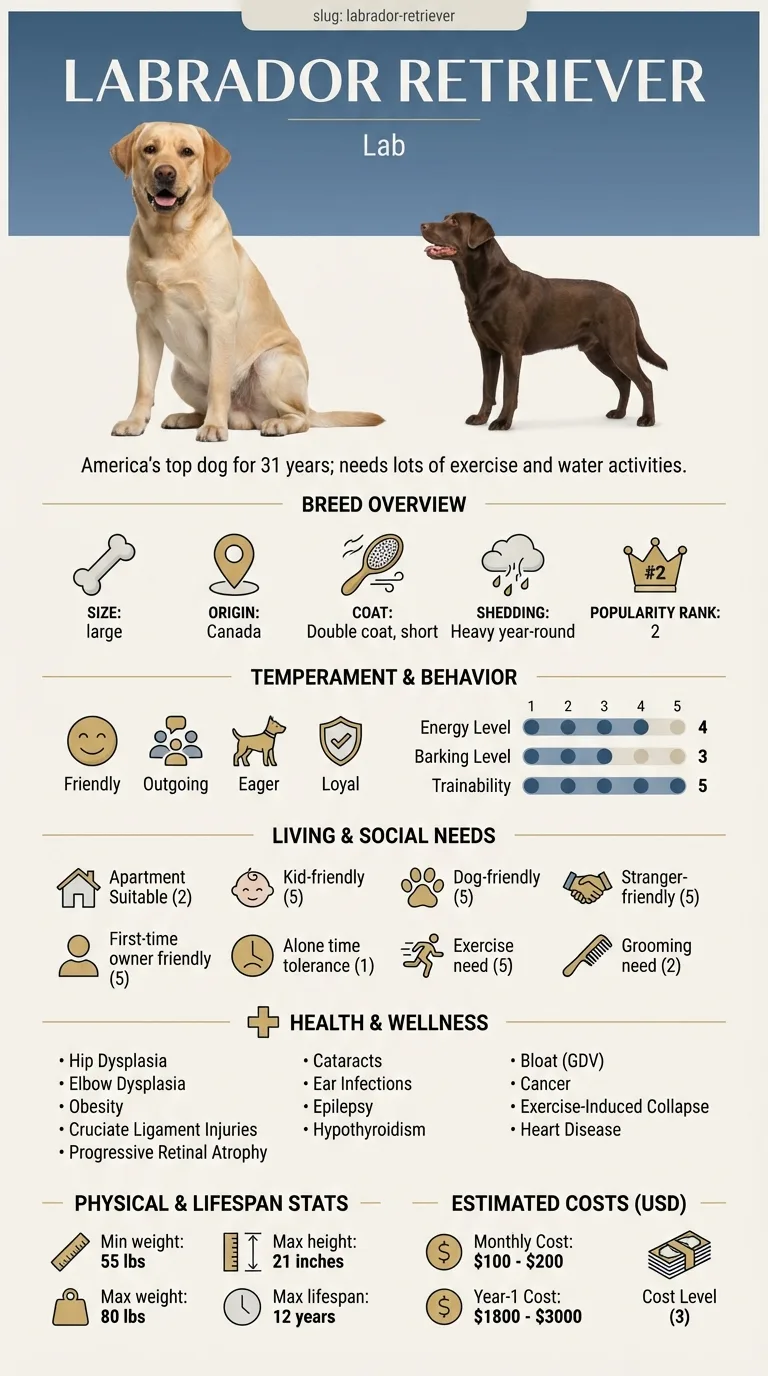
The best dogs for Nashville are dogs whose individual energy level, size, grooming needs, and comfort with your routine match your household. Labrador Retrievers, Golden Retrievers, Beagles, and Standard Poodles can suit active owners, but each dog still needs appropriate training, exercise, and care.
Check the rental's pet policy carefully, including fees, breed or size limits, and rules for common areas. Plan for predictable bathroom breaks, walks, training, and a backup care option for long workdays. A calm indoor routine and access to safe outdoor exercise are often more important than square footage alone.
On warm or humid days, consider walking during cooler parts of the day, carry water when appropriate, and offer shade and rest. Watch your individual dog for signs of discomfort and contact a licensed veterinarian promptly if you are concerned about its condition.
Build a budget for food, routine veterinary care, preventive care discussed with your veterinarian, grooming if needed, training, supplies, pet fees, and unexpected expenses. Costs vary with the dog's size, coat, age, needs, and your housing arrangement, so a personal budget is more useful than a generic citywide estimate. When researching dog ownership in Nashville, always prioritize individual veterinary assessment over general breed assumptions.
No. Comfort in warm weather varies by individual dog and can be affected by coat, age, body condition, activity, and health history. Adjust activity to conditions and seek veterinary guidance for questions about your own dog.
Choose a dog whose needs fit your housing and daily schedule, then plan for regular exercise, training, companionship, and warm-weather comfort.
Confirm pet fees, restrictions, common-area rules, nearby walking access, and whether your routine can support the dog you want.
Monthly and first-year ranges for the breeds people pick most here, unlocked on this page.
You get: City budget sheet
No spam. One-click unsubscribe. See our privacy policy.
This guide is not medical advice. If your dog shows pain, sudden behavior change, or worsening symptoms, consult a licensed veterinarian.
Some links may be affiliate links. We may earn a commission at no extra cost to you. We only suggest products we believe are helpful for dog owners.
We research and check what we publish, but we do not warrant that any figure, date, price, or statement is accurate, complete, or current, and we accept no liability for any loss, cost, injury, or other harm arising from the use of this site. Use it as one reference among several. You remain responsible for your own decisions and for your dog's care - confirm anything that matters with a licensed veterinarian or another qualified professional before you act on it. Full disclaimer.