Costs
What is the Dallas dog cost of living?
Dallas dog cost of living varies by housing policy and your dog's care needs. Budget for routine care, supplies, training, and unexpected expenses rather than relying on a single citywide number.

Dog ownership in Dallas can work well when you plan for apartment rules, hot-weather walks, and your dog's everyday routine.
Dallas can suit people who are ready to build regular walks, training, and indoor enrichment into their schedule, whether they live in an apartment or a home with a yard.
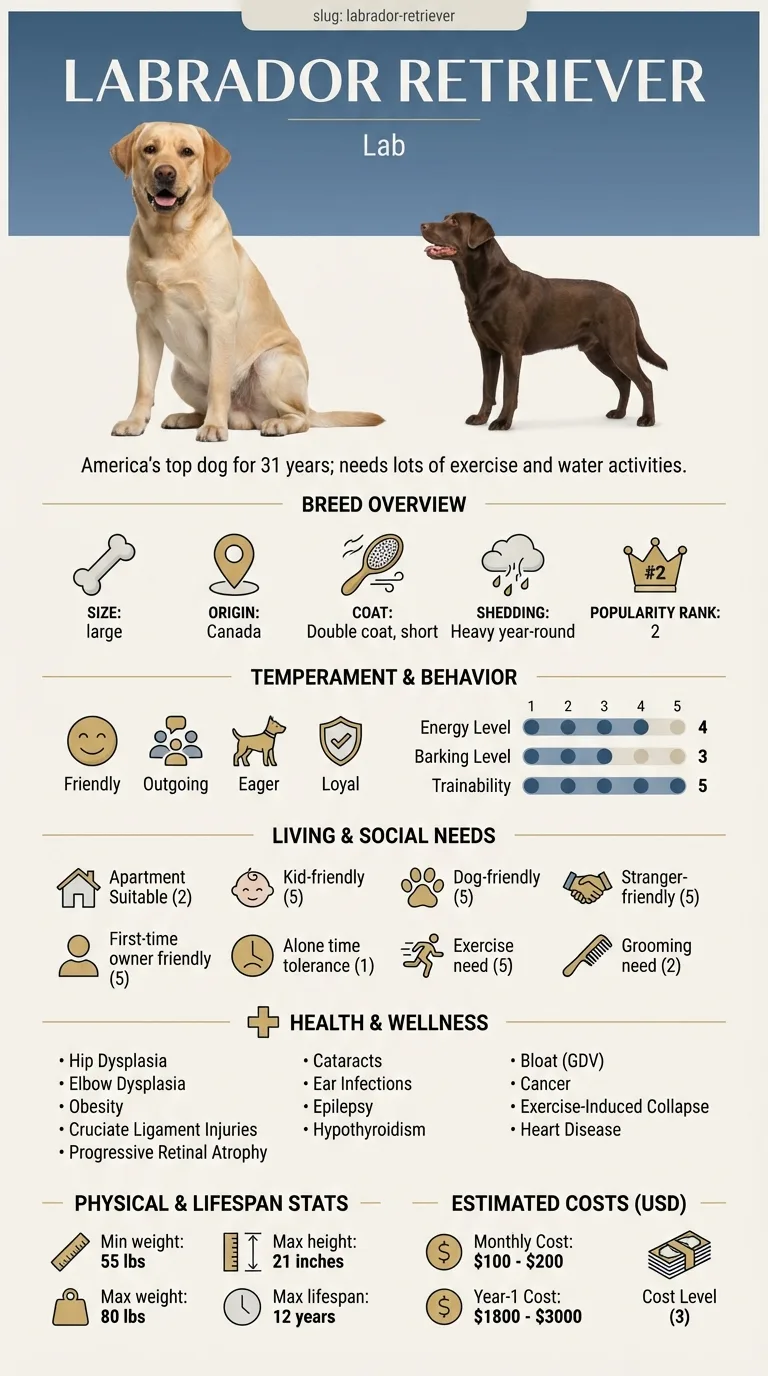
Costs for dog ownership in Dallas depend on your lease, the services you choose, and your individual dog's needs. A planning range of $100 to $300 per month can help organize recurring care and supplies, but it is not a citywide average; leave room for needs that cannot be predicted in advance.
For many people, dog ownership in Dallas starts with the apartment search. Before bringing home a dog, ask for the pet policy in writing and confirm the rules on deposits, monthly pet charges, size limits, and any breed restrictions. It is also useful to look beyond the unit itself: a safe walking route, a nearby patch of shade, and a practical place for quick bathroom breaks can matter every day.
Apartment life does not automatically require a low-energy dog, but it does require a realistic plan. A dog that needs more activity can still be a good companion when its household can provide structured walks, training sessions, play, and calm time indoors. Conversely, a smaller dog is not necessarily easier if it is uncomfortable being alone or has not learned to settle around building sounds.
Dallas heat is another planning factor. During warmer stretches, many owners shift longer walks to cooler parts of the day, carry water, and keep outdoor sessions shorter when a dog seems uncomfortable. Watch your individual dog rather than following a one-size-fits-all schedule; if you notice distress, unusual fatigue, or a sudden change in behavior, move indoors and contact a licensed veterinarian when appropriate.
The best dogs for Dallas are not defined by a single size or breed. They are dogs whose needs match the household's space, schedule, budget, and willingness to train.
Start with the life you can offer on an ordinary weekday. A busy professional may do best with an adult dog whose routine and comfort with alone time are already understood, plus a dependable plan for midday care when needed. A family may prioritize a dog that can participate in training, supervised play, and consistent household rules.
For renters, compatibility with shared walls and common areas is often more important than choosing a dog solely by appearance. Consider barking tendencies, leash skills, ability to settle after activity, and how you will manage greetings with neighbors and other dogs. Meeting an individual dog and speaking with a rescue, foster, or responsible breeder can give more useful information than assuming every dog of a breed will behave the same way.
Living with a dog in Dallas also means planning for transitions: a move, a new work schedule, travel, or a change in household members. Choosing a dog with a manageable care routine leaves more room to respond thoughtfully when life changes.

A downtown renter might choose an adult dog with a known history of calm indoor behavior, then schedule a morning walk, a midday break, and a shorter evening outing. The important part is not the neighborhood label; it is making sure the dog's activity and social needs are met consistently.
A family in a house may have more outdoor space, but a yard is not a substitute for companionship, training, or supervised activity. They may build a routine around family walks, games, and teaching children how to interact gently and respectfully with the dog.
A first-time owner may decide that adopting through a foster-based rescue is helpful because they can ask detailed questions about the dog's habits in a home. That information can make it easier to find a companion whose needs fit their Dallas apartment and workday.

Dallas can be a workable city for dog owners when housing, walking routes, and daily care fit the dog. Pet policies and amenities vary by neighborhood and property, so confirm the details before signing a lease or adopting.
The best dogs for Dallas are those whose exercise, training, and companionship needs fit your home and schedule. For apartment living, calm indoor behavior, leash skills, and the ability to settle can be more useful considerations than size alone.
Plan walks around your dog's comfort, especially during warm weather. Cooler parts of the day, water, shade, and indoor enrichment can help; reduce activity if your dog seems uncomfortable and seek veterinary advice for concerning signs.
Check the specific property rather than relying on a citywide assumption. Apartments may have rules about deposits, recurring fees, number of pets, size, or breeds, and those terms can differ between buildings.
Dallas dog cost of living depends on your housing agreement and the care your individual dog needs. Build a budget for food, routine veterinary care, supplies, training, grooming if needed, and a cushion for unexpected expenses.
Not necessarily. The right fit depends on the individual dog's needs and your routine. Some larger dogs settle well in apartments with adequate exercise and training, while some smaller dogs need substantial attention, activity, or help with noise sensitivity.
Dallas dog cost of living varies by housing policy and your dog's care needs. Budget for routine care, supplies, training, and unexpected expenses rather than relying on a single citywide number.
Choose a dog based on your ordinary schedule, not only weekend plans. In an apartment, prioritize a practical walking routine, indoor enrichment, and a clear understanding of the building's pet policy.
Use cooler parts of the day for longer outings when weather is warm, offer water and shade, and adapt the plan to your individual dog's comfort.
Monthly and first-year ranges for the breeds people pick most here, unlocked on this page.
You get: City budget sheet
No spam. One-click unsubscribe. See our privacy policy.
This guide is not medical advice. If your dog shows pain, sudden behavior change, or worsening symptoms, consult a licensed veterinarian.
Some links may be affiliate links. We may earn a commission at no extra cost to you. We only suggest products we believe are helpful for dog owners.
We research and check what we publish, but we do not warrant that any figure, date, price, or statement is accurate, complete, or current, and we accept no liability for any loss, cost, injury, or other harm arising from the use of this site. Use it as one reference among several. You remain responsible for your own decisions and for your dog's care - confirm anything that matters with a licensed veterinarian or another qualified professional before you act on it. Full disclaimer.