DogBreedCompass

Finding the Best Dog Breed for Texas Heat

If you live in Texas, choosing a dog that can handle the heat is essential. This guide helps you find the best dog breed for Texas heat, ensuring both you and your pup stay comfortable all summer long.

This guide is perfect for anyone considering adding a dog to their family, especially those living in Texas. Whether you're a first-time dog owner or have some experience, you'll find valuable information here. If you lead an active lifestyle and want a dog that can keep up in the heat, or if you're simply looking for a breed that adapts well to warm weather, this guide is for you.

Understanding which dog breeds perform best in hot climates is crucial for responsible pet ownership. Many people overlook heat tolerance when selecting a breed, leading to discomfort or health issues for their dogs. By learning about heat-tolerant breeds, you'll make a better choice for your family's lifestyle and ensure your dog stays safe and happy during those scorching Texas summers.

Choosing the Best Dog Breed for Texas Heat

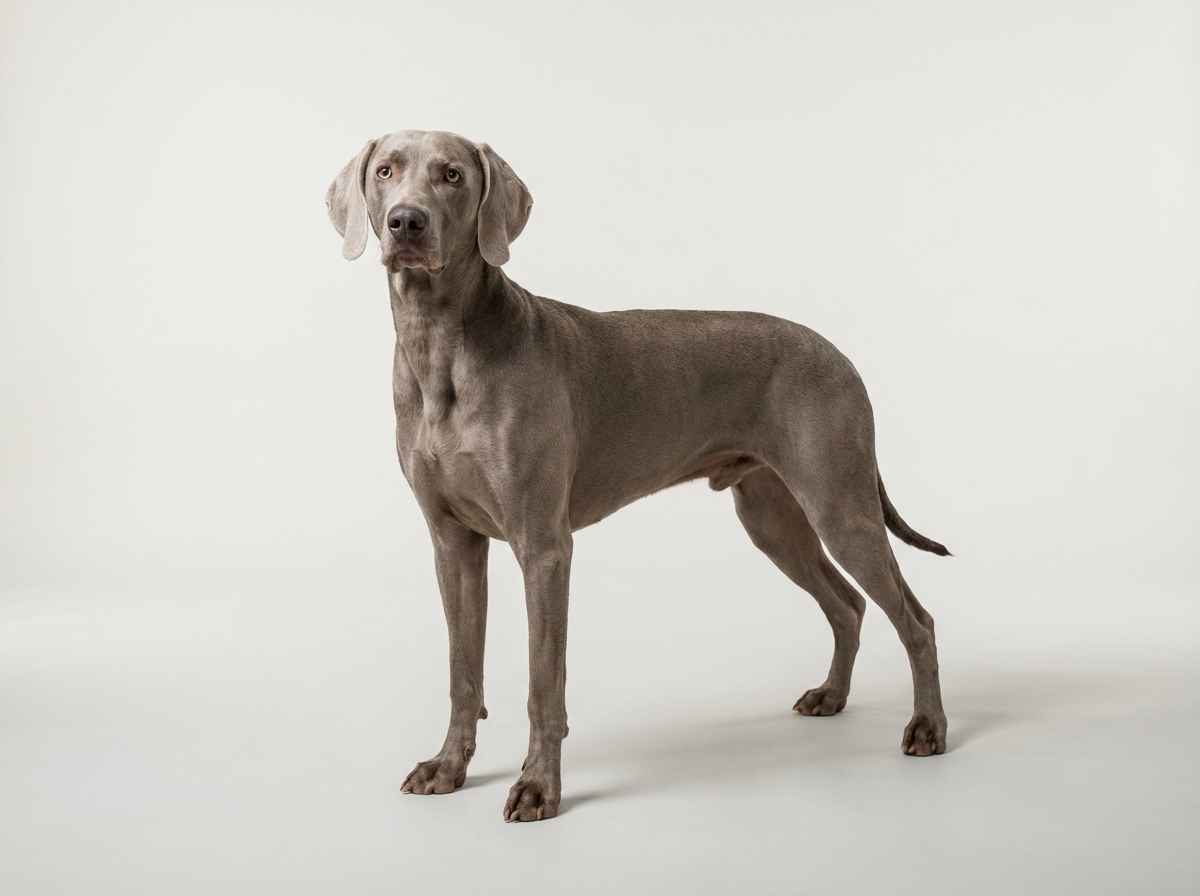
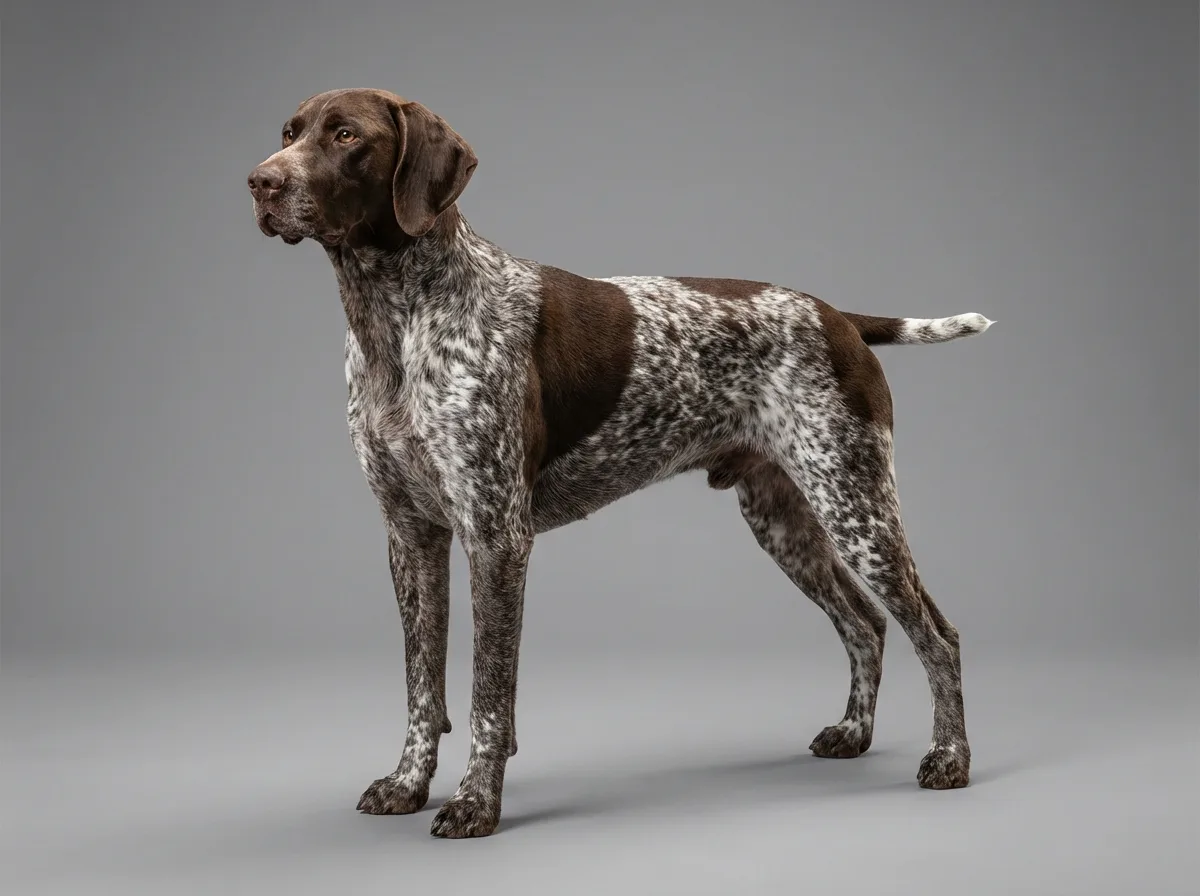
Finding the best dog breed for Texas heat is essential for ensuring your furry friend stays happy and healthy. Texas can be sweltering, with summer temperatures often soaring above 100°F. It's crucial to choose a breed that can tolerate these extreme conditions. Not all dogs are built for the heat, and selecting the wrong breed can lead to health issues and a miserable experience for both you and your pet. When considering heat tolerance in dogs, you’ll want to look for breeds that have adapted to warmer climates. These breeds often have shorter coats, leaner bodies, and higher energy levels that help them cope with the heat. It’s not just about breed; factors like your dog's age, health, and activity level also play a significant role. For instance, older dogs or those with existing health conditions may struggle more in the heat. Understanding the characteristics of southern dogs can guide your choice. Breeds like the Vizsla and German Shorthaired Pointer are known for their resilience in warm weather. They are active and love the outdoors, making them great companions for people who enjoy an active lifestyle. On the other hand, smaller breeds like Chihuahuas can also adapt well if they have proper care and shelter from the heat. Choosing the best dog for your Texas lifestyle means considering your living environment as well. If you live in a home with air conditioning, you might have more flexibility in breed selection. However, if you’re in a more rustic setting without climate control, opting for a breed that thrives in the heat becomes even more critical. You’ll want to ensure that your dog has access to shade, plenty of water, and the ability to cool down when necessary. Additionally, be aware of how humidity affects dogs. Texas often has high humidity levels, which can exacerbate heat stress. Breeds like Bulldogs may struggle more in these conditions, so it’s important to do your research. Always consult with a veterinarian when selecting a breed to ensure that it aligns with your lifestyle and environment. In this guide, we’ll explore various breeds that are well-suited for the Texas climate, discuss their specific needs, and provide tips on how to keep your dog comfortable during those scorching summer months. With the right breed and care, you can ensure that your dog enjoys a happy and healthy life in the Texas heat.

Step-by-Step Plan for Choosing the Best Dog Breed for Texas Heat

Finding the best dog breed for Texas heat involves careful consideration of various factors. Follow these steps to ensure you choose a breed that can handle the hot summers and high humidity.
  • 1. Research Heat-Tolerant Breeds: Start by looking up dog breeds known for their heat tolerance. Breeds like the Vizsla, German Shorthaired Pointer, and Chihuahua are among the best dogs for hot summers.
  • 2. Consider Your Lifestyle: Evaluate your daily routine. Active individuals may want a dog that can keep up with them, while those with a more relaxed lifestyle might prefer a calmer breed.
  • 3. Assess Your Living Environment: Think about your home and yard. Do you have enough space for a larger breed? Ensure your living conditions can accommodate the breed's needs.
  • 4. Look at Grooming Requirements: Some dogs shed more than others, which can affect their heat tolerance. Research the grooming needs of the breeds you’re interested in.
  • 5. Check Local Regulations: Verify any breed restrictions in your area. Some neighborhoods or housing associations may have rules about certain breeds.
  • 6. Visit Local Shelters or Breeders: Once you have a shortlist of breeds, visit shelters or reputable breeders to meet dogs in person. This will help you assess their temperament and suitability for your lifestyle.
  • 7. Prepare Your Home: Before bringing your new dog home, make sure your house is safe. Secure any hazards and create a comfortable space for your dog to relax.
  • 8. Plan for Hot Weather: Invest in cooling mats, shade, and plenty of water for your dog. Know the signs of heat exhaustion and make sure to keep your dog cool during the hottest parts of the day.
  • 9. Consult a Vet: Schedule a visit to the vet for a health check-up. Discuss any breed-specific health issues and get advice on caring for your dog in the Texas heat.
  • 10. Commit to Training: Start with basic obedience training. Training helps your dog adapt to their new home and ensures they are well-behaved, even in hot weather.

Why this helps

  • Identifies breeds that thrive in hot climates.
  • Considers lifestyle and living conditions.
  • Incorporates health and safety measures.

Watch out for

  • ! Requires time for research and planning.
  • ! May involve travel to meet dogs.
  • ! Commitment to training and care is necessary.

Common Mistakes When Choosing the Best Dog Breed for Texas Heat

Selecting a dog breed that thrives in the Texas heat is essential, but many prospective owners make common mistakes. Here are the most frequent missteps and why they can backfire.
  • Ignoring Heat Tolerance
  • Choosing a Breed for Looks, Not Function
  • Neglecting Hydration Needs
  • Underestimating Coat Maintenance
  • Overexercising in Peak Heat
  • Not Considering Age and Health

Watch out for

  • ! Ignoring Heat Tolerance: Choosing a breed without considering heat tolerance can lead to overheating and serious health issues. Breeds like Bulldogs or Pugs are adorable but struggle in high temperatures.
  • ! Choosing a Breed for Looks, Not Function: Many people choose a breed because it looks good instead of its ability to handle Texas conditions. This can result in a dog that is uncomfortable and unhappy.
  • ! Neglecting Hydration Needs: Failing to provide consistent access to fresh water can lead to dehydration, especially in hot weather. It's crucial to maintain hydration to keep your dog healthy.
  • ! Underestimating Coat Maintenance: Some breeds require significant grooming to manage their coats in the heat. Ignoring this can lead to matting and discomfort, especially in humid conditions.
  • ! Overexercising in Peak Heat: Many owners mistakenly believe their dog needs long walks even in hot weather. This can cause heat exhaustion, so it's vital to adjust exercise routines according to temperature.
  • ! Not Considering Age and Health: Older dogs or those with pre-existing conditions may not handle heat as well as younger, healthier dogs. It’s important to consider these factors when choosing a breed.

Myths vs. Facts About Dogs and Texas Heat

There are several myths surrounding the best dog breed for Texas heat. Let's debunk some of these misconceptions and clarify the reality for dog owners in hotter climates.
  • Myth: All dogs can handle the heat equally well.
  • Fact: Different breeds have varying levels of heat tolerance. Breeds like the Chihuahua and Vizsla are generally better suited for hot climates than others, such as Bulldogs or Pugs, who may struggle more.
  • Myth: Dogs don't need extra care in hot weather.
  • Fact: Dogs can suffer from heat stroke just like humans. It's essential to provide plenty of water, shade, and limit exercise during the hottest parts of the day.
  • Myth: A dog's fur protects them from overheating.
  • Fact: While some fur can provide a barrier, it can also trap heat. Regular grooming and brushing help keep their coat healthy and can assist in temperature regulation.
  • Myth: You can leave your dog in a parked car for short periods.
  • Fact: Even a few minutes can lead to dangerous temperatures inside a car. It's crucial never to leave your dog unattended in a vehicle, especially in Texas heat.
  • Myth: All dogs are fine with outdoor living in the summer.
  • Fact: Some breeds thrive outdoors, but many need access to a cool indoor environment. Always consider your dog's specific needs based on their breed and health.

Advanced Tips for Choosing the Best Dog Breed for Texas Heat

When selecting the best dog breed for Texas heat, going beyond the basics can help you make a more informed decision. Here are some advanced tips to consider that can significantly impact your experience as a dog owner in hot climates.

Why this helps

  • Makes for a more comfortable living environment for your dog.
  • Helps prevent heat-related health issues, like heatstroke.
  • Enhances your dog’s overall well-being and happiness.

Watch out for

  • ! Requires additional research and commitment from the owner.
  • ! Some tips may need adjustments based on individual dog needs.
  • ! Training for heat adaptation can take time and patience.

Insider Secrets for Choosing the Best Dog Breed for Texas Heat

When looking for the best dog breed for Texas heat, consider these expert insights that go beyond the basics. These tips can help you select a breed that thrives in hot conditions and keeps you and your dog happy.
  • 1. Look for Breeds with Lighter Coats: Dogs with thinner or lighter-colored coats tend to handle heat better. Breeds like the Vizsla or German Shorthaired Pointer are great examples.
  • 2. Hydration is Key: No matter the breed, ensuring your dog has constant access to fresh water is essential. Dogs can dehydrate quickly in the Texas sun, so be proactive.
  • 3. Time Outdoor Activities Wisely: Plan walks and playtime during cooler parts of the day, such as early morning or late evening. This helps prevent overheating and keeps your dog comfortable.
  • 4. Consider Adaptability to Humidity: Not all dogs handle humidity well. Breeds like the Chihuahua, which are accustomed to warm climates, may fare better than others in humid conditions.
  • 5. Watch for Signs of Overheating: Familiarize yourself with the signs of heat exhaustion in dogs, such as excessive panting, lethargy, or drooling. Knowing these signs early can prevent serious health issues.

Why this helps

  • Helps you find a breed suited to hot climates.
  • Promotes proactive care for your dog's health.
  • Encourages smarter outdoor activity planning.

Watch out for

  • ! Requires more effort in monitoring and care.
  • ! Not all tips may apply to every individual dog.

Checklist for Choosing the Best Dog Breed for Texas Heat

Use this checklist to find a dog breed that thrives in the Texas heat. Consider each factor carefully to ensure a good match for your lifestyle and climate.
  • Research heat tolerance in dogs.
  • Look for breeds known for their ability to handle high temperatures.
  • Consider the dog's size and coat type.
  • Assess your living environment (house, apartment, yard).
  • Think about your activity level and how much exercise the dog needs.
  • Explore breeds like the Vizsla, German Shorthaired Pointer, and Chihuahua.
  • Check local shelters for available dogs that fit these profiles.
  • Prepare your home for hot weather (cool areas, shade, water).
  • Plan for regular vet check-ups to monitor health.
  • Stay informed about signs of heatstroke in dogs.

Why this helps

  • Helps you find a breed that thrives in hot weather.
  • Ensures a better quality of life for your dog.
  • Reduces the risk of heat-related health issues.

Watch out for

  • ! May limit your options if you prefer certain breeds.
  • ! Requires additional research and time.
  • ! Not every dog will adapt perfectly, even within heat-tolerant breeds.

Frequently asked questions

What is the best dog breed for Texas heat?

The best dog breed for Texas heat includes those with short coats and good heat tolerance. Breeds like the Vizsla and German Shorthaired Pointer thrive in warmer climates. These dogs are not only energetic but also adapt well to the southern heat.

Can Bulldogs live in Texas?

While Bulldogs can live in Texas, they may struggle in extreme heat due to their short snouts. It's crucial to monitor their activity and provide plenty of shade and water. If you're considering a Bulldog, make sure you can keep them cool during hot days.

What are some dogs that handle humidity well?

Breeds like the American Water Spaniel and Labrador Retriever handle humidity well. They have water-resistant coats and are generally more adaptable to warm, humid conditions. Always ensure they have access to cool places to rest.

What are the signs of heat stress in dogs?

Signs of heat stress in dogs include excessive panting, drooling, and lethargy. You might also notice an increase in heart rate or difficulty breathing. If you see these symptoms, it's vital to cool your dog immediately and contact a vet.

What are the best dogs for hot summers?

Some of the best dogs for hot summers are those that are naturally inclined to handle heat, like the Chihuahua and other small breeds. These dogs often thrive with proper hydration and shade. Always consider their energy levels and activity needs.

What are the best dog breeds for hot climates?

Some of the best dog breeds for hot climates include the Chihuahua, Vizsla, and German Shorthaired Pointer. These breeds are known for their heat tolerance and ability to thrive in warmer temperatures. It's important to ensure they have plenty of water and shade.

How can I help my dog stay cool in the Texas heat?

To help your dog stay cool in the Texas heat, provide plenty of fresh water and shade. Consider using cooling mats or vests, and limit outdoor activities during the hottest parts of the day. Regular grooming can also help to keep their coat manageable and breathable.

Are there specific breeds that do well in humid conditions?

Yes, some dog breeds handle humidity well, such as the Labrador Retriever and Boxer. These breeds have short coats and are generally more adaptable to fluctuating weather. However, always monitor your dog for signs of overheating.

Can I own a Bulldog in Texas despite the heat?

While Bulldogs can be owned in Texas, they are prone to heat-related issues due to their brachycephalic (short-nosed) structure. It's crucial to keep them indoors during extreme heat and provide air conditioning to prevent overheating.

What factors should I consider when choosing a dog for Texas?

When choosing a dog for Texas, consider heat tolerance, energy levels, and exercise needs. Breeds that enjoy outdoor activities and can handle the heat are ideal. Additionally, think about your living situation and how much time you'll have for outdoor play.

How do I know if my dog is overheating?

Signs of overheating in dogs include excessive panting, drooling, lethargy, and difficulty breathing. If you notice these symptoms, move your dog to a cooler area immediately and offer water. Contact a vet if symptoms persist or worsen.

Quick answers

View more answers
Living

What are Texas friendly dogs?

Texas friendly dogs include breeds like the Vizsla and German Shorthaired Pointer, known for their heat tolerance and adaptability.

Living

Which breeds are heat tolerant?

Heat tolerant breeds include the Labrador Retriever and American Water Spaniel, as they are built to handle hot and humid climates.

Living

What are the best dogs for the south?

The best dogs for the south are typically those with short coats and high energy levels, such as the Chihuahua and Vizsla.

Living

What is the best dog to own in Texas?

Breeds like the German Shorthaired Pointer and Vizsla are great for Texas due to their heat tolerance.

Living

Can Bulldogs live in Texas?

While Bulldogs can live in Texas, they may struggle with the heat due to their brachycephalic nature.

Related DogBreedCompass guides

  • German Shorthaired Pointer guideLearn about a breed that thrives in warm climates.
  • Vizsla breed overviewDiscover if this energetic breed is right for you.
  • Chihuahua breed detailsSee if this small breed can handle the Texas heat.
  • Dog ownership costs in TexasExplore costs and ownership aspects for dogs in hot climates.
  • Heat-related behavior problemsFind solutions for dogs struggling with heat or humidity.

Important reminder

This guide is not medical advice. If your dog shows pain, sudden behavior change, or worsening symptoms, consult a licensed veterinarian.

Some links may be affiliate links. We may earn a commission at no extra cost to you. We only suggest products we believe are helpful for dog owners.

Want more tailored help?

Take the Lifestyle Match quiz to see which breeds and guides best fit your day-to-day life.

Take the quiz

More guides you might like

Find your match

Not sure which breed is right for you? Take our 2-minute quiz to find out.

Take the quiz