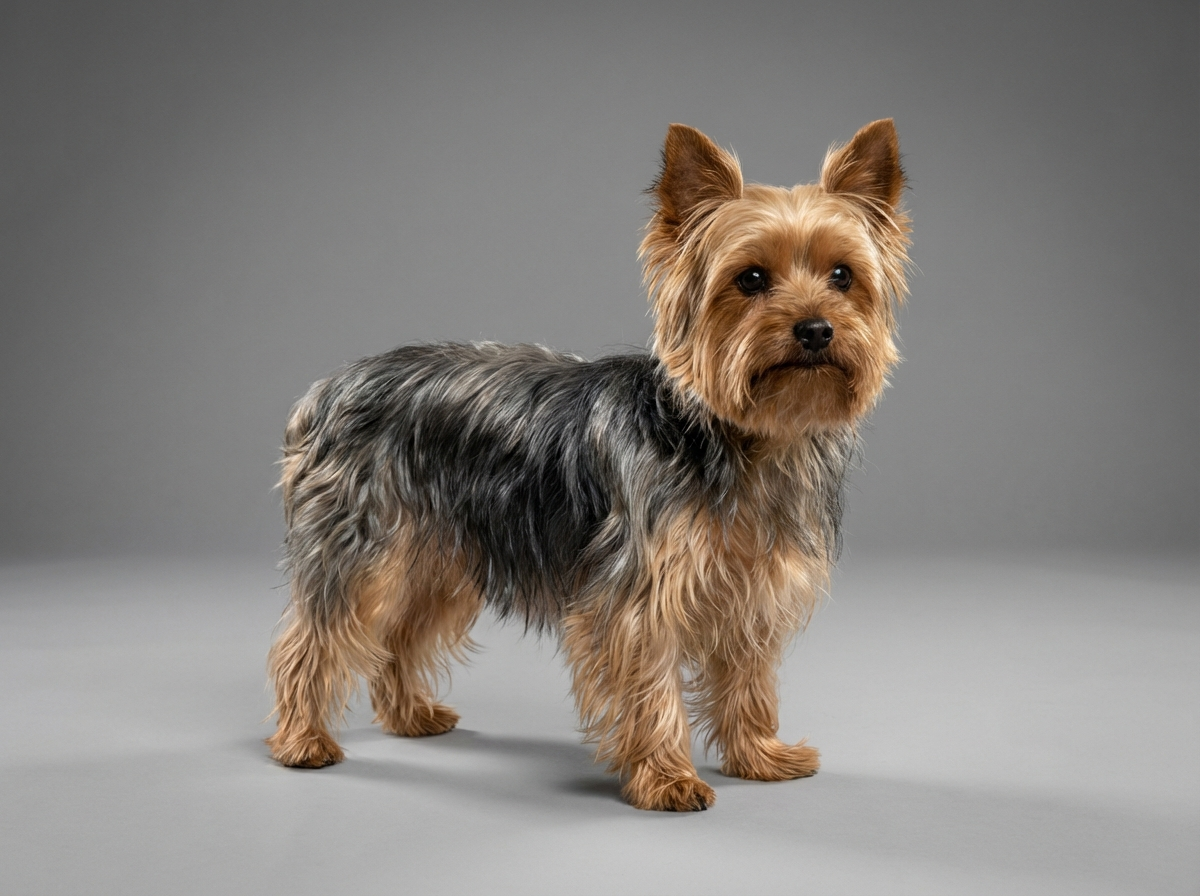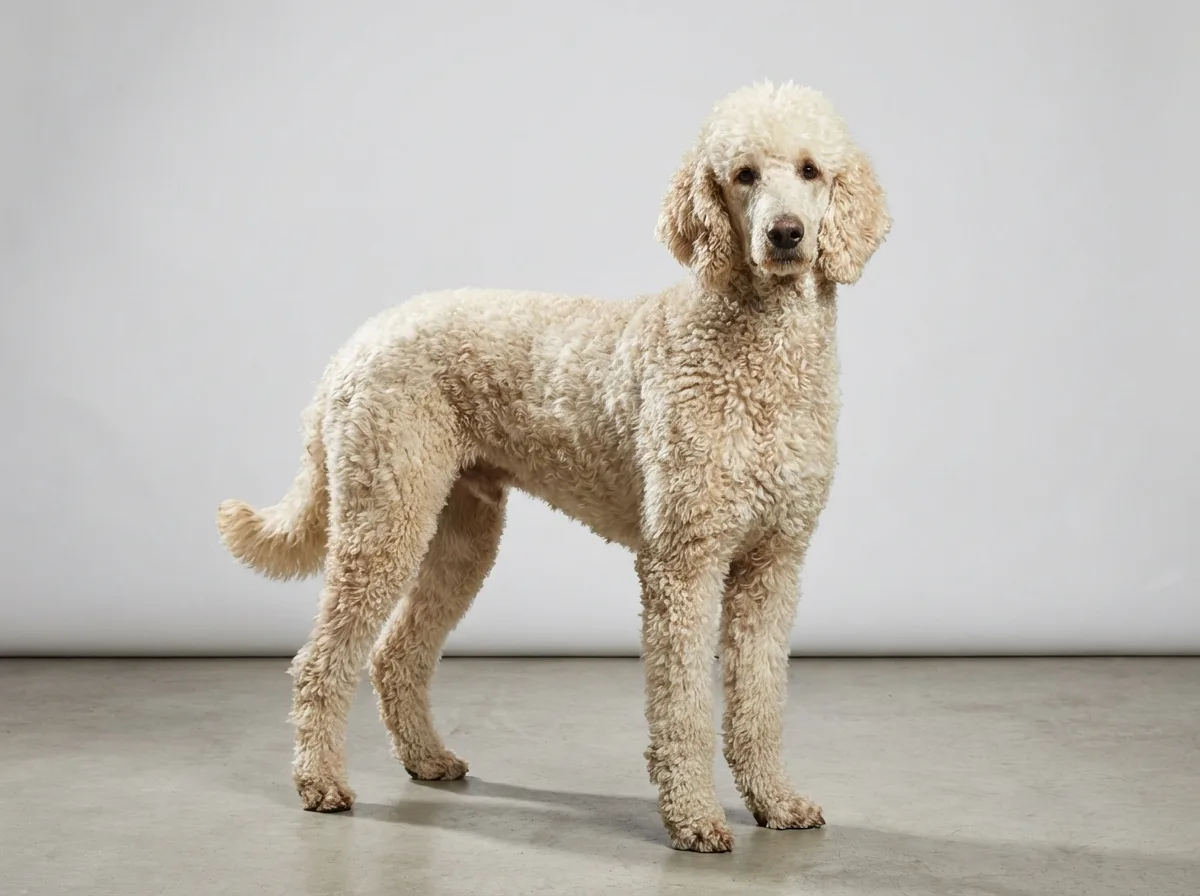
The Best Non Shedding Dogs for Families
Finding the right dog for your family can be tough, especially if you want a non shedding breed. This guide highlights the best non shedding dogs for families, ensuring you choose a clean and allergy-friendly companion.
Why Choose Non-Shedding Dogs for Families? – non shedding dogs for families
Finding the right dog breed for your family can feel overwhelming, especially if you're concerned about allergies or mess. Non-shedding dogs for families are a popular choice because they can offer companionship without the hassle of excessive fur around the house. These breeds often produce less dander, making them more suitable for allergy sufferers and families with young children.
Families often want a pet that fits seamlessly into their lives. Non-shedding dogs typically have hair that grows continuously, similar to human hair, which can make them a better fit for homes with kids. This means less cleaning up after your furry friend, and fewer allergies to worry about. Additionally, many of these dogs are known for their friendly and gentle nature, making them great companions for children.
While the idea of low-mess pets is appealing, it's essential to understand that non-shedding does not mean no maintenance. Regular grooming is necessary to keep their coats healthy and to prevent matting. This overview will help you explore the best non-shedding dogs for families, so you can make an informed decision that works for everyone in your household. We'll cover some popular breeds, tips for care, and what to consider when choosing the right dog for your family dynamics.
Step-by-Step Plan for Choosing Non-Shedding Dogs for Families
This guide will help you find the perfect non-shedding dog for your family. Follow these practical steps to make an informed choice.
- 1. Assess Your Family's Lifestyle
- 2. Research Non-Shedding Breeds
- 3. Visit Local Shelters or Breeders
- 4. Meet the Dogs in Person
- 5. Consider Your Home Environment
- 6. Plan for Training and Socialization
- 7. Prepare Your Home for the New Dog
- 8. Finalize Adoption or Purchase
Common Mistakes with Non-Shedding Dogs for Families
When it comes to choosing non-shedding dogs for families, there are several common mistakes that can lead to disappointment. Understanding these pitfalls will help you make a better decision for your household.
- Choosing the wrong breed for your lifestyle
- Ignoring grooming needs
- Underestimating training requirements
- Assuming hypoallergenic means no allergies
- Not considering energy levels
- Neglecting socialization needs
Debunking Myths About Non-Shedding Dogs for Families
Many people believe common myths about non-shedding dogs. Let's break these down with the facts to help families make informed decisions.
- Myth 1: All non-shedding dogs are hypoallergenic.
- Myth 2: Non-shedding dogs require no grooming.
- Myth 3: Non-shedding dogs are the best choice for all families.
- Myth 4: Non-shedding dogs are always low-energy.
- Myth 5: They are completely odor-free.
Advanced Tips for Choosing Non-Shedding Dogs for Families
Choosing non-shedding dogs for families involves more than just looking for breeds that don't shed. Here are some advanced tips to help you find the best fit for your household.
First, consider the dog's temperament and energy level. Some non-shedding breeds, like the Poodle, are highly intelligent and energetic. They need mental stimulation and regular exercise to stay happy. If your family is active, a breed like a Portuguese Water Dog could be a great match. For more laid-back families, a Soft-Coated Wheaten Terrier may be a better option.
Next, think about grooming needs. Non-shedding dogs often require regular grooming to maintain their coats. Research the grooming requirements for each breed. For example, Poodles need frequent professional grooming, while some other non-shedding breeds might only require brushing at home. Budget for these grooming costs as they can add up over time.
Another important factor is space. While many non-shedding dogs adapt well to apartment living, some need more room to roam. Ensure your living space can accommodate the breed’s needs. If you have kids who love to play fetch, a compact breed might not be as suitable as a larger, more active dog.
Lastly, assess any family allergies. While no dog is completely hypoallergenic, some breeds produce fewer allergens. Engage with your family to see how they react to potential breeds. Spending time with the dogs before deciding can help identify allergy triggers.
By keeping these tips in mind, you can make a more informed choice about non-shedding dogs that will thrive in your family environment.
Insider Secrets for Choosing Non-Shedding Dogs for Families
When it comes to finding the perfect non-shedding dog for families, there are some valuable insights that can truly make a difference. Here are some expert tips that many people overlook.
- Consider the dog's energy level: Non-shedding breeds can vary significantly in energy levels. Make sure to match the dog's activity needs with your family's lifestyle.
- Training is key: Many non-shedding breeds are intelligent but may have a stubborn streak. Early training and socialization will help them thrive in a family environment.
- Grooming matters: While these dogs don’t shed, they still require regular grooming to maintain their coats. Be prepared for either professional grooming or set aside time for at-home care.
- Look for hypoallergenic traits: Some non-shedding breeds are marketed as hypoallergenic, but individual reactions can vary. Spend time with the breed before making a commitment to see how your family reacts.
- Size considerations: Non-shedding dogs come in various sizes. Think about your living space and how much room you have to accommodate a larger breed.
Checklist for Choosing Non-Shedding Dogs for Families
Follow this checklist to find the perfect non-shedding dog for your family. These steps will help ensure you choose a breed that fits your lifestyle and needs.
- Research hypoallergenic family dogs like Poodles and Portuguese Water Dogs.
- Consider your living space: Do you have room for a medium-sized dog?
- Evaluate family members' allergies before making a decision.
- Look for breeds known for being clean and low-mess, like Soft Coated Wheaten Terriers.
- Check local shelters and rescues for non-shedding dogs available for adoption.
- Prepare your home with dog-friendly spaces and necessary supplies.
- Plan for regular grooming to maintain a non-shedding dog's coat.
- Teach children how to interact safely and gently with the dog.
Frequently asked questions
What are the best non shedding dogs for families?
Some of the best non-shedding dogs for families include the Poodle, Portuguese Water Dog, and Soft Coated Wheaten Terrier. These breeds are known for being hypoallergenic and friendly, making them great companions for kids. They also tend to have a gentle temperament, which is ideal for family environments.
Are Portuguese Water Dogs good for families?
Yes, Portuguese Water Dogs are excellent for families. They are energetic, intelligent, and very affectionate, making them great companions for children. Their non-shedding coat is also a plus for families concerned about allergies or cleanliness.
What medium non shedding family dogs are available?
Medium non-shedding family dogs include breeds like the Portuguese Water Dog and the Soft Coated Wheaten Terrier. These dogs are not only hypoallergenic but also make wonderful playmates for children and adapt well to family life. Their friendly nature and moderate size make them suitable for various living situations.
Are there hypoallergenic family dogs that are also good with kids?
Absolutely! Many hypoallergenic family dogs are great with kids. Breeds like the Poodle, Maltese, and Soft Coated Wheaten Terrier are known for their friendly demeanor and low-shedding coats, making them ideal choices for families with children.
Do non shedding dogs require special grooming?
Yes, non-shedding dogs often require regular grooming to maintain their coat and prevent matting. This includes brushing several times a week and occasional professional grooming. While they may not shed fur around the house, their grooming needs can be a bit more demanding.
What are some examples of non shedding dogs for families?
Great examples of non shedding dogs for families include the Poodle, Portuguese Water Dog, and Soft Coated Wheaten Terrier. These breeds are known for their friendly nature and are often hypoallergenic. They make excellent companions for kids and can adapt well to family life.
How do I choose the right non shedding dog for my family?
When choosing a non shedding dog, consider your family's lifestyle and activity level. Look for breeds that match your energy levels and living situation. It's also important to consider the size of the dog and how they will interact with your children.
Are there any special grooming needs for non shedding dogs?
Yes, non shedding dogs often require regular grooming to maintain their coats and prevent matting. Depending on the breed, you may need to brush their fur a few times a week and schedule professional grooming every few months. This helps keep their coat healthy and reduces mess in your home.
Can non shedding dogs still trigger allergies?
While non shedding dogs are often hypoallergenic, they can still trigger allergies in sensitive individuals. Allergies are usually caused by dander, saliva, and urine rather than hair. It's a good idea to spend time with a breed before adopting to see how your allergies respond.
What is the best non shedding dog for kids?
The best non shedding dog for kids often depends on the child's age and activity level. Poodles and Portuguese Water Dogs are popular choices due to their friendly behavior and intelligence. They are playful and eager to please, making them great family pets.
Are medium non shedding family dogs available?
Absolutely! Medium non shedding family dogs include breeds like the Soft Coated Wheaten Terrier and the Lagotto Romagnolo. These dogs offer a perfect balance of size and temperament, making them suitable for various living situations and family dynamics.
What are the benefits of having a low mess pet?
Low mess pets can significantly reduce the amount of cleaning you need to do at home. They are usually easier to maintain and can be a great option for families with small children or allergies. Plus, spending less time on cleanup means more time enjoying your pet!