DogBreedCompass

Choosing a Low Maintenance Dog for Seniors

Finding the right dog as a senior can be challenging. This guide helps you discover low maintenance dogs that are ideal companions for older adults.

This guide is perfect for seniors, whether you're living alone or with family. It's also for those who may have limited mobility or simply want a calm companion. If you're seeking easy dogs for elderly owners that bring comfort without demanding too much time or energy, you’re in the right place.

Understanding the needs of seniors when it comes to pet ownership is crucial, yet often overlooked. Many believe that dogs require high energy and constant activity, which can be discouraging for older adults. By learning about low upkeep dogs, you can make an informed choice that enhances your quality of life without adding stress.

Finding the Best Low Maintenance Dog for Seniors

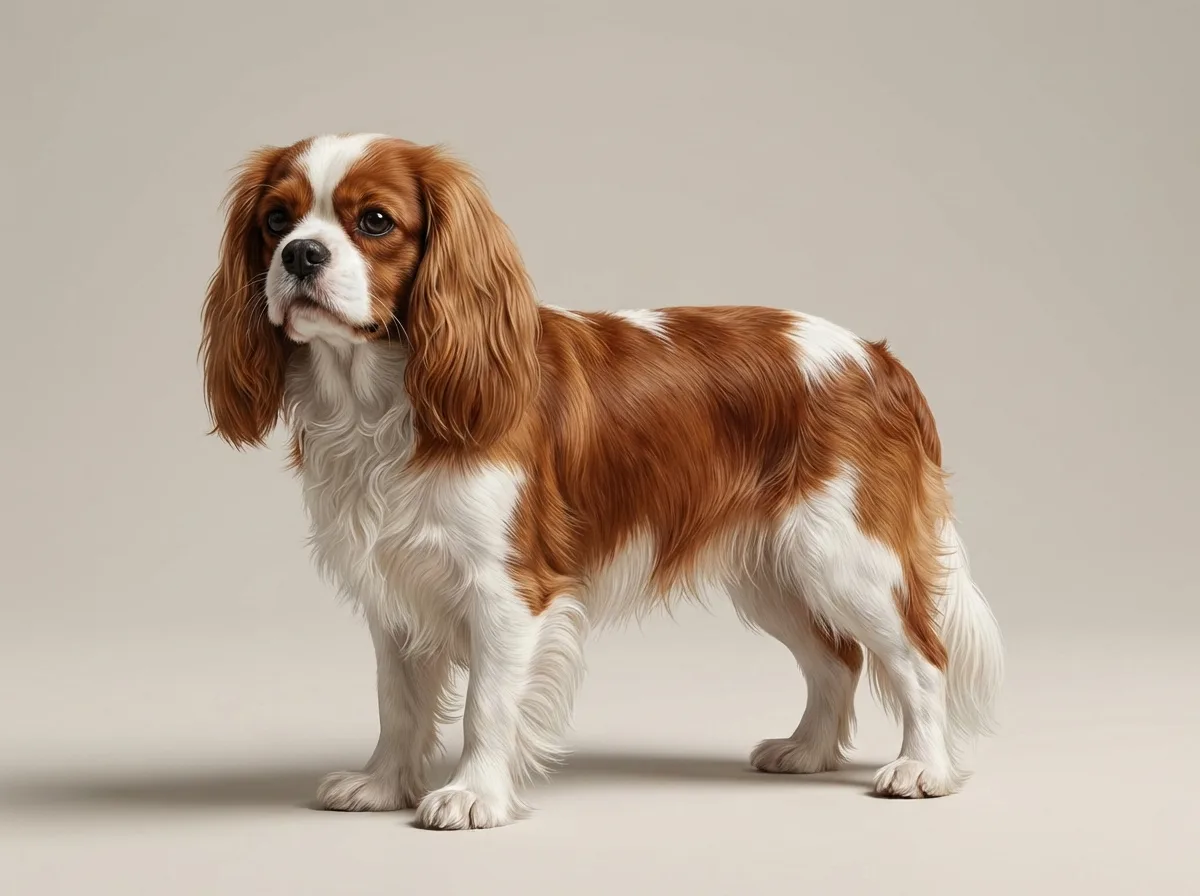
Choosing a low maintenance dog for seniors is about more than just picking a breed; it's about finding a companion that fits a lifestyle. As we age, our energy levels and physical abilities can change, making certain dog breeds a better fit than others. This guide will help you understand what to look for in a dog that can be a calming presence without demanding too much from its owner. Low maintenance dogs are ideal for seniors who may have limited mobility or prefer a quieter home environment. These breeds typically require less exercise, grooming, and training than more active or high-energy dogs. They can provide companionship, improve emotional well-being, and even encourage light physical activity, like gentle walks. The right dog can enrich a senior's life significantly, so it’s essential to make an informed choice. In this guide, we’ll explore various breeds known for being easy to care for and well-suited to elderly owners. We’ll also discuss the benefits of low energy dogs, including their calm demeanor and adaptability to smaller living spaces. Additionally, we'll look into practical tips for selecting a dog that matches your lifestyle and needs. We'll also address common concerns, such as how to care for a pet without overwhelming responsibilities. It’s important to consider factors like size, temperament, and grooming needs when choosing a dog. Smaller breeds, like the Pomeranian or Shih Tzu, often fit well in apartments and are easier to manage. Breeds like the Cavalier King Charles Spaniel offer affectionate companionship with less demanding care. Choosing the right breed can help ensure a harmonious relationship between the dog and its owner. Overall, the goal is to find a furry friend that brings joy without adding stress. Whether you're a senior living alone or someone looking to add a companion to your home, this guide will provide valuable insights. We aim to empower you with the knowledge to make a choice that enhances your quality of life while ensuring your new pet is happy and well-adjusted. Let's dive into the details and help you find the perfect low maintenance dog for seniors.

Step-by-Step Guide to Choosing a Low Maintenance Dog for Seniors

Finding the right low maintenance dog for seniors can enhance their quality of life. Here’s a practical plan to help you choose the perfect calm companion.
Choosing a Low Maintenance Dog for Seniors - Step-by-Step Guide to Choosing a Low Maintenance Dog for Seniors
  • 1. Assess Your Lifestyle and Living Situation
  • 2. Research Low Maintenance Breeds
  • 3. Visit Local Shelters or Breeders
  • 4. Meet Potential Dogs
  • 5. Evaluate Energy Levels and Temperament
  • 6. Prepare Your Home
  • 7. Consider Dog Care Needs
  • 8. Make a Decision and Adopt

Why this helps

  • Helps ensure a good match between the dog and the owner's lifestyle.
  • Provides an opportunity to interact with different breeds.
  • Ensures the chosen dog is a good fit for the home environment.

Watch out for

  • ! May require multiple visits to shelters or breeders.
  • ! Time-consuming research to find low maintenance breeds.
  • ! Potential emotional difficulty in deciding which dog to adopt.

Common Mistakes When Choosing a Low Maintenance Dog for Seniors

Selecting a low maintenance dog for seniors can be tricky. Here are some common mistakes that owners make and why they can backfire.
Choosing a Low Maintenance Dog for Seniors - Common Mistakes When Choosing a Low Maintenance Dog for Seniors
  • Choosing a high-energy breed
  • Neglecting to consider grooming needs
  • Ignoring health care costs
  • Underestimating training requirements
  • Not factoring in companionship needs
  • Overlooking breed temperament
  • Failing to assess living environment

Myths vs. Facts About Low Maintenance Dogs for Seniors

Many people have misconceptions about low maintenance dogs for seniors. Let’s debunk some common myths and present the facts to help you make informed decisions.
Choosing a Low Maintenance Dog for Seniors - Myths vs. Facts About Low Maintenance Dogs for Seniors
  • Myth: All small dogs are low maintenance.
  • Fact: While some small breeds are low maintenance, many require regular grooming and exercise.
  • Myth: Low maintenance dogs don’t need any exercise.
  • Fact: Even low energy dogs benefit from short, daily walks and mental stimulation.
  • Myth: Older dogs are always low maintenance.
  • Fact: Older dogs can have health issues that require more care and attention.
  • Myth: Low upkeep dogs don’t bond with their owners.
  • Fact: All dogs, regardless of maintenance level, need love and social interaction to thrive.

Why this helps

  • Understanding these myths helps you choose the right companion.
  • Selecting a breed based on facts ensures a better match for your lifestyle.

Watch out for

  • ! Believing myths can lead to frustration during dog ownership.
  • ! Misunderstandings about care needs may result in unmet expectations.

Advanced Tips for Choosing a Low Maintenance Dog for Seniors

Here are some advanced strategies to ensure your new dog is a perfect fit for your lifestyle and needs.
  • Consider adopting an older dog: Older dogs often have more mellow temperaments and are usually house-trained, making them great companions for seniors.
  • Evaluate breed characteristics: Look beyond just energy levels. Breeds like Cavalier King Charles Spaniels or Shih Tzus are not only low maintenance but also have gentle dispositions.
  • Look for dogs with low grooming needs: Breeds with short coats or those that shed minimally can save time and effort in grooming, making them suitable for busy or less mobile seniors.
  • Connect with local shelters: Many shelters can provide valuable insights into a dog's temperament and energy levels, helping you find a calm companion.
  • Consider your living space: Make sure the dog can comfortably navigate your home. Smaller breeds or those that adapt well to apartments can be ideal.

Why this helps

  • Adopting older dogs can provide companionship without the challenges of puppy training.
  • Understanding breed characteristics helps in selecting a dog that fits your lifestyle.
  • Low grooming breeds minimize upkeep, saving time and energy for seniors.

Watch out for

  • ! Older dogs may have health issues that require additional vet care.
  • ! Not all breeds will be a good fit for every senior's lifestyle.
  • ! Shelter dogs might have unknown histories that require patience and training.

Insider Secrets for Choosing a Low Maintenance Dog for Seniors

Finding the right low maintenance dog for seniors can greatly enhance their quality of life. Here are some insider tips to help make the best choice.
  • Consider adopting an adult dog instead of a puppy.
  • Look for breeds known for their calm demeanor.
  • Assess the dog's energy level and match it with the owner's lifestyle.
  • Evaluate grooming needs, especially for long-haired breeds.
  • Think about health considerations, including breeds prone to common issues.

Why this helps

  • Adult dogs are often trained and more settled.
  • Calm breeds can provide companionship without overwhelming energy.
  • Low energy dogs require less exercise, perfect for limited mobility.
  • Understanding grooming needs can save time and effort.
  • Choosing healthier breeds can lead to fewer vet visits.

Watch out for

  • ! Some adult dogs may have unknown behavioral issues.
  • ! Calm breeds may not be as playful, which can be a downside for some.
  • ! Low energy dogs might not motivate seniors to stay active.
  • ! Certain breeds may have high grooming needs despite their calm nature.
  • ! Healthier breeds can sometimes be rarer and harder to find in shelters.

Checklist for Choosing a Low Maintenance Dog for Seniors

Use this checklist to find the perfect low maintenance dog for seniors. Make sure to consider each aspect to ensure a good match.
  • Assess your living space: Ensure your home is safe and accessible for a dog.
  • Evaluate your energy levels: Choose a breed that matches your activity level.
  • Research dog breeds: Look into low energy dogs like Cavalier King Charles Spaniels, Pomeranians, or Shih Tzus.
  • Consider grooming needs: Opt for breeds that require minimal grooming to reduce upkeep.
  • Think about health and mobility: Select a dog that is gentle and adaptable to limited mobility.
  • Meet potential dogs: Spend time with dogs to gauge their temperament and compatibility.
  • Check local shelters: Explore adoption options for low maintenance breeds that need homes.
  • Plan for vet care: Budget for regular check-ups and vaccinations.
  • Prepare your home: Remove hazards and create a comfortable space for your new pet.
  • Get necessary supplies: Purchase food, water bowls, toys, and a comfortable bed.

Why this helps

  • Helps ensure a good match between the dog and the owner's lifestyle.
  • Reduces the risk of adopting a dog that's too demanding.
  • Promotes a safer living environment for both the senior and the pet.

Watch out for

  • ! May require time to research and assess each dog breed thoroughly.
  • ! Some seniors may struggle with physical aspects of dog care.
  • ! Finding the right fit can take time and patience.

Frequently asked questions

What is the best low maintenance dog for seniors?

The best low maintenance dog for seniors often includes breeds like the Cavalier King Charles Spaniel, Pomeranian, and Shih Tzu. These breeds tend to have calm temperaments and require less exercise than more active breeds. They also love companionship, making them great for seniors living alone.

Are there easy dogs for elderly people?

Yes, many breeds are considered easy dogs for elderly people. Breeds like the Bichon Frise and French Bulldog are known for their friendly nature and lower energy levels. They are also generally adaptable to smaller living spaces, making them suitable for seniors.

What are some calm senior companions?

Calm senior companions can include breeds like the Bulldog and the Shih Tzu. These dogs often enjoy lounging around and are less demanding in terms of exercise. Their gentle dispositions make them ideal for seniors seeking a quiet, loving friend.

What are low upkeep dogs?

Low upkeep dogs are breeds that require minimal grooming, exercise, and training. Some examples include the Pug and the Greyhound. These dogs can be perfect for seniors who may not have the energy or ability to manage a high-maintenance pet.

What dogs are best for limited mobility owners?

For limited mobility owners, dogs like the Cavalier King Charles Spaniel or Pomeranian are great choices. They enjoy companionship without needing extensive exercise. Additionally, their small size makes them easier to handle and care for.

What are the best low maintenance dog breeds for seniors?

Some of the best low maintenance dog breeds for seniors include the Cavalier King Charles Spaniel, Pomeranian, and Shih Tzu. These breeds are known for their calm demeanor and easy grooming needs, making them ideal companions for older adults.

How much exercise do low energy dogs need?

Low energy dogs typically require less exercise than higher energy breeds. Most low maintenance dogs will be happy with a couple of short walks each day and some playtime indoors. This makes them great companions for seniors who may have limited mobility.

Are there specific breeds that are good for seniors living alone?

Yes, breeds like the French Bulldog or Bichon Frise can be excellent for seniors living alone. They are friendly, affectionate, and tend to bond closely with their owners, providing companionship and comfort without demanding too much activity.

What should I consider when choosing a dog for a senior with limited mobility?

When choosing a dog for a senior with limited mobility, it's important to select a smaller breed that doesn’t require extensive exercise. Look for easy-going dogs that enjoy companionship and have low grooming needs, such as a Pomeranian or Shih Tzu.

Can low maintenance dogs help reduce loneliness in seniors?

Absolutely! Low maintenance dogs can provide companionship and emotional support to seniors, helping to alleviate feelings of loneliness. Their calm nature and loving disposition can create a strong bond that enhances the quality of life for older adults.

How do I care for a low upkeep dog as a senior?

Caring for a low upkeep dog as a senior involves regular vet check-ups, feeding a balanced diet, and providing light exercise. It's also beneficial to establish a routine to help both you and your dog feel secure and engaged.

What are some tips for training low maintenance dogs?

Training low maintenance dogs can be straightforward with positive reinforcement techniques. Focus on basic commands and socialization, and keep training sessions short and enjoyable to maintain your dog’s interest and willingness to learn.

Quick answers

View more answers
Living

What are some senior friendly dogs?

Senior friendly dogs include breeds like Cavalier King Charles Spaniel and Shih Tzu, known for their calm demeanor.

Living

What are low maintenance breeds?

Low maintenance breeds like the Pug and French Bulldog require less grooming and exercise, making them great for seniors.

Living

What are easy pets for elderly?

Easy pets for the elderly often include small dog breeds that are calm and easy to manage, such as the Bichon Frise.

Living

What are some low maintenance dogs for seniors?

Some great low maintenance dogs for seniors include Cavalier King Charles Spaniels, Pomeranians, and Shih Tzus. They are known for their calm demeanor and easy care.

Living

What is the best dog for a senior citizen living alone?

The best dog for a senior citizen living alone is often a small, calm breed like a Cavalier King Charles Spaniel. They provide companionship without requiring too much physical activity.

Related DogBreedCompass guides

  • Cavalier King Charles Spaniel guideLearn more about the gentle and affectionate Cavalier King Charles Spaniel, perfect for seniors.
  • Pomeranian overviewExplore why Pomeranians can be great companions for elderly individuals.
  • Shih Tzu breed detailsFind out if a Shih Tzu is the right fit for your lifestyle and needs.
  • Low energy dog breeds listCheck out our list of low-energy dogs suitable for seniors looking for calm companions.
  • Low maintenance dog costsUnderstand the costs associated with owning a low-maintenance dog.

Important reminder

This guide is not medical advice. If your dog shows pain, sudden behavior change, or worsening symptoms, consult a licensed veterinarian.

Some links may be affiliate links. We may earn a commission at no extra cost to you. We only suggest products we believe are helpful for dog owners.

Want more tailored help?

Take the Lifestyle Match quiz to see which breeds and guides best fit your day-to-day life.

Take the quiz

More guides you might like

Find your match

Not sure which breed is right for you? Take our 2-minute quiz to find out.

Take the quiz