Dogs That Don’t Need Daily Walks: Ideal Breeds for Busy Lifestyles
If you’re looking for a furry friend that doesn't require daily walks, you've come to the right place. This guide explores low-energy dogs that make perfect indoor pets for busy owners.
Understanding Dogs That Don’t Need Daily Walks
For many dog owners, finding a breed that fits their lifestyle can be challenging. If you're looking for dogs that don’t need daily walks, you’re in the right place. These breeds can be perfect for busy lifestyles, for those with physical limitations, or simply for people who prefer to spend a lot of time indoors.
Dogs that don’t need daily walks typically have lower energy levels and are often more content with indoor playtime. This can suit individuals who may not have the time or ability to take their dogs on long walks each day. Additionally, selecting a low-energy dog can reduce stress for owners who feel guilty about not providing the exercise that more active breeds require.
Understanding the characteristics of these easy-care dogs is essential. While they may not need vigorous exercise, they still require mental stimulation and some form of activity to stay healthy and happy. This guide will help you identify the best breeds that align with your lifestyle, ensuring a harmonious relationship between you and your furry friend. We’ll explore low-energy breeds, their care needs, and tips on keeping them entertained indoors.
Step-by-Step Plan for Finding Dogs That Don’t Need Daily Walks
If you're looking for dogs that don’t need daily walks, follow this step-by-step plan. This guide will help you choose the right breed for your lifestyle, ensuring you find a furry friend that fits your needs.
- 1. Assess Your Lifestyle: Evaluate how much time you can realistically devote to your dog's exercise and care. Consider your daily routine, work schedule, and any physical limitations.
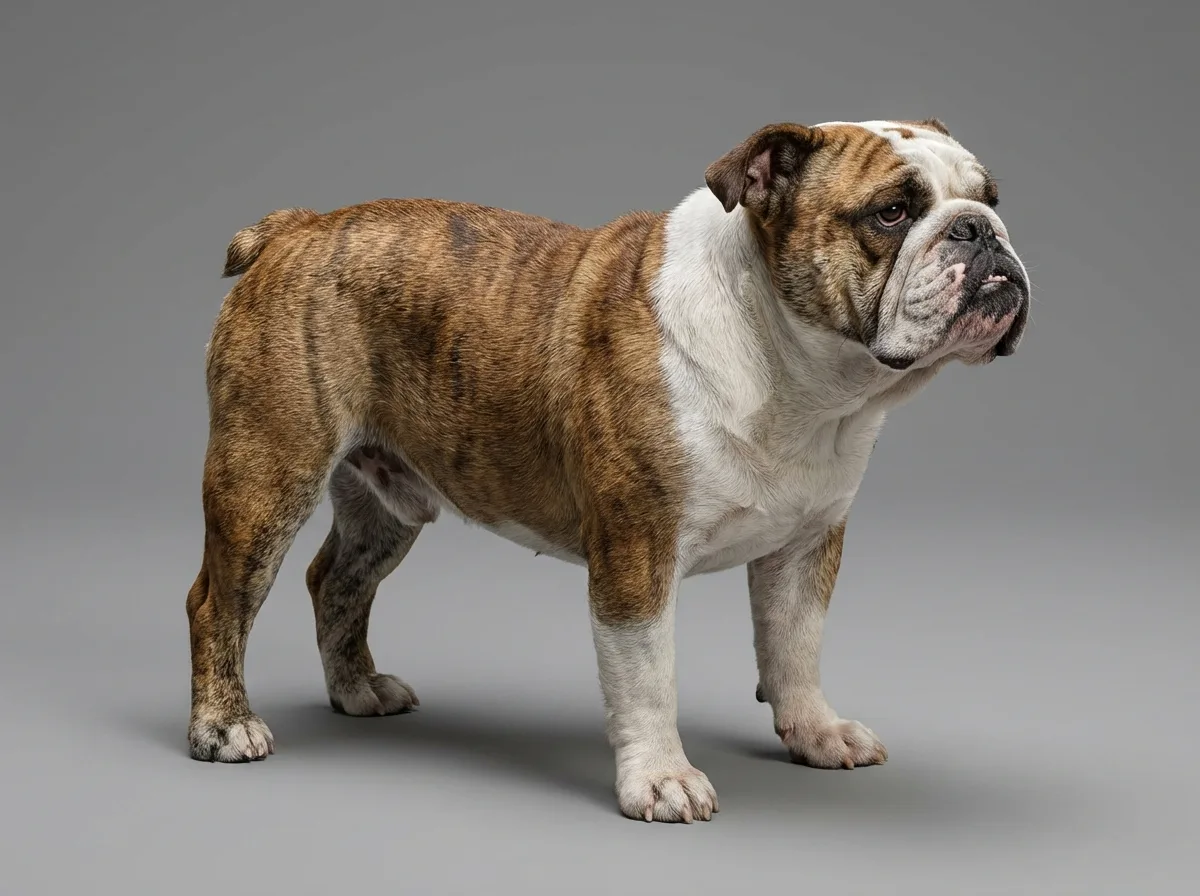
- 2. Research Low Energy Breeds: Look into breeds known for being low energy or lazy. Breeds like Bulldogs, Pugs, and Pekingese are great examples that typically require less exercise.
- 3. Visit Local Shelters: Spend time at animal shelters to meet dogs in person. Talk to staff about which dogs might be good fits for a low-activity home.
- 4. Consider Indoor Play: Since you're looking for dogs that don’t need daily walks, think about indoor activities. Look for toys that engage your dog mentally and physically, such as puzzle feeders or interactive toys.
- 5. Evaluate Health Conditions: If you have a disability or health concern, consider how this might affect your ability to care for a dog. Some breeds are more adaptable and can provide companionship without requiring extensive outdoor time.
- 6. Talk to Owners: Connect with current owners of low energy breeds. They can share their experiences and offer insights into daily routines and care needs.
- 7. Prepare Your Home: Make sure your living space is safe and comfortable for an indoor pet. Create a cozy area for your dog to relax and explore.
- 8. Set a Routine: Establish a daily routine that includes playtime and mental stimulation. This helps your dog stay happy and healthy without the need for long walks.
- 9. Monitor Your Dog's Needs: Every dog is unique. Pay attention to your dog's behavior and adjust activities as needed to keep them healthy and engaged.
- 10. Enjoy the Bond: Spend quality time with your dog through play, cuddling, or simply sitting together. Enjoy the companionship without the pressure of daily walks.
Common Mistakes When Choosing Dogs That Don’t Need Daily Walks
Choosing a dog that doesn’t need daily walks can be a great decision for many owners. However, several common mistakes can lead to misunderstandings about a dog's needs and behaviors. Here are some pitfalls to watch out for.
- Overestimating Low Energy: Many people assume that low energy dogs require little to no activity. While breeds like bulldogs and pugs are more relaxed, they still need mental stimulation and some playtime. Ignoring this can lead to boredom and behavioral issues.
- Neglecting Indoor Exercise: Owners often think that if a dog doesn’t need daily walks, they don’t need exercise at all. This mistake can backfire, as even low-energy breeds benefit from indoor play and mental challenges, like puzzle toys or training sessions.
- Choosing Based on Looks Alone: Some potential owners pick dogs that appear 'lazy' without considering their temperament and care needs. For example, pekingese may look easy-going but can be quite stubborn. It's essential to research specific breed personalities.
- Assuming All Breeds Are Similar: Not all dogs that don’t need daily walks are the same. Each breed has unique traits and needs. For instance, while some lazy breeds are laid back, others may be more prone to anxiety if not properly engaged.
- Ignoring Health Needs: Just because a dog doesn’t require daily walks doesn’t mean they don’t need regular vet check-ups or a healthy diet. Poor health can lead to lethargy, which may be mistaken for a low-energy personality.
- Expecting No Training Required: Many think that easy-care dogs don’t need much training. However, all dogs benefit from basic obedience training to ensure good behavior at home and in social settings. Failing to train can lead to issues down the road.
- Underestimating Socialization: Lastly, even dogs that don’t require daily walks need socialization. Skipping this can result in anxiety or aggression towards other dogs or people. Regular interactions are vital, even for indoor pets.
Myths vs. Facts About Dogs That Don’t Need Daily Walks
There are many misconceptions about dogs that don’t need daily walks. Let’s debunk some of these myths and reveal the reality behind them.
- Myth 1: All dogs require daily walks.
- Myth 2: Lazy breeds are unhealthy.
- Myth 3: Indoor pets don't need any exercise.
- Myth 4: Low energy dogs are boring.
- Myth 5: Dogs that don’t walk are not good companions.
Advanced Tips for Choosing Dogs That Don’t Need Daily Walks
If you’re considering dogs that don’t need daily walks, there are some advanced strategies to ensure you choose the best fit for your lifestyle. Here are several tips to help you navigate this decision effectively.
Insider Secrets for Choosing Dogs That Don’t Need Daily Walks
Finding the right dog that fits a low-energy lifestyle can be a game changer. Here are some expert insights that often go unnoticed when selecting dogs that don’t need daily walks.
- Look for breeds that naturally exhibit lower energy levels, such as Bulldogs and Pugs. These dogs often prefer lounging over running.
- Consider the dog's age and health. Older dogs typically require less exercise and can be great companions for those who prefer a more sedentary lifestyle.
- Evaluate the dog's temperament. Some breeds may be labeled as low-energy but might still have spurts of playfulness, so consider their overall behavior.
- Indoor activities can keep low-energy dogs engaged. Puzzle toys and interactive games can provide mental stimulation without requiring long walks.
- Training is essential. Teaching commands and tricks can help keep your low-energy dog entertained and mentally active.
Checklist for Choosing Dogs That Don’t Need Daily Walks
Use this checklist to find the right low-energy dog that fits your lifestyle and needs. These dogs offer companionship without the daily exercise demands.
- Consider your living space: Is it suitable for indoor pets?
- Research low energy dog breeds like Bulldogs, Pugs, and Pekingese.
- Assess your daily routine: Can you provide enough playtime and mental stimulation?
- Look for easy care dogs that require less grooming and maintenance.
- Evaluate any special needs: Some breeds do well with disabled owners.
- Ensure you can provide indoor exercise options, like play sessions or interactive toys.
- Plan for socialization opportunities to keep your dog happy and engaged.
Frequently asked questions
Do all dogs need walks?
Not all dogs need daily walks. Some breeds, especially low energy dogs, can be perfectly happy with minimal outdoor exercise. However, all dogs benefit from some form of physical activity, even if it's just playtime indoors.
What are some dogs that don’t need daily walks?
Breeds like Bulldogs, Pugs, and Pekingese are known for their lower energy levels and can thrive without daily walks. These lazy breeds are typically content with short play sessions or time spent lounging around the house.
What is the best dog for a disabled owner?
For disabled owners, dogs that don’t need daily walks can be ideal. Breeds like the French Bulldog or Cavalier King Charles Spaniel can provide companionship without demanding too much physical activity.
How can I exercise my indoor dog?
Indoor exercise for dogs can be achieved through games like fetch, tug-of-war, or puzzle toys that stimulate their minds. Short training sessions or setting up an obstacle course can also help keep them engaged.
What are easy-care dogs?
Easy care dogs are breeds that require less grooming and exercise. They often adapt well to indoor living, making them suitable for apartment dwellers or busy families.
Do all dogs need walks?
Not all dogs need daily walks, especially low energy dogs that are content with limited exercise. Breeds like Bulldogs and Pugs can thrive with indoor play and shorter outings. However, all dogs benefit from some form of physical activity to stay healthy.
What are the best dog breeds for a disabled owner?
The best dog breeds for disabled owners often include low energy dogs that require less exercise. Breeds like Pekingese or Cavalier King Charles Spaniels can be ideal as they enjoy companionship without needing extensive outdoor activities. Always consider the specific needs and abilities of the owner when choosing a pet.
How can I exercise my dog indoors?
You can exercise your dog indoors through games like fetch, tug-of-war, or using interactive toys. Simple activities such as teaching tricks or setting up obstacle courses can also engage your dog mentally and physically. This is especially beneficial for indoor pets that don't require daily walks.
Are there lazy breeds that are great family pets?
Yes, many lazy breeds make excellent family pets. Breeds like the Bulldog and Basset Hound are known for their calm demeanor and love for lounging, making them good companions for families. They enjoy spending time with their loved ones without needing extensive exercise.
What are some easy care dogs for first-time owners?
Easy care dogs for first-time owners often include breeds that are low maintenance and less demanding in terms of exercise. Breeds like the Shih Tzu or French Bulldog can be great choices, as they are generally friendly and enjoy a relaxed lifestyle. They adapt well to various living situations, making them suitable for new pet owners.
Can low energy dogs be trained effectively?
Absolutely! Low energy dogs can be trained effectively, often with positive reinforcement techniques. While they may not require extensive physical activity, engaging their minds through training can be very rewarding. Short, regular training sessions can keep them stimulated and well-behaved.
How much exercise do lazy dog breeds actually need?
Lazy dog breeds, like Pugs and Bulldogs, typically need around 30 minutes to an hour of light exercise each day. This can include short walks, indoor play, or gentle backyard time. It's important to monitor their activity levels, as they can be prone to obesity if not exercised appropriately.