DogBreedCompass

Brown Dog Names Matched to the Shade Your Dog Actually Is

"Brown dog" covers at least six distinct coats, and a name picked for the wrong one can look mismatched within a year. This guide sorts names by shade first.

Anyone naming a brown-coated dog of any shade, from a deep chocolate coat to a pale fawn one, who wants the name to still make sense once the dog is grown and the puppy coat has settled.

Puppy coats often lighten or deepen by a shade or two as a dog matures, so a name picked from a narrow reading of "brown" can end up an odd fit a year later. Naming by the actual shade, rather than the word brown in general, tends to age better.

Brown Dog Names Matched to the Shade Your Dog Actually Is

Brown Dog Names, Answered Directly

Brown dog names work best when you name the specific shade rather than the general colour: chocolate and coffee names for a deep, dark brown; earth and wood names for a mid-brown coat; fawn and tan names for a pale, warm coat; spice and amber names for a red-brown or copper coat; and a set of brown-related words from other languages where the meaning is documented. Below are around a hundred names split across those five sets, plus a short field guide to the six shades that usually get lumped together under "brown," so you can match the register to the actual dog.

How We Picked These Brown Dog Names

We sorted names by the specific brown they suit, not by how common or original they are, because "brown dog names" as a single category hides real differences between a chocolate coat and a fawn one. Every food name here still had to survive being said at a vet desk without sounding like a joke, and every shade name had to be a real, describable colour rather than a vague gesture at "brownish." You will not find a stated meaning anywhere on this page — the only lexical source we trust enough to cite covers plain modern English usage, nothing further, so a translation from any other language would be an unsourced guess dressed up as fact; names are annotated on sound and callability instead. Nothing here is ranked by popularity, and no claim is made about which shade of brown is more common in any breed.

Labrador Retriever - How We Picked These Brown Dog Names

Chocolate and Coffee Names

For a deep, dark brown coat — closer to bittersweet chocolate than milk — these lean rich rather than sweet.

Labrador Retriever - Chocolate and Coffee Names
  • Mocha — coffee and chocolate together; soft to say and easy at any volume.
  • Truffle — the rich chocolate kind, round-sounding and a little playful.
  • Bourbon — a dark, warm spirit name; blunt and easy to shout.
  • Cacao — the raw form of chocolate, slightly less common than Cocoa and just as warm.
  • Hazelnut — long in full, but shortens naturally to Hazel or Nutty.
  • Praline — a sugared-nut confection; distinctive and a little formal-sounding.
  • Fudge — plain, soft, and immediately readable as a warm dark brown.
  • Malt — short and blunt, drawn from malted chocolate or whisky alike.
  • Cognac — a dark amber-brown spirit; formal-sounding and rarely used as a name.
  • Baklava — an unusual, sweet, layered pastry name; distinctive at any park.
  • Coco — cocoa shortened; friendlier and less formal than the full word.
  • Brownie — the classic brown-coat food name; earns its place by being genuinely accurate.
  • Cortado — a small, strong coffee drink; short, unusual and easy to say.
  • Ganache — rich chocolate glaze; distinctive, a little indulgent-sounding.
  • Wenge — a genuinely dark brown hardwood used in furniture; unusual and easy to call.
  • Dulce — two soft syllables, warm-sounding and easy to call gently or at full volume.
  • Kahlua — a coffee liqueur; distinctive and easy to shout across a yard.
  • Bittersweet — long as a full word, but shortens naturally to Bitsy or Sweet.
  • Affogato — coffee poured over ice cream; unusual, warm-sounding, and easy to say.
  • Grounds — plain, coffee-shop language that almost nobody else will have picked.

Earth and Wood Names

A mid-brown coat reads closer to bark, soil or aged leather than to any food — these names lean sturdy and plain.

Labrador Retriever - Earth and Wood Names
  • Cedar — a reddish-brown softwood; short, plain, and easy to call.
  • Clay — blunt and grounded, a name that suggests texture as much as colour.
  • Bracken — the reddish-brown fern; unusual and a little countryside-plain.
  • Oakley — drawn from oak; sturdy and plain, easy for kids to say.
  • Loam — rich, dark garden soil; short and unusual as a dog's name.
  • Bark — literal and blunt, and it doubles nicely as a small joke about the sound a dog makes.
  • Mahogany — a deep reddish-brown wood; long in full, but shortens to Mahog or Hogan.
  • Sepia — the aged-photograph brown; short and slightly formal-sounding.
  • Umber — a natural brown pigment; blunt and easy to call at distance.
  • Terracotta — a reddish-brown fired clay; long, but shortens naturally to Terra or Cotta.
  • Sienna — a warm, earthy pigment name; soft to say and genuinely common.
  • Adobe — sun-dried earthen brick; unusual and a little architectural.
  • Hickory — a hard, pale-to-dark brown wood; blunt and sturdy-sounding.
  • Acorn — small, round, and a genuinely accurate colour match for a mid-brown coat.
  • Driftwood — long in full, but shortens easily to Drift or Wood.
  • Timber — blunt, plain, and easy to shout in a field.
  • Walnut — a genuinely dark, rich brown wood; plain and easy to call.
  • Burlap — a coarse woven fabric, tan-brown and plain; unusual as a name.
  • Peaty — a soft, earthy word borrowed from whisky-tasting notes; short and easy to say.
  • Teak — a golden-brown hardwood used in outdoor furniture; short, sturdy and easy to call.

Fawn and Tan Names

For a pale, warm brown coat — the colour of a young deer or a well-worn saddle — these lean soft rather than rich.

Labrador Retriever - Fawn and Tan Names
  • Fawn — the literal shade name, and it doubles as a description of a young deer's coat.
  • Doe — plain and soft, a single easy syllable that pairs naturally with Fawn above.
  • Camel — a pale tan-brown; unusual and easy to call.
  • Suede — soft leather with a matte finish; distinctive and a little luxe-sounding.
  • Leather — worn and plain, blunt and easy to shout.
  • Latte — pale, milky coffee-brown; soft on the ear and genuinely common.
  • Biscuit — a deliberately gentle name for a pale tan coat.
  • Toffee — sweet and plain, and a genuinely accurate match for a warm tan coat.
  • Almond — pale brown and slightly formal-sounding; shortens to Al or Mondi.
  • Wheat — a soft golden-tan colour; plain and easy to say.
  • Honeycomb — long in full, but shortens naturally to Honey or Comb.
  • Butterscotch — a warm golden-brown; a mouthful, but it shortens well to Scotch or Butters.
  • Tawny — two even syllables, warm-sounding and genuinely descriptive of a pale coat.
  • Dune — pale sand-brown; short and easy to call.
  • Chamois — a soft pale-brown leather; unusual and distinctive to say.
  • Sandstone — long, but shortens naturally to Sandy.
  • Buckskin — a genuinely accurate colour term for a pale tan-brown coat.
  • Toast — plain, warm, and easy for anyone to say correctly.
  • Beige — plain and slightly formal, a straightforward match for a very pale tan coat.
  • Khaki — a muted tan-green; sturdy-sounding and easy to call.

Spice and Amber Names

For a red-brown or copper-toned coat, spice and warm-mineral names carry more heat than the earth or fawn sets.

Boxer - Spice and Amber Names
  • Amber — a warm, glowing orange-brown; short and genuinely common.
  • Ginger — red-brown and plain, and it works especially well on a genuinely reddish coat.
  • Cinnamon — warm and spiced; soft to say and slightly sweet-sounding.
  • Nutmeg — a duller, browner spice than cinnamon; unusual and easy to call.
  • Paprika — bright red-brown; distinctive and a little playful.
  • Copper — a genuinely accurate metal name for a red-brown coat.
  • Russet — a classic red-brown word, used for both apples and potatoes; plain and easy to say.
  • Rust — blunt and short, a straightforward match for a true red-brown coat.
  • Saffron — a golden-red spice; formal-sounding and distinctive.
  • Clove — dark, warm and spiced; short and easy to call.
  • Chestnut — a rich reddish-brown, genuinely common in horse and dog coat descriptions alike.
  • Cayenne — sharp and red-toned; unusual and a little bold-sounding.
  • Auburn — a warm reddish-brown, most familiar as a hair colour; soft and easy to say.
  • Fox — a genuinely accurate red-brown reference, short and easy to call.
  • Persimmon — an orange-red fruit; distinctive, a little unusual, and easy to shout.
  • Cardamom — warm and aromatic; longer, but shortens naturally to Card or Cardy.
  • Garnet — a deep red-brown gemstone; formal-sounding and genuinely descriptive of a red-brown coat.
  • Ochre — a natural earth pigment, somewhere between amber and rust; short and plain.
  • Marigold — technically more orange than brown, but close enough to fit a warm red-brown coat.
  • Vermilion — a bright reddish pigment name; formal-sounding, unusual, and easy to shout.

Short Brown-Coded Words, By Sound

These words turn up in other languages, and this page does not state what any of them mean — the only lexical source we're willing to cite covers plain modern English senses, and a translation beyond that would just be an unsourced guess. Each is annotated instead on how it sounds and behaves said out loud.

Boxer - Short Brown-Coded Words, By Sound
  • Marron — two even syllables, soft to say and easy to shout without losing shape.
  • Braun — one blunt syllable, plain and easy to shout.
  • Kastanie — a longer word, but it shortens naturally to Kastan without losing its weight.
  • Bruna — two soft syllables, warm-sounding at any volume.
  • Bruno — two plain, even syllables; genuinely common as a given name, so it reads naturally to most people.
  • Chatain — two syllables with a nasal edge, distinctive to English ears.
  • Ruskea — three syllables, unusual and a little blunt to say.
  • Bruin — one syllable, plain and friendly-sounding.
  • Marrone — three syllables that roll rather than snap, closely related in sound to Marron above.
  • Hnedy — a blunt consonant cluster up front; unusual and quick to say once you have practised it.
  • Chocolat — two syllables, warm and familiar-sounding even before you know what it is.
  • Kastan — a shortened, two-syllable form that is easier to shout than the longer words nearby.
  • Cha — a single short syllable, about as easy to call as a name gets.
  • Ruda — two blunt syllables, unusual and easy to say once heard.
  • Castaño — three syllables with a soft middle, genuinely common-sounding as a colour word.
  • Brun — one blunt syllable, short and easy to shout.
  • Chairo — two even syllables, short and easy to call.
  • Bhura — two syllables, blunt and unusual to English ears.
  • Kahve — two syllables, short and warm-sounding.
  • Habari — three light syllables, chosen here for how cleanly they call, nothing more.

Brown Dog Names Worth a Second Thought

None of these are banned, but they are common enough — or awkward enough at the vet desk — to be worth pausing on before you commit.

Boxer - Brown Dog Names Worth a Second Thought
  • Cocoa in full — sweet on paper, but expect at least one other brown dog at any given park to share it.
  • Biscuit or Cookie interchangeably — pleasant, but genuinely one of the most reused brown-dog names around.
  • Brownie — accurate and warm, but common enough that it is worth a pause before committing.
  • Reese's or Hershey — brand names read oddly on formal paperwork and can date the dog to a particular decade.
  • Coffee — plain to the point of feeling like a placeholder rather than a chosen name.
  • A shade name picked from a puppy photo — many brown puppy coats lighten or darken noticeably by adulthood.
  • Rusty — common enough that it barely distinguishes your dog from the next reddish-brown one at the park.
  • Any pure food name for a dog with food-motivated resource guarding — worth a second thought before it gets shouted at every mealtime.

Testing a Brown Dog Name Before You Commit

Because brown coats change shade as a puppy grows, test a shade-based name against how the coat is actually settling, not just how it looked at eight weeks.

Boxer - Testing a Brown Dog Name Before You Commit
  • Compare the name to the coat again around six months, once the adult colour has mostly come in, not just the puppy coat.
  • Say it outdoors in full daylight and again indoors under normal light, since many browns look noticeably different shade to shade depending on light.
  • Call it at a vet desk or on an intake form, and check whether it still reads as a name rather than a menu item.
  • Run it past the Dog Name Compass quiz at /quiz/dog-name-generator if you want a second, structured read on the shade you have picked.
  • Say it at mealtimes specifically if you chose a food name, and notice whether it starts to feel repetitive after the first week.

Which Brown Is Your Dog?

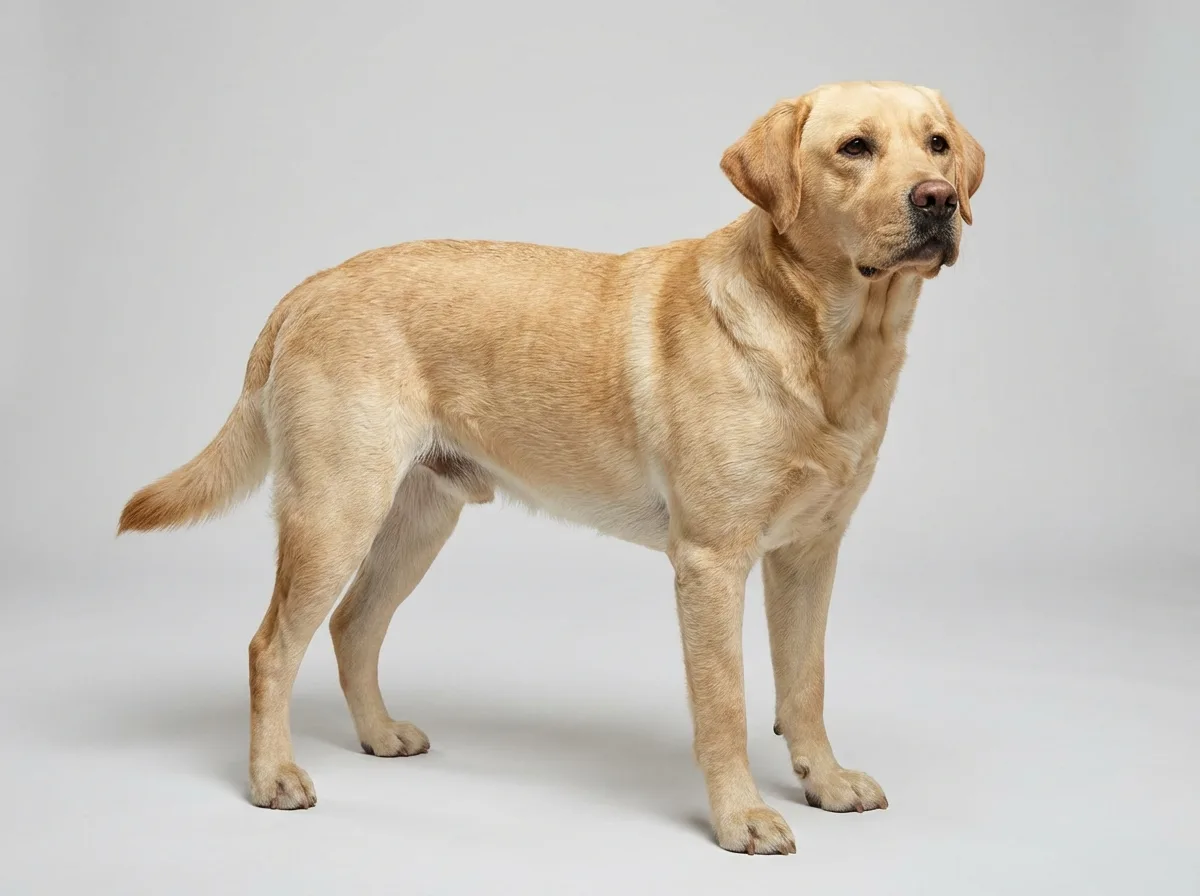
"Brown" hides at least six distinct coats worth naming differently. Liver is a deep, almost purplish brown seen in some Spaniels and Weimaraners. Chocolate is the familiar rich dark brown of a Chocolate Lab. Fawn is pale and warm, the colour of a young deer, common in Boxers and French Bulldogs. Tan is usually a marking rather than a whole coat — the warm patches on a Rottweiler or Doberman. Red-brown or copper leans toward orange, seen in Vizslas and Irish Setters. Brindle-brown is a striped mix of brown and black or brown and tan, seen in Boxers and some mixed breeds. None of this changes how a dog behaves, but it is worth naming the shade you actually have rather than the word "brown" in general.

Boxer - Which Brown Is Your Dog?

Frequently asked questions

Why does this guide split brown dog names by shade instead of one big list?

Because "brown dog" covers at least six genuinely different coats, from deep chocolate to pale fawn to red-brown copper, and a name picked for one shade can look mismatched on another. Splitting by shade — chocolate, earth and wood, fawn and tan, spice and amber, and language-based names — makes it easier to pick one that actually fits.

Will my puppy's brown coat change colour as it grows?

Many brown coats do lighten or deepen by a shade or two between the puppy coat and the adult coat, particularly in breeds prone to fading or darkening. If you are naming a young puppy, it is worth waiting a few months before locking in a shade-specific name.

Are food names a good fit for a brown dog?

Often yes — Mocha, Truffle and Hazelnut are genuinely accurate colour matches — but they are also some of the most reused brown-dog names around, and a food name can read oddly for a dog with food-motivated resource guarding. Worth a second thought rather than an automatic pick.

Is it okay to use a word from another language as a brown dog's name?

Yes — Braun, Marron and Bruno are all short, easy to call, and unlikely to collide with an everyday household cue, which matters more than where the word originally comes from. This page does not state a translation for any of them, since we do not have a source we are willing to stand behind for that.

What is the difference between liver, chocolate and fawn in dog coats?

Liver is a deep, slightly purplish brown seen in some Spaniels and Weimaraners; chocolate is the richer, warmer dark brown familiar from Labradors; fawn is pale and warm, closer to a young deer's coat, common in Boxers and French Bulldogs. All three are reasonably called "brown" but look distinct side by side.

How many brown dog name finalists should I compare before deciding?

Two or three, ideally from different shade registers — say, one earth-and-wood name and one spice-and-amber name — tested out loud over a few days against the dog's actual coat, rather than a long list compared only on paper.

Quick answers

View more answers
Living

What is a good name for a chocolate-brown dog?

Names like Truffle, Mocha, Bourbon or Cacao genuinely match a deep chocolate coat, and they hold up well outside the shelter photo too.

Living

Are there short, distinctive brown dog names borrowed from other languages?

Yes — Braun, Marron, Bruno and Ruskea are all short and easy to call across a yard. We do not state a translation for any of them, since we do not have a source we are willing to stand behind for that.

Living

Does a brown puppy's coat stay the same colour as an adult?

Not always — many brown coats lighten or deepen by a shade or two as the puppy coat is replaced, so it is worth waiting a few months before choosing a shade-specific name.

Related DogBreedCompass guides

Important reminder

This guide is not medical advice. If your dog shows pain, sudden behavior change, or worsening symptoms, consult a licensed veterinarian.

Some links may be affiliate links. We may earn a commission at no extra cost to you. We only suggest products we believe are helpful for dog owners.

We research and check what we publish, but we do not warrant that any figure, date, price, or statement is accurate, complete, or current, and we accept no liability for any loss, cost, injury, or other harm arising from the use of this site. Use it as one reference among several. You remain responsible for your own decisions and for your dog's care - confirm anything that matters with a licensed veterinarian or another qualified professional before you act on it. Full disclaimer.

Narrow this list down to a few names

Answer a few questions about your dog and the sounds already used at home, and we will shortlist from names like these - then help you compare and test the finalists.

Find names that fit your dog

More guides you might like

Find your match

Not sure which breed is right for you? Take our 2-minute quiz to find out.

Take the quiz