The Best Running Dogs: Your Ultimate Guide to Active Companions
Looking for a furry friend to keep up with your active lifestyle? Explore the best running dogs that make perfect jogging partners and endurance buddies.
This guide is for anyone looking to add a furry fitness partner to their life. Whether you're a seasoned athlete or someone who simply enjoys regular walks, you'll find valuable insights here. If you live an active lifestyle and have the time to dedicate to training and exercising a dog, you're in the right place.
Choosing the right dog for running is crucial, as not all breeds are suited for this activity. Many potential dog owners may not realize that certain breeds thrive on physical activity, while others might struggle. Understanding the traits of the best running dogs will help you make an informed decision, ensuring both you and your dog enjoy your fitness journey together.
What Are the Best Running Dogs?

Why It Matters to Choose the Right Breed

How to Choose the Best Running Dogs

FAQs about the Best Running Dogs
- List of best running dogs: German Shorthaired Pointer, Border Collie, Husky.
- High energy running partners: Look for breeds with high stamina and playful natures.
- Training a running dog: Start slow, gradually increasing distance, and ensure they are conditioned.
Step-by-Step Plan for Choosing the Best Running Dogs
- Step 1: Assess Your Running Style
- Step 2: Research Breeds
- Step 3: Consider Adoption Options
- Step 4: Meet Potential Dogs
- Step 5: Test Their Running Ability
- Step 6: Start Training Together
- Step 7: Maintain Regular Vet Check-ups
Why this helps
- ✓ Helps clarify what you're looking for in a running dog.
- ✓ Provides a variety of breed options based on activity level.
- ✓ Allows you to meet and interact with dogs before deciding.
Watch out for
- ! May take time to research and meet different breeds.
- ! Adopting a dog requires commitment and adjustment.
- ! Training may require patience and consistency.
Common Mistakes When Choosing the Best Running Dogs
- Ignoring Breed Traits: Not all breeds are suited for running. For example, while a Greyhound might be fast, they need short bursts of speed rather than endurance. Know your breed's strengths and weaknesses to match your running style.
- Overlooking Energy Levels: It's essential to match a dog's energy level with your running routine. A high-energy breed, like a Border Collie, requires more than just a daily run. They need mental stimulation too, or they might develop bad habits.
- Neglecting Training: Just because a dog is a good runner doesn't mean they can hit the pavement without training. Proper leash training and a gradual build-up of stamina are crucial to ensure a safe and enjoyable run for both of you.
- Forgetting About Health Needs: Not all dogs are healthy enough to run long distances. Older dogs or those with certain health conditions may struggle. Always consult a vet to ensure your dog is fit for running, especially before starting a new exercise routine.
- Skipping Hydration: Hydration is key for both humans and dogs. Many owners forget to bring water for their dogs on longer runs. Dehydration can lead to serious health issues, so always carry enough water to keep your buddy hydrated.
- Running in Extreme Weather: Dogs can be sensitive to heat and cold. Running in extreme temperatures can be dangerous. Always check the weather and adjust your running times accordingly to ensure your dog stays safe.
- Not Paying Attention to Signs of Fatigue: Dogs will often push themselves, even when tired. It's important to recognize signs of fatigue like lagging behind or heavy panting. If you notice these signs, it's time to take a break.
Common Myths About the Best Running Dogs
- Myth: All dogs are natural runners.
- Fact: While many dogs enjoy running, not all breeds are built for it. Breeds like Greyhounds and Border Collies excel in endurance and speed, while others may tire quickly or have health issues that prevent them from running.
- Myth: Any dog can be trained to be a good running partner.
- Fact: Training a running dog requires time and patience. Some breeds, like the Dachshund, may not have the stamina or desire to run long distances, making them unsuitable for jogging.
- Myth: Running with dogs is safe for any breed.
- Fact: Certain breeds, especially brachycephalic ones like Bulldogs, can struggle with heat and heavy exertion. It's essential to consider your dog's breed and health before hitting the trails.
- Myth: All running dogs need the same amount of exercise.
- Fact: Exercise needs vary widely among breeds. While some dogs thrive on long runs, others may be satisfied with shorter jogs or playtime in the yard.
- Myth: Dogs can always keep up with their owners during runs.
- Fact: Dogs have different energy levels and capabilities. It's crucial to monitor their stamina and adjust your running pace and distance accordingly.
Advanced Tips for Running with Your Dog
Why this helps
- ✓ Builds endurance gradually for safer runs.
- ✓ Quality gear enhances comfort and control.
- ✓ Varied routes keep your dog engaged.
Watch out for
- ! May require investment in gear.
- ! Weather-dependent running can limit schedules.
- ! Monitoring your dog's health and hydration takes effort.
Insider Secrets for Choosing the Best Running Dogs
- Consider the climate: Certain breeds thrive in cooler weather while others prefer warmer climates. This affects their performance on runs.
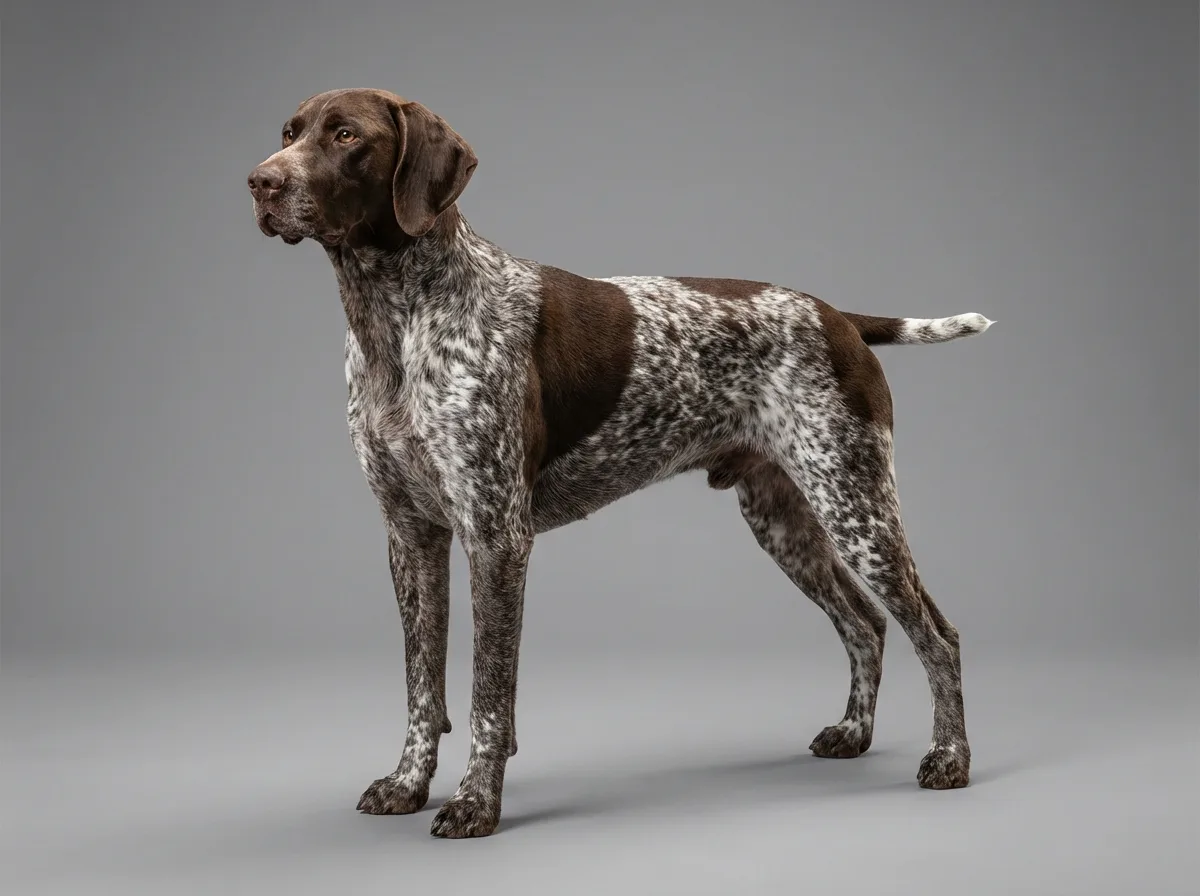
- Look for breeds with a strong prey drive: Dogs like German Shorthaired Pointers or Huskies can be great running companions because they have the stamina and motivation to keep up.
- Training is key: Regular training sessions not only improve your dog's endurance but also strengthen your bond. Start slow and gradually build up distance and intensity.
- Mind their health: Regular vet check-ups are essential. Some breeds may be prone to joint issues, so it’s important to monitor their health as they age.
- Socialization matters: A well-socialized dog will be more comfortable running in public spaces, which is crucial for safety and enjoyment.
Why this helps
- ✓ Helps in selecting a dog that fits your running style and environment.
- ✓ Enhances the dog's training and overall health.
- ✓ Improves the running experience for both you and your dog.
Watch out for
- ! May require additional time and commitment in training and health checks.
- ! Not all breeds may adapt easily to running, even if they have the physical ability.
Checklist for Choosing the Best Running Dogs
- Assess your running style: Do you prefer long distances or quick sprints?
- Research breeds known for endurance, like the German Shorthaired Pointer or Huskies.
- Check energy levels: Look for high-energy dogs that thrive on exercise.
- Evaluate size: Ensure the dog’s size matches your running pace and distance.
- Consider training needs: Some breeds may require more training to run beside you.
- Plan for age: Younger dogs generally have more stamina, but older dogs can still be great companions.
- Test run: Before deciding, take the dog for a short run to see how they handle it.
- Think about weather: Breeds with thick coats may struggle in hot weather; plan accordingly.
- Prepare for hydration: Always bring water for both you and your dog on long runs.
Why this helps
- ✓ Promotes a healthy lifestyle for both you and your dog.
- ✓ Can strengthen your bond through shared activities.
- ✓ Provides mental stimulation for your dog.
Watch out for
- ! Not all breeds are suited for running; some may tire easily.
- ! High-energy dogs may need more attention and training.
- ! Running can exacerbate certain health issues in older dogs.
Frequently asked questions
What are the best running dogs for beginners?
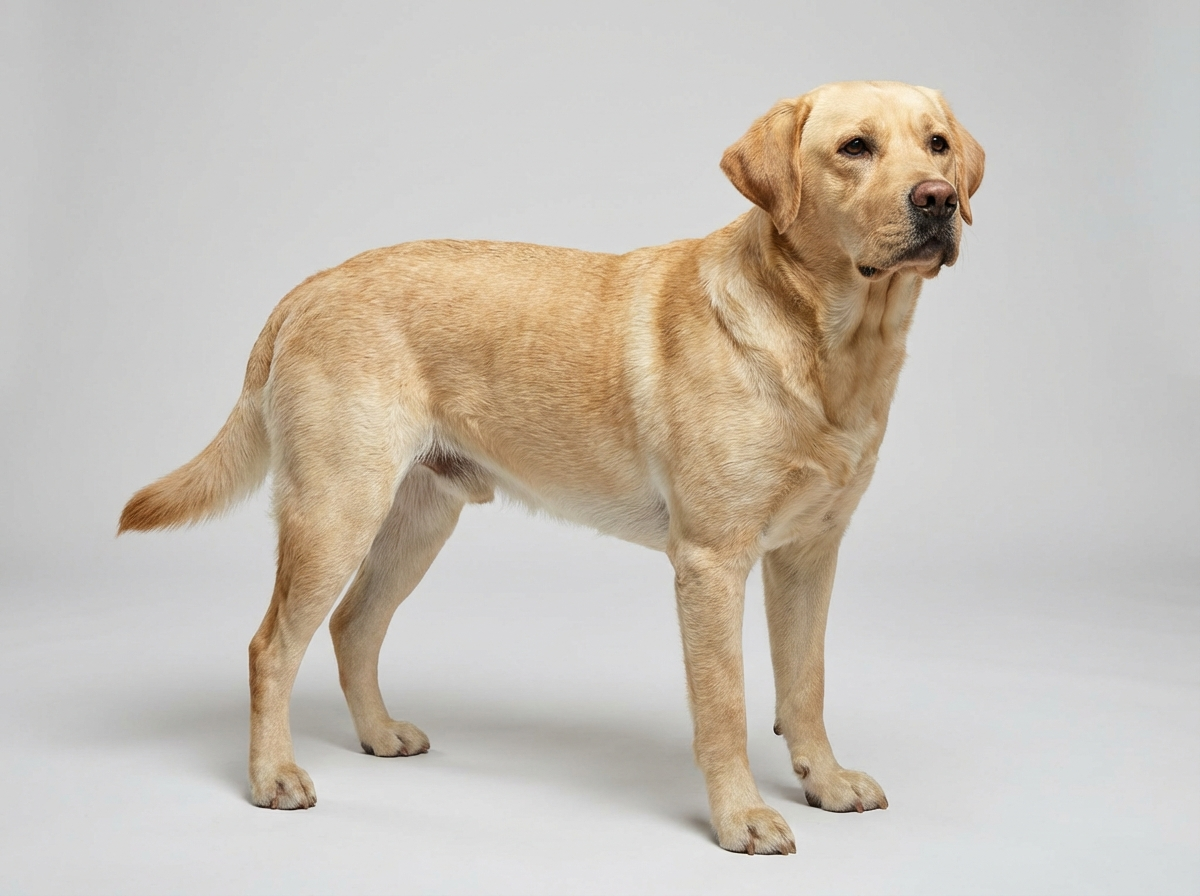
Some of the best running dogs for beginners include breeds like the Labrador Retriever and the Beagle. These dogs have a good balance of energy and temperament, making them great companions for those new to running. They are eager to please and generally adaptable, which helps during training.
Which breeds are known as top joggers?
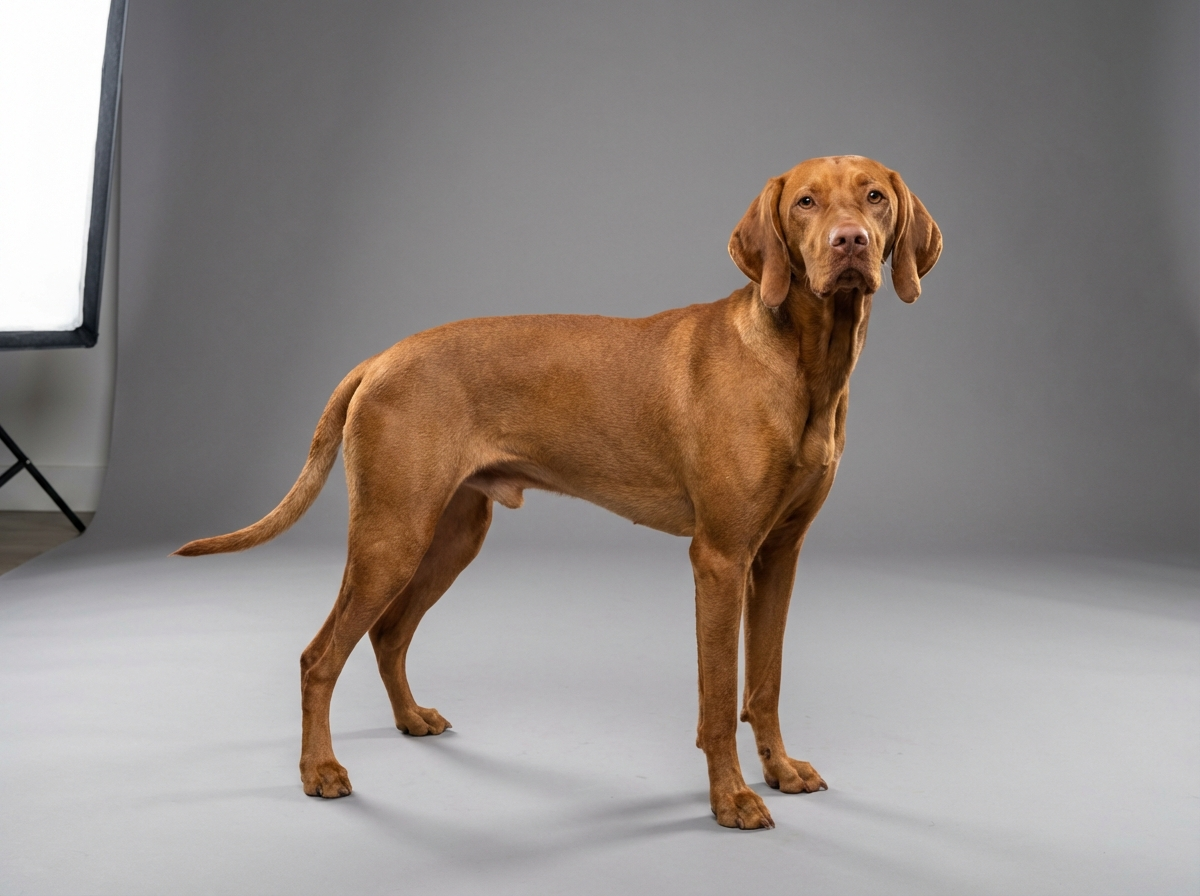
Top joggers include breeds like the Vizsla, German Shorthaired Pointer, and Border Collie. These dogs are built for endurance and have the energy to keep up with active owners. Their natural instincts and playful attitudes make them excellent running partners.
How do I train a running dog?
Training a running dog starts with basic obedience commands like sit and stay. Gradually introduce them to running by starting with short distances and increasing as they build stamina. Always monitor their energy levels and provide plenty of water during your runs.
How much exercise do high energy running partners need?
High energy running partners typically need at least 60 to 90 minutes of exercise each day. This can include running, playing fetch, or other active games. Meeting their exercise needs is crucial for their physical and mental well-being.
What are some fast dogs ideal for cardio?
Fast dogs ideal for cardio include breeds like the Greyhound and Siberian Husky. These breeds not only have speed but also the stamina to keep going for longer distances. They thrive on regular exercise and can make great companions for fitness enthusiasts.
What are some characteristics of the best running dogs?
The best running dogs usually have high energy levels, strong endurance, and a playful nature. Breeds like the German Shorthaired Pointer and Border Collie are known for their athleticism. They generally thrive on regular exercise and enjoy being outdoors.
Can all dogs be trained to run with me?
While many dogs can learn to run alongside their owners, not all breeds are suited for this activity. It's important to consider your dog's age, size, and health. Short-legged or brachycephalic breeds may struggle with long distances and should have modified exercise routines.
How do I know if my dog is fit enough for running?
To determine if your dog is fit for running, start with short walks and gradually increase the distance. Look for signs of fatigue like heavy panting or lagging behind. Always consult your veterinarian before starting a running program to ensure your dog is healthy enough for the activity.
What should I bring when running with my dog?
When running with your dog, bring water for both of you, a leash, and poop bags. A running harness can provide better control and comfort for your dog. Consider wearing reflective gear if running in low-light conditions for safety.
How can I keep my dog motivated during runs?
Keep your dog motivated by varying your running routes and incorporating play breaks. Use treats or toys as rewards for good behavior. Running with a friend or another dog can also increase their excitement and engagement during your workouts.
What are some common injuries in running dogs?
Common injuries in running dogs include paw pad injuries, muscle strains, and joint issues. Pay attention to your dog's behavior and watch for limping or reluctance to run. Regular vet check-ups and proper warm-up routines can help prevent injuries.
Are there specific running breeds that excel in endurance?
Yes, breeds like the Siberian Husky and Labrador Retriever are known for their endurance capabilities. These dogs can handle longer distances and often enjoy running at a steady pace. It's essential to match your running goals with your dog's abilities to keep them happy and healthy.
Quick answers
View more answersWhat are some popular running breeds?
Popular running breeds include the Vizsla, Labrador Retriever, and German Shorthaired Pointer.
Are there specific jogging dogs for long distances?
Yes, breeds like the Husky and Greyhound are excellent for long-distance jogging due to their endurance.
What makes a dog a good fitness pet?
A good fitness pet should be energetic, trainable, and enjoy outdoor activities like running or hiking.
What are the best running dogs?
Some of the best running dogs include the German Shorthaired Pointer, Border Collie, and Siberian Husky. These breeds are known for their stamina and love for exercise.
How do I train a running dog?
Start with short distances and gradually increase the length of your runs. Consistent training and positive reinforcement can help your dog become a great running partner.
Related DogBreedCompass guides
- German Shorthaired Pointer guide – Learn more about a breed ideal for running outdoors.
- Border Collie overview – Discover why Border Collies are top joggers.
- Husky breed details – Find out if Huskies are the right running partners.
- Cost of owning a running dog – Understand the costs of owning an active dog.
- Behavior problems in active dogs – Explore common behavior issues with high-energy breeds.
Important reminder
This guide is not medical advice. If your dog shows pain, sudden behavior change, or worsening symptoms, consult a licensed veterinarian.
Some links may be affiliate links. We may earn a commission at no extra cost to you. We only suggest products we believe are helpful for dog owners.
Want more tailored help?
Take the Lifestyle Match quiz to see which breeds and guides best fit your day-to-day life.
Take the quizMore guides you might like

Pomeranian Cost in Sioux Falls: What to Expect

Pomeranian Cost in Wilmington: What to Expect

Best Companion Dog for Seniors: Top Breeds to Consider

Miniature Schnauzer Rescue: Your Guide to Adoption

Best Dog Breeds for Busy Professionals – Find Your Perfect Match

Best Breed for Single Active Guy in Apartment | DogBreedCompass
Find your match
Not sure which breed is right for you? Take our 2-minute quiz to find out.
Take the quiz