DogBreedCompass

Best Dog for Cold Climates: How to Choose Thoughtfully

The best dog for cold climates is an individual dog whose needs fit both the weather and the winter routine you can provide.

This guide is for prospective owners comparing winter dog breeds, current owners planning a move to a colder region, and anyone asking which dog breeds handle cold weather without relying on a simple ranking.

A dog can enjoy a cold-climate home when its exercise, rest, grooming, and outdoor time are planned around real conditions. Looking at your routine first helps prevent the assumption that a cold-weather breed can stay outside indefinitely or that every dog of a breed will be comfortable in the same conditions.

Best Dog For Cold Climates: Key Considerations

Dogs for snow climates are often identified by a dense coat, but coat type is only one part of the picture. A suitable match also depends on a dog's size, activity level, grooming needs, training, ability to settle indoors, and the care available when weather becomes severe. Wet conditions, wind, ice, road salt, and sudden temperature changes can affect dogs that are commonly associated with winter.

Start With Your Actual Winter and Daily Routine

Before choosing the best dog for cold climates, consider the conditions the dog will experience most often.
  • Weather pattern: Note typical temperatures, wind, wet snow, ice, daylight, and how long cold conditions last.
  • Outdoor schedule: Decide whether you can provide safe walks, training, and play when sidewalks or trails are icy.
  • Home environment: Plan for a warm indoor resting area, dry bedding, fresh water, and a reliable way to dry a wet dog.
  • Grooming routine: Consider the time needed to check for packed snow, moisture, or debris after outdoor time and to maintain the dog's coat.
  • Exercise expectations: Be ready to use shorter outings, training, scent games, or other indoor enrichment when conditions are poor.
  • Support plan: Think through transportation, backup care, and what you would do during a storm or extended period of severe weather.

Why this helps

  • Connects breed research to the winter conditions a dog will actually live in.
  • Makes indoor comfort, grooming, and safe footing part of the decision early.
  • Helps avoid a routine that depends on unsafe or impractical outdoor exercise.

Watch out for

  • ! A realistic plan may require changing normal walking times or routes.
  • ! Weather can change quickly and requires flexibility.
  • ! Climate planning cannot predict every individual dog's comfort level.

Three Breeds to Research as Starting Points

The following breeds appear in this guide's research brief. They are useful places to begin learning, not guarantees that a particular dog will enjoy every cold-weather condition.
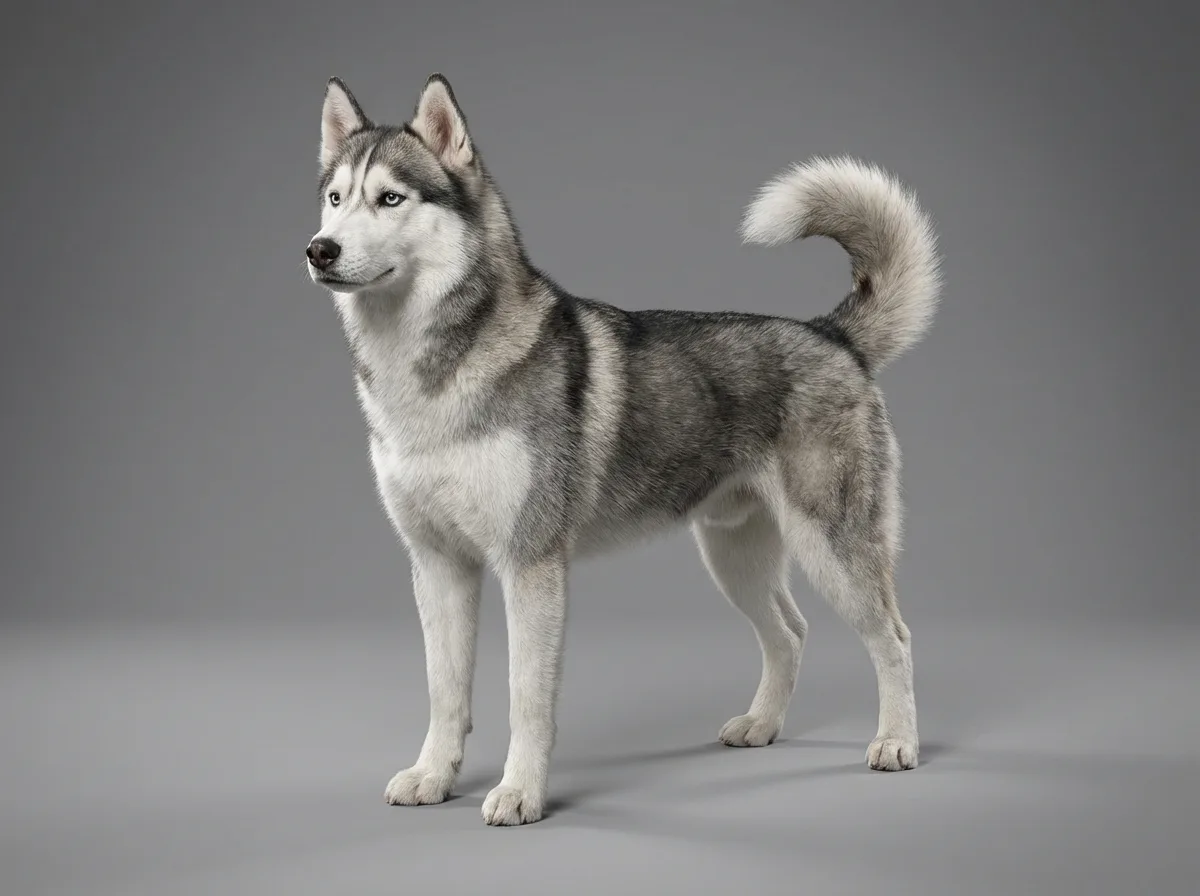
  • Siberian Husky: A high-energy working breed often associated with colder regions. Prospective owners should also consider training, secure management, regular activity, and whether the dog's needs fit life indoors as well as outside.
  • Alaskan Malamute: A large, powerful working breed commonly researched for snowy climates. Size, strength, grooming, exercise, and individual temperament should be part of the match, not just coat density.
  • Bernese Mountain Dog: A large companion and working breed with a substantial coat that may appeal to families in cooler areas. Its individual activity needs, grooming, living space, and day-to-day care still deserve careful consideration.

Why this helps

  • Offers a focused place to begin comparing different sizes and activity styles.
  • Keeps daily care and temperament in the comparison.
  • Avoids treating a winter-looking coat as a complete climate assessment.

Watch out for

  • ! Breed descriptions cannot predict how a specific dog will respond to wind, wetness, or cold.
  • ! Dogs with substantial coats can require meaningful grooming and cleanup.
  • ! A breed shortlist is only one part of choosing a dog responsibly.

Build a Cold-Weather Daily Care Plan

Even dogs often described as winter dog breeds need supervision and a comfortable indoor place to rest. Keep outdoor time adjustable, dry the dog after wet outings, and check paws and coat for snow, ice, or material picked up on walks. Choose routes and activities with safe footing in mind, and do not make a dog stay outside simply because its breed is associated with cold weather. Watch the individual dog rather than trying to meet a fixed exercise target in every condition. If a dog seems distressed, weak, unusually tired, painful, or reluctant to move after cold exposure, bring it indoors and contact a licensed veterinarian promptly for guidance. This is not a diagnosis; it is a reason to take a possible cold-related concern seriously.

Why a Thick Coat Is Not a Complete Winter Plan

A substantial or double coat may be one reason a breed appears on a cold-climate shortlist, but it does not answer the practical questions of ownership. A dog still needs a dry indoor place to sleep, regular access to water, supervision, and an owner who notices changes in comfort. Snow that looks harmless can become wet and packed into a coat, while wind can make an otherwise familiar route feel very different. The same dog may be eager for a brisk walk on one day and less comfortable on another. Coat care also belongs in the decision. Longer or denser coats can collect moisture, snow, and outdoor debris, so a household needs a realistic cleanup routine after walks and play. That can mean allowing time to dry the dog, inspect the coat and paws, and keep its resting space clean and dry. Do not make dramatic grooming changes solely to prepare for weather without discussing the dog's needs with an appropriate grooming or veterinary professional. The goal is not to make a dog look like a winter breed; it is to support the individual dog with ordinary, attentive care.

Match Exercise and Training to Winter Conditions

Cold weather does not remove a dog's need for movement, training, or companionship, but it can change how those needs are met. A safe plan uses the conditions in front of you rather than a rigid daily mileage goal. On a clear day with dependable footing, a normal walk may be appropriate for a dog that is comfortable. On an icy, windy, or wet day, shorter outings paired with training, scent games, a food puzzle, or calm indoor practice may be the more sensible choice. This matters especially when considering energetic breeds such as the Siberian Husky or Alaskan Malamute. Their reputation for outdoor activity does not replace training, secure management, indoor settling skills, or an owner's ability to provide safe exercise. A Bernese Mountain Dog also deserves an individual assessment of activity, grooming, space, and routine rather than an assumption based on its coat. When meeting a prospective dog, ask the rescue, foster, or responsible breeder how it typically spends time, recovers after activity, settles at home, and responds to grooming. Those practical observations are more useful than treating any breed description as a promise.

Common Mistakes When Choosing a Dog for a Cold Climate

These assumptions can make a winter routine harder for both dog and owner.
  • Choosing solely by coat thickness or appearance.
  • Assuming a dog bred for cold weather needs no shelter, supervision, or indoor rest.
  • Forgetting that wet snow, wind, ice, and road treatment can change an outing.
  • Expecting a high-energy dog to meet all of its needs through outdoor time in unsafe weather.
  • Overlooking grooming, drying, and paw checks after winter walks.
  • Ignoring a dog's change in comfort or behavior because its breed is on a cold-weather list.
  • Treating climate as more important than the dog's individual temperament and the household's capacity for care.

Myths and Facts About Dogs in Cold Weather

A few distinctions can make climate-based breed selection more useful and more humane.
  • Myth: A double coat means a dog can stay outdoors in any winter weather. Fact: Dogs still need shelter, supervision, dry rest, and an outdoor routine adjusted for conditions.
  • Myth: All dogs of a cold-weather breed enjoy snow. Fact: Individual comfort, age, training, health, and the type of weather all matter.
  • Myth: A winter dog does not need indoor enrichment. Fact: Storms, ice, and short daylight can limit outings, so indoor activities still matter.
  • Myth: Bigger dogs are always better for cold climates. Fact: Size alone does not determine whether an individual dog fits a household or a winter routine.
  • Myth: A breed ranking is enough to choose a dog. Fact: Meet the individual dog and compare its needs with your home, schedule, and care resources.

Checklist Before Choosing a Dog for a Cold Region

Use this checklist alongside conversations with a rescue, breeder, veterinarian, or qualified trainer.
  • I can provide a warm, dry indoor rest area and fresh water.
  • I can adjust walks, training, and play around ice, storms, wind, and limited daylight.
  • I have considered coat care, drying, and paw checks after outdoor time.
  • I can provide indoor enrichment when a long walk is not safe or practical.
  • I understand that the individual dog's needs matter more than a breed label alone.
  • I have a backup plan for winter travel, storms, power problems, and care emergencies.
  • I am prepared to seek veterinary advice promptly if cold exposure concerns me.

Why this helps

  • Turns a broad climate question into practical responsibilities.
  • Helps identify home and schedule changes before commitment.
  • Supports a safer routine for any dog living in a cold region.

Watch out for

  • ! It may show that a different living arrangement or season is a better time to add a dog.
  • ! A checklist cannot replace learning about an individual dog.
  • ! Plans need updating when weather, home conditions, or the dog's needs change.

A Practical Next Step

For one week, track the winter conditions you can reliably manage: safe walking routes, a dry place for cleanup, indoor activity options, and backup transport. Then use dog breed guides to form questions for the individual dog rather than as a final answer. If you are choosing between dogs, ask a foster, rescue, or responsible breeder about the dog's normal activity pattern, comfort indoors, grooming needs, and any known care needs. A veterinarian can provide individualized advice when you have concerns about a dog's health or its ability to cope with local conditions.

Frequently asked questions

What is the best dog for cold climates?

There is no single best dog for cold climates. Look for an individual dog whose exercise, grooming, temperament, and daily care needs fit your home and your ability to provide a warm resting area, safe outdoor time, and flexible winter routines.

Which dog breeds handle cold weather?

People often research the Siberian Husky, Alaskan Malamute, and Bernese Mountain Dog for colder regions. These are starting points only: individual comfort varies, and every dog needs thoughtful winter care.

Can cold-weather dogs stay outside all winter?

A breed associated with cold weather should not be assumed safe or comfortable outside indefinitely. Dogs need supervision, shelter, dry rest, fresh water, and outdoor time adjusted for wind, wetness, temperature, and the individual dog.

Do dogs with double coats need winter care?

Yes. A double coat is only one factor. Dogs may still need their paws and coat checked after outings, a dry place to rest, grooming, and changes to their activity plan when conditions are severe.

How should I exercise a dog in cold weather?

Choose routes with safe footing, keep outdoor time flexible, and shorten or replace outings when ice, wind, or severe weather makes them uncomfortable or unsafe. Indoor training, food puzzles, and scent games can provide enrichment on difficult days.

Is a Siberian Husky a good dog for a cold climate?

A Siberian Husky is often researched for snowy regions, but the individual dog and household must still be a good match. Consider its activity, training, management, grooming, and ability to settle indoors along with the climate.

Is an Alaskan Malamute good for snowy weather?

An Alaskan Malamute is commonly associated with snowy climates, but its size, strength, exercise needs, grooming, and individual temperament should be considered alongside weather. It still needs attentive daily care and a comfortable place to rest indoors.

What should I do if my dog seems affected by cold?

Bring the dog to a warm, dry area and contact a licensed veterinarian promptly for guidance if you are concerned. Signs such as distress, weakness, unusual tiredness, pain, or reluctance to move after cold exposure deserve attention.

Quick answers

View more answers
Living

Best dog for cold climates?

The best choice is an individual dog whose full care needs fit a winter-aware routine with warm indoor rest, safe outdoor time, grooming, and flexible activity.

Living

Which dog breeds handle cold weather?

Siberian Huskies, Alaskan Malamutes, and Bernese Mountain Dogs are useful breeds to research, but individual dogs still need climate-appropriate care.

Living

Can a cold-weather dog live outside?

Do not assume a cold-weather breed can live outside indefinitely. It needs shelter, supervision, dry rest, and a routine adjusted for actual conditions.

Related DogBreedCompass guides

Important reminder

This guide is not medical advice. If your dog shows distress, pain, sudden behavior change, or worsening symptoms, consult a licensed veterinarian.

Some links may be affiliate links. We may earn a commission at no extra cost to you. We only suggest products we believe are helpful for dog owners.

Want more tailored help?

Take the Lifestyle Match quiz to see which breeds and guides best fit your day-to-day life.

Take the quiz

More guides you might like

Find your match

Not sure which breed is right for you? Take our 2-minute quiz to find out.

Take the quiz