The Best Running Companion Dog for Your Active Lifestyle
Looking for the perfect dog to keep up with your jogging routine? This guide will help you find the best running companion dog that fits your lifestyle and energy level.
This guide is perfect for anyone who enjoys running, whether you're a casual jogger or a seasoned marathoner. If you're considering adding a dog to your active life, or if you want to improve your current running experience with a canine buddy, this information is for you.
Choosing the right dog for running is crucial for both your and your pet's happiness. Not all breeds have the endurance or temperament that make them suitable for long runs. Understanding the best running companion dog can help prevent injuries for both of you and ensure you both enjoy your time together.
Finding the Best Running Companion Dog
Choosing the best running companion dog is crucial for active dog owners. The right breed can enhance your running experience, making it more enjoyable and rewarding. This guide will help you identify the ideal jogging partner based on your lifestyle and running goals.
What Makes a Great Running Dog?
Not all dogs are built for long distances. Athletic breeds like Vizslas, Weimaraners, and Dalmatians excel in endurance and energy. Understanding the traits of a great running dog is essential; they should be energetic, adaptable, and healthy.
This ensures they can keep up with you on various terrains and distances.
Vizsla - What Makes a Great Running Dog?
Why a Running Dog Matters
Having a dog that thrives on exercise can significantly benefit both you and your furry friend. A running companion can motivate you to stick to your fitness routine. Plus, dogs require physical activity, which helps reduce anxiety and behavioral issues.
Vizsla - Why a Running Dog Matters
Choosing the Right Breed
Consider the following traits when selecting the best running companion dog:
Vizsla - Choosing the Right Breed
High energy levels
Good endurance
Ability to adapt to different weather conditions
Friendly demeanor around other runners and dogs
Strong health history
Safety Tips for Running with Dogs
When running with your dog, safety should always come first. Ensure your dog is properly trained to run with you. Stay hydrated, especially on hot days, and watch for signs of fatigue.
It's also wise to avoid busy streets or areas that could pose a risk to you and your pet.
Vizsla - Safety Tips for Running with Dogs
Get Started with Your Running Companion
To choose well, selecting the best running companion dog is about matching a breed's traits with your lifestyle. With the right dog, you'll find running to be more enjoyable and fulfilling. So, lace up your shoes and get ready to hit the trails together!
Vizsla - Get Started with Your Running Companion
Step-by-Step Plan for Choosing the Best Running Companion Dog
Finding the best running companion dog can enhance your fitness journey. Here’s a practical plan to help you choose the right breed for your active lifestyle.
Weimaraner - Step-by-Step Plan for Choosing the Best Running Companion Dog
1. Assess Your Running Style
2. Research Athletic Breeds
3. Visit Local Shelters or Breeders
4. Meet Potential Dogs
5. Evaluate Temperament and Energy Levels
6. Consider Health and Maintenance Needs
7. Plan for Training and Socialization
8. Prepare Your Home for a New Dog
9. Start with Short Runs Together
10. Gradually Increase Running Distance
Why this helps
✓ Helps you match a dog’s energy with your running needs.
✓ Informs you about the best breeds suited for running.
✓ Allows you to find a dog that fits your lifestyle and home.
Watch out for
! Requires time and effort to research and meet different dogs.
! May involve travel to find suitable breeds.
! Initial adjustment period for both you and the dog.
Common Mistakes When Choosing the Best Running Companion Dog
Selecting the right dog for running requires careful thought. Here are some common mistakes owners make that can lead to unhappy runs and frustrated dogs.
Weimaraner - Common Mistakes When Choosing the Best Running Companion Dog
Choosing a breed without considering energy levels
Overlooking health issues in potential running dogs
Neglecting proper training before running together
Not accounting for weather conditions
Failing to gradually build endurance
Ignoring hydration needs during runs
Myths vs. Facts About the Best Running Companion Dog
There are many misconceptions about choosing the best running companion dog. Here are some common myths and the corresponding facts to help clarify the truth about jogging with dogs.
Weimaraner - Myths vs. Facts About the Best Running Companion Dog
Myth: Any dog can be a good running companion.
Myth: Dogs don’t need to be trained for running.
Myth: Larger breeds are always better for long-distance running.
Myth: Running with dogs is dangerous.
Myth: Only specific breeds can run long distances.
Advanced Tips for Choosing the Best Running Companion Dog
When searching for the best running companion dog, dig deeper into the traits that make certain breeds exceptional for endurance activities. Here are advanced tips to help you select the right running buddy and ensure enjoyable outings together.
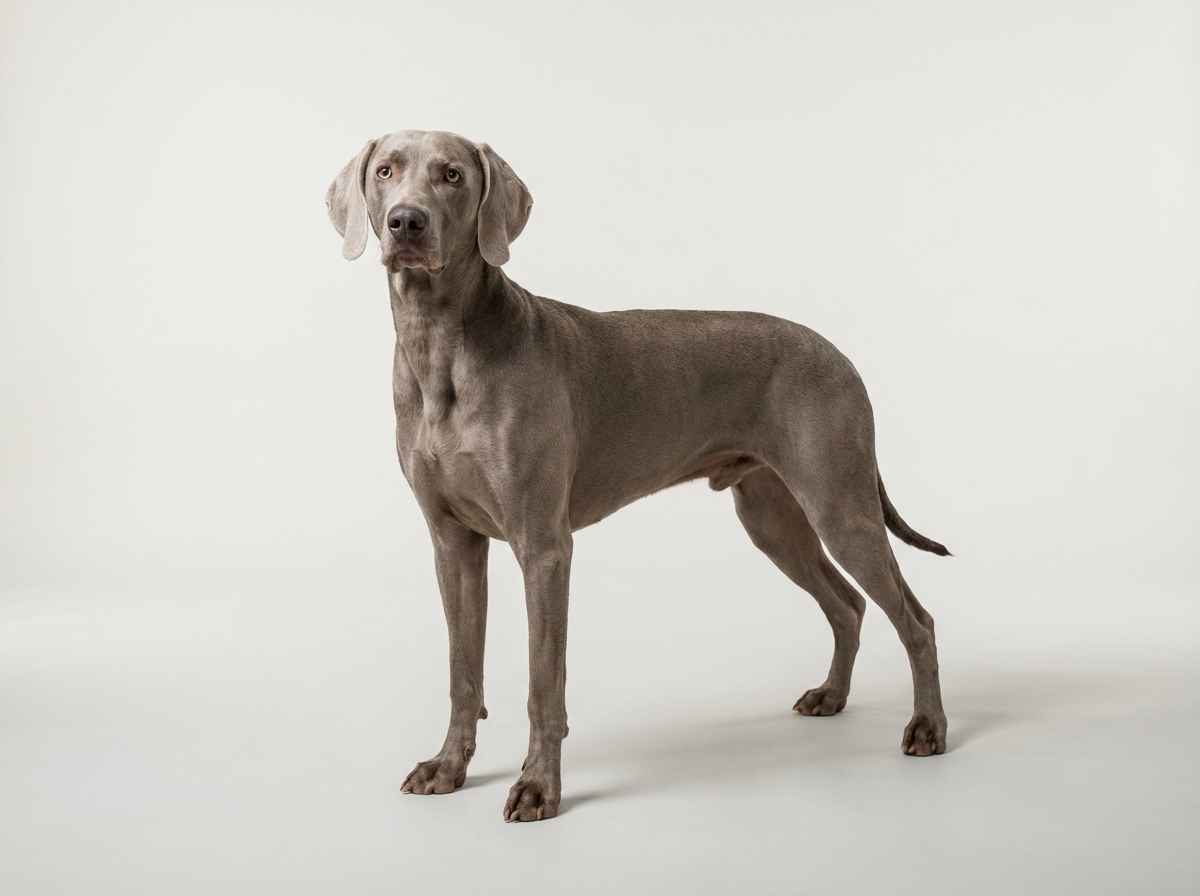
First, consider each breed's energy levels and stamina. Breeds like Vizslas and Weimaraners are known for their high energy and enthusiasm. Spend time with potential breeds to assess their endurance and enthusiasm for running.
Take them on short runs to see how they handle the pace.
Next, focus on training techniques. Start with basic commands, but as your dog grows more confident, introduce advanced commands specific to running. Teach them to run beside you, maintain pace, and respond to your cues.
Using positive reinforcement during these training sessions can significantly boost their performance on runs.
Also, analyze your running environment. If you prefer running on trails or rough terrains, ensure your chosen breed is equipped for such conditions. Breeds with strong paws and good balance will excel on uneven surfaces.
Consider their adaptability to varying weather conditions too, as some breeds handle heat better than others.
Hydration is crucial, especially during long runs. Invest in a portable water bowl to keep your dog hydrated. Make it a habit to offer water during breaks, especially on hot days.
This will help you both enjoy longer runs without fatigue.
Finally, consider the importance of regular vet check-ups. Regular assessments of your dog’s joints and overall health can help prevent injuries associated with running. Discuss your running routine with your vet to ensure your dog is physically prepared and healthy enough for your activities.
They may suggest dietary adjustments or supplements that support joint health and stamina.
By focusing on these advanced aspects, you can ensure a fulfilling and safe running experience with your dog. The right training, care, and breed selection will help you make the most of your running adventures together.
Weimaraner - Advanced Tips for Choosing the Best Running Companion Dog
Why this helps
✓ Improved endurance through tailored training.
✓ Stronger bond with your dog via joint activities.
✓ Better health and fitness for both owner and dog.
Watch out for
! Requires time and commitment for training.
! Potential for injuries if not properly managed.
! May need to adjust running habits based on dog's capabilities.
How to Choose Running Companion Dog
Finding the best running companion dog is not just about picking a breed; it's about understanding their unique needs and quirks. Here are some Practical Guidance for help you make the best choice.
Weimaraner - How to Choose Running Companion Dog
Look for breeds with a natural prey drive but a calm demeanor. These dogs can harness their energy during runs but remain manageable on a leash.
Consider the dog's coat type for different climates. Short-haired breeds are generally better for warmer weather, while those with thicker coats may perform well in cooler conditions.
Train your dog to run beside you, not ahead. This keeps them focused and prevents them from pulling, which can lead to accidents.
Hydration is key. Always carry water for both you and your dog, especially on longer runs. Dogs can overheat quickly, so know the signs of heat exhaustion.
Mix in rest days. Just like humans, dogs need time to recover. Schedule light days or rest days to keep your dog healthy and eager to run.
Why this helps
✓ Enhances your running experience with a loyal companion.
✓ Encourages a healthier lifestyle for both you and your dog.
✓ Can improve your dog's behavior by providing regular exercise.
Watch out for
! Not all breeds are suitable for long-distance running; some may tire easily.
! Requires a commitment to training and regular exercise.
! May lead to injuries if the dog is not conditioned properly.
Checklist for Choosing the Best Running Companion Dog
Use this checklist to find the ideal dog breed that can keep up with your running lifestyle. Each point will guide you in selecting a dog that matches your activity level and running goals.
Labrador Retriever - Checklist for Choosing the Best Running Companion Dog
Assess your running routine: How many miles do you run weekly?
Consider the dog’s breed traits: Look for athletic breeds like Vizslas or Weimaraners.
Evaluate energy levels: Choose a dog with high endurance.
Test compatibility: Take potential dogs for a short run to see how they adapt.
Research health needs: Ensure your dog is fit for running with a vet check.
Choose appropriate gear: Invest in a good harness and leash for safety.
Plan hydration: Carry water for both you and your dog during runs.
Train gradually: Start with shorter runs to build your dog's stamina.
Monitor health: Keep an eye on your dog for any signs of fatigue.
Have fun together: Running should be enjoyable for both you and your dog.
Why this helps
✓ Helps find a dog that suits your activity level.
✓ Encourages healthy habits for both you and your pet.
✓ Strengthens the bond through shared activities.
Watch out for
! Requires time for proper training and bonding.
! Not all dogs will enjoy running, even if they are athletic.
! May need adjustments in lifestyle and routines.
Frequently asked questions
What is the best dog for 5k runs?
The best running companion dog for a 5k is often an athletic breed like a Vizsla or Weimaraner. These dogs have high energy levels and stamina, making them great for longer distances. They thrive on exercise and companionship, ensuring a fun running experience.
What are the most athletic dog breeds?
Some of the most athletic dog breeds include the Vizsla, Weimaraner, and Dalmatian. These dogs excel in endurance activities and have a strong desire to run and play. They are perfect choices for active owners who enjoy jogging or running.
How can I ensure safety when running with my dog?
To ensure safety while running with dogs, start with shorter distances to build stamina. Always use a sturdy leash and harness for better control. Additionally, be mindful of weather conditions, and ensure your dog is well-hydrated before and after the run.
Are there specific breeds that are great for marathon training?
Yes, breeds like the Vizsla and Weimaraner are fantastic for marathon training due to their endurance and energy levels. They enjoy long runs and can keep pace with their owners. Ensure they are properly conditioned to avoid injuries.
Can any dog be a good jogging companion?
While many dogs can enjoy jogging, specific breeds are better suited due to their athleticism and energy levels. Breeds like the Dalmatian or Labrador Retriever are generally good jogging companions, but it's essential to consider your dog's health and stamina.
Are there any specific safety tips for running with dogs?
Yes, there are several safety tips to keep in mind when running with dogs. Always bring water for both you and your dog, and avoid running during peak heat hours to prevent overheating. Additionally, ensure your dog is on a leash and is familiar with running routes to minimize distractions.
Which breeds are considered the most athletic?
Some of the most athletic dog breeds include the Border Collie, Labrador Retriever, and Dalmatian. These breeds are known for their high energy levels and natural athleticism, making them great companions for active owners. It's important to match their activity needs with your lifestyle.
Can small dogs be good running companions?
Yes, some small dogs can be good running companions, but it depends on the breed and individual dog's stamina. Breeds like the Jack Russell Terrier and Miniature Pinscher can keep up a fast pace. However, they might not be suitable for longer distances compared to larger breeds.
How can I train my dog to run longer distances?
To train your dog for longer runs, start with shorter distances and gradually increase the length over time. Use positive reinforcement to encourage your dog and ensure they have breaks during the training sessions. Always monitor their energy levels to avoid overexertion.
What are the signs of overexertion in dogs while running?
Signs of overexertion in dogs include excessive panting, lagging behind, or reluctance to continue. If your dog appears tired or shows signs of distress, it's important to stop and allow them to rest. Hydration and proper pacing are key to preventing overexertion.
What should I consider when choosing a running dog?
When choosing a running dog, consider their energy level, breed characteristics, and overall health. Look for breeds that are known for endurance, and ensure they are physically capable of handling the distances you plan to run. Temperament and training are also important factors for a safe running experience.
Top endurance dog breeds – Explore popular endurance dog breeds.
Important reminder
This guide is not medical advice. If your dog shows pain, sudden behavior change, or worsening symptoms, consult a licensed veterinarian.
Some links may be affiliate links. We may earn a commission at no extra cost to you. We only suggest products we believe are helpful for dog owners.
We research and check what we publish, but we do not warrant that any figure, date, price, or statement is accurate, complete, or current, and we accept no liability for any loss, cost, injury, or other harm arising from the use of this site. Use it as one reference among several. You remain responsible for your own decisions and for your dog's care - confirm anything that matters with a licensed veterinarian or another qualified professional before you act on it. Full disclaimer.
Want more tailored help?
Take the Lifestyle Match quiz to see which breeds and guides best fit your day-to-day life.